



Used-Vehicle Market Values Decline as Gasoline Prices Drop
With all of the changes and the number up and down the overall dollar change week over week is a decline of -$103. But, even with the level of changes today, there is still a pretty solid and active market within the wholesale channels.

BEGGS
The market continues the more traditional seasonal movements and for the first three weeks of July the average change amount has increased within the cars and trucks. according to Black Book.

BEGGS
"This past week the cars average segment change was -$68 as compared to the previous two weeks of -$56 and -$45. The -$68 change was the largest declining movement since the week ending Jan. 24, 2014 at -$72. For comparison purposes, the year-ago change level was only -$41," according to Ricky Beggs, VP and editorial director for Black Book in his "Beggs on the Market" report. "After such a strong Spring market, the remainder of the year may possibly see slightly larger declines as compared with typical seasonal patterns."
The smallest dollar level declining segment this past week within the cars was the Compact Cars at -$33. This has also been the most consistent moving segment during July with -$31 and -$20 the prior two weeks.
"The truck segments are trending in the same direction, but at slightly lower amounts of decline," according to Beggs. "This past week the average change was -$54 following smaller declines of -$39 and -$20 the prior two weeks. The last time the decline for the trucks was greater than this past week was the week ending February 21 when the level of change was -$67."
Several truck related segments have been fairly consistent in their weekly movement during July with results of the past three weeks for full-size passenger wagons changing by -$10, -$2, and -$2 respectively, and the full-size pickups at -$20, +$6, and -$19, respectively for the past three weeks. Also during July, Minivans have declined a little more, but at consistent weekly changes of -$32 this past week and -$36 and -$22 the prior two weeks, according to Black Book.
"With all of the changes and the number up and down the overall dollar change week over week is a decline of -$103. This is the largest weekly declining amount since the -$108 for the week ending January 24, 2014 during some of the almost forgotten brutal winter weather," Beggs said. "One year ago, the average weekly change was even greater at -$127 when only 14 percent of the changes were increasing value adjustments. So, even with the level of changes today we still have a pretty solid and active market within the wholesale channels."
There is other movement that is always of interest and that relates to the price of gasoline and diesel fuel.
"After all the hype in July about increasing gas prices at $3.64 per gallon we are almost a half a cent less than the year ago period after the 4.3 cent drop this past week," Beggs noted. "Diesel even dropped 1.9 cents and at $3.89 at the pump on a national average that is only 2.7 cents over year ago levels."
Check out the most recent "Beggs on the Market" video below:
More Operations

CAS Automotive Launches Remarketing Service for Damaged, Surplus Equipment
Damaged Equipment expands CAS Automotive’s vehicle remarketing model to commercial equipment, targeting fleet operators, insurers, equipment dealers, and rental companies.
Read More →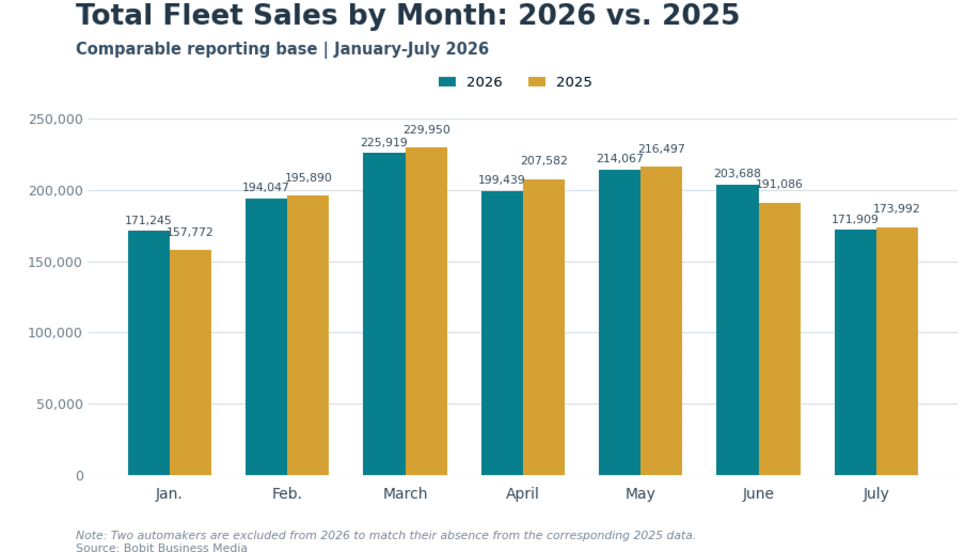
Fleet Sales Hold Steady as Commercial Gains Offset Rental Decline
Commercial and government fleet sales increased through July 2026, offsetting most of the decline in rental volume and leaving combined comparable fleet sales 0.5% above the same period last year.
Read More →
Personnel Update: BrickHouse GPS, PRO-VISION, Auto Driveaway, and Proaction
Check out the latest must-know fleet personnel updates from the last couple of months.
Read More →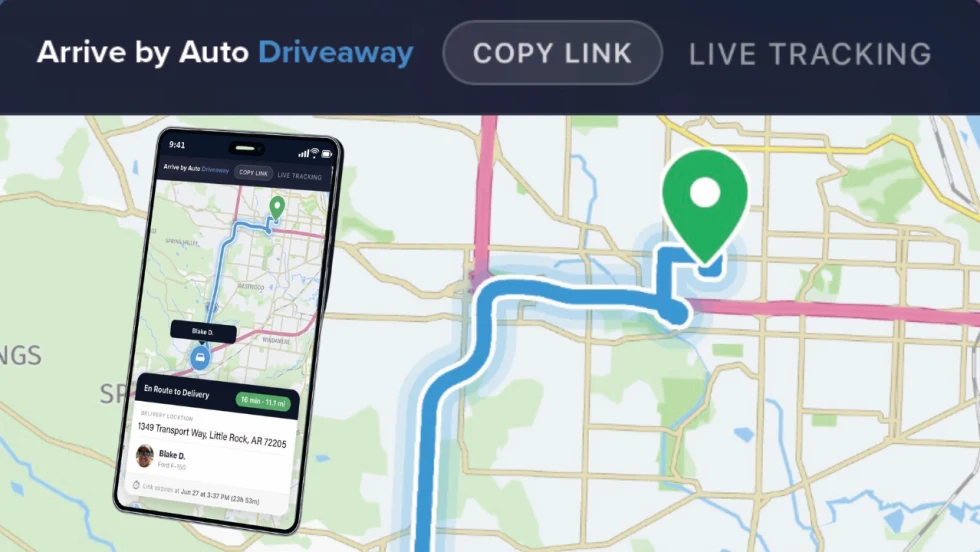
What Comes Next for Auto Driveaway?
A new Auto Driveaway feature called Arrive provides recipients with live location updates and ETAs during the final hour of a vehicle move, while fleet customers continue to have end-to-end shipment visibility through the company's customer portal.
Read More →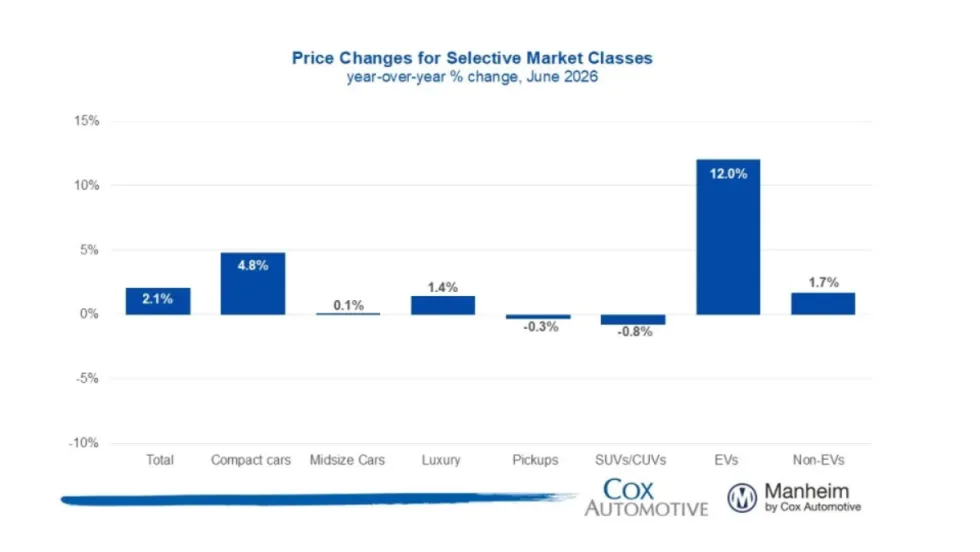
Manheim Index Shows Used-Vehicle Wholesale Prices Up 2.1% in June
The market is seeing stronger appreciation in older used vehicles this year, and the most affordable segments have been among the year’s best performers.
Read More →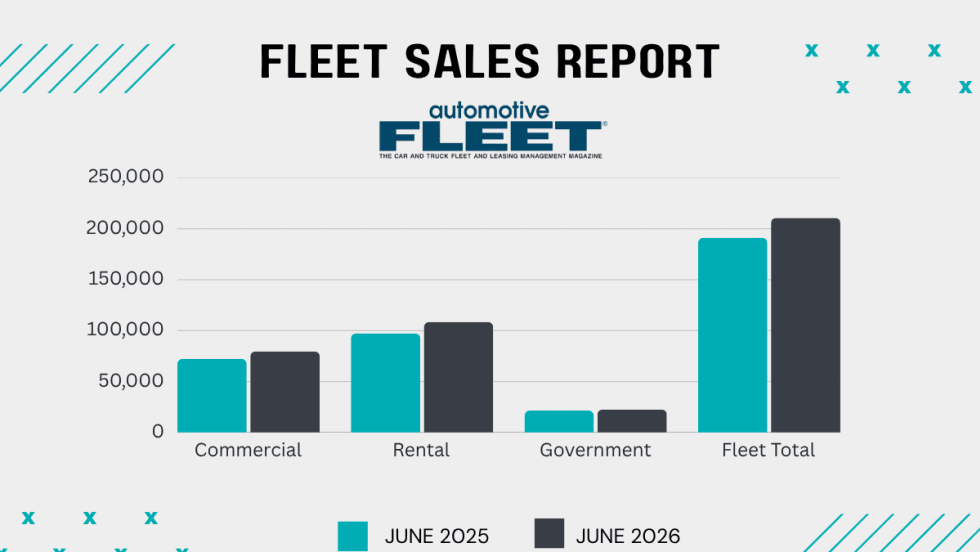
Commercial Fleet Sales Contribute To June, YTD Gains
The fleet sector has boosted its vehicle purchases at a reliable pace in the first half of this year compared with 1H 2025.
Read More →
Stop Remarketing Electric Vehicles Like Gas Cars
The advantages and attributes of electric vehicles are upending the traditional remarketing cycle, requiring fleet sellers to rely on new factors and approaches detailed below.
Read More →
AP Fleet Management Expands Remarketing Program for Commercial Work Trucks
AP Fleet Management expanded its commercial vehicle remarketing program with dedicated resale services and an online marketplace for used work trucks.
Read More →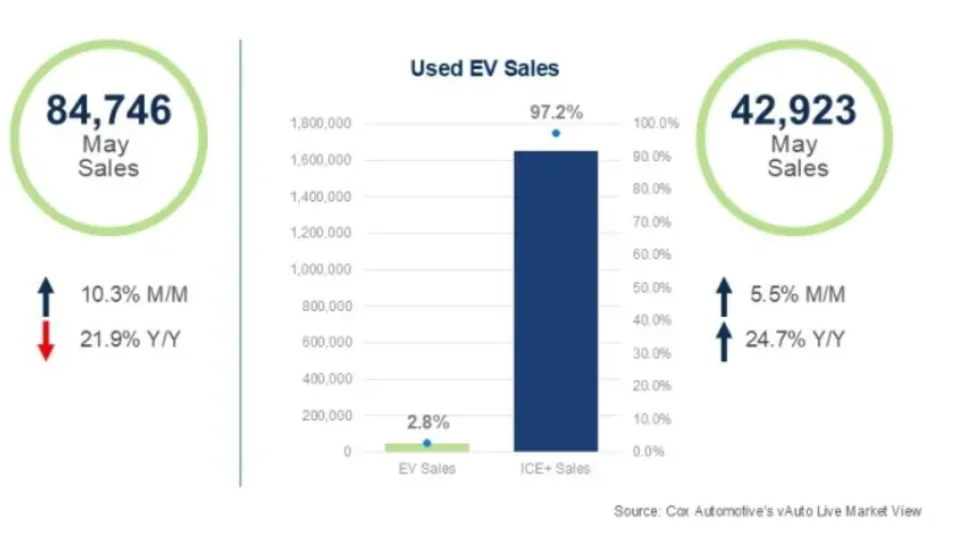
Used EVs Strengthen Overall Electric Vehicle Market
The latest sales data point to several reasons for the divergent trends in new and used EVs that can factor into fleet cycling decisions.
Read More →
The Data-Driven Haul: 5 Ways AI is Leveling the Playing Field in Auto Transport
Large and small transport fleets are becoming more competitive as predictive analytics and real-time data inform the logistics decision chain.
Read More →