



CAR2026 in Two Words: Velocity, Value (Part 1)
The 2026 Conference of Automotive Remarketing convened with a mandate to involve a new constituency — fleet managers — and an updated mission to demonstrate unrealized value in de-fleeted vehicles.
April 27, 2026

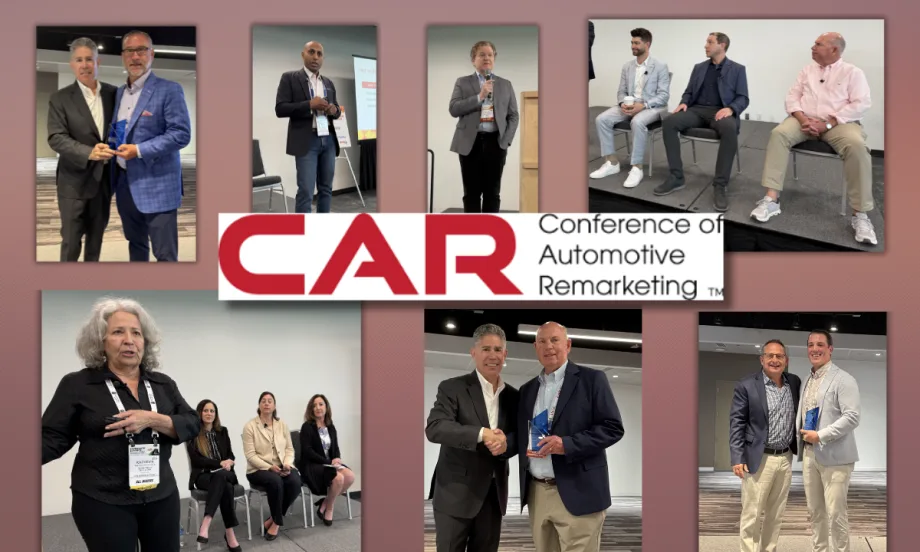
The 2026 Conference of Automotive Remarketing convened in Cleveland April 15-16, collocated with NAFA I&E.
Credit: Automotive Fleet
7 min to read
The Conference of Automotive Remarketing (CAR) returned this year at a moment when the industry is still recalibrating after several years of disruption. If there was a single theme that surfaced repeatedly throughout the sessions, it was that remarketing today comes down to velocity plus value.
Held April 15-16 at the Huntington Convention in Cleveland, Ohio, in conjunction with the NAFA I&E, the 30-year-old conference is going through an evolution.
CAR traditionally connects vehicle consignors, auction decision-makers, suppliers, and industry leaders to discuss trends, share best practices, and form partnerships. That is still the case, but with a new constituency — fleet managers — a key Bobit audience and the reason for the NAFA partnership.
As part of this evolution and with this new attendee group, the educational content dug into a central theme, in the form of a question: Could de-fleeted vehicles return more value when remarketed?
The answer was yes, but tempered with a perennial, real-world market caveat: Speed to market is, and always will be, essential. Velocity plus value.
Storms on the Horizon
Bobit Business Media owner and CEO Colin Sutherland started the conference with a frank warning about several converging threats to fleet remarketing: "This is a shifting moment in the industry," he said. “And I think we've got some storms on the horizon.”
Sutherland identified several converging pressures on fleet remarketing.
The first is residual value exposure. Vehicles fleeted from 2021 to 2023, when supply chain shortages drove inflated pricing and, consequently, inflated residuals, are now cycling back. "Those leases are coming due this year," Sutherland said, "and the residuals won’t be met."
The second storm is electric. An estimated 1.1 million off-lease EVs are expected to enter the remarketing pipeline over the next three years, and the environment they enter is complex.
Political headwinds have depressed EV sentiment, and automakers are either quelling investment or have exited the market entirely, which only adds to long-term uncertainty. And the traditional remarketing infrastructure — auction lanes, condition reports, valuation guides — was not built with battery-electric vehicles in mind.
He also brought up Amazon Auto, which launched in August 2025. Ultimately, used fleet units may compete with price-driven Amazon in the digital retail space. Yet the auctions aren’t as worried, with their ability to deliver scale and liquidity that new digital platforms simply can’t.
But, as Sutherland said, "Whenever Amazon enters a space, you better be worried.”
Sutherland also highlighted the key point in CAR’s evolving direction: Valuable upfits, such as specialized bodies and interior packages, along with equipment like telematics and cameras, are routinely stripped before vehicles go to auction, destroying value that could be passed on to secondary buyers.
The next two seminars demonstrated that the data needed to properly value fleet vehicles already exists. The challenge is getting it to flow to the right buyers at the right time.
Where Do Used Fleet Vehicles Flow?
In the keynote address, Mark Hazel of S&P Global Mobility brought new metrics to CAR: the ability to cross-reference vehicle registration data, upfit configurations, business demographics, and VIN-decoded specifications simultaneously at the individual-vehicle level.
Combined, this data tracks a fleet vehicle not just as a chassis with a registration history, but as an upfitted configuration operated by a specific type of business, in a specific geography, with a purchasing history.
Hazel specifically presented S&P data that showed how and where fleet vehicles flowed into the wholesale market.
The data provided a sharp contrast between how the new- and used-fleet markets actually function. On the new vehicle side, the rental industry is the dominant force — accounting for nearly half of all commercial new vehicle registrations in a typical year.
But the used vehicle market is completely different. Rental essentially disappears as a buyer of used vehicles, replaced overwhelmingly by private commercial fleets. Not surprisingly, smaller fleets (under 100 vehicles) account for 90% of all commercial fleets on the road and half of all fleet vehicles, and they disproportionately rely on the used market.
Surge in Used Fleet Registrations
Hazel's registration data across vehicle classes showed that light trucks and Class 1 vehicles spiked dramatically during the COVID supply chain crisis — jumping from roughly 56,000 used registrations in 2019 to over 159,000 in 2022 — then pulled back meaningfully by 2025, suggesting that portion of the surge was situational.
Meanwhile, a 2025-specific tariff effect drove another situational surge — a measurable spike in purchases of used medium- and heavy-duty vehicles. This is the new reality, where macroeconomic policy translates into fleet buying behavior almost immediately.
Class 2 vehicles, covering cargo vans and larger pickups, told a different story: demand kept growing through 2025, reaching nearly 146,000 units, indicating sustained structural demand rather than a temporary disruption response.
Medium-duty vehicles (Classes 3 through 7) roughly doubled or better across the same period, with Class 3 nearly tripling.
The overall ratio of used-fleet registrations to new registrations rose from 10% in 2019 to a peak of 20% in 2022, then settled at 16% in 2025. That 16% is now the new normal — demonstrating a measurable industry shift to used units as a source for fleets.
Understanding the True Value of an Upfit
If Hazel's presentation established that the data exists to properly identify and value upfitted commercial vehicles, Kathryn Schifferle — founder and chief vision officer of Work Truck Solutions — demonstrated in dollars how much those upfitted units could be worth with smarter remarketing.
In her session, she presented a real-world example of a crane body truck marketed through a general auction lane that sold for $72,050. The same truck, marketed online to buyers searching for a crane body, sold for $97,995.
That $25,945 difference had nothing to do with reconditioning or market timing; it was purely by finding the right buyer. Schifferle's data on combo bodies showed a consistent 23% price premium when work trucks are sold through targeted online channels compared to general auctions.
The breadth of what constitutes value in a commercial vehicle is something the general remarketing market consistently underestimates, Schifferle said. The upfit content on a work truck represents real capital investment by the original fleet operator, yet isn’t communicated to the secondary buyer in a typical auction transaction.
Recouping the True Value of an Upfit
So, how to recover that value? By planning — specifically, thinking about the second buyer at the moment of the first purchase. Understanding the best use-case configuration for a vehicle means simultaneously considering who the most likely secondary buyer will be and what that buyer will value.
Modular, non-structural upfits that serve the operational need without permanently altering the vehicle's underlying structure will appeal to a broader secondary market. Replacement cycles designed around total cost of ownership — not just operational convenience — create natural disposition windows before condition deteriorates and maintenance costs begin to erode value.
The second level is execution — and this is where the geographic pricing data she presented became immediately actionable. Her state-by-state price grids for Class 3 and 4 vehicles showed variances of up to $28,000 for the same body type across different markets, with Pennsylvania consistently showing the lowest prices for box trucks and North Carolina, Texas, and Georgia commanding the highest.
For Class 5, 6, and 7 vehicles, the spread widened further — up to $50,000 between the weakest and strongest markets for certain body configurations.
Schifferle floated the concept of pre-retirement marketing: rather than waiting until a vehicle is ready to be disposed of and then consigning it to the nearest available channel, she advocated for targeted outreach to prospective end users 90 days before a vehicle's planned retirement.
When Volume Matters
The case for digital marketing is compelling on a per-unit basis. But Pierre Pons, president of TPC Management and a CAR supporter since the conference’s inception, offered a necessary antidote in the Q&A of the session: the math changes when you're moving volume.
Realizing the $26k upfit premium on the crane truck assumes you have the time, infrastructure, and staffing to identify that buyer, market to them, negotiate the transaction, handle the title work, and manage the logistics of that sale.
For a fleet operator disposing of a handful of specialty units a year, that investment can pencil out. For a rental company, a large FMC, or any consignor moving hundreds or thousands of units through the remarketing pipeline on a compressed timeline, the calculus is fundamentally different. Physical auctions exist precisely because no other channel can absorb that volume at the same speed, with the same reliability, and with the same transactional certainty.
Pons made the point that transactional certainty matters. When a vehicle crosses the auction block, the price it achieves is the price the market will actually bear — not the price a targeted listing hoped to achieve, or an asking price that sat for 60 days without a qualified buyer.
Pons's argument was not that digital channels lack merit — it was that they serve a different part of the problem.
The comment once again reinforced the conference’s central theme: Velocity plus value.
The next and final CAR recap will be published on Thursday, April 30.
Topics:CARFleet EventsConference of Automotive RemarketingNAFA I&EUsed Vehicle ValuesOperationsAuctionsFleet
Originally posted on Automotive Fleet
Subscribe to Our Newsletter
More Used Vehicle Values
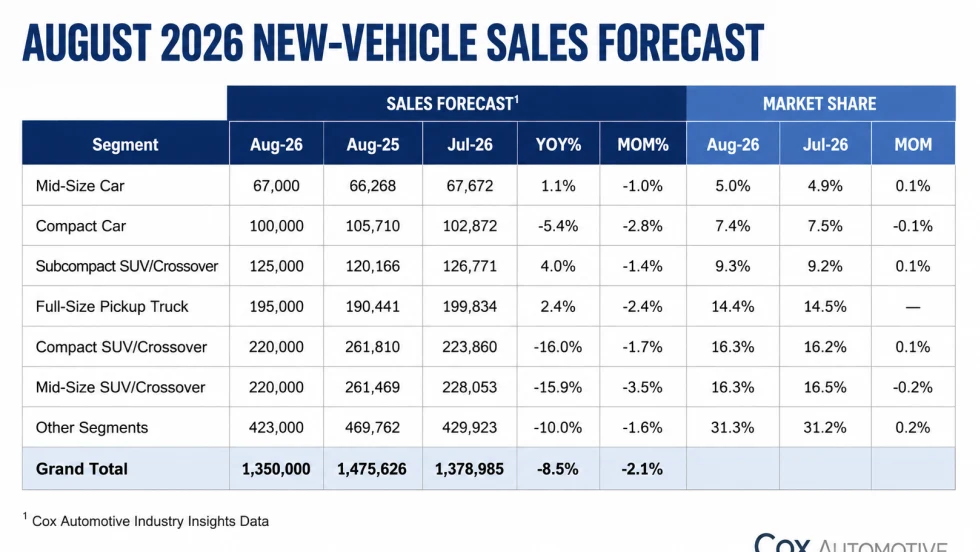
August New-Vehicle Sales Pace Forecast to Hold Above 16 Million
Despite an expected 8.5% year-over-year decline in August volume, Cox Automotive forecasts a 16.3 million SAAR, with full-size pickups outperforming several major crossover segments.
Read More →
Trade Strategy Now Starts Long Before Turn-In
The strongest trade values aren't built at turn-in. Discover how maintenance, lifecycle planning, and shared risk protect truck resale value.
Read More →
What Happens When Residual Values Meet Real-World Markets
A truck's trade value isn't determined on turn-in day. Learn how market cycles, maintenance, and timing shape the gap between residuals and reality.
Read More →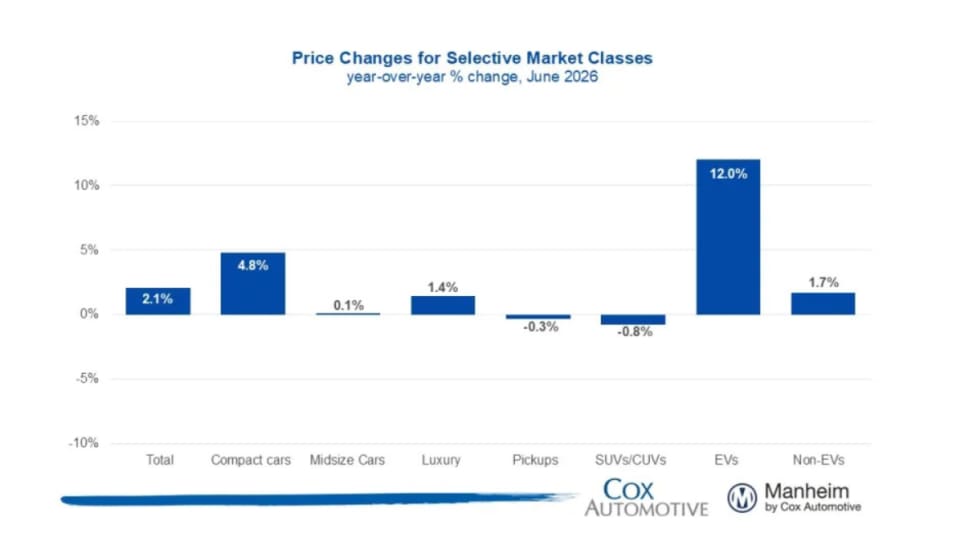
Manheim Index Shows Used-Vehicle Wholesale Prices Up 2.1% in June
The market is seeing stronger appreciation in older used vehicles this year, and the most affordable segments have been among the year’s best performers.
Read More →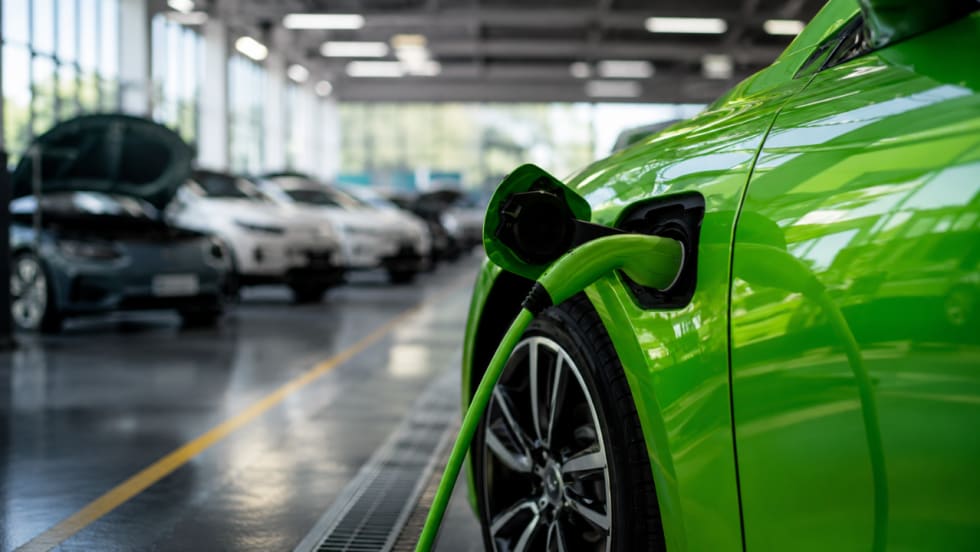
Stop Remarketing Electric Vehicles Like Gas Cars
The advantages and attributes of electric vehicles are upending the traditional remarketing cycle, requiring fleet sellers to rely on new factors and approaches detailed below.
Read More →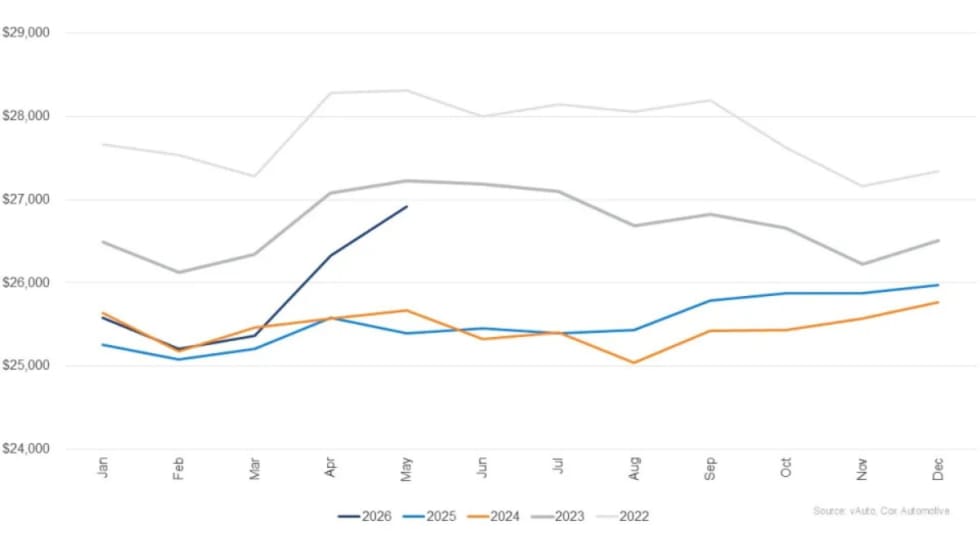
Used Vehicle Prices Climb Higher As Sales Pace Slows
The higher prices at used retail reflect strong wholesale values earlier in the spring, particularly for older, more affordable vehicles.
Read More →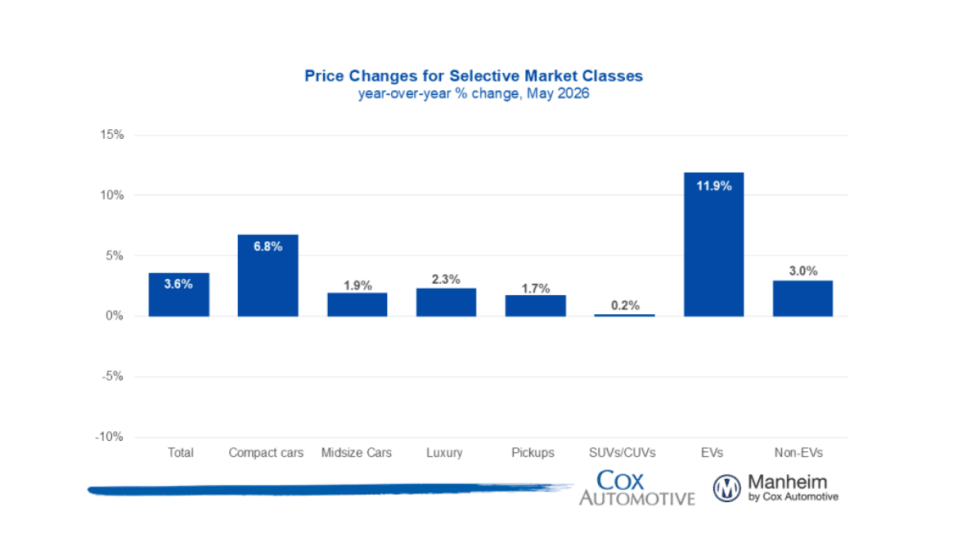
Wholesale Used Vehicle Market Sustains Moderate Rise In Values, Prices
Trends continue to normalize after a strong start to the year, as consumers contend with higher gas prices in the coming summer months.
Read More →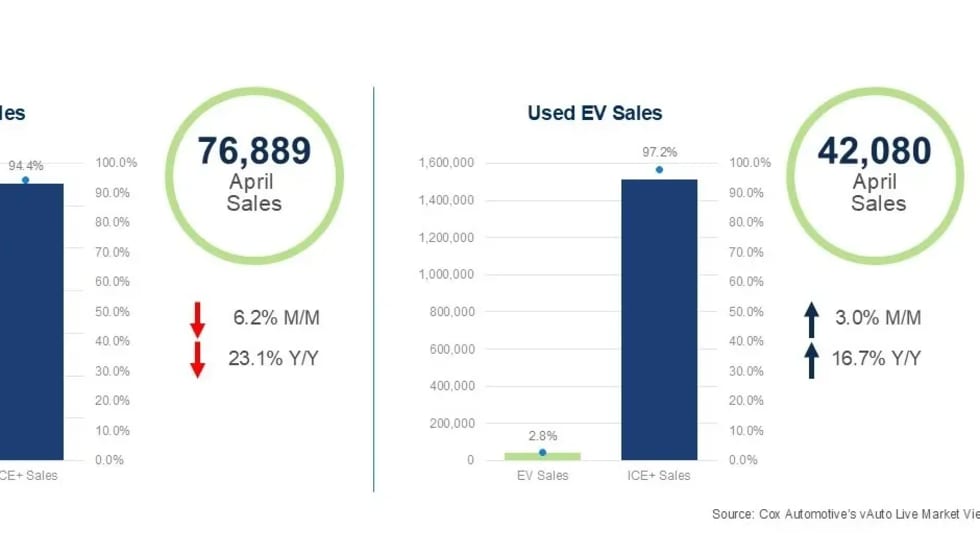
Used EV Sales Grow In April
While EV sales declined, used EV sales grew, as tighter inventory and rising prices reflected a more normalized pace for the EV market.
Read More →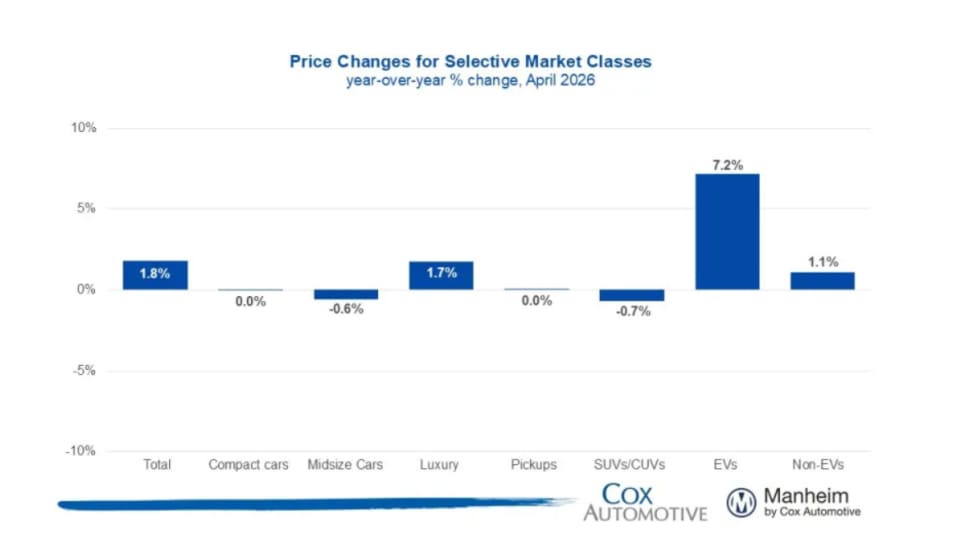
Wholesale Used Vehicle Prices Slightly Up In April
The Iranian conflict and rising gas prices inject much uncertainty into the future wholesale used vehicle markets, as higher gas prices soak up spendable income from vehicle buyers.
Read More →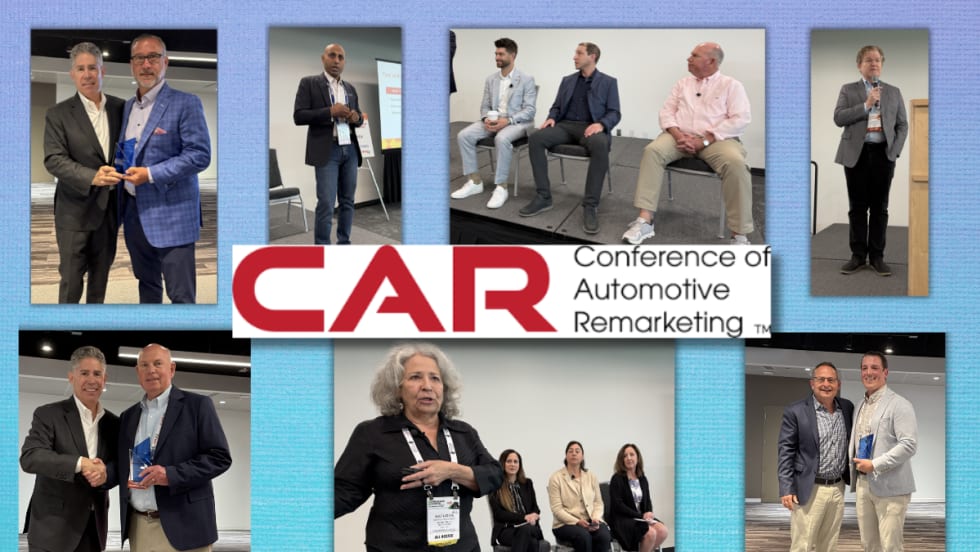
CAR 2026 Recap Part 2: Closing the Gap Between Data & Remarketing Value
The second half of CAR 2026 examined how fleets can translate lifecycle strategy, vehicle data, and market shifts into higher real-world results.
Read More →