




Related News:Tariffs Prompt Tighter EV Inventory
Tariffs Boost New Vehicle Prices in April
Ever since President Trump announced auto tariffs 47 days ago, the cost of new cars has been steadily climbing.
May 12, 2025
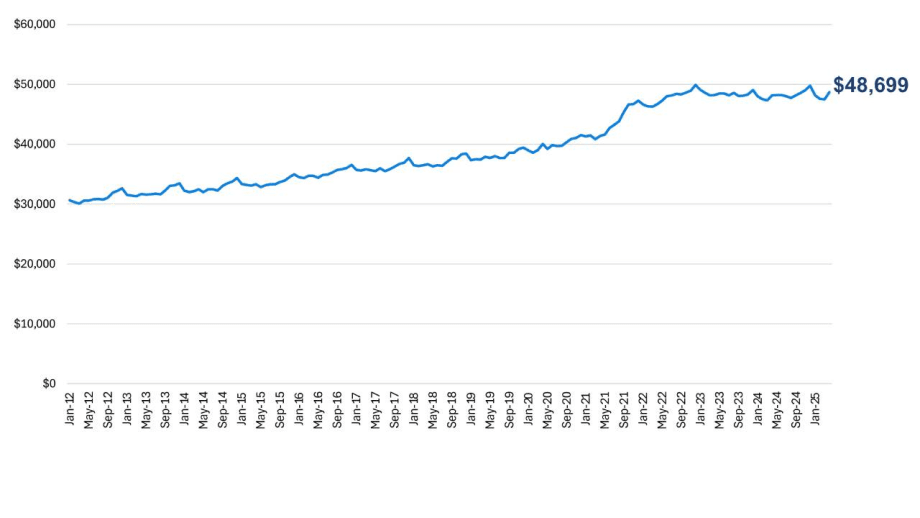
Since April 2023, as new-vehicle inventory recovered from the COVID-era shortage, new-vehicle prices have been mostly flat year over year.
Source: Cox Automotive
4 min to read
New-vehicle ATP increased in April to $48,699, a sharp 2.5% month-over-month bump, according to Kelley Blue Book report released May 12.
April typically delivers a monthly increase of 1.1%. In the past decade, only April 2020 produced a larger month-over-month increase, at 2.7%.
Other Key takeaways from the April report include:
New-vehicle prices in April were higher year over year by 1.1%, an increase below long-term averages but higher than in recent months. Over the long term, new-vehicle prices typically rise more than 3% year over year, according to Kelley Blue Book estimates. Since April 2023, however, as new-vehicle inventory recovered from the COVID-era shortage, new-vehicle prices have been mostly flat year over year.
The new-vehicle sales pace in April was 17.3 million. The sales pace was lower than March but the strongest April since 2021. Amid the buying frenzy, new-vehicle sales incentives fell to 6.7% of ATP, down from 7% in March and at the lowest point since the summer of 2024. Before April, the six-month average was 7.4% of ATP.
The Compact SUV segment, one of the most popular segments and highly exposed to new import tariffs, saw vehicle prices that were mostly flat monthly and year over year at $36,416. Incentives and discounts declined in April to 7.8% of ATP, down from 8.2% in March. Since April 2024, incentives in the Compact SUV segment have averaged 9.1% of ATP. Similarly, April transaction prices held mostly steady monthly in the subcompact SUV segment, but incentives also declined.
Among core volume brands, the results in April were mixed. Audi, Land Rover and Volvo saw higher ATPs and lower incentives than March. Three General Motors brands – Cadillac, Chevrolet and GMC – also posted higher ATPs, with little change to incentives. Buick saw lower prices and higher incentives in April. Acura and BMW also held prices lower and increased incentive spending compared to March.
Sales of Porsche and Land Rover models accelerated in April, as both brands face higher future costs since 100% of their respective vehicles are imported. ATPs for Porsche led the industry last month at above $114,000, with Land Rover just behind at $113,000. April was the best sales month in 2025 for both brands, pushing the overall industry ATP higher.
In April, Ford advertised heavily on a message of “holding prices steady” and celebrated its “built in America” leadership. Ford's brand prices and incentives in April mainly were unchanged compared to March, according to Kelley Blue Book data. One standout: The popular, Mexico-built Maverick pickup truck saw lower prices in April, and incentive spending increased to an all-time high of 6.6% of ATP. Sales were strong: A record 20,183 were sold in April.
“Ever since President Trump announced auto tariffs 47 days ago, the cost of new cars has steadily climbed," said Erin Keaing, an executive analyst with Cox Automotive, in a news release. "Although there was a surge in shopping and sales early on, the manufacturer’s suggested retail prices haven’t budged. The pricing landscape varies depending on the automaker, car segment, and specific models – some are cutting incentives, others are in high demand, and the supply isn’t evenly distributed across the board.”
Electric Vehicle Prices Reach Highest Point of Year in April, Incentive Decline Further
The Kelley Blue Book team initially estimates new EV prices in April to be $59,255, higher year over year by 3.7% and higher than March by 0.2%. The March EV ATP was revised lower to $59,132.
EV incentives declined for the second consecutive month in April, dropping to 11.6% of ATP. EV incentives peaked in November 2024 at 13.9% of ATP.
In May, market-leader Tesla sold more than 45,000 EVs, the brand’s best month of 2025, thanks mostly to sales of the freshened Model Y. Tesla’s average ATP increased month over month and year over year in April, reaching $56,120, although Cybertruck, at one point the best-selling product transacting over $100,000, had an ATP of $89,247. Sales of Cybertruck fell below 2,000 units for the first time in a year.
New EV sales were lower month over month by nearly 6%, according to initial estimates from Kelley Blue Book. Year-to-date EV sales in 2025 are higher by 5.4%.
Originally posted on Automotive Fleet
More Operations

CAS Automotive Launches Remarketing Service for Damaged, Surplus Equipment
Damaged Equipment expands CAS Automotive’s vehicle remarketing model to commercial equipment, targeting fleet operators, insurers, equipment dealers, and rental companies.
Read More →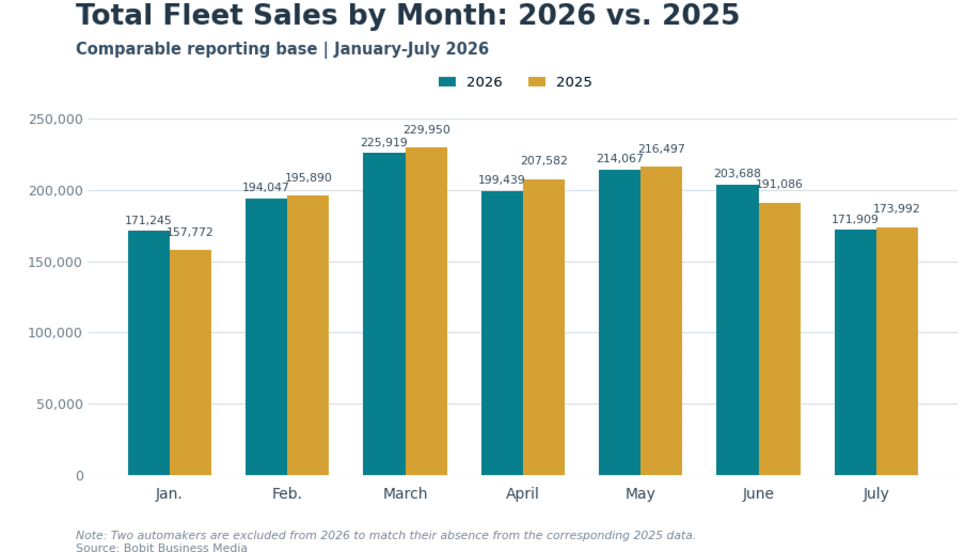
Fleet Sales Hold Steady as Commercial Gains Offset Rental Decline
Commercial and government fleet sales increased through July 2026, offsetting most of the decline in rental volume and leaving combined comparable fleet sales 0.5% above the same period last year.
Read More →
Personnel Update: BrickHouse GPS, PRO-VISION, Auto Driveaway, and Proaction
Check out the latest must-know fleet personnel updates from the last couple of months.
Read More →
What Comes Next for Auto Driveaway?
A new Auto Driveaway feature called Arrive provides recipients with live location updates and ETAs during the final hour of a vehicle move, while fleet customers continue to have end-to-end shipment visibility through the company's customer portal.
Read More →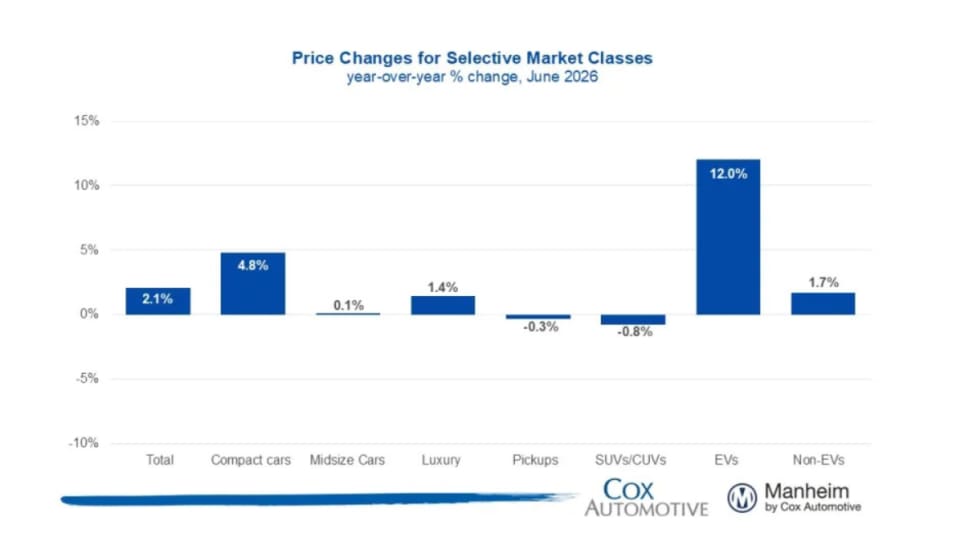
Manheim Index Shows Used-Vehicle Wholesale Prices Up 2.1% in June
The market is seeing stronger appreciation in older used vehicles this year, and the most affordable segments have been among the year’s best performers.
Read More →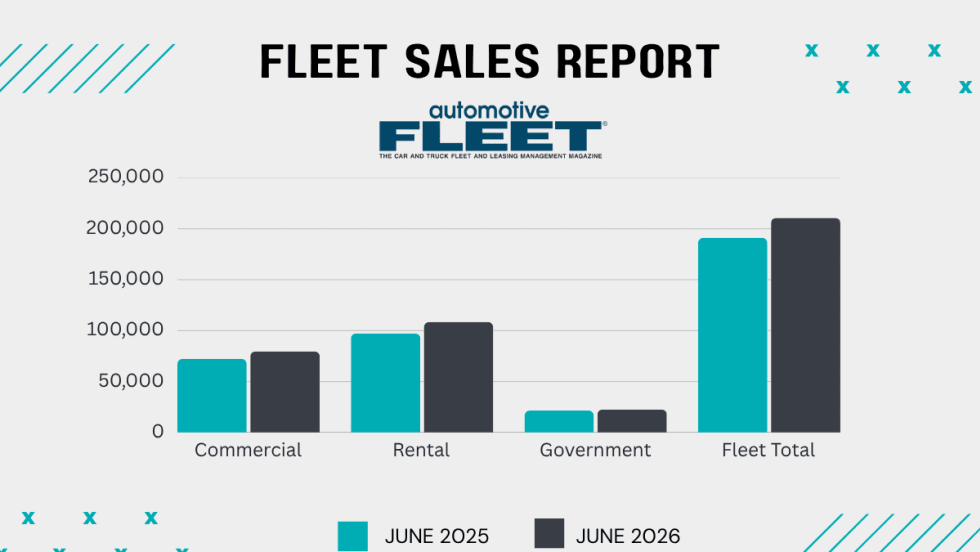
Commercial Fleet Sales Contribute To June, YTD Gains
The fleet sector has boosted its vehicle purchases at a reliable pace in the first half of this year compared with 1H 2025.
Read More →
Stop Remarketing Electric Vehicles Like Gas Cars
The advantages and attributes of electric vehicles are upending the traditional remarketing cycle, requiring fleet sellers to rely on new factors and approaches detailed below.
Read More →
AP Fleet Management Expands Remarketing Program for Commercial Work Trucks
AP Fleet Management expanded its commercial vehicle remarketing program with dedicated resale services and an online marketplace for used work trucks.
Read More →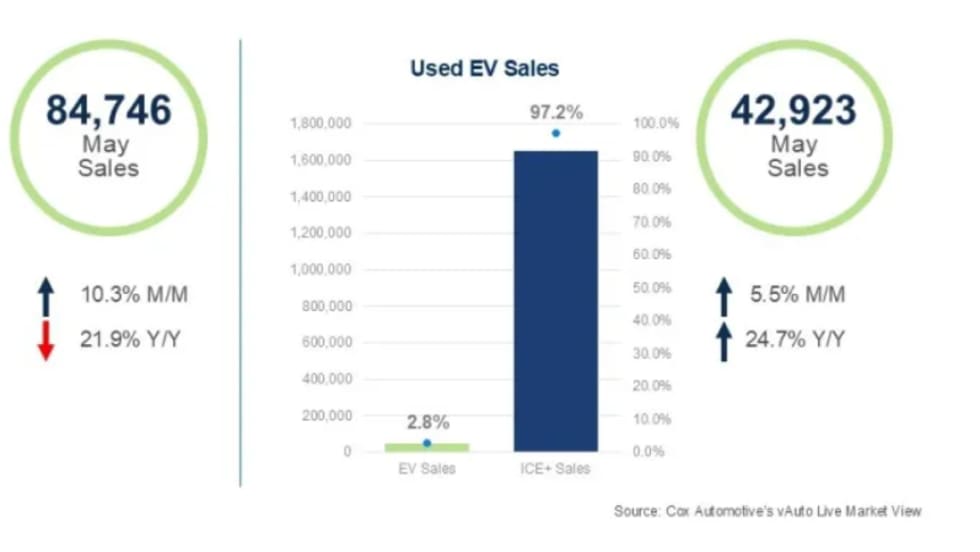
Used EVs Strengthen Overall Electric Vehicle Market
The latest sales data point to several reasons for the divergent trends in new and used EVs that can factor into fleet cycling decisions.
Read More →
The Data-Driven Haul: 5 Ways AI is Leveling the Playing Field in Auto Transport
Large and small transport fleets are becoming more competitive as predictive analytics and real-time data inform the logistics decision chain.
Read More →