


NIADA Opposes NYC Open Recall Proposal
Shaun Petersen, regulatory counsel for the National Independent Automobile Dealers Association (NIADA), told a committee of the New York City Council that the City's proposed ban on the sale of used cars with unrepaired recalls needs a little repair work itself.

PETERSEN
Shaun Petersen, regulatory counsel for the National Independent Automobile Dealers Association (NIADA), told a committee of the New York City Council that the City's proposed ban on the sale of used cars with unrepaired recalls needs a little repair work itself.
The City's proposal would make it illegal to sell a used vehicle with an open recall and would require used-car dealers not only to fix recalled vehicles before selling them, but also fix recalled vehicles they've already sold, but were not repaired.
NIADA was invited to testify at an October 28 hearing held by the council's Committee on Consumer Affairs in New York, where Petersen, representing the Association, said the proposed law requires further study regarding its ramifications to both consumers and businesses before any action is taken.

PETERSEN
Petersen, a partner in the Ohio law firm of Mac Murray, Petersen & Shuster LLP and a former Ohio deputy attorney general, raised several issues with the proposal and its effect on independent used vehicle dealers. Among them:
Independent dealers have no control over the recall process and are not allowed to make recall repairs. Federal law requires manufacturers to repair recalled vehicles at no charge to the owner, and the manufacturers only allow their franchised dealer network – which does not include independent dealers – to make the repairs. In fact, when it comes to the recall process, independent dealers are in the same position as consumers. Like any other vehicle owner, they must be notified of a recall by the manufacturer and must have it repaired by a franchised dealer.
Not all recalls are safety recalls. Vehicles have been recalled for a misprint in the owner's manual or flaking paint. There is no reason to prevent the sale of a vehicle because of recalls that have no impact on the vehicle's safety or operation.
Many recalled vehicles do not have a fix readily available. It often takes a significant amount of time for manufacturers to determine the appropriate fix, and even longer to provide the technical specifications and parts for the vehicle to be repaired. Some recalls cannot be repaired for months. In some instances it has taken more than a year for a fix to become available. And often, manufacturers and NHTSA will publicly state that grounding a vehicle pending a repair is not necessary. That occurred recently with the GM recall over faulty ignition switches, which affected millions of vehicles.
For these and other reasons, NIADA cannot support New York City's proposed legislation.
That said, NIADA and its member dealers place a high priority on consumer safety and making sure the vehicles on America's highways are safe and dependable. As a best practice, NIADA encourages its dealers to only make representations about vehicles they know to be accurate, whether regarding the recall status of a vehicle, the vehicle's condition or anything else.
In addition, as a matter of best practice, not legislative directive, NIADA encourages all independent dealers to take additional steps necessary to identify vehicles in their inventory that have open recalls and have those vehicles fixed, when fixes are available, before making them available for sale.
RELATED CONTENT:
More Operations
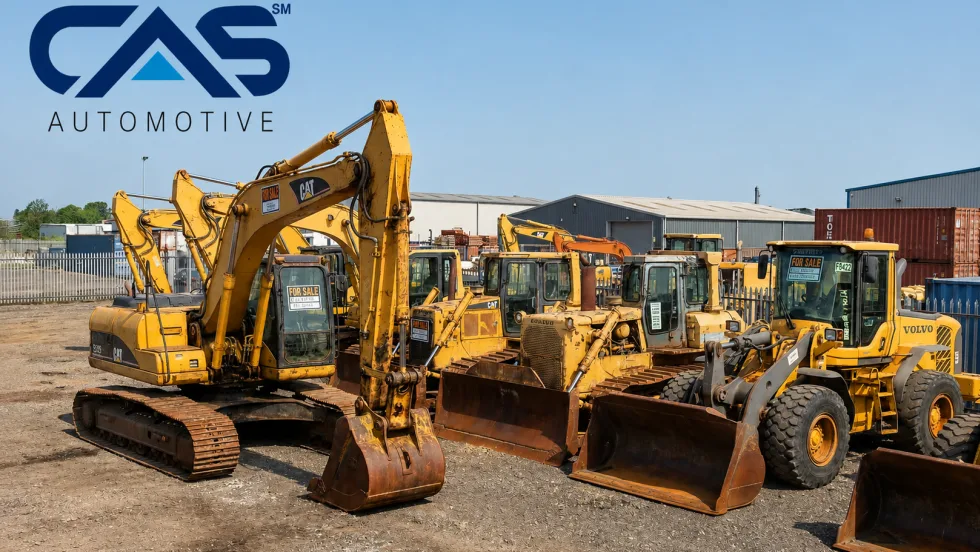
CAS Automotive Launches Remarketing Service for Damaged, Surplus Equipment
Damaged Equipment expands CAS Automotive’s vehicle remarketing model to commercial equipment, targeting fleet operators, insurers, equipment dealers, and rental companies.
Read More →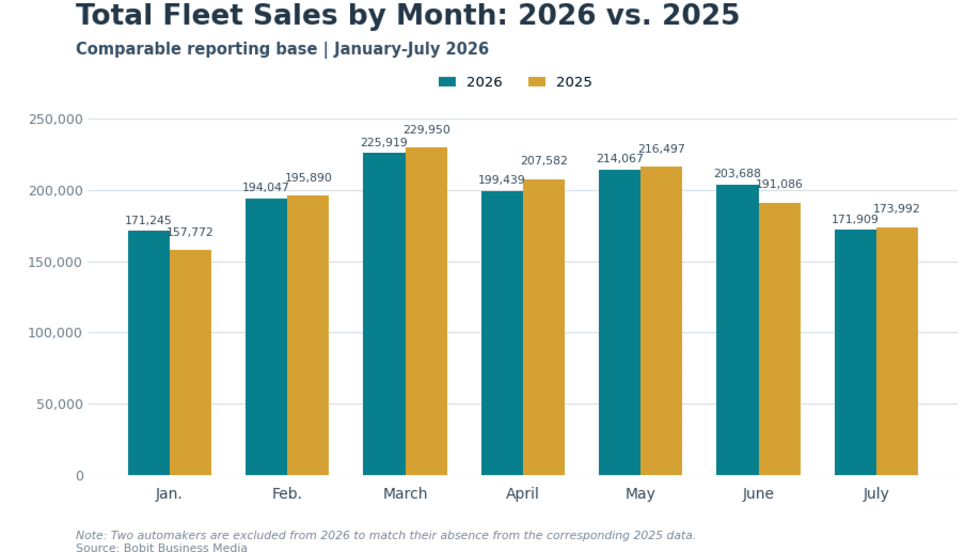
Fleet Sales Hold Steady as Commercial Gains Offset Rental Decline
Commercial and government fleet sales increased through July 2026, offsetting most of the decline in rental volume and leaving combined comparable fleet sales 0.5% above the same period last year.
Read More →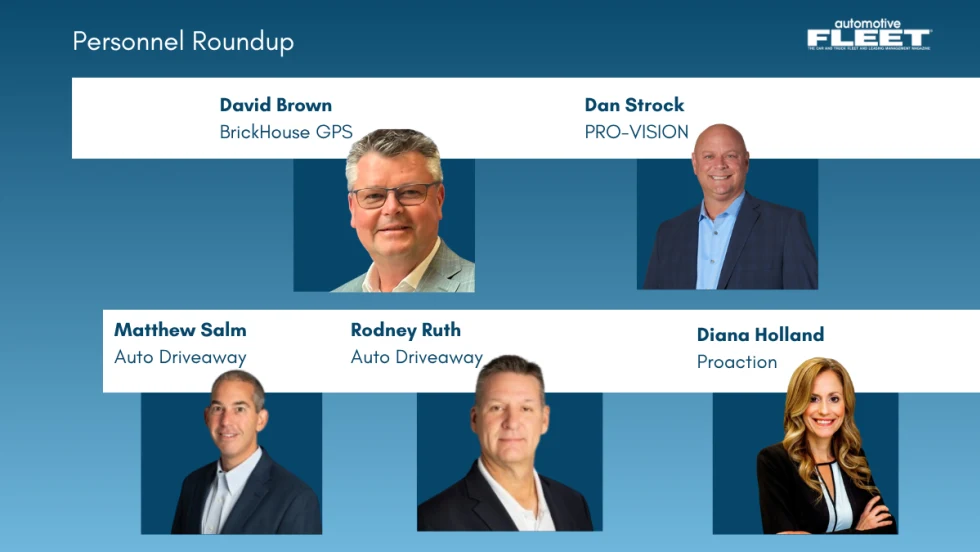
Personnel Update: BrickHouse GPS, PRO-VISION, Auto Driveaway, and Proaction
Check out the latest must-know fleet personnel updates from the last couple of months.
Read More →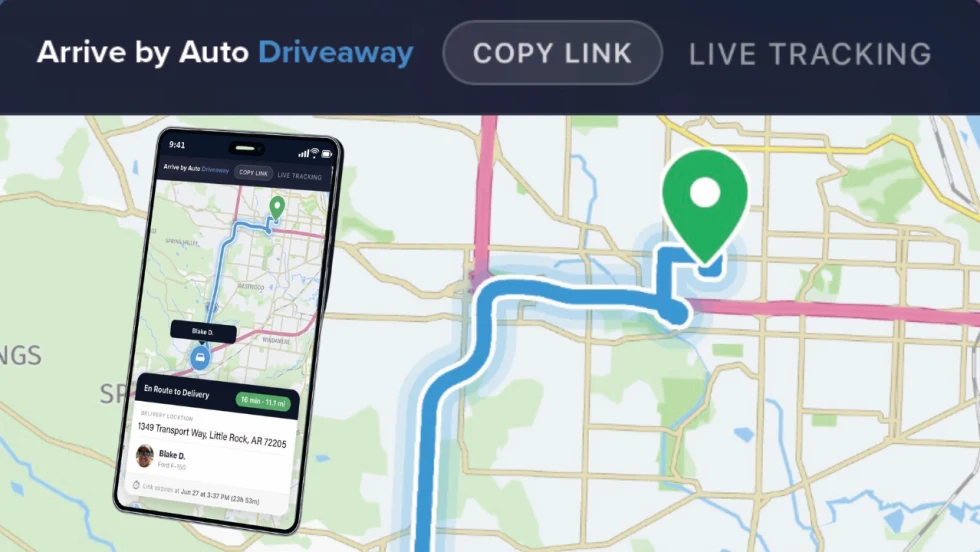
What Comes Next for Auto Driveaway?
A new Auto Driveaway feature called Arrive provides recipients with live location updates and ETAs during the final hour of a vehicle move, while fleet customers continue to have end-to-end shipment visibility through the company's customer portal.
Read More →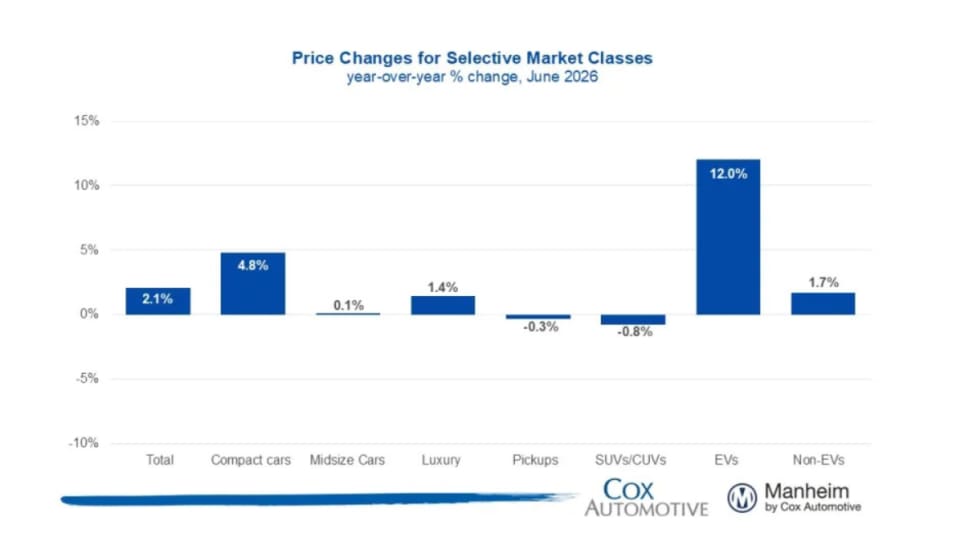
Manheim Index Shows Used-Vehicle Wholesale Prices Up 2.1% in June
The market is seeing stronger appreciation in older used vehicles this year, and the most affordable segments have been among the year’s best performers.
Read More →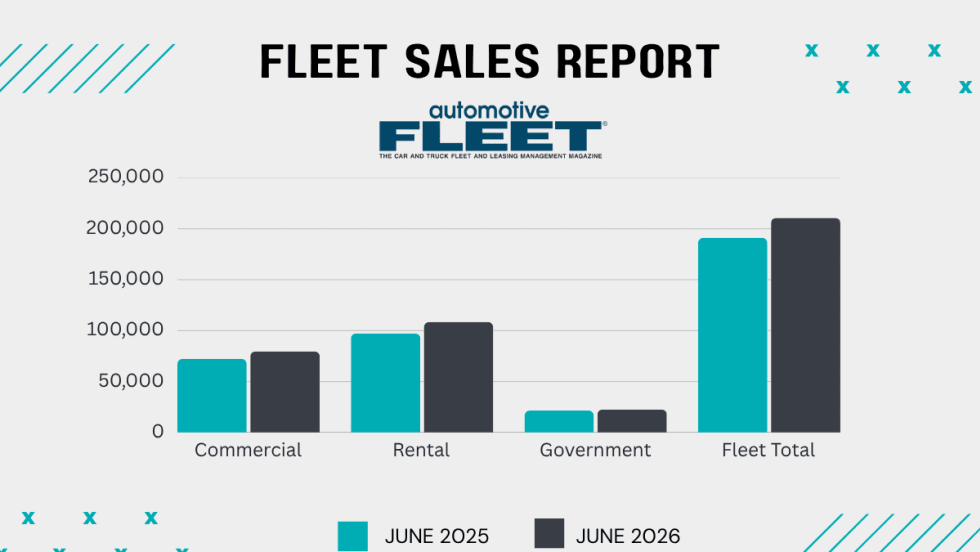
Commercial Fleet Sales Contribute To June, YTD Gains
The fleet sector has boosted its vehicle purchases at a reliable pace in the first half of this year compared with 1H 2025.
Read More →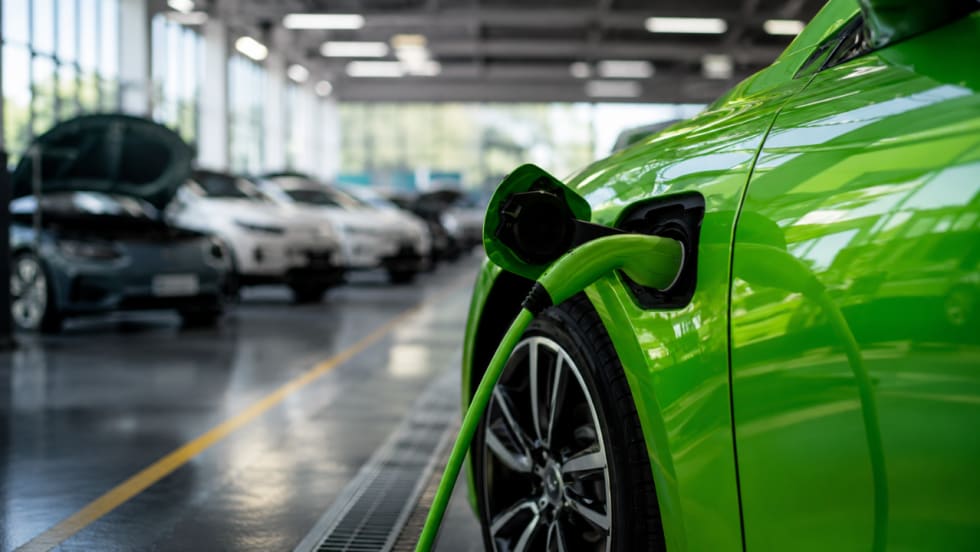
Stop Remarketing Electric Vehicles Like Gas Cars
The advantages and attributes of electric vehicles are upending the traditional remarketing cycle, requiring fleet sellers to rely on new factors and approaches detailed below.
Read More →
AP Fleet Management Expands Remarketing Program for Commercial Work Trucks
AP Fleet Management expanded its commercial vehicle remarketing program with dedicated resale services and an online marketplace for used work trucks.
Read More →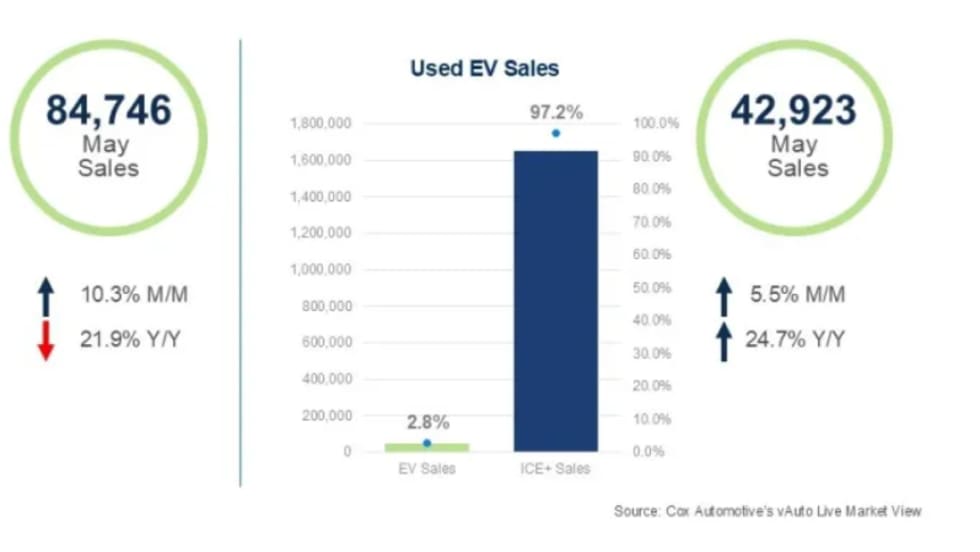
Used EVs Strengthen Overall Electric Vehicle Market
The latest sales data point to several reasons for the divergent trends in new and used EVs that can factor into fleet cycling decisions.
Read More →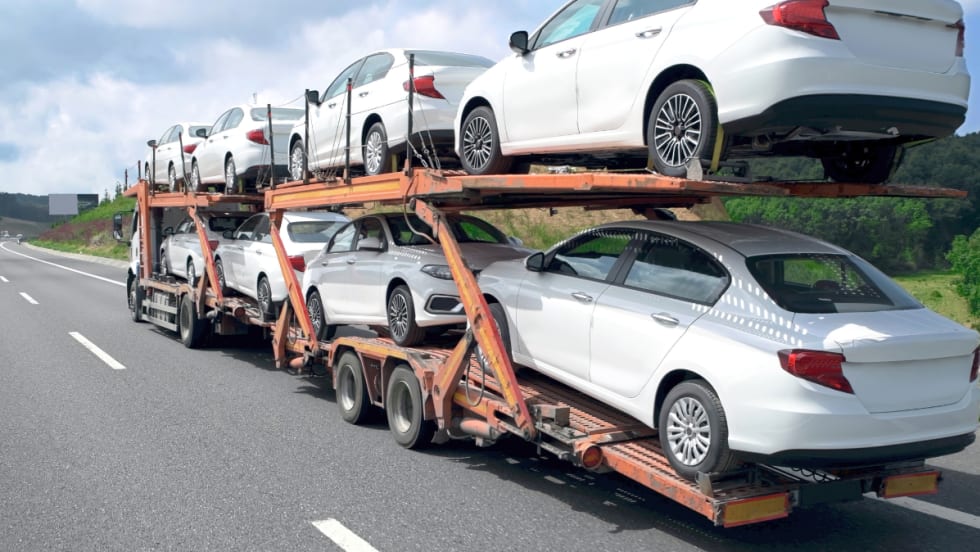
The Data-Driven Haul: 5 Ways AI is Leveling the Playing Field in Auto Transport
Large and small transport fleets are becoming more competitive as predictive analytics and real-time data inform the logistics decision chain.
Read More →