



Carvana Takes Steps to File for IPO
Carvana, an online used-car retailer that’s best known for its “car vending machine,” has filed a registration statement with the U.S. Securities and Exchange Commission (SEC), paving the way for an initial public offering (IPO).

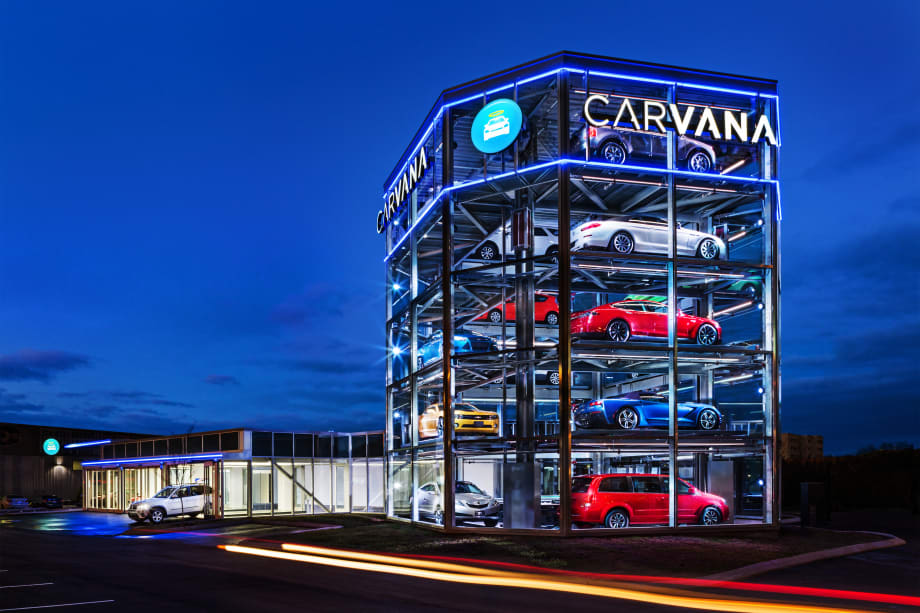
Courtesy of Carvana.
Courtesy of Carvana.
Carvana, an online used-car retailer that’s best known for its “car vending machine,” has filed a registration statement with the U.S. Securities and Exchange Commission (SEC), which paves the way for an initial public offering (IPO).
In its March 31 filing to the SEC, the number of shares the company will offer and how much each share will be worth is still unknown. The company intends to list its Class A common stock under the symbol “CVNA” on the New York Stock Exchange.
Carvana’s move toward an IPO comes nearly five years after the company first began in 2012. In that time, competing brands such as Beepi and Shift have emerged. Shift continues to operate in California and Washington, D.C. Meanwhile, Beepi shut down operations outside of California last year, and has now seemingly shut down operations entirely, according to TechCrunch.
While Carvana has survived, it has done so while never turning a profit. And, according to its SEC filing, that may be the case going forward.
“We have a history of losses and we may not achieve or maintain profitability in the future,” the company stated in its registration statement. “We have not been profitable since our inception in 2012 and had an accumulated loss of approximately $152.6 million as of December 31, 2016.”
While the company has seen healthy growth in revenue since its first year in operation — growing 816% year-over-year in 2014, 213% in 2015 and 180% in 2016 — that has never translated into profit. In 2014 the company saw a net loss of approximately $15 million. In 2015, that net loss amounted to approximately $37 million, and in 2016, its net loss totaled $93 million.
And, while the company listed a bevy of risk factors associated with its IPO, one risk factor that may come into play in the next few years is the effect that the rising new and used car prices can have on its business.
“Any significant changes in retail prices for new or used vehicles could have a material adverse effect on our revenues and results of operations,” the company stated in its registration statement. … “Manufacturer incentives could contribute to narrowing the price gap between new and used vehicles. Used vehicle prices may also decline due to an increased number of new vehicle lease returns over the next several years.”
Anil Goyal, Black Book’s senior vice president of automotive valuation and analytics, recently spoke with Vehicle Remarketing about this very matter. He noted that as federal interest rates rise, used cars will be the hardest hit segment. New cars, he added, will be able to offset rising interest rates through the use of manufacturer incentives. Used cars, however, will not have those same incentives available.
This has the potential to lead car buyers wanting to get the best value for their money to forego the used-vehicle option, as used vehicles will have the higher interest rates attached to them, whereas new vehicles won’t, Goyal said.
Further information about the company’s IPO will be shared when its registration statement filed with the SEC is effective, according to Carvana’s registration statement.
More Operations
FLD Promotes Three Executives in Leadership Changes
FLD has promoted three longtime executives, naming Gary Mott CEO, Richard Mallek president, and Ron Sanders managing partner.
Read More →
CAS Automotive Launches Remarketing Service for Damaged, Surplus Equipment
Damaged Equipment expands CAS Automotive’s vehicle remarketing model to commercial equipment, targeting fleet operators, insurers, equipment dealers, and rental companies.
Read More →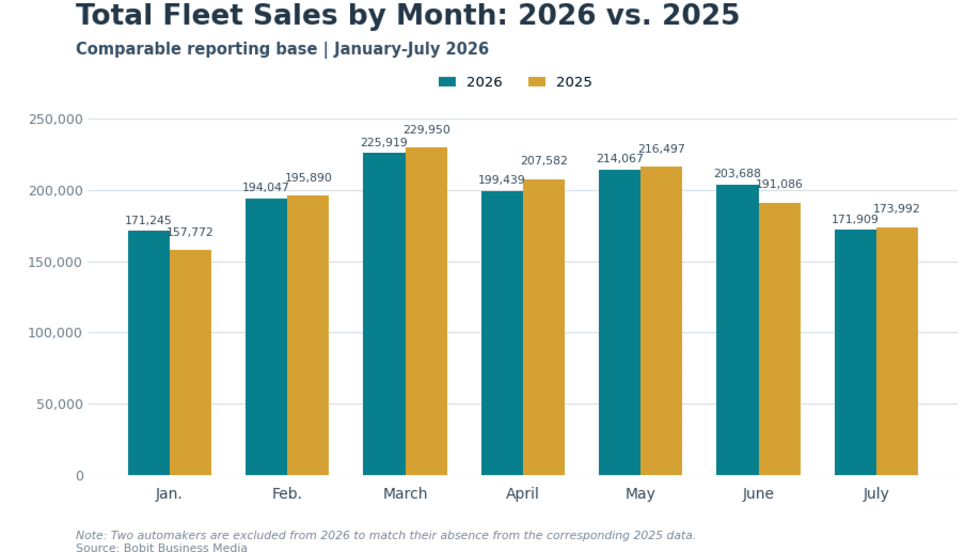
Fleet Sales Hold Steady as Commercial Gains Offset Rental Decline
Commercial and government fleet sales increased through July 2026, offsetting most of the decline in rental volume and leaving combined comparable fleet sales 0.5% above the same period last year.
Read More →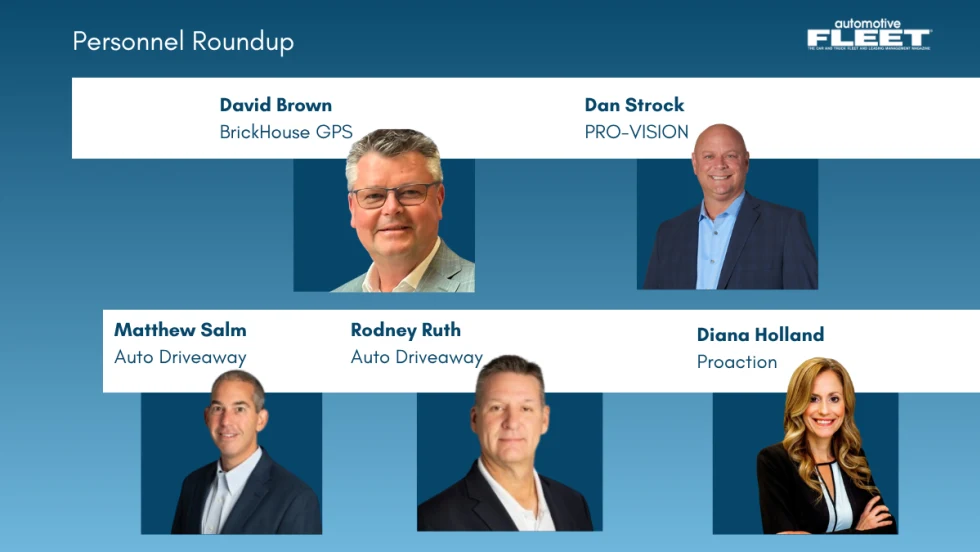
Personnel Update: BrickHouse GPS, PRO-VISION, Auto Driveaway, and Proaction
Check out the latest must-know fleet personnel updates from the last couple of months.
Read More →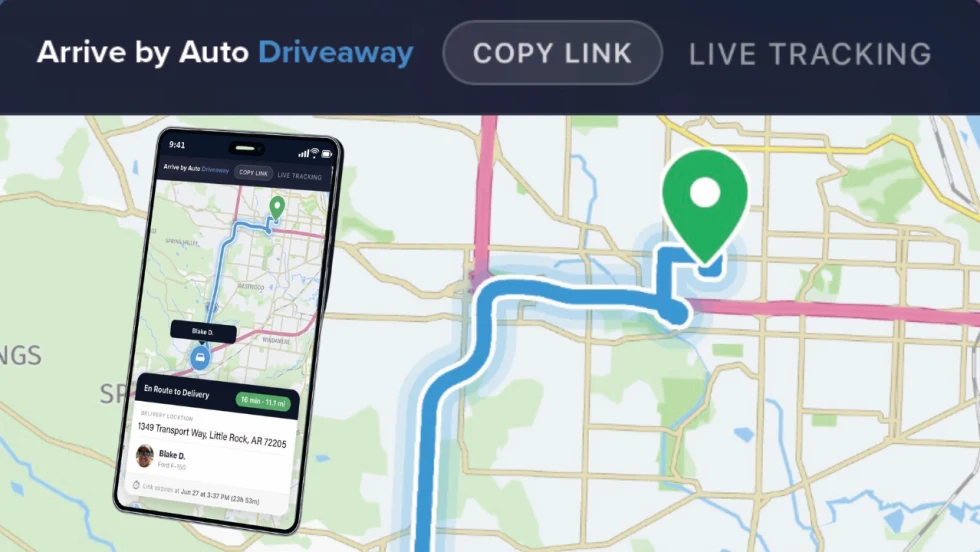
What Comes Next for Auto Driveaway?
A new Auto Driveaway feature called Arrive provides recipients with live location updates and ETAs during the final hour of a vehicle move, while fleet customers continue to have end-to-end shipment visibility through the company's customer portal.
Read More →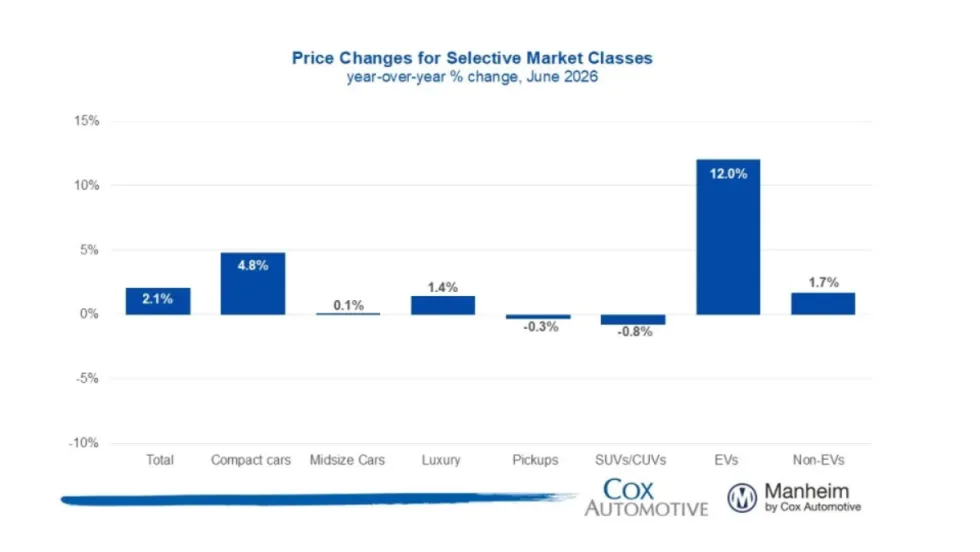
Manheim Index Shows Used-Vehicle Wholesale Prices Up 2.1% in June
The market is seeing stronger appreciation in older used vehicles this year, and the most affordable segments have been among the year’s best performers.
Read More →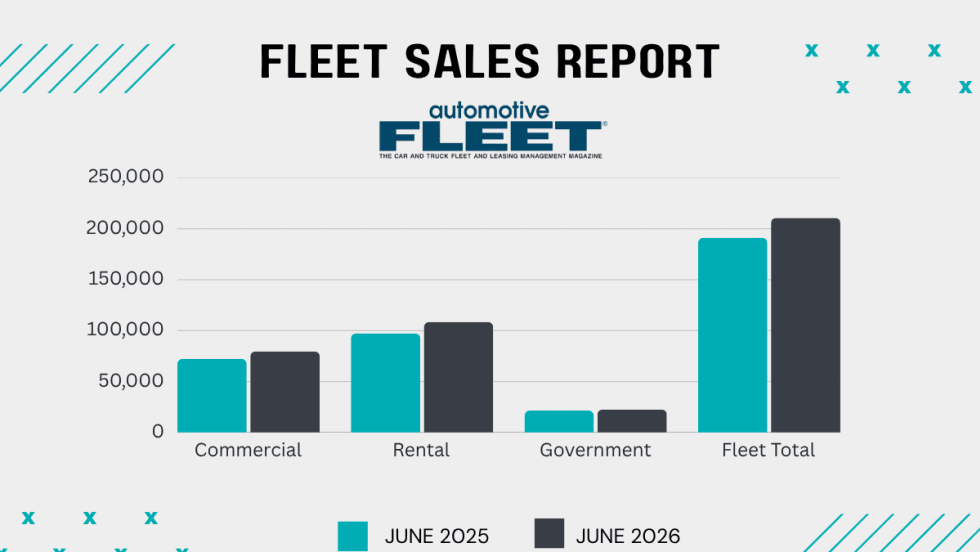
Commercial Fleet Sales Contribute To June, YTD Gains
The fleet sector has boosted its vehicle purchases at a reliable pace in the first half of this year compared with 1H 2025.
Read More →
Stop Remarketing Electric Vehicles Like Gas Cars
The advantages and attributes of electric vehicles are upending the traditional remarketing cycle, requiring fleet sellers to rely on new factors and approaches detailed below.
Read More →
AP Fleet Management Expands Remarketing Program for Commercial Work Trucks
AP Fleet Management expanded its commercial vehicle remarketing program with dedicated resale services and an online marketplace for used work trucks.
Read More →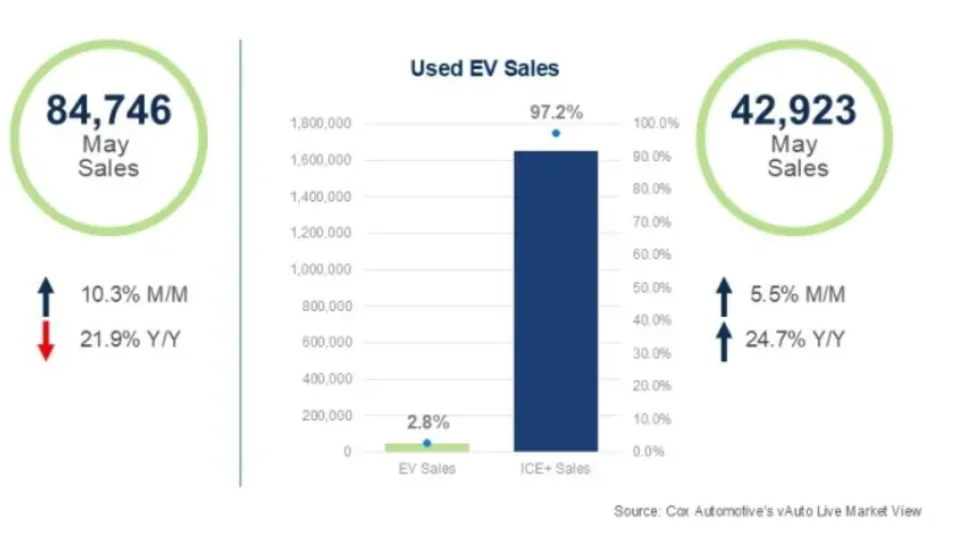
Used EVs Strengthen Overall Electric Vehicle Market
The latest sales data point to several reasons for the divergent trends in new and used EVs that can factor into fleet cycling decisions.
Read More →