




Related: New-Vehicle Sales Expected to See Small Gains in March
Rising Interest Rates Pose Little Short-Term Risk
Rising interest rates will have a minimal effect on the used car market today. However, the used-car market is poised to suffer, in the longer term, as federal interest rates continue to rise, one expert said.
April 3, 2017
Photo via Wikimedia.
3 min to read
Photo via Wikimedia.
As a sign that the U.S. economy is on the right path, the Federal Reserve recently raised the Fed Funds Rate a quarter of a percentage point to a range between 0.75% and 1% — marking the third time it has done so since the Great Recession.
The effects that the hike of this benchmark interest rate on the used-car market will be minimal and indirect in the short term, according to Anil Goyal, Black Book’s senior vice president of automotive valuation and analytics.
However, on a longer-term basis, as the interest rate continues to climb and approaches pre-recession levels, a rising interest rate should have a more pronounced impact on the used car market.
On a $25,000 used car loan over five years, the 0.25% increase from the most recent federal interest benchmark rate will translate to a $3 monthly payment increase, Goyal said. Two more interest rate hikes are expected in 2017, and even if they went through, that would only amount to a 0.50% increase to the current benchmark rate, resulting in similarly nominal monthly payment increases.
The new-car segment will be able to offset rising interest rates with incentives, according to Goyal. Even as interest rates rise, OEMs wanting to stimulate car sales will simply absorb the rising interest rates and continue to offer zero percentage financing on new cars. Used cars, however, will not have access to those same incentives.
This may lead car buyers who want to get the best value for their money to forego the used option, as used vehicles will have the higher interest rates attached to them, whereas new vehicles won’t, Goyal said.
“This makes the used-vehicle payment worse off as the used-vehicle market doesn’t have zero percentage offers, leading to larger drops in the used market,” Goyal told Vehicle Remarketing. “As incentives on new vehicles remain persistent and/or rise, the used vehicle market will have a more negative impact.”
In recent years, small cars have depreciated at a faster rate than their truck counterparts. However, as credit becomes more expensive, the used car market is expected to shift away from bigger vehicles and back to smaller cars as used-car buyers seek to get the best value for their dollar, according to Goyal.
The two previous interest rate hikes occurred in December 2015 and December 2016. In December 2015, the Federal Reserve raised the federal interest benchmark rate from a range between zero percent and 0.25% to a range between 0.25% and 0.50%. The following year in December 2016, the federal interest benchmark rate was raised to a range between 0.50% and 0.75%.
Looking ahead, Goyal expects Black Book’s Used Vehicle Retention Index, an index used to measure the strength of used wholesale market values, to decline by over 15% in the next two to three years.
More Operations

CAS Automotive Launches Remarketing Service for Damaged, Surplus Equipment
Damaged Equipment expands CAS Automotive’s vehicle remarketing model to commercial equipment, targeting fleet operators, insurers, equipment dealers, and rental companies.
Read More →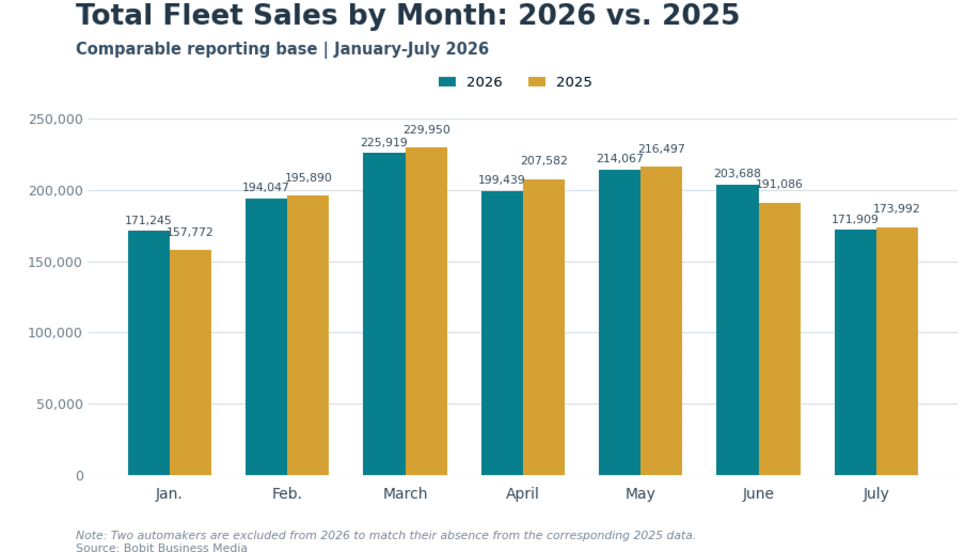
Fleet Sales Hold Steady as Commercial Gains Offset Rental Decline
Commercial and government fleet sales increased through July 2026, offsetting most of the decline in rental volume and leaving combined comparable fleet sales 0.5% above the same period last year.
Read More →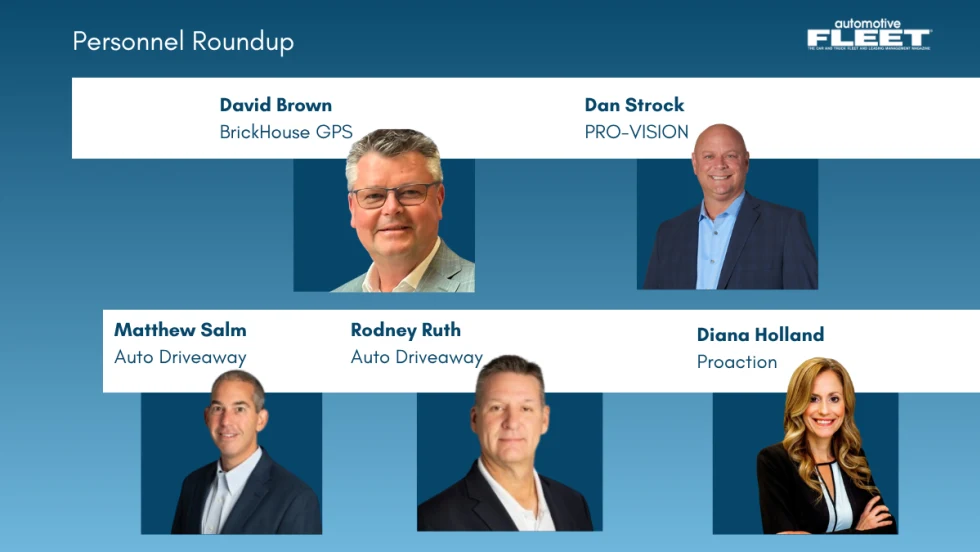
Personnel Update: BrickHouse GPS, PRO-VISION, Auto Driveaway, and Proaction
Check out the latest must-know fleet personnel updates from the last couple of months.
Read More →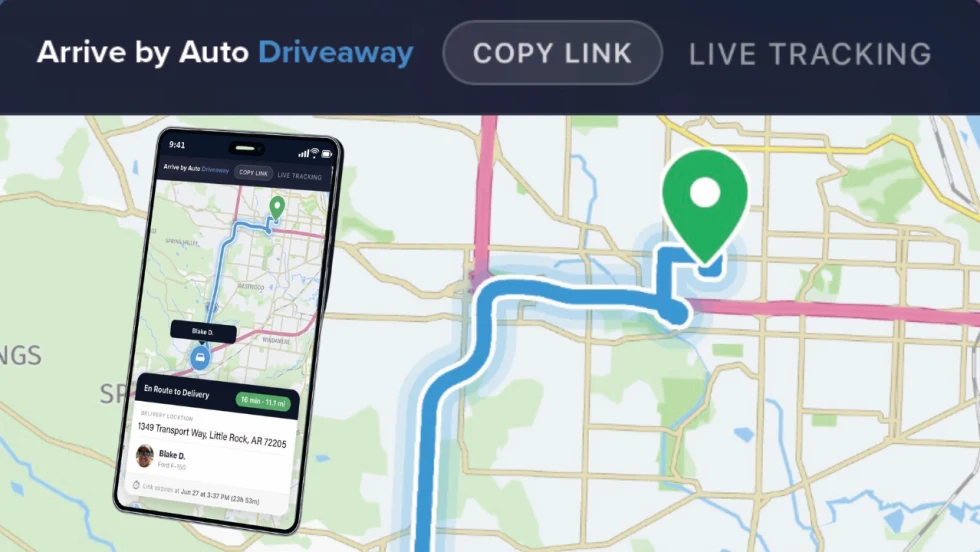
What Comes Next for Auto Driveaway?
A new Auto Driveaway feature called Arrive provides recipients with live location updates and ETAs during the final hour of a vehicle move, while fleet customers continue to have end-to-end shipment visibility through the company's customer portal.
Read More →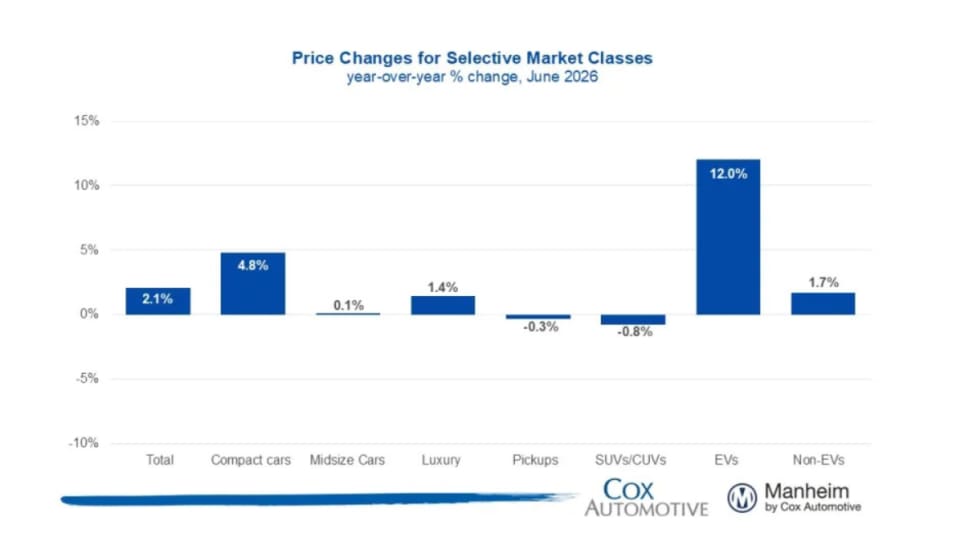
Manheim Index Shows Used-Vehicle Wholesale Prices Up 2.1% in June
The market is seeing stronger appreciation in older used vehicles this year, and the most affordable segments have been among the year’s best performers.
Read More →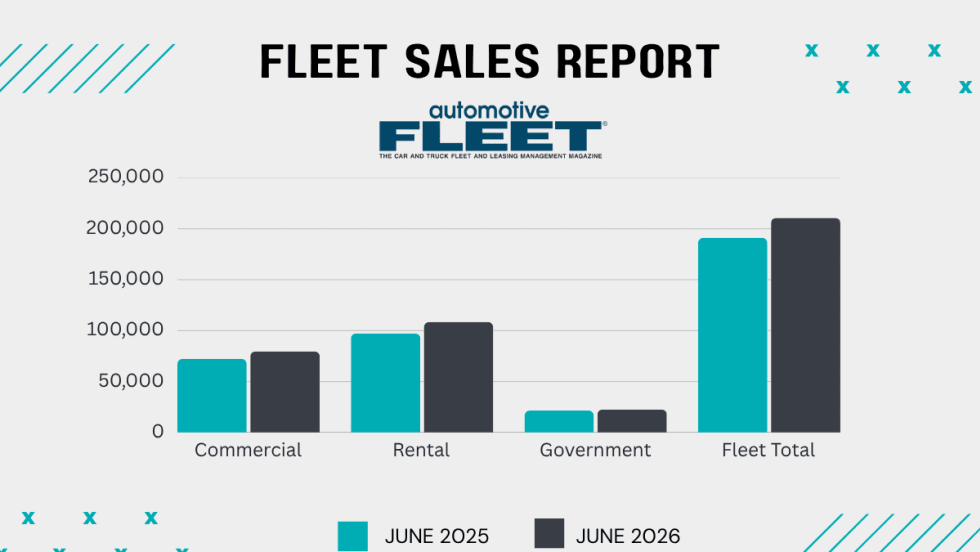
Commercial Fleet Sales Contribute To June, YTD Gains
The fleet sector has boosted its vehicle purchases at a reliable pace in the first half of this year compared with 1H 2025.
Read More →
Stop Remarketing Electric Vehicles Like Gas Cars
The advantages and attributes of electric vehicles are upending the traditional remarketing cycle, requiring fleet sellers to rely on new factors and approaches detailed below.
Read More →
AP Fleet Management Expands Remarketing Program for Commercial Work Trucks
AP Fleet Management expanded its commercial vehicle remarketing program with dedicated resale services and an online marketplace for used work trucks.
Read More →
Used EVs Strengthen Overall Electric Vehicle Market
The latest sales data point to several reasons for the divergent trends in new and used EVs that can factor into fleet cycling decisions.
Read More →
The Data-Driven Haul: 5 Ways AI is Leveling the Playing Field in Auto Transport
Large and small transport fleets are becoming more competitive as predictive analytics and real-time data inform the logistics decision chain.
Read More →