



Remarketing in 2018: Minimal Depreciation & Stable Prices
A steady supply, thriving shipping market, and increased demand helped stabilize wholesale values going into 2019.

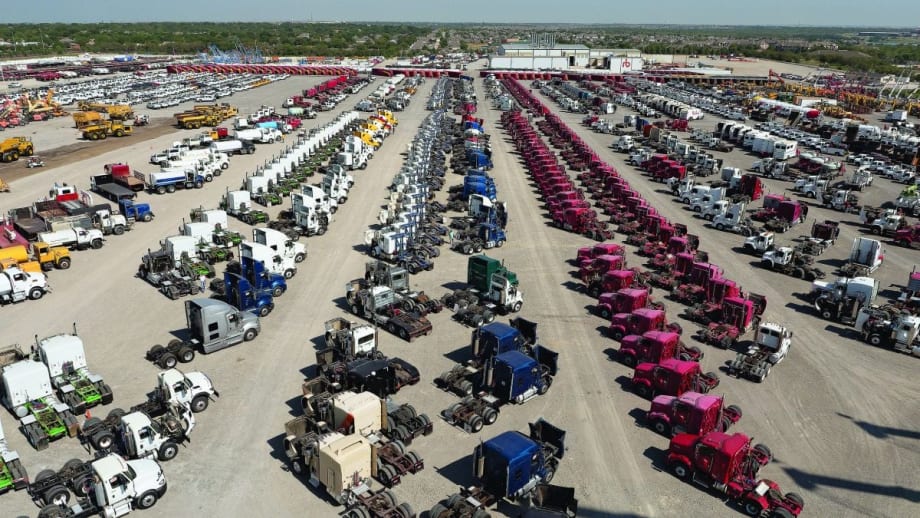
Right now, cycling strategies will be shortened for both driver retention and improved economy of operation.
Photo courtesy of Ritchie Bros Auctions
The 2018 calendar-year was remarkable for remarketing across all spectrums.
“Overall, we witnessed minimal price depreciation with an increased supply of used inventory for commercial trucks and vans. It’s a very exciting time to be a part of the commercial truck industry,” said Josh Giles, principal automotive analyst for Black Book.
OEMs continue to update their equipment with new technology and equipment to improve efficiency and offer solutions for their customers in every commercial class.
“New commercial truck sales for some segments are expected to increase for 2019. This increase will likely have a negative impact on wholesale prices; however, increasing demand for delivery and construction units should help reduce any increase in depreciation due to the increased supply of medium- and heavy-duty units,” Giles said.
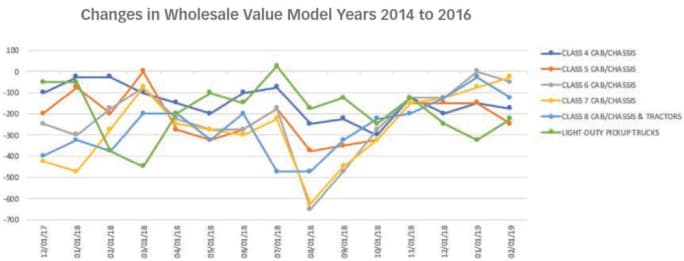
CHART 1: All truck classes model-year 2014-2016 have leveled out after a tumultous 2018.
Source: Black Book
Shown in chart 1, some key wholesale value trends for model-year 2014 to 2016 Class 1-8 trucks include:
Class 1-3 light-duty pickup trucks depreciated an average of $185 per month in 2018.
Class 4 cab/chassis units depreciated an average of $148 per month in 2018.
Class 5 cab/chassis units depreciated an average of $223 per month in 2018.
Class 6 cab/chassis units depreciated an average of $263 per month in 2018.
Class 7 cab/chassis units depreciated an average of $296 per month in 2018.
Class 8 cab/chassis truck and tractors depreciated an average of $288 per month in 2018.
Looking at older trucks leaving service, model-years 2008-2015, the depreciation slow-down started in Q1 of 2018.
“Except for a somewhat noticeable slide in the late summer of 2018, used heavy-duty trucks have done very well to date,” said Charles Cathey, senior heavy-duty truck and commercial trailer analyst for Black Book.
Factors Impacting Values
Up to now, steady supply and increasing demand have been the largest factors impacting wholesale prices on medium duty for 2018.
“Overall, prices were relatively stable due to increased demand from construction and distribution industries. We expect the demand for commercial vans to increase during 2019 as current fleets continue to age and delivery businesses continue to thrive,” Giles said.
For Class 7 and 8, according to Black Book, many of the trucks sold were bought by either dealers looking for a late model to sell, small fleets, or an individual who was looking for a late-model, low-mileage, clean over-the-road/regional tractor.
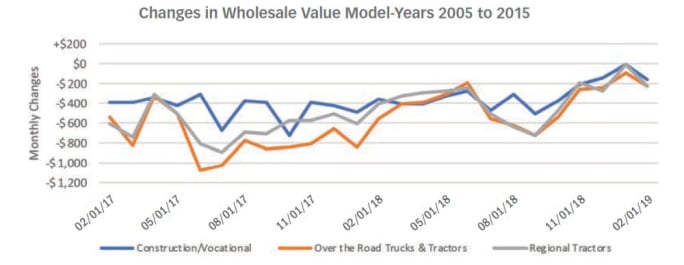
CHART 2: The construction/vocational segment is experiencing higher wholesale values entering 2019 compared with early 2018.
Source: Black Book
“For the small fleet or individual, the motivation to buy late-model used trucks is fueled by the shortage of major components (engines and transmissions). This truck shortage also causes a prolonged delivery date, and the potential lost revenues force buyers to outbid the competition on older-model trucks, thus driving prices up,” Cathey said.
Additionally, in 2018, quantities of like-kind trucks brought record revenue, especially during the winter months.
“Adding to this scenario were the increased transaction prices construction/vocational units were selling for, which will slow up a little in the short term and pick back up when spring and summer hit,” Cathey explained.
Timing also plays a big part in the volatility of values.
“Implementation of the electronic logging device (ELD) is necessary for operating commercial vehicles heavier than 26,001 pounds. This created a need for more trucks and tractors to pick up the slack when ELDs time out without enough driver time left to complete the journey. The number of times this would happen was underestimated, and it took additional tractors and trailers to quickly complete the task,” Cathey said.
“We have also witnessed an increase in mileage on the used vehicles returning to the market. With ELDs in place, this increase in mileage is likely due to fleet managers keeping their units in service a little longer. Considering how stable the overall market has been despite an increase in supply and units returning with higher mileage, you can see just how strong the market has been,” Giles mentioned.
The shortage of driver availability was, and still is, a significant factor to have the drivers necessary to operate the additional needed vehicles.
“Companies had to scramble to get more drivers. Several pay increases, plus more driver-attracting trucks, were two of the main ways this has been attempted. Newer trucks and changes in specifications, such as more automatic transmissions for Class 7 units and automated manual transmissions (AMTs) for Class 7 and Class 8 tractors, have consequently been increased going forward. Automatic transmissions have pretty much been the norm for several years up through Class 6 with AMTs becoming very popular on orders going forward with Class 7 and Class 8,” Cathey said.
Right now, cycling strategies will be shortened for both driver retention and improved economy of operation. “Used truck buyers will realize a benefit by having fresher equipment with fewer miles and better-conditioned units,” Cathey said.
The Ongoing Truck Shortage
Currently, there seems to be a shortage of low-mileage clean trucks, which drives up or stabilizes the value of these trucks on the market for sale.
“There will always be price buyers who will pick up the higher mileage trucks that usually have the more diminished condition. Many price buyers are small operations with their own shops and are willing to maintain and fix up these units,” Cathey explained.
An increase in the supply of box trucks is helping keep downward pressure on those segments. “Booming delivery and shipping industries are helping to offset added depreciation due to an increase in supply. Vocational and wrecker units are in high demand and are bringing a premium due to their limited availability and increased demand in certain locations,” Giles said.
Continued additional funding from federal and local agencies helps to maintain increases and helps prices stabilize more. “Depreciation does, and always will, affect equipment value as it ages, but the minor depreciation we have been used to will likely increase, as ordered units continue to be delivered and equipment needs, new and used get fulfilled,” Cathey said.
Wholesale Market Decade in Review
While the market continues to depreciate, the average price for used equipment has increased on a year-over-year basis.
“Fleet managers are more concerned with residual values than ever. Maximizing life and knowing exactly when to pull units from service to reduce depreciation is critical. They are also equipping units to be desirable for the first and secondary markets with the ideal engine, transmission, and telematics solution that will benefit not only their workforce, but it will also benefit their remarketing teams and allow them to turn the units faster and for a higher premium,” Giles explained.
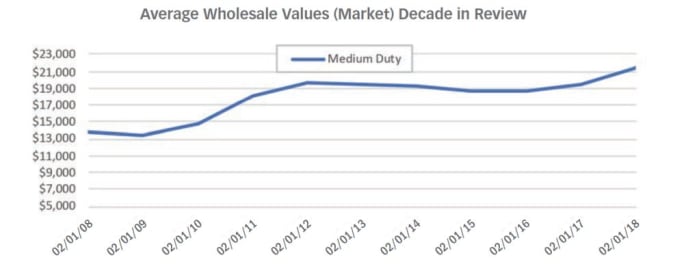
While the market continues to depreciate, used truck values have increased over time.
Source: Black Book
In the past three years, we have seen the average price of a four to 10 year-old unit increase over 13.9%. Currently, Class 8 fleets are exploring ordering 13.0L engines going forward. With these engines being proprietary OEM offerings, it helps make them economically priced to go along with economic operating results, according to Black Book.
“Fleet managers are getting on board with the 13.0L/AMT combination and the secondary buyer is beginning to realize it will mostly be what is available as cycles move ahead. The driver of the future, for the most part, will prefer to not be manually shifting gears or worrying about 13.0L or 15.0L engines. He or she will be more concerned with ease of operation and getting their load delivered. 15.0L engines, as well as 13-speed and 18-speed manual transmissions, aren’t going away, but there will be much fewer of them down the road,” Cathey said.
Originally posted on Work Truck Online
More Used Vehicle Values
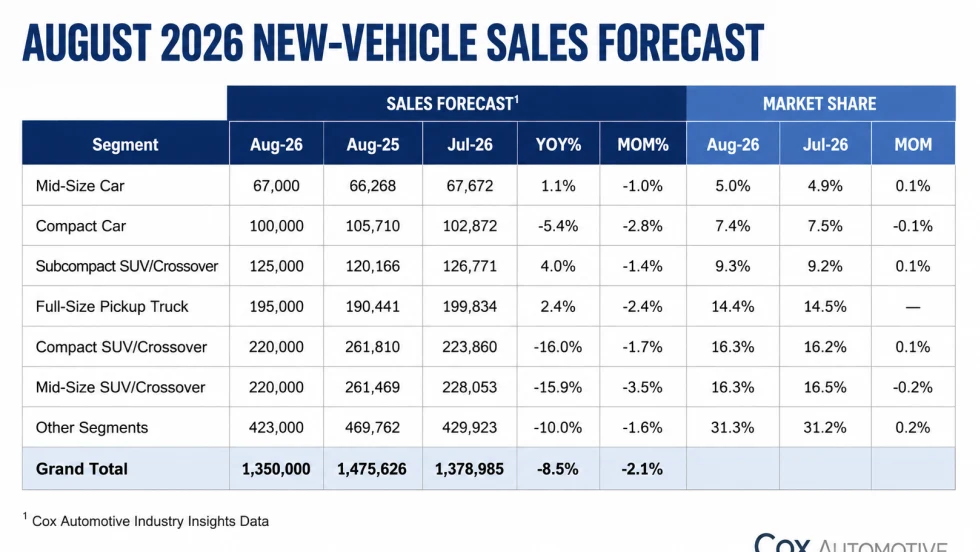
August New-Vehicle Sales Pace Forecast to Hold Above 16 Million
Despite an expected 8.5% year-over-year decline in August volume, Cox Automotive forecasts a 16.3 million SAAR, with full-size pickups outperforming several major crossover segments.
Read More →
Trade Strategy Now Starts Long Before Turn-In
The strongest trade values aren't built at turn-in. Discover how maintenance, lifecycle planning, and shared risk protect truck resale value.
Read More →
What Happens When Residual Values Meet Real-World Markets
A truck's trade value isn't determined on turn-in day. Learn how market cycles, maintenance, and timing shape the gap between residuals and reality.
Read More →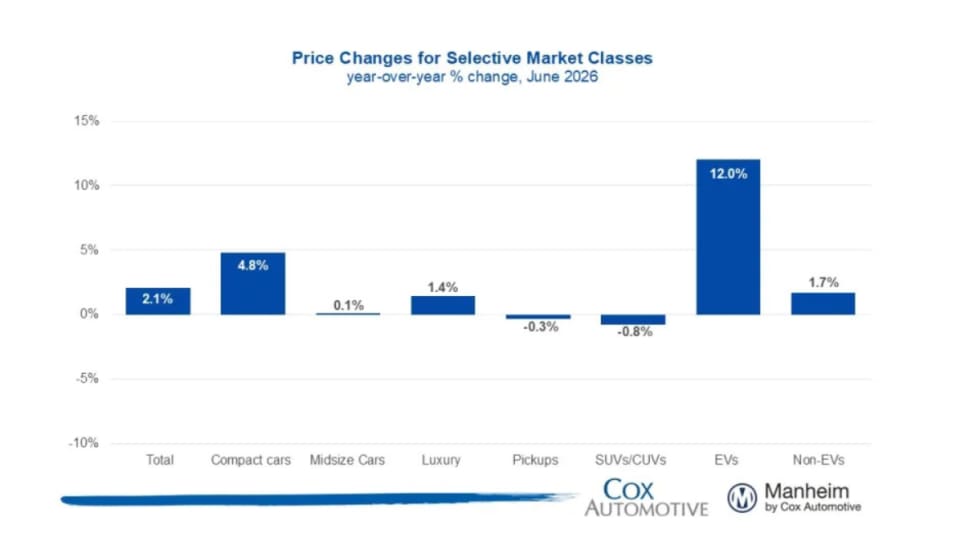
Manheim Index Shows Used-Vehicle Wholesale Prices Up 2.1% in June
The market is seeing stronger appreciation in older used vehicles this year, and the most affordable segments have been among the year’s best performers.
Read More →
Stop Remarketing Electric Vehicles Like Gas Cars
The advantages and attributes of electric vehicles are upending the traditional remarketing cycle, requiring fleet sellers to rely on new factors and approaches detailed below.
Read More →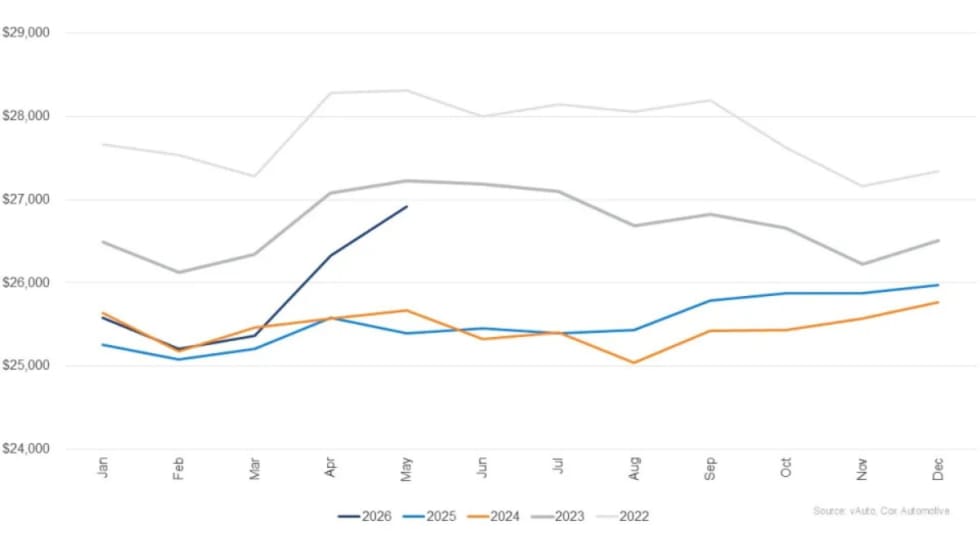
Used Vehicle Prices Climb Higher As Sales Pace Slows
The higher prices at used retail reflect strong wholesale values earlier in the spring, particularly for older, more affordable vehicles.
Read More →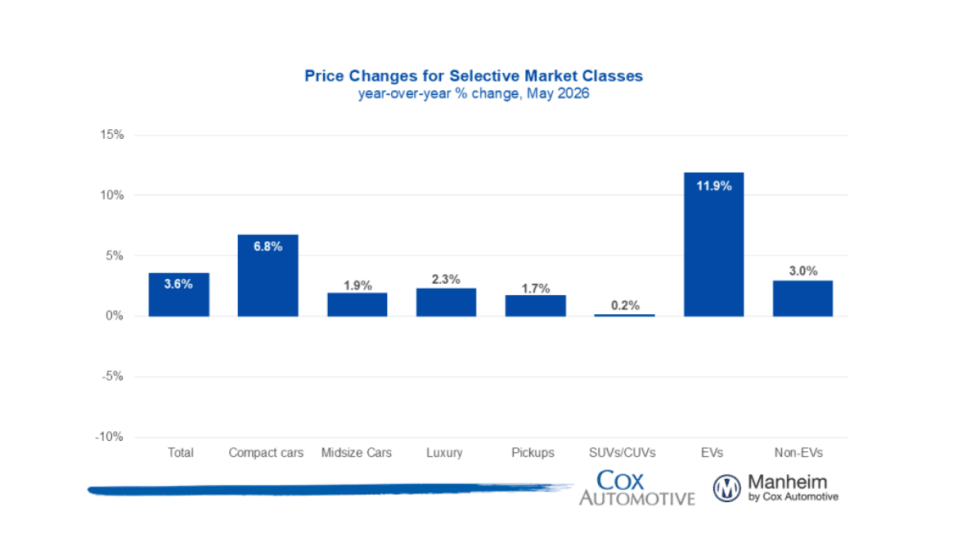
Wholesale Used Vehicle Market Sustains Moderate Rise In Values, Prices
Trends continue to normalize after a strong start to the year, as consumers contend with higher gas prices in the coming summer months.
Read More →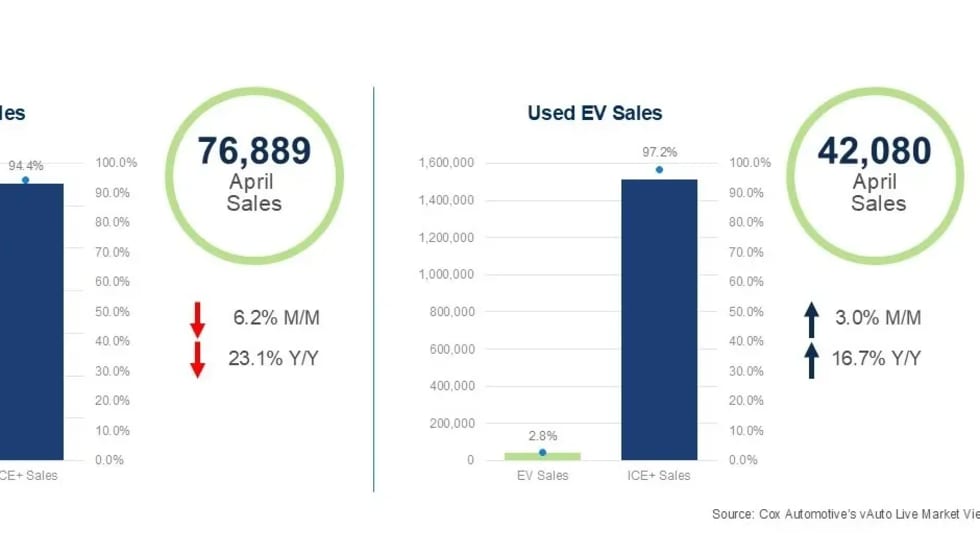
Used EV Sales Grow In April
While EV sales declined, used EV sales grew, as tighter inventory and rising prices reflected a more normalized pace for the EV market.
Read More →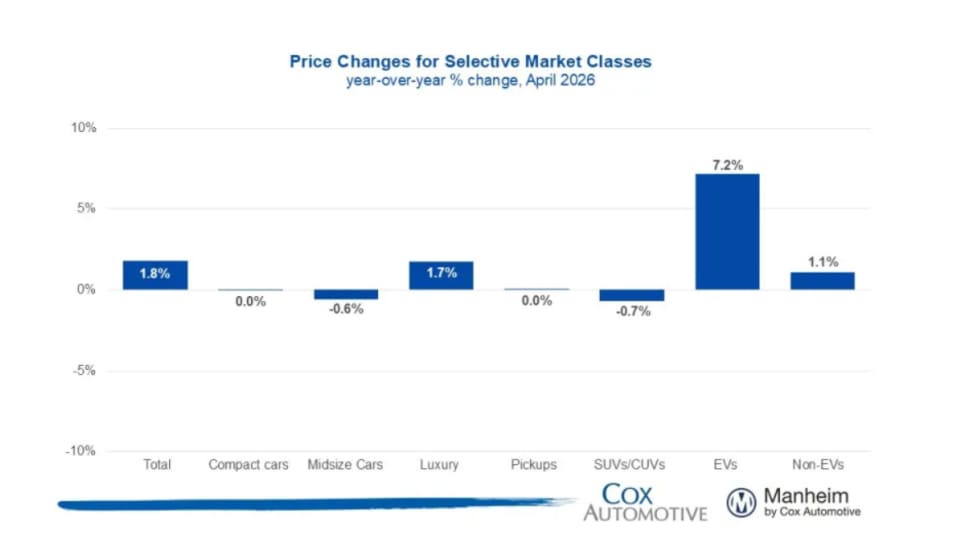
Wholesale Used Vehicle Prices Slightly Up In April
The Iranian conflict and rising gas prices inject much uncertainty into the future wholesale used vehicle markets, as higher gas prices soak up spendable income from vehicle buyers.
Read More →
CAR 2026 Recap Part 2: Closing the Gap Between Data & Remarketing Value
The second half of CAR 2026 examined how fleets can translate lifecycle strategy, vehicle data, and market shifts into higher real-world results.
Read More →