


Trade Strategy Now Starts Long Before Turn-In
The strongest trade values aren't built at turn-in. Discover how maintenance, lifecycle planning, and shared risk protect truck resale value.

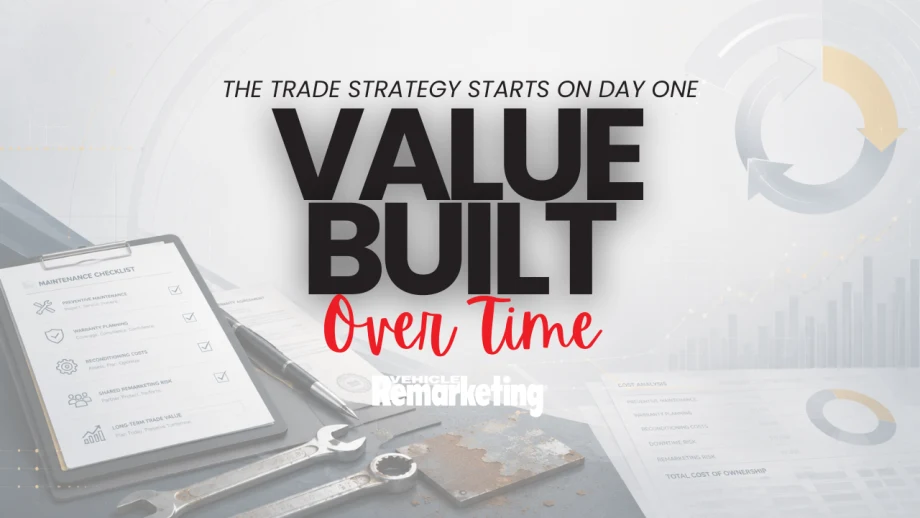
Trade value is built throughout the ownership cycle through preventive maintenance, warranty planning, realistic residual expectations, and well-timed vehicle replacement
Vehicle Remarketing
- Effective trade strategies begin well before a vehicle's turn-in by focusing on consistent maintenance practices.
- Long-term lifecycle planning is essential in preserving and enhancing truck resale value over time.
- Sharing risk through strategic planning and partnerships can significantly protect and boost vehicle trade value.
*Summarized by AI
For fleets focused on reducing operating costs, preventive maintenance can sometimes feel like an easy place to delay spending. Taking a truck out of service for scheduled maintenance creates downtime, and replacing components before they fail can seem difficult to justify when budgets are tight. But does that mindset prove more expensive in the long run?
"The behaviors that preserve value are disciplined preventive maintenance and a well-maintained after-treatment system; the decisions that destroy it fastest are deferred upkeep that shows up as body damage and corrosion," said Marc Sutton, Director of Distribution at Daimler Truck Remarketing (DTR), which operates the SelecTrucks used truck brand and retail network.
Much of the value equation comes down to protecting the truck before problems become visible to the next buyer. Cosmetic issues may seem relatively minor during daily operations, but body damage, rust, and neglected interiors quickly influence buyer perception during inspections. Mechanical issues often have an even greater financial impact, particularly when they involve emissions systems or components that can require larger repairs if left unaddressed.
Sutton believes warranty planning deserves more attention than it often receives during replacement planning. "Warranty is an underrated lever because fleets that time their trade cycles and structure coverage to match tend to hold more value, and any warranty still in force at turn-in is a value booster," he said.
The philosophy that fleets should take the long view in preserving resale value isn't reserved for national fleets with dedicated maintenance departments. For fleets of every size, maintenance isn't simply about avoiding breakdowns. It's one of the few variables they can actively manage that continues to influence vehicle value years after the original purchase.
"And it is not only the largest fleets that can play," Sutton said. "Even a small operator who feels they cannot afford the downtime usually cannot afford not to make the investment, because disciplined upkeep is what extends the asset's life and protects its return."
Dealer Economics Shift Throughout the Market Cycle
Fleet behavior doesn't just affect residual values. It also changes how dealers source inventory and manage profitability. "When fleets retail their own units in strong markets but return them when values weaken, the effect on the dealer channel is real," Sutton said.
During periods of abundant inventory, dealers typically have multiple sourcing options and can be more selective about purchases. When supply tightens, however, acquisition costs begin climbing quickly.
"In a high-supply market, dealers can source inventory easily," Sutton explained. "In a tight market, scarcity pushes wholesale acquisition costs up. If the retail price ceiling holds roughly flat, this compresses dealer margins."
That compression creates challenges well beyond the initial vehicle sale. A retail-oriented model depends on that margin, according to Sutton.
"Dealers buy reconditioned, warranty-backed trucks to sell to end users who then return for parts and service, and squeezing the buy price strains the whole cycle," he added.
The result is a balancing act that extends throughout every market cycle, and that discipline becomes especially important when market conditions deteriorate. It's a reminder that delaying difficult inventory decisions often increases financial exposure rather than reducing it.
"Throughout any market cycle, the strongest operators maintain discipline by balancing their inventory levels to match their sales velocity, tightly managing their inventory aging, and effectively controlling costs,” Sutton said. “When a deal turns upside down, as one veteran of the business puts it, in used trucks, your first loss is usually your best loss."
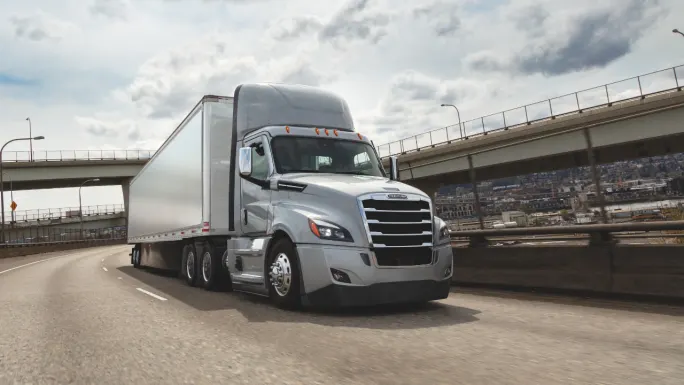
As fleets develop more sophisticated remarketing strategies, they can choose when to sell equipment themselves and when to rely on guaranteed return channels as a financial backstop.
DTNA | Freightliner
The Cost of Honoring Yesterday's Commitments Keeps Rising
Even when residual assumptions prove reasonably accurate, honoring commitments made four or five years earlier has become significantly more expensive. Reconditioning costs have climbed, labor rates have increased, parts pricing remains elevated, transportation expenses continue to fluctuate, and storage costs have risen alongside virtually every other operational expense involved in preparing trucks for resale.
"Rising reconditioning, repair, storage, and transportation costs have added real pressure to the economics of honoring commitments written years earlier, when those costs were lower," said Phillip DeGroat, Director of Used Truck Acquisitions & Operations at Daimler Truck Remarketing. "Nothing has been immune. Labor rates, transportation contracts, and parts have all climbed, and that pressure runs through fleets and the remarketing operation alike."
Rather than focusing on uncontrollable costs, successful remarketing organizations are concentrating on improving operational efficiency wherever possible. Those operational improvements may not eliminate market volatility, but they can help offset some of the pressure created by higher operating costs.
"The disciplined response is to separate the costs you cannot control, such as prevailing labor rates, from the ones you can," DeGroat said. "That cost rigor is precisely what creates the room to keep standing behind commitments made before the increases landed.”
That includes compressing the process and cycle times, renegotiating freight and transportation agreements, and continuously auditing operations for unnecessary costs.
Fleets Are Taking a More Strategic Approach to Remarketing
The good news for the industry is that fleets are becoming increasingly sophisticated in their approach to residual planning and vehicle disposition. According to DeGroat, today's conversations are driven far more by data than they were in previous market cycles.
"Fleets are becoming more sophisticated, and they are bringing data to the table to prove it,” he shared. "Many now point to their own rising costs and years of climbing new-truck prices to argue for stronger residual support," DeGroat said.
That expectation naturally raises the bar for remarketing organizations tasked with selling returned equipment. Some fleets have responded by building their own dedicated remarketing operations.
"Dedicated remarketing operations, complete with physical retail locations, websites, staff, and real investment, provide genuine value in selling their own equipment," DeGroat said.
Others have taken a lighter approach, maintaining smaller internal teams that continually monitor market values. That flexibility allows fleets to maximize returns when market conditions are favorable while still benefiting from guaranteed trade commitments when values soften.
"Rather than build infrastructure, others may keep a small team that circulates valuations and runs informal bidding when conditions are right, returning units through committed channels only when the market crosses below the agreed number," Sutton said.

Demanding duty cycles make disciplined maintenance especially important, since condition, mileage, corrosion, and service history all influence the value a truck retains at turn-in.
DTNA | Freightliner
Sharing the Risk May Be the Future
As remarketing becomes increasingly data-driven and market conditions remain unpredictable, SelecTrucks believes the industry is moving toward a different model for managing residual risk. Rather than expecting fleets, dealers, or OEMs to absorb the downside on their own, future programs may more intentionally distribute that risk across the ownership lifecycle.
"Sharing remarketing risk more sustainably is the central question facing the lifecycle today," Sutton said. "The direction is away from any single party carrying it alone."
That approach starts by aligning incentives from the beginning of the purchase.
"The most promising tools align incentives up front, including guaranteed return options that give the fleet a backstop while committing a share of strong-market trucks back to the OEM for resale through the dealer channel, paired with disciplined cost control on the operations side," DeGroat said.
When each participant assumes a defined portion of the risk, the economics begin working differently, with DeGroat explaining: "With everyone holding a defined share of the risk, the OEM can offer stronger values and terms, because the downside is structurally smaller. That is the direction sustainable risk-sharing has to take, where OEMs, dealers, and fleets each carry a portion across the life of the truck."
Trade Strategy Begins Long Before Turn-In
One of the strongest themes throughout Daimler Truck Remarketing’s responses is that trade value isn't determined when a truck returns to market. Instead, it's shaped over every mile driven during first ownership.
"If fleets want stronger trade terms going forward, the mindset shift is to treat the entire ownership lifecycle as part of the trade strategy rather than an afterthought," Sutton said.
That means looking beyond the replacement transaction itself and making lifecycle decisions with the eventual resale in mind. Rather than relying on assumptions from a decade ago, fleets need to base replacement timing on current market conditions, maintenance history, and realistic residual planning.
"The traditional model is evolving, and the operators who adapt, rather than relying on how it was done a decade ago, are the ones who will capture the best terms."
Practically speaking, Sutton said that comes down to three priorities: "maintenance discipline that protects condition, realistic residual planning grounded in current data, and turn-in timing that does not let a unit age past its value."
He also believes fleets should rethink how they approach shared-risk programs. "It also means engaging with risk-sharing structures such as guaranteed return options and higher participation, because the fleet willing to keep more skin in the game is the one a remarketing partner can provide stronger value."
As market cycles continue evolving and remarketing grows more sophisticated, guaranteed trade values are likely to remain an important part of commercial truck purchasing. They may, however, become less about locking in a future selling price and more about creating flexibility in an uncertain market where all parties share both the opportunity and the risk.
Ultimately, the value realized at turn-in reflects far more than conditions on the day a truck is sold.
"In the end," Sutton said, "a commitment is only as strong as the maintenance, timing, and partnership decisions made across the four or five years that follow it."
Missed Part 1? Read What Happens When Residual Values Meet Real-World Markets to learn how market cycles, supply and demand, and fleet decisions create the trade-in commitment gap long before a truck returns to the remarketing channel.
Quick Answers
Regular maintenance ensures that trucks remain in optimal condition, reducing long-term wear and tear and preserving resale value.
*Summarized by AI
More Used Vehicle Values
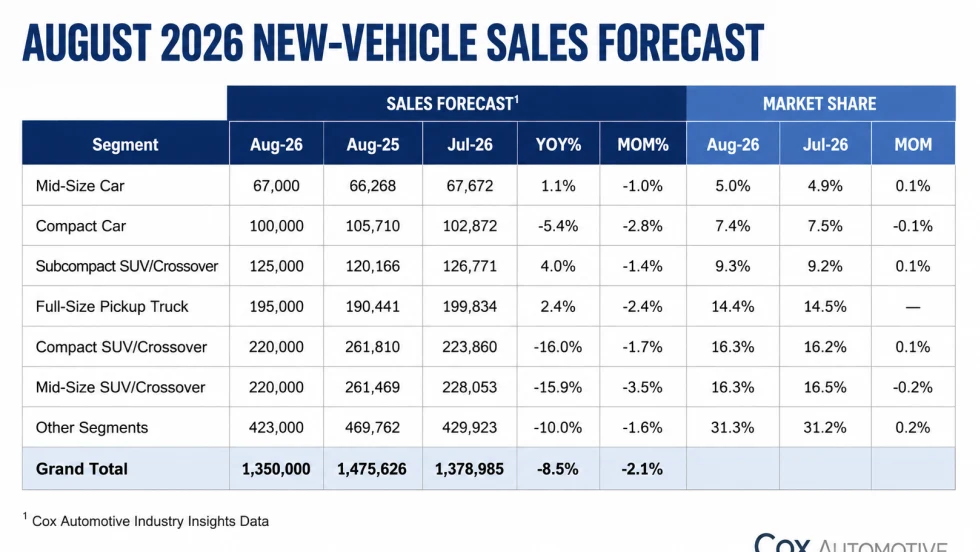
August New-Vehicle Sales Pace Forecast to Hold Above 16 Million
Despite an expected 8.5% year-over-year decline in August volume, Cox Automotive forecasts a 16.3 million SAAR, with full-size pickups outperforming several major crossover segments.
Read More →
What Happens When Residual Values Meet Real-World Markets
A truck's trade value isn't determined on turn-in day. Learn how market cycles, maintenance, and timing shape the gap between residuals and reality.
Read More →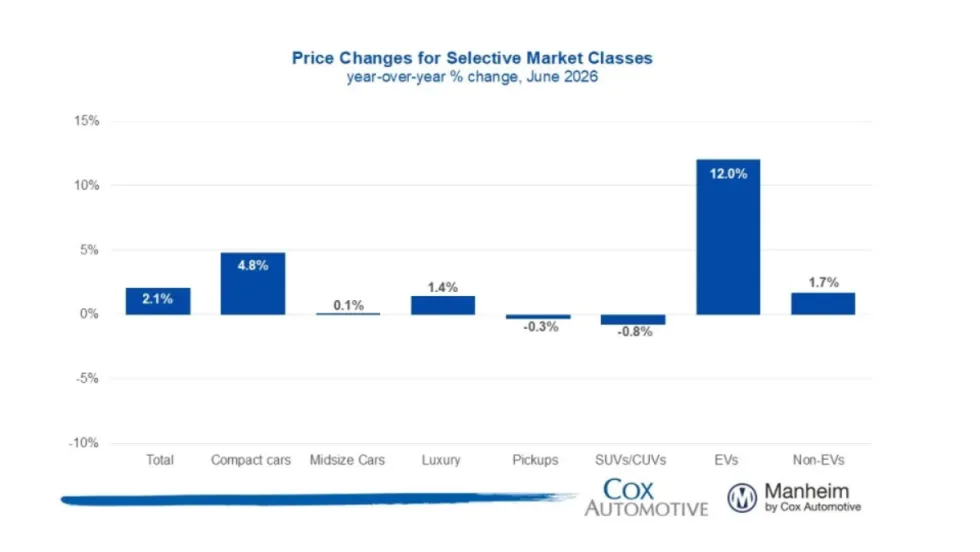
Manheim Index Shows Used-Vehicle Wholesale Prices Up 2.1% in June
The market is seeing stronger appreciation in older used vehicles this year, and the most affordable segments have been among the year’s best performers.
Read More →
Stop Remarketing Electric Vehicles Like Gas Cars
The advantages and attributes of electric vehicles are upending the traditional remarketing cycle, requiring fleet sellers to rely on new factors and approaches detailed below.
Read More →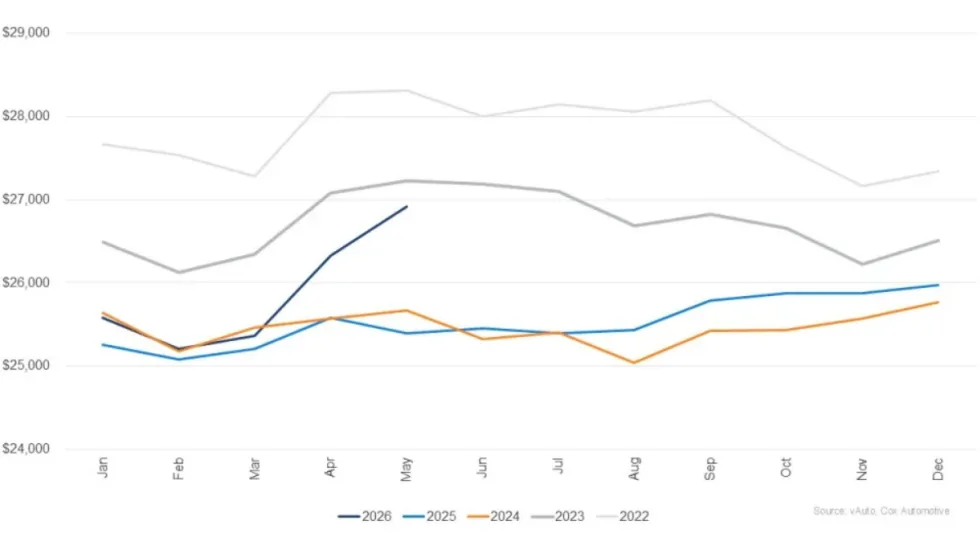
Used Vehicle Prices Climb Higher As Sales Pace Slows
The higher prices at used retail reflect strong wholesale values earlier in the spring, particularly for older, more affordable vehicles.
Read More →
Wholesale Used Vehicle Market Sustains Moderate Rise In Values, Prices
Trends continue to normalize after a strong start to the year, as consumers contend with higher gas prices in the coming summer months.
Read More →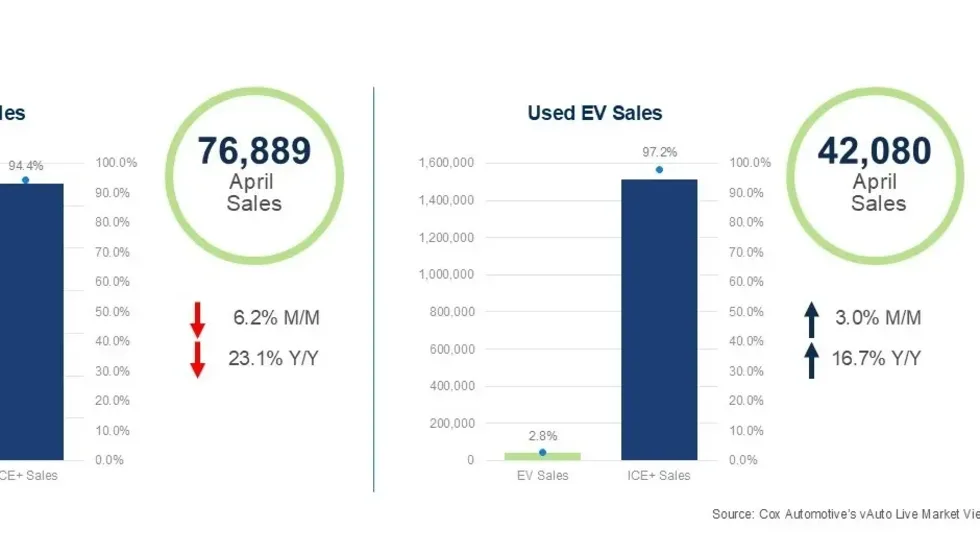
Used EV Sales Grow In April
While EV sales declined, used EV sales grew, as tighter inventory and rising prices reflected a more normalized pace for the EV market.
Read More →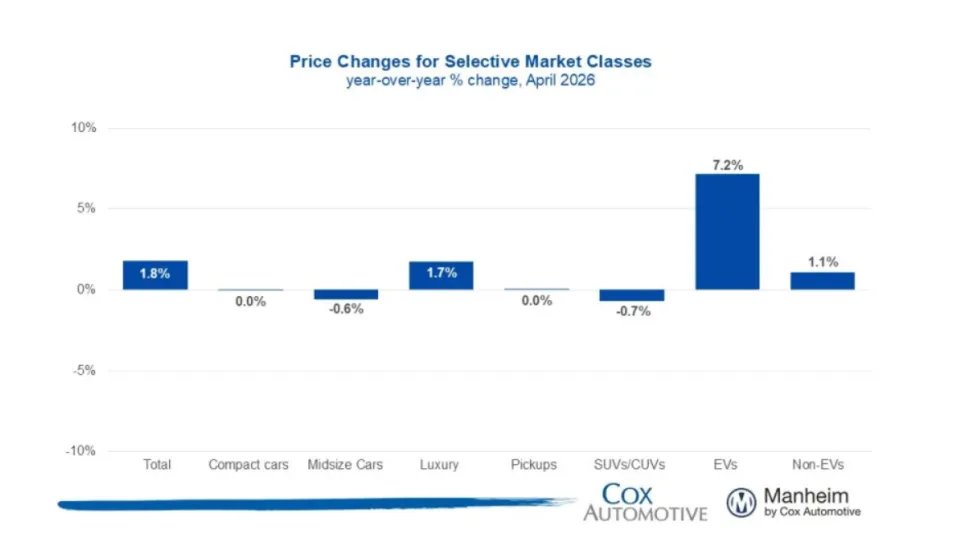
Wholesale Used Vehicle Prices Slightly Up In April
The Iranian conflict and rising gas prices inject much uncertainty into the future wholesale used vehicle markets, as higher gas prices soak up spendable income from vehicle buyers.
Read More →
CAR 2026 Recap Part 2: Closing the Gap Between Data & Remarketing Value
The second half of CAR 2026 examined how fleets can translate lifecycle strategy, vehicle data, and market shifts into higher real-world results.
Read More →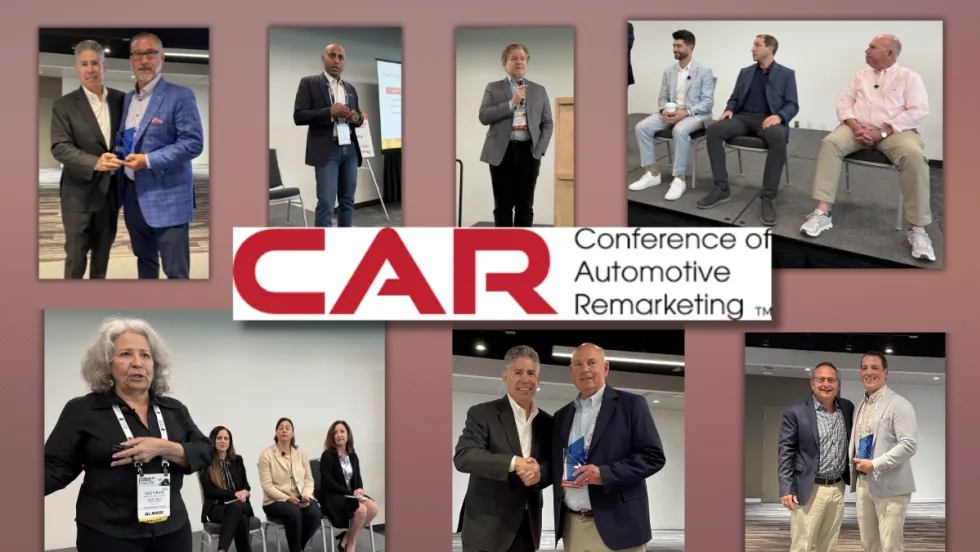
CAR2026 in Two Words: Velocity, Value (Part 1)
The 2026 Conference of Automotive Remarketing convened with a mandate to involve a new constituency — fleet managers — and an updated mission to demonstrate unrealized value in de-fleeted vehicles.
Read More →