



How Fleets Can Get the Most from Truck Resale
For some fleets, a truck’s value does not come up until it’s time for remarketing. But getting the most profit for these assets requires careful planning long before the truck goes up for sale.
September 8, 2017

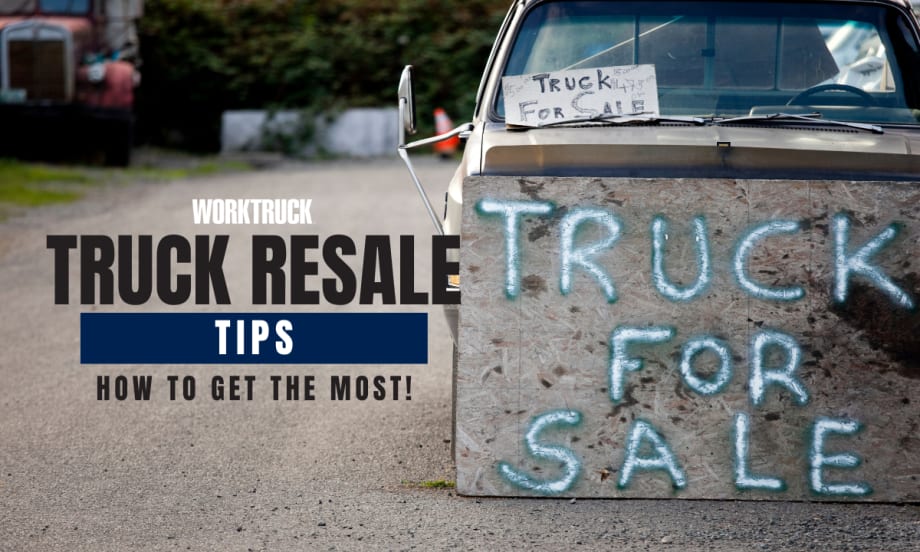
Resale value starts long before a truck is listed, from smart spec’ing and preventive maintenance to choosing the right time (and place) to sell.
Credit: Work Truck
7 min to read
Preparing a medium-duty truck for sale is a lengthy process. The owner has to fix up the car so it’s in good condition, give it a new wash or paint job to make it attractive to buyers, transport it to the site, and sometimes even negotiate the value with potential buyers.
This process is even lengthier for fleet managers and companies interested in the long term. Planning starts much earlier, long before the day of sale and even before the vehicle reaches a job site. On top of that, fleets must often manage the remarketing of multiple vehicles at once.
To maximize returns during the remarketing process, fleets should purchase medium-duty trucks that fit their needs and will appeal to buyers down the road, properly maintain these vehicles, and find the ideal venues to remarket them when the time is right.
High Values Start with Spec’ing
To truly maximize a truck’s resale value, it should be considered before purchase. This means purchasing a vehicle that is built to serve the company’s needs while considering what will benefit a future buyer.
Let’s start with present needs. Spec’ing is important to any fleet operation. If you over-spec a truck, you waste company funds. If you under-spec a truck, you could end up with additional repair fees and a shorter lifecycle.
“Underpowered and undersized units create excessive wear on components, shortening vehicle life as well as reducing resale value,” said George Survant, senior director of fleet relations for NTEA – The Association for the Work Truck Industry. “Finding the best value and taking all aspects into consideration will have a positive impact on overall operations. But, bigger isn’t always better.”
Survant noted that maximizing a truck’s value requires buying the most efficient vehicle, and finding the most efficient vehicle requires understanding how it will be used.
“Understanding the application, as well as drive and duty cycle, is imperative. Once this is accomplished, a fleet manager can procure vehicles that achieve the required task, while minimizing maintenance costs and maximizing resale value,” he said.
Once a company has narrowed down a truck’s specs to what meets the fleet’s requirements, it’s time to consider value down the road.
Fleets that like to run lean may choose minimal features, such as roll-down windows or a manual transmission. But Survant noted that select automatic features that may seem unnecessary in the present are worth the extra investment in the long term.
“Aftermarket buyers are often attracted to features like power windows and air conditioning (AC), and the increase in resale more often than not covers a significant portion of the initial purchase price for these options,” he said.
Charles Cathey, editor of heavy-duty truck and commercial trailer data for Black Book, agreed that certain features, such as AC, are necessary for ensuring a high resale value. He also said an automatic transmission is a must when writing specs for medium-duty trucks.
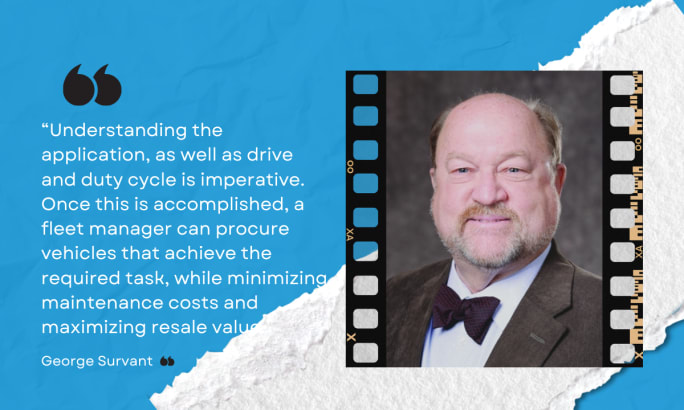
Spec’ing trucks to match real-world applications and duty cycles plays a major role in long-term maintenance costs and resale value.
Credit: Work Truck | George Survant
Maintaining Value Long-Term
Of course, to reap the benefits of an efficiently spec’ed vehicle, the company must ensure it is properly maintained. This requires regular check-ups and diligence on the part of management, as well as cooperation from users.
Preventive maintenance helps a company ensure its trucks are operating correctly. Cathey noted that an individual should be assigned to inspect the fleet regularly. This can be the fleet manager if there is one. But for many small businesses, that task falls on the owner.
Whoever is designated to the task should conduct regular walk-around inspections, noting any damage and keeping records that will be useful down the road.
Managing a fleet comes with many tasks, and it's easy to put off small jobs for later. However, to maintain valu,e it is important to fix problems as soon as they arise.
“A crack in the windshield or bent bumper can worsen,” Cathey said. If small problems are not fixed early, they can lead to more repairs and more costs down the road.
Seeing the vehicles firsthand also allows the fleet manager to establish vehicle use policies that address common problems. Keeping vehicles maintained is not a solo job — it requires cooperation from drivers.
Designating one person to inspect fleet vehicles may also mean that person is more aware of who drives which vehicle. If damage is found on a vehicle that suggests a pattern of unsafe driving, the person in charge of inspections may be able to speak with the driver about the vehicle's use.
Cathey said the topic of vehicle care should be considered when hiring drivers, making a history of safe driving even more important. Educating drivers on the proper way to care for vehicles through use policies will pay off in the end.
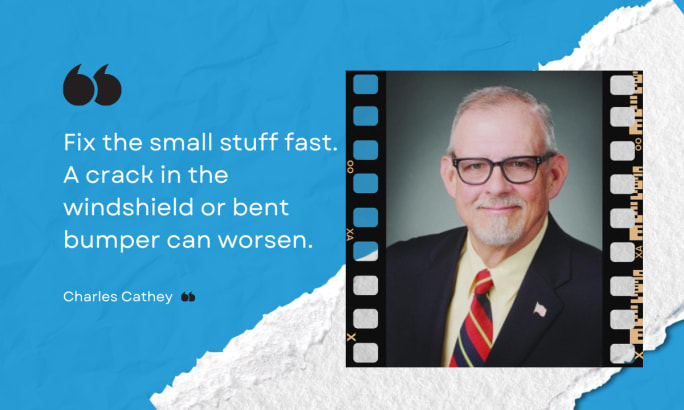
Small maintenance issues can quickly erode resale value if left unaddressed, according to Charles Cathey of Black Book
Credit: Work Truck | Charles Cathey
Online, In-Person, Both, or Neither?
Online vs. in-person sales is a common debate within the world of vehicle remarketing. The answer, however, is not black and white. It is important to consider what you are selling and who you want to reach.
Survant notes that timing is important, as certain vehicles sell better at certain times of year and in specific regions.
“Knowing how product segments sell both geographically and seasonally can help increase your sales returns,” he said. “For example, 4x4s sell well in the late summer and fall as buyers anticipate poor driving conditions in the winter.”
Finding the most profitable time and place to sell will require research into the resale market. Cathey recommends shopping around different selling venues at least a month or two before you plan to sell.
“Rarely do you, or I, want something and go straight to Macy’s or Bloomingdale's,” he said.
Generally, there is no one-size-fits-all solution; employing a mix of in-person and online methods is often the most effective strategy.
Trading in a light-duty pickup truck at your dealer or sending it to a local auction might be convenient, but it may not be the best audience for a heavy-duty truck upfitted with specialized equipment.
What About Specialty Trucks?
Speaking of specialized equipment, the used market for specialty vehicles is changing. Cathey pointed to water trucks, bucket trucks, and boom trucks, all popular items in vocational fleets with growing demand.
In the past, these specialty vehicles were sold used through dealers, and as a result, less attention was paid to resale values.
Instead, many fleets keep these trucks running “until the wheels come off” or, sometimes, even longer. An aerial lift, for example, may not have a working engine, but if the equipment still works, it can be trailered to job sites.
But the growing demand for these vehicles is also expanding remarketing options, as more buyers seek venues that concentrate on equipment.
“Equipment OEMs once controlled this market. Today it’s a different ballgame,” Cathey said.
This may require more research, however. A highway striper, Cathey noted, can bring along a high resale value. But this highly specialized piece of equipment would only be useful to a handful of buyers, and it is up to the fleet to find a venue that reaches that audience.
Survant agreed that finding the right buyer is key to getting a good return.
“Specialized equipment has a defined market, and it’s important for sellers to understand how their disposal method can be affected by not having the right buyer in attendance,” Survant said. “These units can bring surprising resale values in the right venue.”
First Impressions Matter
Once a venue is selected and the truck has reached the end of its lifecycle within the fleet, it’s time to prepare for resale.
Any mechanical problems inside or outside the truck should be addressed, of course. But fleets should not forget that a buyer’s first impression is important — especially when a buyer can easily walk past a dirty truck and choose another on the lot.
“Used vocational truck values are higher for visually appealing products,” Survant said. “This may mean different initial build specs and light reconditioning prior to sale.”
Cathey agreed, explaining that even if a truck feels familiar to the fleet, selling it may seem brand-new to the buyer.
Documentation is also important. As crucial as regular maintenance is, it is less effective without proof. Cathey stressed the importance of bringing maintenance records, which will give the buyer peace of mind and help enforce a well-maintained truck’s value.
Originally posted on Work Truck Online
Subscribe to Our Newsletter
More Used Vehicle Values
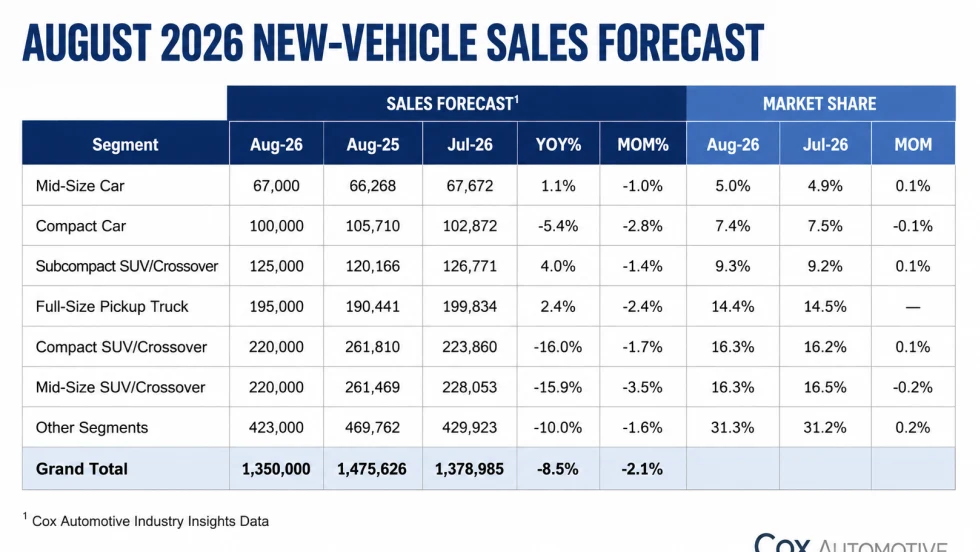
August New-Vehicle Sales Pace Forecast to Hold Above 16 Million
Despite an expected 8.5% year-over-year decline in August volume, Cox Automotive forecasts a 16.3 million SAAR, with full-size pickups outperforming several major crossover segments.
Read More →
Trade Strategy Now Starts Long Before Turn-In
The strongest trade values aren't built at turn-in. Discover how maintenance, lifecycle planning, and shared risk protect truck resale value.
Read More →
What Happens When Residual Values Meet Real-World Markets
A truck's trade value isn't determined on turn-in day. Learn how market cycles, maintenance, and timing shape the gap between residuals and reality.
Read More →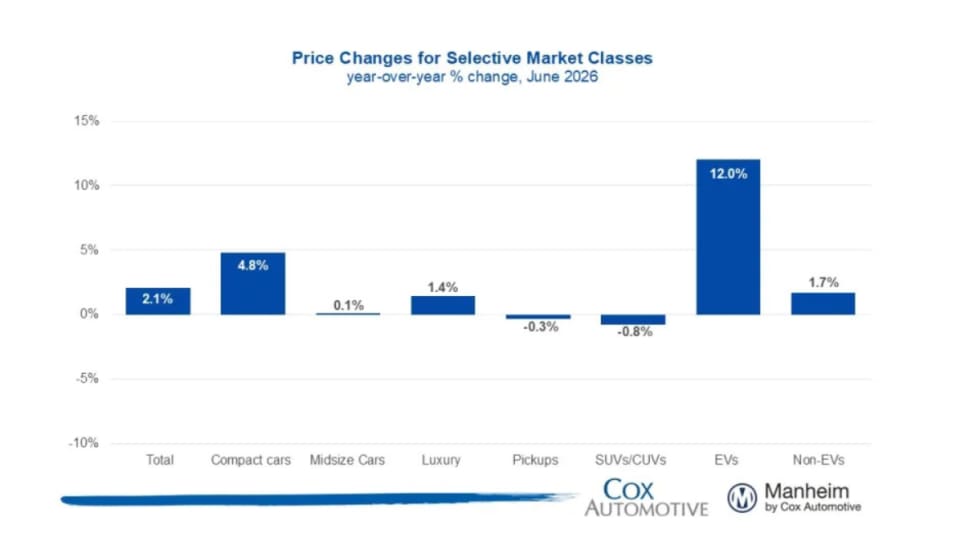
Manheim Index Shows Used-Vehicle Wholesale Prices Up 2.1% in June
The market is seeing stronger appreciation in older used vehicles this year, and the most affordable segments have been among the year’s best performers.
Read More →
Stop Remarketing Electric Vehicles Like Gas Cars
The advantages and attributes of electric vehicles are upending the traditional remarketing cycle, requiring fleet sellers to rely on new factors and approaches detailed below.
Read More →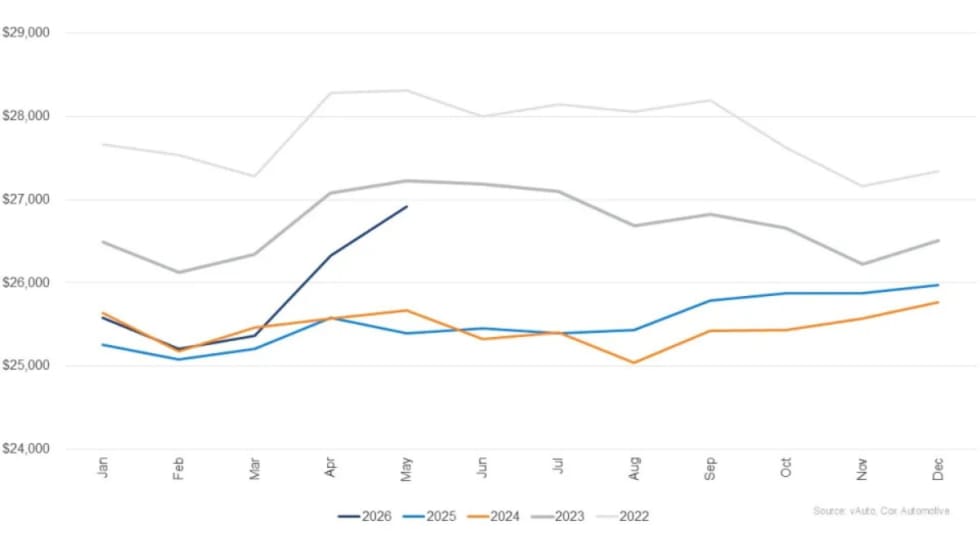
Used Vehicle Prices Climb Higher As Sales Pace Slows
The higher prices at used retail reflect strong wholesale values earlier in the spring, particularly for older, more affordable vehicles.
Read More →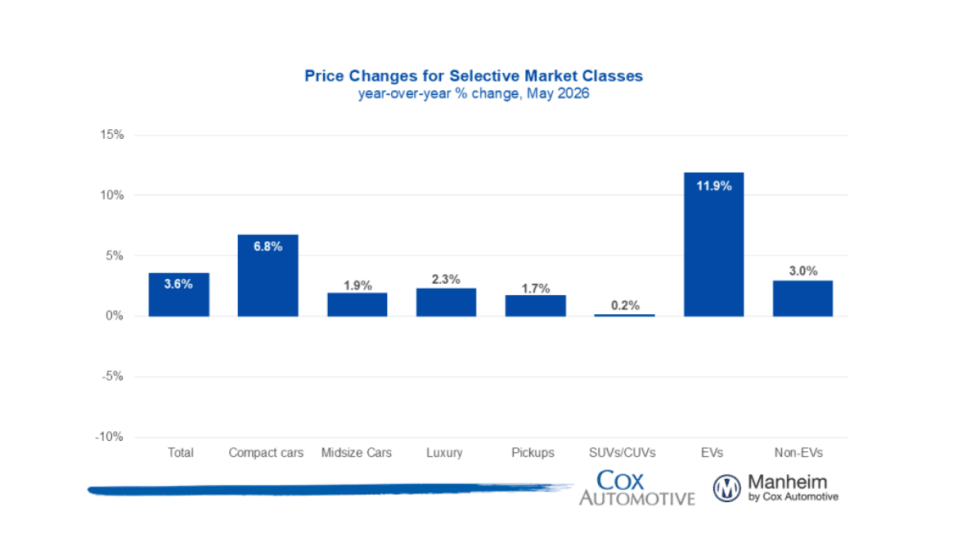
Wholesale Used Vehicle Market Sustains Moderate Rise In Values, Prices
Trends continue to normalize after a strong start to the year, as consumers contend with higher gas prices in the coming summer months.
Read More →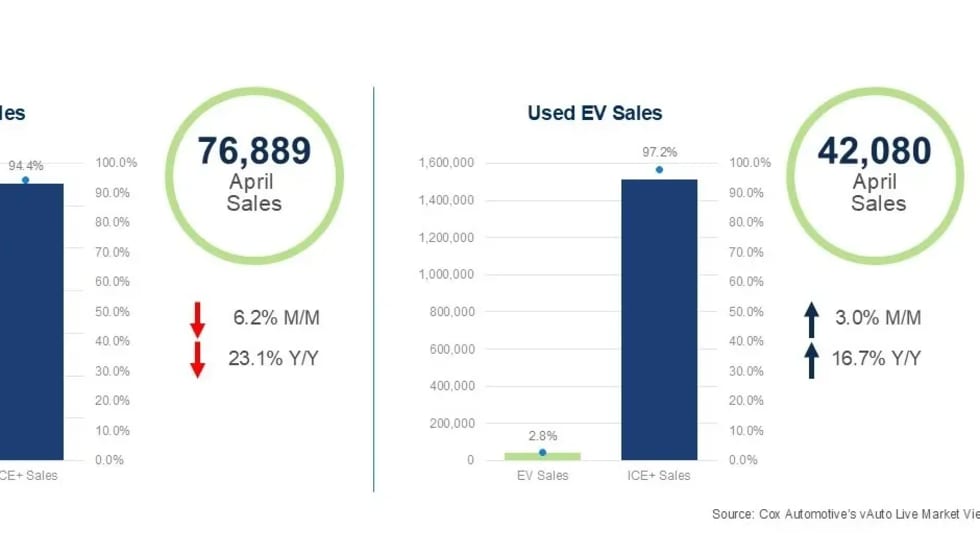
Used EV Sales Grow In April
While EV sales declined, used EV sales grew, as tighter inventory and rising prices reflected a more normalized pace for the EV market.
Read More →
Wholesale Used Vehicle Prices Slightly Up In April
The Iranian conflict and rising gas prices inject much uncertainty into the future wholesale used vehicle markets, as higher gas prices soak up spendable income from vehicle buyers.
Read More →
CAR 2026 Recap Part 2: Closing the Gap Between Data & Remarketing Value
The second half of CAR 2026 examined how fleets can translate lifecycle strategy, vehicle data, and market shifts into higher real-world results.
Read More →