



Current projections for new light vehicle sales
2019: 17.0 mm
2020: 14.5 mm
2021: 14.9 mm
2022: 15.0 mm
2023: 16.8 mm
2024: 17.6 mm
Source: Black Book Analytics
With a lack of used vehicles and rental units returning to market, demand continues to outweigh supply. When will the market come back down to earth?
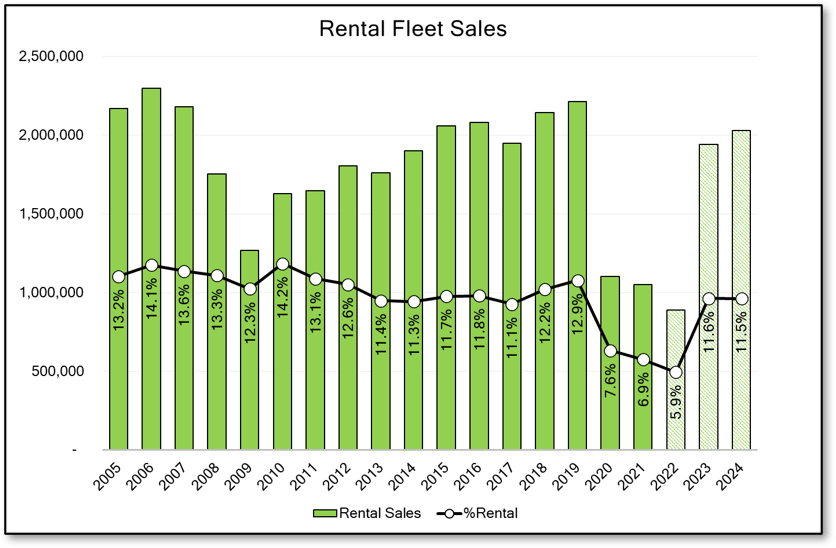
With manufacturers prioritizing retail sales over fleet, Black Book does not expect rental sales to recover until at least 2023. Auction activity — rental companies buying instead of selling — was the largest single factor that caused wholesale price increases in the fourth quarter of 2021.
Source: Black Book Analytics
Supply-chain issues, production shortages, and shrinking dealer inventory have the car rental industry on edge. Most vehicle segments have been actually appreciating, and many units are selling for above sticker price, leaving rental companies scrambling to stock up on whatever they can get their hands on.
Dr. Alex Yurchenko, head of data science for Black Book, and his team are responsible for predicting vehicle wholesale values, and it starts with consumer demand in the retail space.
Although consumer confidence rebounded by about 10% in April, it’s still at its lowest level in a decade, according to Yurchenko, who shared this and other trends in a seminar at the 2022 International Car Rental Show in Las Vegas on April 25.
Yurchenko said that initially, rising gas prices didn’t change consumer behavior. They still purchased what was available — big SUVs and trucks, but not many cars. Over the last several months, however, that behavior has changed. Because of high gas prices, there’s now a higher demand for smaller, more fuel-efficient vehicles, such as compact SUVs and cars, he said.
According to Yurchenko, repossessions have traditionally been a good source of used inventory for car rental companies, yet over the last two years, that channel has nearly dried up because of a moratorium on repossessions. Help from both the government and lending institutions led to those vehicles not returning to the market.
“We’re talking about 1 million vehicles per year,” Yurchenko said. “Recent trends point to an increase in repossession volume. Numbers are still low, but the volume of repossessions is increasing.”
Supply-chain issues — including the ongoing chip shortage — are still the biggest factor right now driving this whole scenario. Yurchenko believes the most optimistic forecast is that the industry will reach some sort of normalcy in terms of production levels by 2023, but dealer lots are not going to return to normal levels anytime soon.
Inventory limitations and new sales incentives keep hitting record low levels every month. Pre-pandemic, the average incentive was about 11% of MSRP, according to Yurchenko. The average incentive in March 2022 was close to 3.5%.
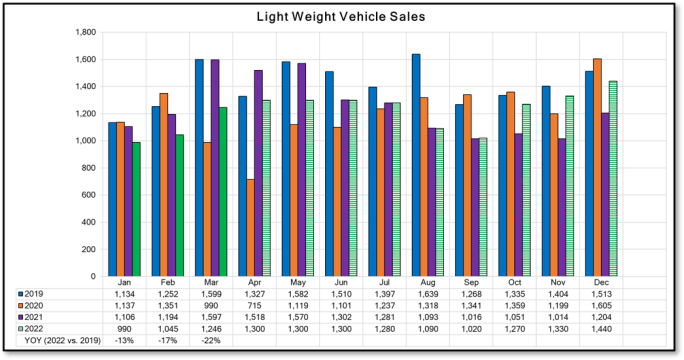
Black Book expects month-over-month growth in new vehicle sales for the fourth quarter of 2022, yet total light-vehicle sales are only expected to reach 15 million this year.
Source: Black Book Analytics
“The majority of consumers are paying above sticker price, which was unheard of a few years ago,” Yurchenko said. He added that dealers are fighting to be first in line to get inventory. The big question is whether manufacturers can produce enough vehicles to satisfy the dealers and rental companies. As a result, rental fleet sales will be at historically low levels for the third consecutive year.
Pre-pandemic, there were more than 3 million vehicles on dealer lots, according to Yurchenko. Now, there are about 1 million. Used inventory is also hard to come by.
“With all of the issues we’re having with new production, used returns are going to drop in the next several years, and that’s going to keep used prices high,” Yurchenko said. “We’re going to be in this limited used-vehicle inventory environment for a while. Rental units are not returning to the market. In the longer term, leases that were not sold this year are not going to come back for the next three years.”
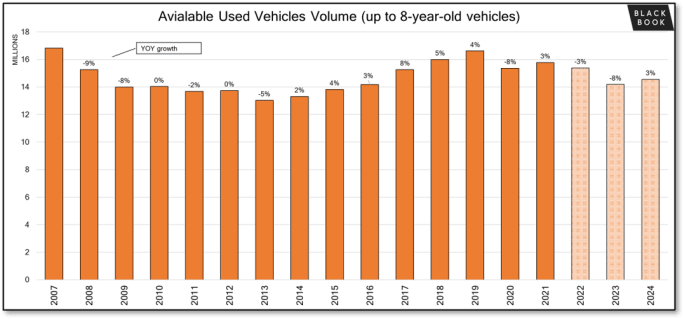
Rental sales were down about 50% in 2020 to 2022; hence, the supply of newer used vehicles will be limited in the next several years. Lease sales were projected to be down about 15% in 2020 and 2021, contributing to lower used supply three years out.
Source: Black Book Analytics
Pre-pandemic, average annual depreciation was somewhere in the teens, according to Yurchenko. When the pandemic hit, there was a drop in volume for the first part of the year, and then it began to increase. Overall, vehicles have appreciated by nearly 30%. This year, depreciation is projected to return to normal levels.
Last year, every single segment appreciated, some close to 50%, Yurchenko reported. Demand was great, but supply was limited, which caused prices to increase. Full-size vans have appreciated for nearly two years. Not many of them are being produced, and there’s a high demand for them, so prices keep going up.
“Now is a nice time to sell them, but not many people have them to sell,” Yurchenko said, adding that week-over-week price changes are close to 1%. There are three different classes of vehicles by their age group, and the trends for the most part are similar. In a typical spring market, consumers are looking for vehicles at around $10,000. Three years ago, that meant you were buying a 2–8-year-old vehicle. Now, to get to the same price point, you need to look at vehicles that are 10-plus years old.”
Even with projected price declines over the next two or three years, wholesale prices are still going to be 30% to 40% above where we were pre-COVID, according to Yurchenko.
“With production levels returning to normal next year, depreciation will get to a normal seasonal level.
According to Yurchenko’s data, a three-year-old vehicle pre-pandemic retained about 50% of its value. While residuals will decline, they will still be much higher compared to that pre-pandemic figure.
Electric vehicle (EV) sales are projected to gradually increase, making up about 20% of new sales by the end of this decade; however, there’s much to accomplish for mass adoption, including charging infrastructure, building a used market, and creating a market for the second life of the battery. More EVs entered the market last year, and there’s higher lease penetration for them. There’s also an increase in used EVs coming back to the market.
“EVs are still a relatively small segment,” Yurchenko said. However, EV values surged as they did as the other segments, dominated mostly by Tesla. Yet EVs values are projected to drop as well in three or four years.
In Q1, rental companies nearly stopped buying rental-type units with the hope that new inventory was coming. In the last month or so, rental companies are returning to the U.S. market to purchase more units. The problem is that there are not many new or used low-mileage vehicles left.
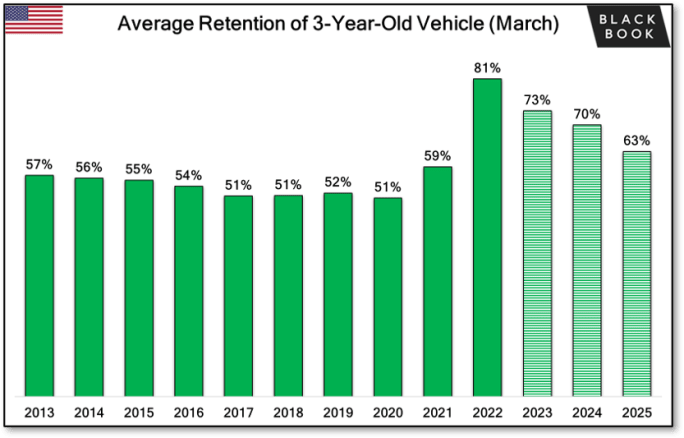
By the end of 2022, Black Book expects prices to decline but not return to pre-COVID levels. Lower new vehicle sales in 2021 will result in reduced used supply in three years, leading to stronger prices.
Source: Black Book Analytics
“For a small rental car fleet, it’s difficult to get new vehicles and they probably have to pay sticker price through retail,” Yurchenko said, adding that the used market drying up for rental fleets. “There aren’t many places where you can buy a low-mileage ’19 or ’20 vehicle right now. Many of them were bought last year by larger rental companies. The inventory of those used vehicles with low mileage is shrinking.”
Overall auction volume is down compared to pre-COVID levels, as are dealer-to-dealer sales, sales directly to dealers, and consumer-to-consumer purchases.
“The pandemic pushed the industry into this,” Yurchenko said. “It’s not new territory; it just accelerated the change that dealers are now requiring vehicles through multiple channels. They go directly to consumers, fleets, and rental companies to buy vehicles.”
Originally posted on Auto Rental News
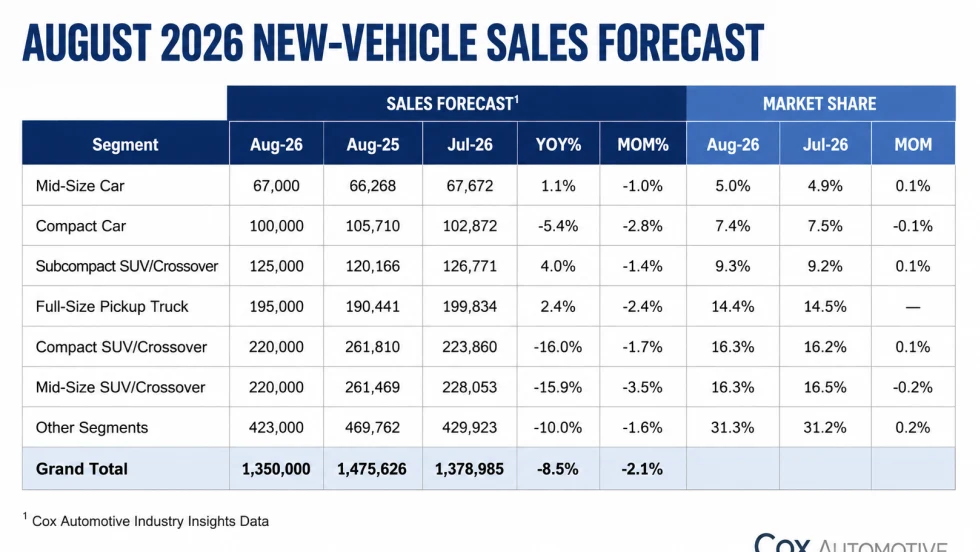
Despite an expected 8.5% year-over-year decline in August volume, Cox Automotive forecasts a 16.3 million SAAR, with full-size pickups outperforming several major crossover segments.
Read More →
The strongest trade values aren't built at turn-in. Discover how maintenance, lifecycle planning, and shared risk protect truck resale value.
Read More →
A truck's trade value isn't determined on turn-in day. Learn how market cycles, maintenance, and timing shape the gap between residuals and reality.
Read More →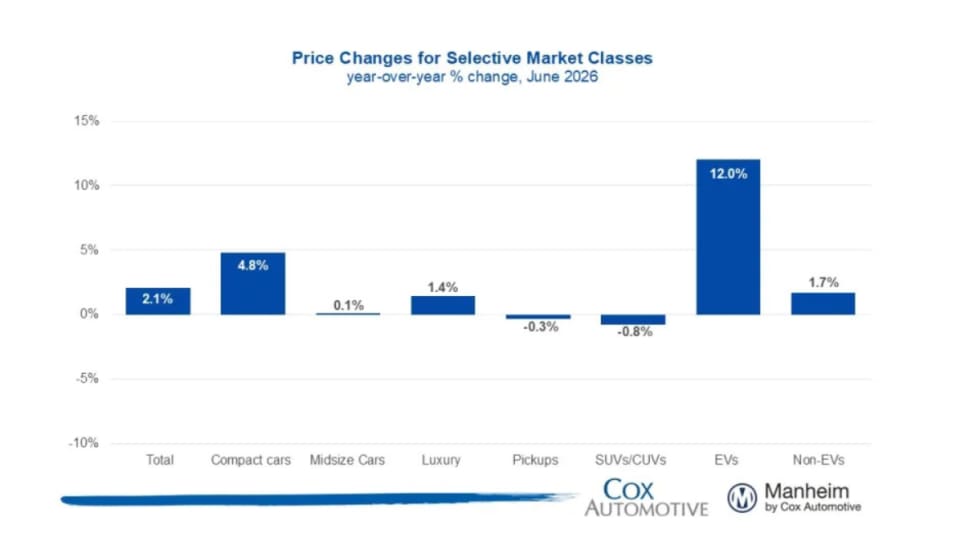
The market is seeing stronger appreciation in older used vehicles this year, and the most affordable segments have been among the year’s best performers.
Read More →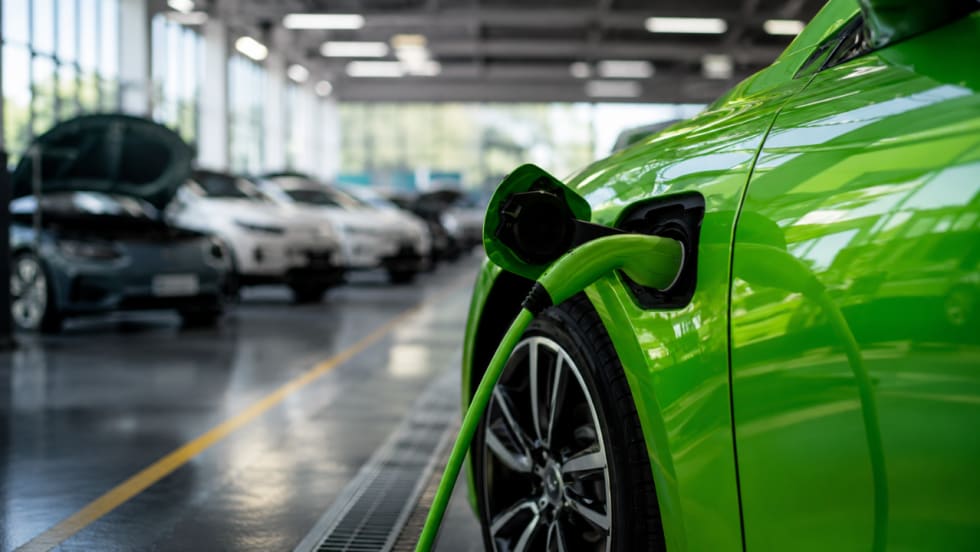
The advantages and attributes of electric vehicles are upending the traditional remarketing cycle, requiring fleet sellers to rely on new factors and approaches detailed below.
Read More →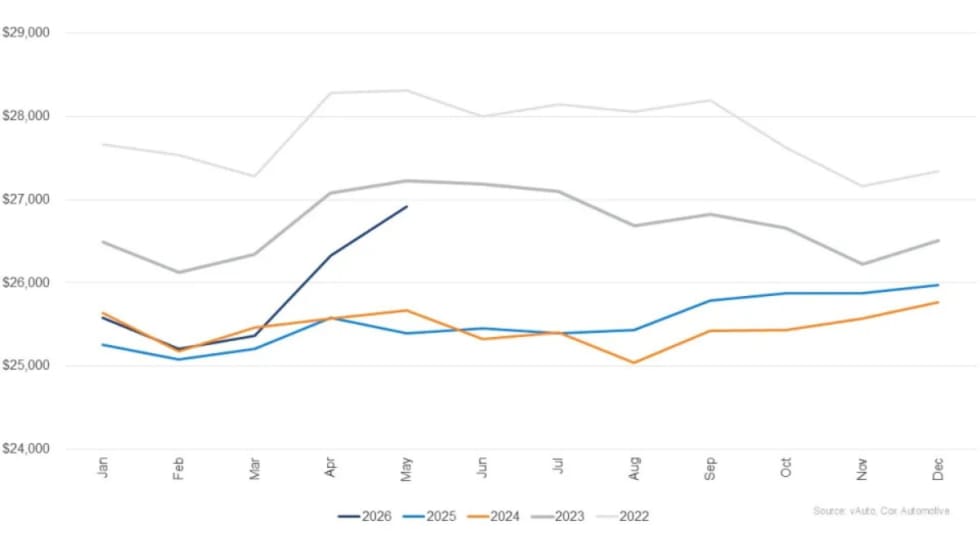
The higher prices at used retail reflect strong wholesale values earlier in the spring, particularly for older, more affordable vehicles.
Read More →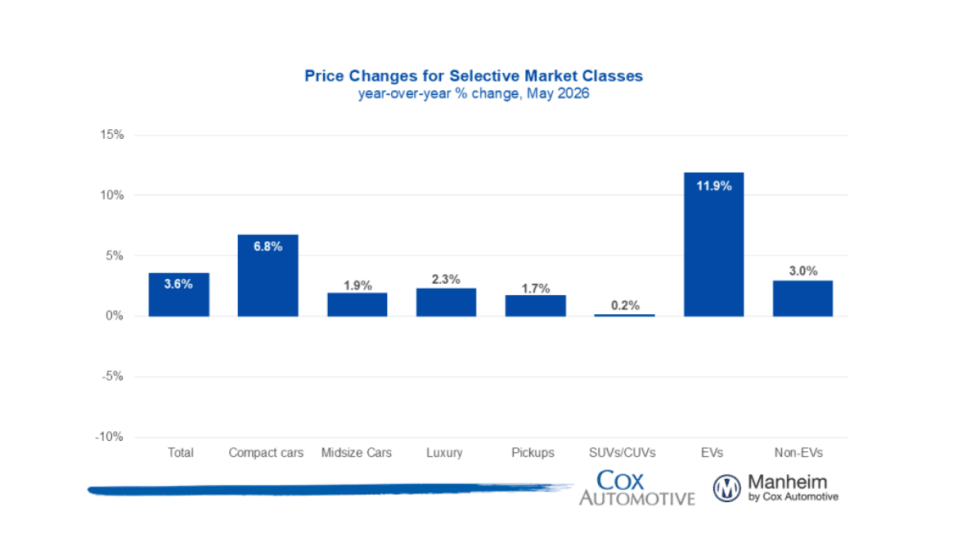
Trends continue to normalize after a strong start to the year, as consumers contend with higher gas prices in the coming summer months.
Read More →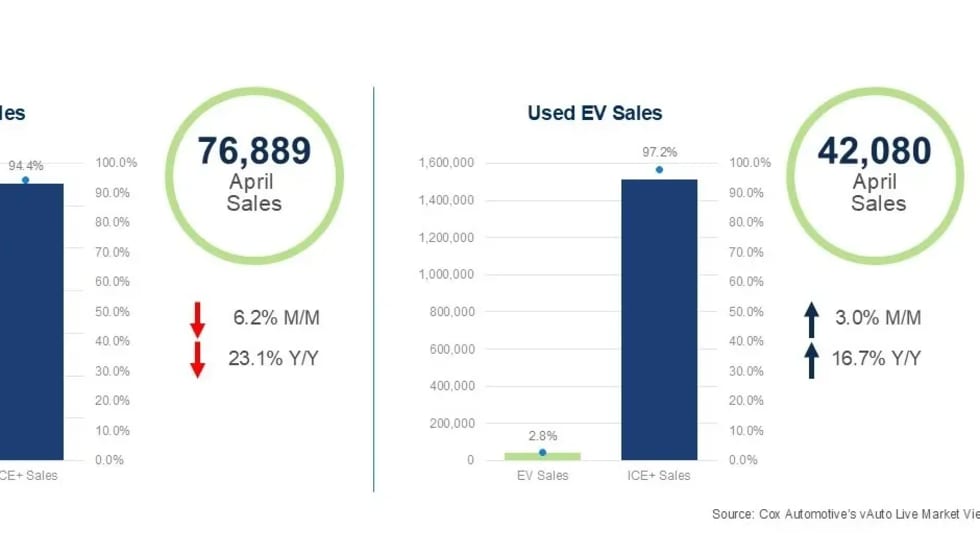
While EV sales declined, used EV sales grew, as tighter inventory and rising prices reflected a more normalized pace for the EV market.
Read More →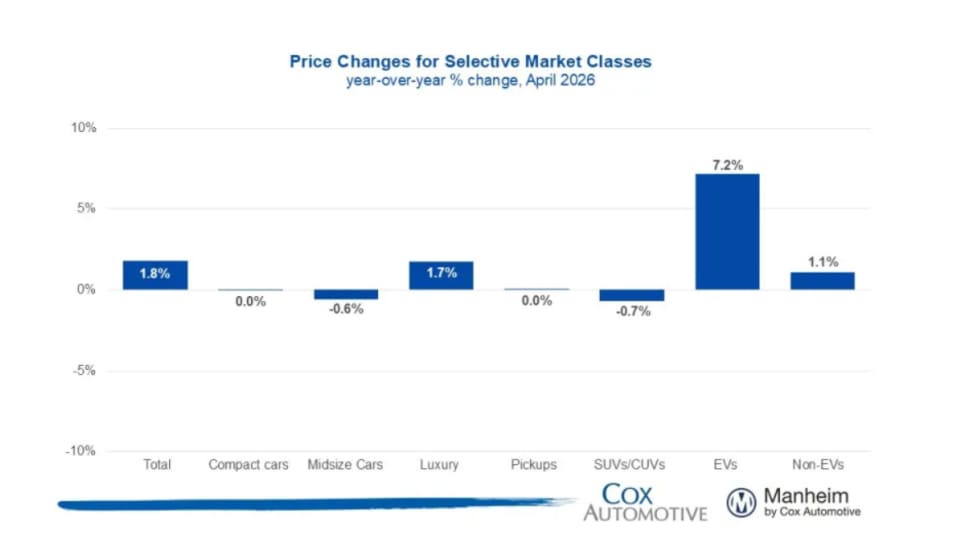
The Iranian conflict and rising gas prices inject much uncertainty into the future wholesale used vehicle markets, as higher gas prices soak up spendable income from vehicle buyers.
Read More →
The second half of CAR 2026 examined how fleets can translate lifecycle strategy, vehicle data, and market shifts into higher real-world results.
Read More →