



Related: Large SUVs Soar, Compact Vans Sink at January Auctions
Used Van Market Splits In Two
Residual values of full-size vans have remained strong while compact vans have weakened in the past year, creating a widening gap that has created two used van markets for fleet sellers.

Paul Clinton・Former Senior Web Editor
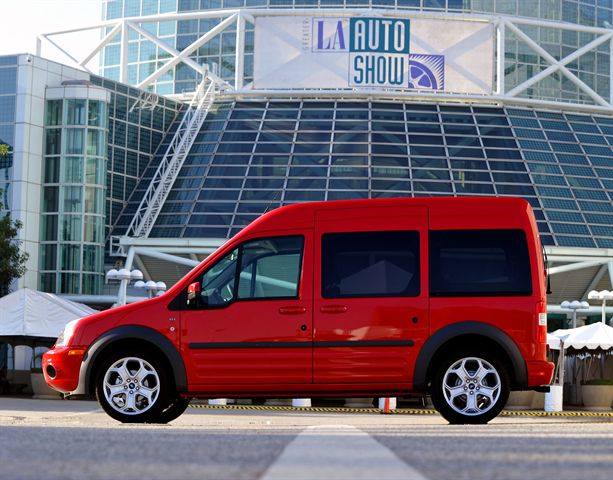
File photo of 2011 Ford Transit Connect
3 min to read
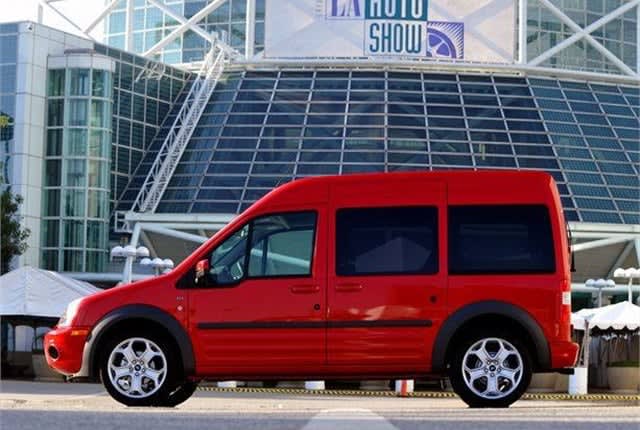
File photo of 2011 Ford Transit Connect
Residual values of full-size vans have remained strong while compact vans have weakened in the past year, creating a widening gap that has created two used van markets for fleet sellers.
The residual values of three- to five-year-old compact vans have deteriorated since late 2014 — a trend that's expected to continue as long as fuel prices remain low and buyers can opt for new Euro-style models, according to Black Book.
"Compared to the car segments, they're still doing well," said Anil Goyal, Black Book's vice president of automotive valuation and analytics. "But they kind of lost ground last year when the gas prices fell, and have continued to slide since then."
Compact vans have ranked toward the top of depreciation reports for several months. In January, the category fell 3.6% to $10,101 and 22.8% from a year earlier. The category showed the highest depreciation of any vehicle category tracked by Black Book for 2015, falling 22.6% to $10,478. Meanwhile, full-size vans depreciated only 5.7% to $20,068 in 2015. These figures represent an average of sales for vehicles in model years 2010 to 2014.
Part of the slump has resulted from an oversupply of first-generation Ford Transit Connect vans gobbled up by commercial buyers after a 2009-MY update. At the time, with fuel prices high and the economy slumping, many commercial fleets downsized to the Transit Connect from full-size vans for reduce operating costs.
But these vans now entering the used-vehicle market, especially from model years 2011-MY to 2013-MY, have created more supply that demand. Ford gave the Transit Connect a wide-ranging makeover for the 2014-MY.
"At that time, pricing was right, the economy was struggling, and gas prices were high," Goyal said. "It really became a hit. The production was accelerated too quickly, so a lot of supply got generated."
With a 2011-MY used full-size van now costing only about $2,500 to $3,000 more at auction, buyers are opting for the larger vehicle.
Full-size vans have also held their value much better than their smaller brethren. Comparing two 2011-MY vehicles, a full size van will typically be selling at about 47% of its initial value, while a compact van will sell for about 40% of its initial value, Goyal said.
Older compact vans have also been hurt by a glut of new product in the segment. General Motors introduced its 2015-MY Chevrolet City Express at the end of 2014, and FCA US began selling its 2015-MY Ram ProMaster City at the beginning of the year. Mercedes-Benz introduced its Metris mid-size van in the fall, a vehicle Black Book will categorize as a compact van when it's sold at auction.
These introductions resulted in an increase in new compact van sales of 37.6% to 94,167 units in 2015, according to GoodCarBadCar.net. In 2013, manufacturers sold about 53,000 compact vans. New Transit Connect sales increased 20.9%, according to Ford.
Despite these factors, Goyal doesn't see compact van depreciation getting much worse.
"The depreciation has been much steeper," Goyal said. "But if you look at the pricing, there is still a little more room for it to run before that disparity becomes so large. The prices are not going to drop much more but should remain low."
Originally posted on Automotive Fleet
More Operations
CAS Automotive Launches Remarketing Service for Damaged, Surplus Equipment
Damaged Equipment expands CAS Automotive’s vehicle remarketing model to commercial equipment, targeting fleet operators, insurers, equipment dealers, and rental companies.
Read More →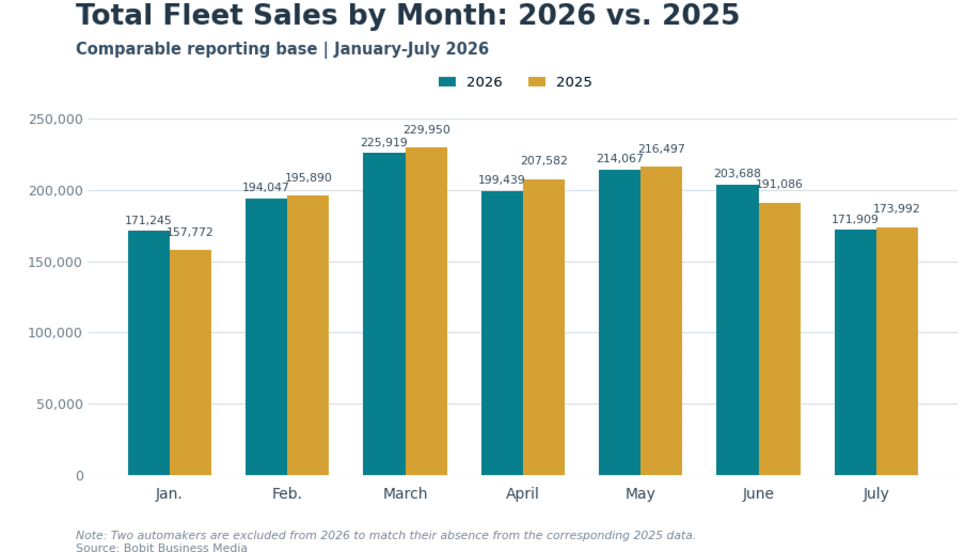
Fleet Sales Hold Steady as Commercial Gains Offset Rental Decline
Commercial and government fleet sales increased through July 2026, offsetting most of the decline in rental volume and leaving combined comparable fleet sales 0.5% above the same period last year.
Read More →
Personnel Update: BrickHouse GPS, PRO-VISION, Auto Driveaway, and Proaction
Check out the latest must-know fleet personnel updates from the last couple of months.
Read More →
What Comes Next for Auto Driveaway?
A new Auto Driveaway feature called Arrive provides recipients with live location updates and ETAs during the final hour of a vehicle move, while fleet customers continue to have end-to-end shipment visibility through the company's customer portal.
Read More →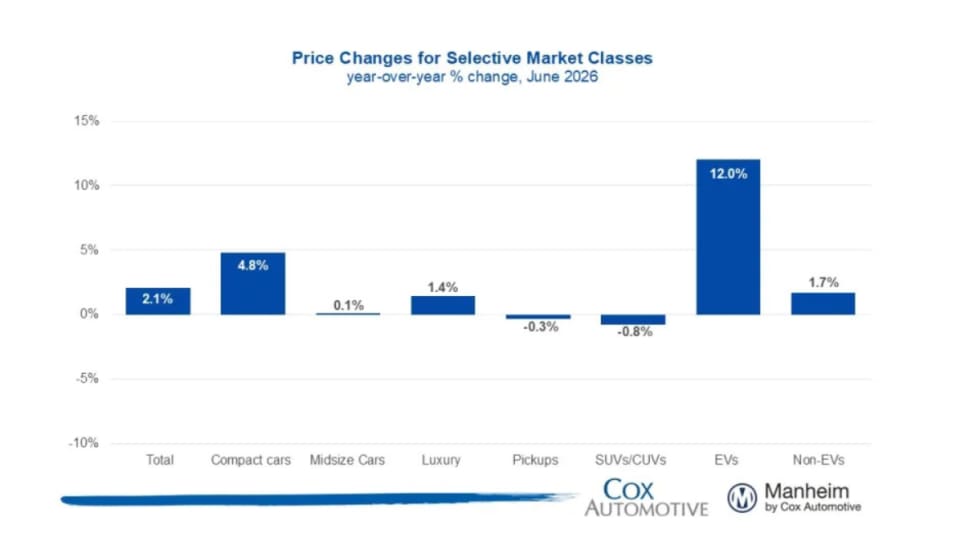
Manheim Index Shows Used-Vehicle Wholesale Prices Up 2.1% in June
The market is seeing stronger appreciation in older used vehicles this year, and the most affordable segments have been among the year’s best performers.
Read More →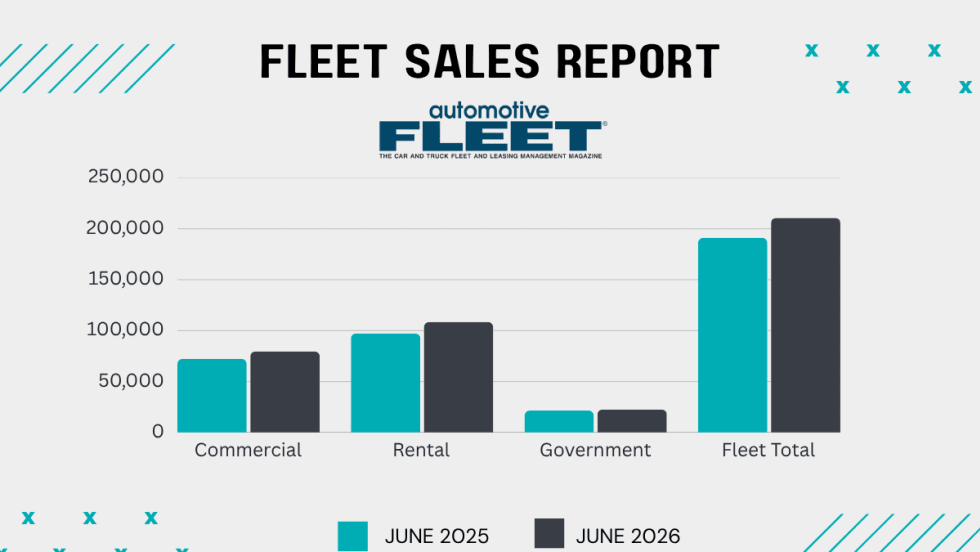
Commercial Fleet Sales Contribute To June, YTD Gains
The fleet sector has boosted its vehicle purchases at a reliable pace in the first half of this year compared with 1H 2025.
Read More →
Stop Remarketing Electric Vehicles Like Gas Cars
The advantages and attributes of electric vehicles are upending the traditional remarketing cycle, requiring fleet sellers to rely on new factors and approaches detailed below.
Read More →
AP Fleet Management Expands Remarketing Program for Commercial Work Trucks
AP Fleet Management expanded its commercial vehicle remarketing program with dedicated resale services and an online marketplace for used work trucks.
Read More →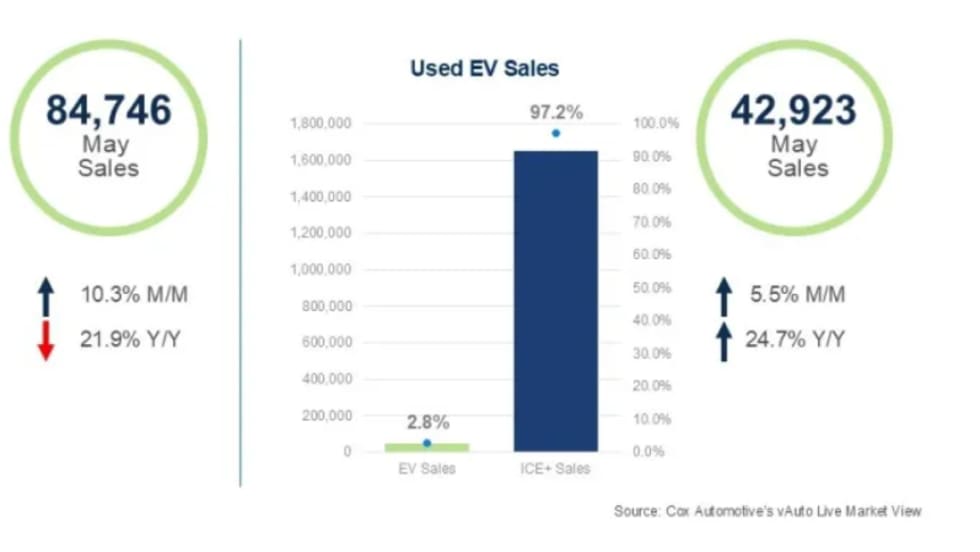
Used EVs Strengthen Overall Electric Vehicle Market
The latest sales data point to several reasons for the divergent trends in new and used EVs that can factor into fleet cycling decisions.
Read More →
The Data-Driven Haul: 5 Ways AI is Leveling the Playing Field in Auto Transport
Large and small transport fleets are becoming more competitive as predictive analytics and real-time data inform the logistics decision chain.
Read More →