



Used-Car Values Could Fall by 50%, Morgan Stanley Says
A new report from Morgan Stanley warns that used-car values could fall by 25% to 50% in the next four to five years.

Photo by Zelda Richardson.

Photo by Zelda Richardson.
A new report from Morgan Stanley warns that used-car values could fall by 25% to 50% in the next four to five years. It was prepared by a team of researchers led by Adam Jonas, a CFA and equity analyst for the firm.
“Anatomy of a Used Car Downturn (in Charts)” examines key factors affecting used-vehicle pricing, including a growing supply of off-lease units, stretching credit terms, and the growing representation of subprime credit customers in auto finance portfolios. Rising interest rates, spurred by a series of Federal Reserve-ordered hikes, could combine with a high number of negative-equity trade-ins to restrict the availability of credit to used-car buyers, the report concluded.
“Eight years into a strong auto credit cycle, all eyes are focused on the signs of vulnerability in the used-car market,” the report states, in part. “How does it all start and how bad could it get?”
The report points first to an abundance of new-car inventory — up 10% and trending higher at the end of 2016 — and then to price competition: Having capacitized to a seasonally adjusted annual rate (SAAR) of up to 20 million units, OEMs and dealers will have to price to sell in a market that is expected to hew closer to the 17 million-unit mark this year.
“As new-car prices fall, used prices look relatively more expensive, which necessitates a decline in used prices to equilibrate the supply/demand imbalance,” the report warns.
Among the lesser-discussed factors that could drive down used-car values, Morgan Stanley’s analysts included new “active” safety technology, including autonomous and semiautonomous systems designed to avoid rear-end collisions and unintended lane departures. After years of steady decline, U.S. traffic fatalities have jumped by 20% over the past two years, the report noted, casting the blame on distracted drivers — the same group that stands to gain the most from collision avoidance technology.
“We expect auto firms to achieve nearly 100% active safety penetration by 2020, creating an unprecedented safety gap between new and used vehicles, accelerating obsolescence of the used stock,” the analysts wrote. “Rising insurance premiums on older cars could accelerate this shift.”
Originally posted on Automotive Fleet
More Operations

CAS Automotive Launches Remarketing Service for Damaged, Surplus Equipment
Damaged Equipment expands CAS Automotive’s vehicle remarketing model to commercial equipment, targeting fleet operators, insurers, equipment dealers, and rental companies.
Read More →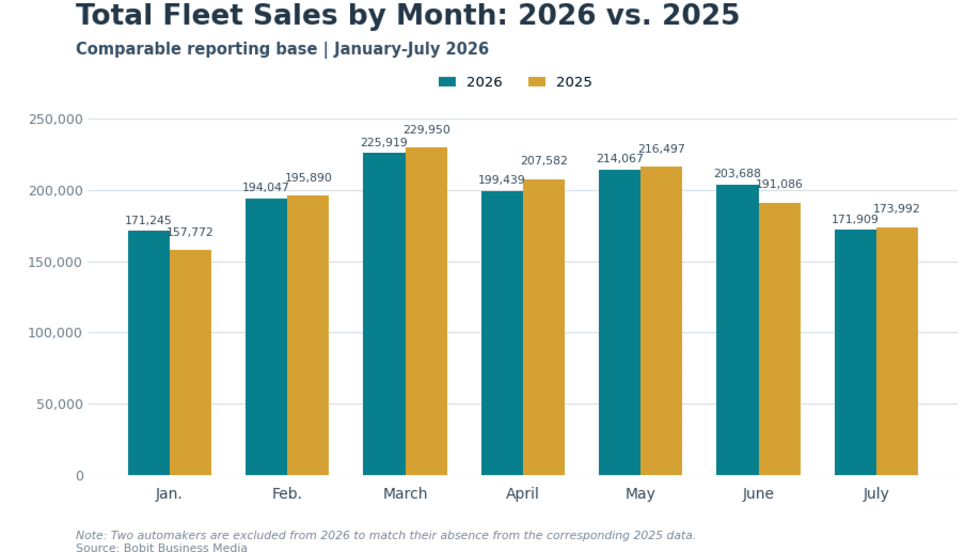
Fleet Sales Hold Steady as Commercial Gains Offset Rental Decline
Commercial and government fleet sales increased through July 2026, offsetting most of the decline in rental volume and leaving combined comparable fleet sales 0.5% above the same period last year.
Read More →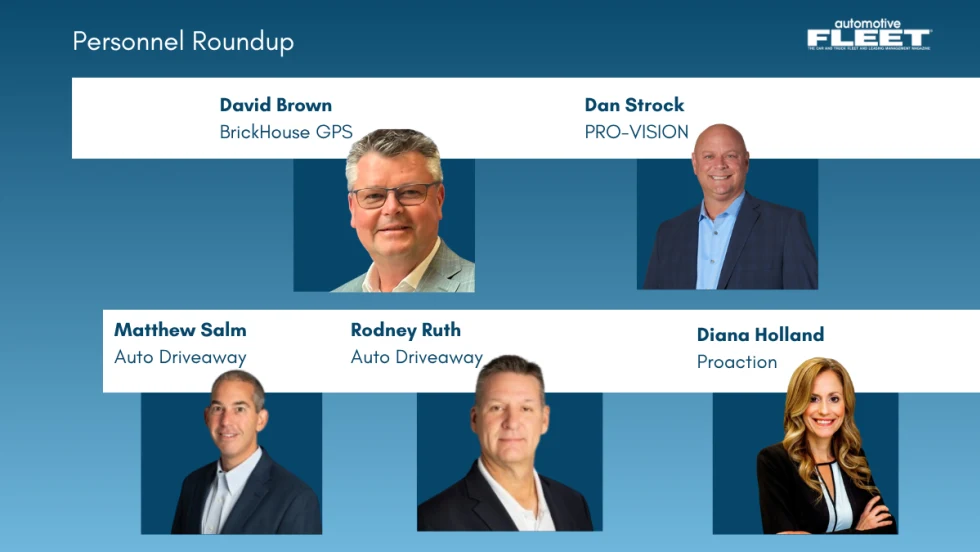
Personnel Update: BrickHouse GPS, PRO-VISION, Auto Driveaway, and Proaction
Check out the latest must-know fleet personnel updates from the last couple of months.
Read More →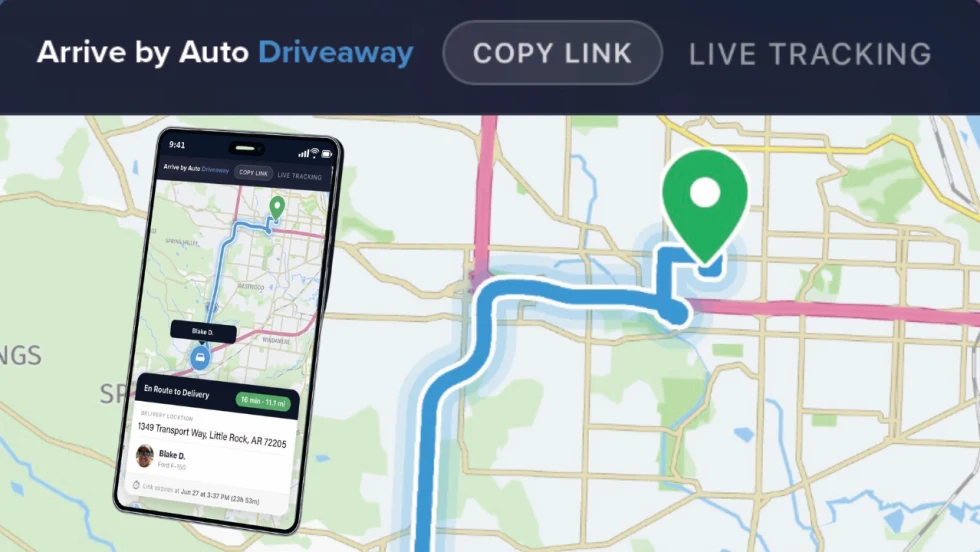
What Comes Next for Auto Driveaway?
A new Auto Driveaway feature called Arrive provides recipients with live location updates and ETAs during the final hour of a vehicle move, while fleet customers continue to have end-to-end shipment visibility through the company's customer portal.
Read More →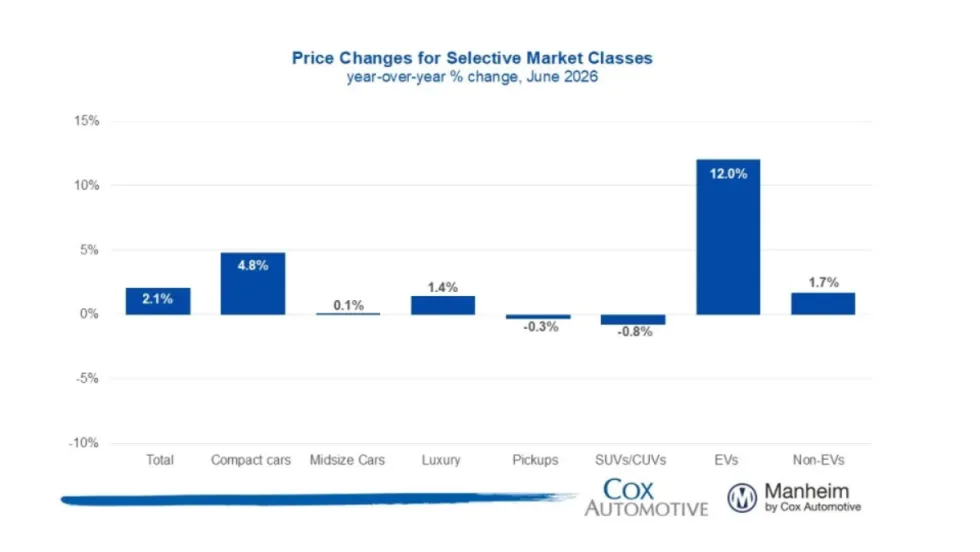
Manheim Index Shows Used-Vehicle Wholesale Prices Up 2.1% in June
The market is seeing stronger appreciation in older used vehicles this year, and the most affordable segments have been among the year’s best performers.
Read More →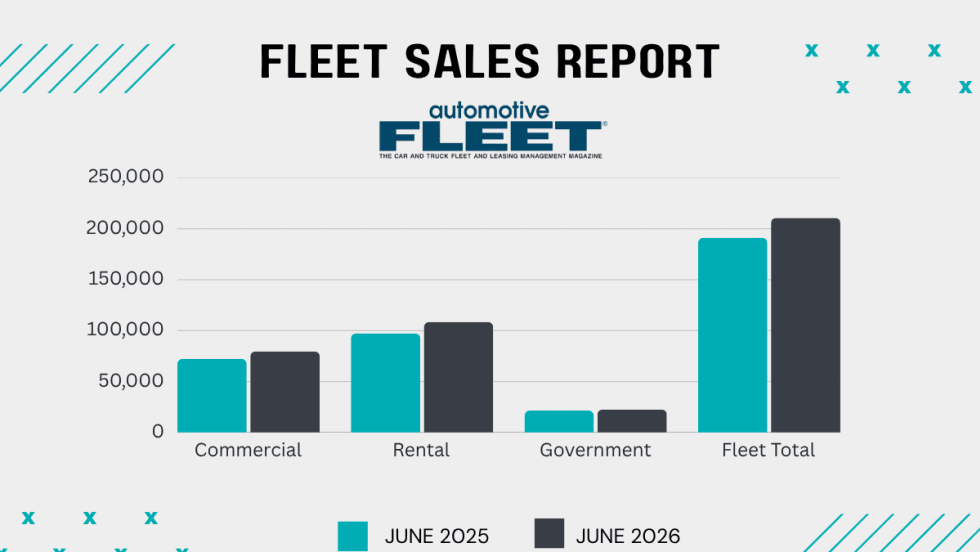
Commercial Fleet Sales Contribute To June, YTD Gains
The fleet sector has boosted its vehicle purchases at a reliable pace in the first half of this year compared with 1H 2025.
Read More →
Stop Remarketing Electric Vehicles Like Gas Cars
The advantages and attributes of electric vehicles are upending the traditional remarketing cycle, requiring fleet sellers to rely on new factors and approaches detailed below.
Read More →
AP Fleet Management Expands Remarketing Program for Commercial Work Trucks
AP Fleet Management expanded its commercial vehicle remarketing program with dedicated resale services and an online marketplace for used work trucks.
Read More →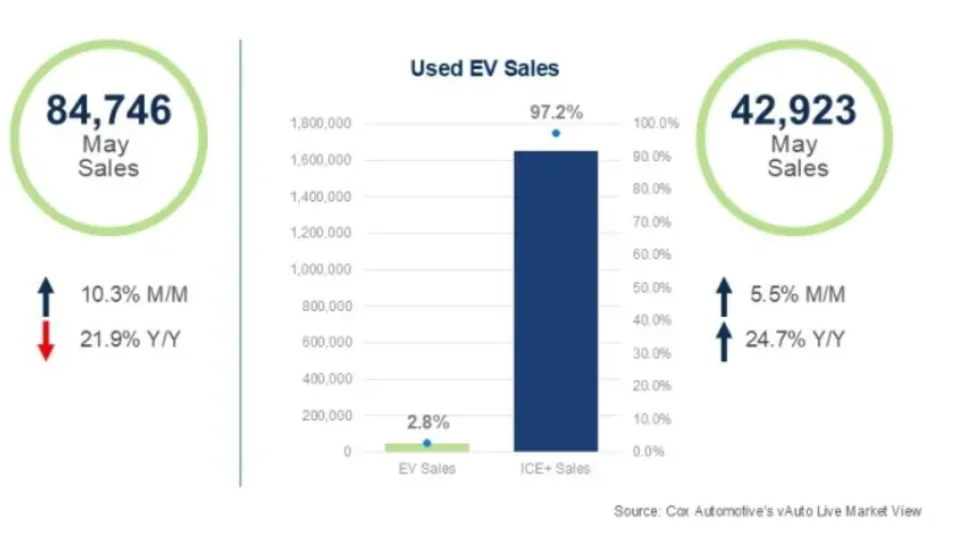
Used EVs Strengthen Overall Electric Vehicle Market
The latest sales data point to several reasons for the divergent trends in new and used EVs that can factor into fleet cycling decisions.
Read More →
The Data-Driven Haul: 5 Ways AI is Leveling the Playing Field in Auto Transport
Large and small transport fleets are becoming more competitive as predictive analytics and real-time data inform the logistics decision chain.
Read More →