



Used Car Market Should Grow 1% in 2018
The used vehicle market should grow about 1% in 2018 bolstered by a federal tax cut and influx of utility vehicles, while new vehicle sales are expected to remain flat, according to Cox Automotive's senior economist.

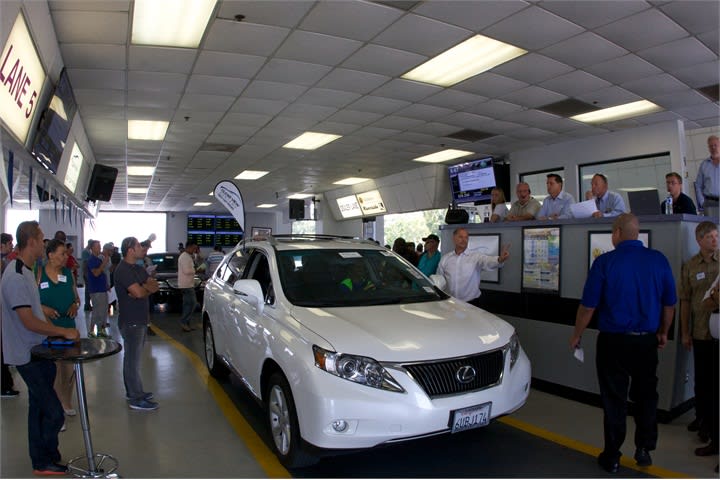
File art
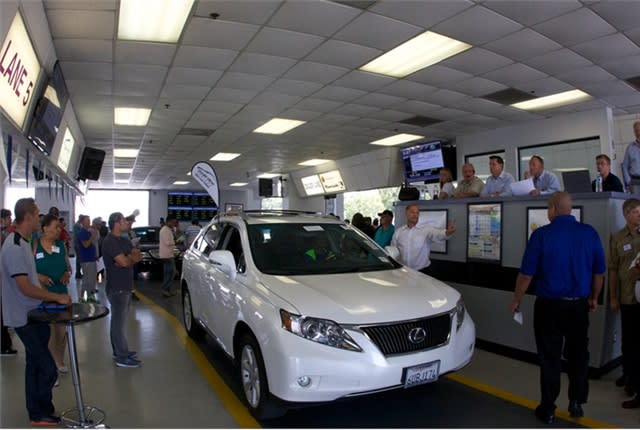
File art
The used vehicle market should grow about 1% in 2018 bolstered by a federal tax cut and influx of utility vehicles, while new vehicle sales are expected to remain flat, according to Cox Automotive's senior economist.
Used vehicle sales should reach 39.5 million units — a 400,000-unit increase from the expected 39.1 million used vehicles that will sell in 2017. About 16.7 million new vehicles are expected to sell in 2018, according to Charlie Chesbrough of Cox.
The used vehicle market has been following the new vehicle market and seeing a shift in the flow of vehicles toward more compact SUVs.
"First, the mix of off-lease cars is improving and falling more in line with consumer demand," said Chesbrough. "The large amount of off-lease vehicles in 2018 and beyond will include more SUV/CUV-type vehicles, which have been in such great demand. That will help."
Chesbrough and other experts agree that the tax cut signed by President Donald Trump on Dec. 22 should bring new buyers to the used vehicle market. The bill doubles the standard deduction and gives workers more take-home pay, which could be used to finance new leases or purchases.
"The doubling of the standard deduction will lift the spending power of most vehicle buyers, and used vehicle sales will benefit the most," Chesbrough said. "The average household income of a buyer in the used market is $70,000 vs. $100,000 in the new market. While the nominal tax savings will be largest among high income Americans, vehicle affordability will improve the most and across the broadest base for lower income brackets. The expected impact on the used market will be to improve both quantity and quality."
While the new-vehicle sales market is expected to be flat in 2018, used-vehicle sales should propel a growth trend that began two years ago among fleet remarketers, said Chris Clarke, ARI's North American remarketing manager.
"We have been experiencing organic growth over the last two years in vehicle remarketing, and we expect to see that trend continue in 2018," Clarke said. "We are also seeing a shift by certain clients as well the broader market to a higher adoption rate of small SUVs in fleets and in the overall retail markets. With a continued diminishment of the popularity in many of the sedans over the last couple of years, it is expected that we continue to see increasing volumes in remarketing trending towards SUV vs. sedans."
Some auctions are seeing the number of dealer vehicles fall and commercial vehicles rise. That trend should continue in 2018, said Penny Wanna, vice president of ServNet Auctions.
"In 2017 the type of vehicles (dealer and commercial) consigned at auction has been trending with dealer vehicle count down while the commercial vehicle count is up – the up/down shifts are almost equal in count, not effecting overall sales yet the formula on how we get to our total sales is different than in years past," Wanna said. "We are forecasting this trend to continue into 2018."
Used vehicle values increased about 2% from August to October as a result of the vehicles purchased to replace more than 500,000 vehicles damaged or destroyed by hurricanes in Texas and Florida.
Originally posted on Automotive Fleet
More Operations

CAS Automotive Launches Remarketing Service for Damaged, Surplus Equipment
Damaged Equipment expands CAS Automotive’s vehicle remarketing model to commercial equipment, targeting fleet operators, insurers, equipment dealers, and rental companies.
Read More →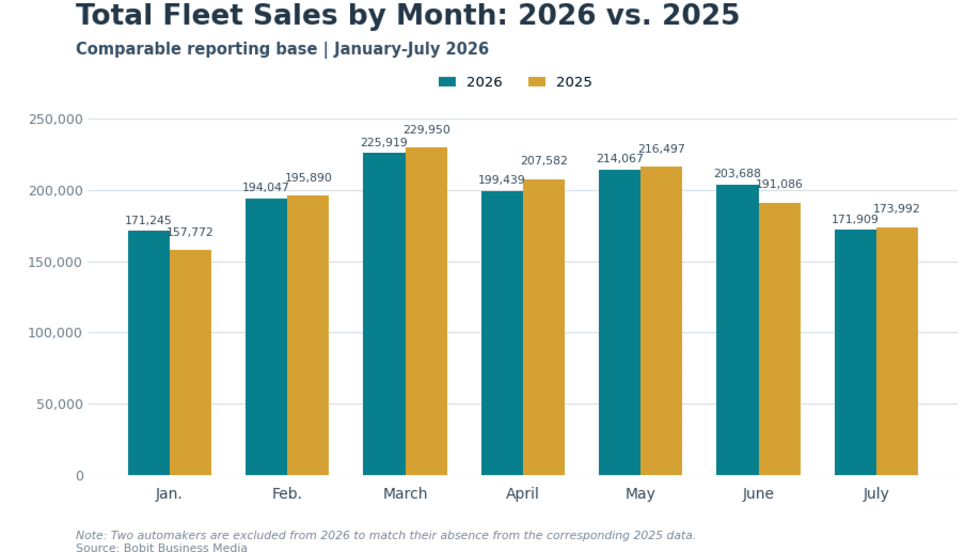
Fleet Sales Hold Steady as Commercial Gains Offset Rental Decline
Commercial and government fleet sales increased through July 2026, offsetting most of the decline in rental volume and leaving combined comparable fleet sales 0.5% above the same period last year.
Read More →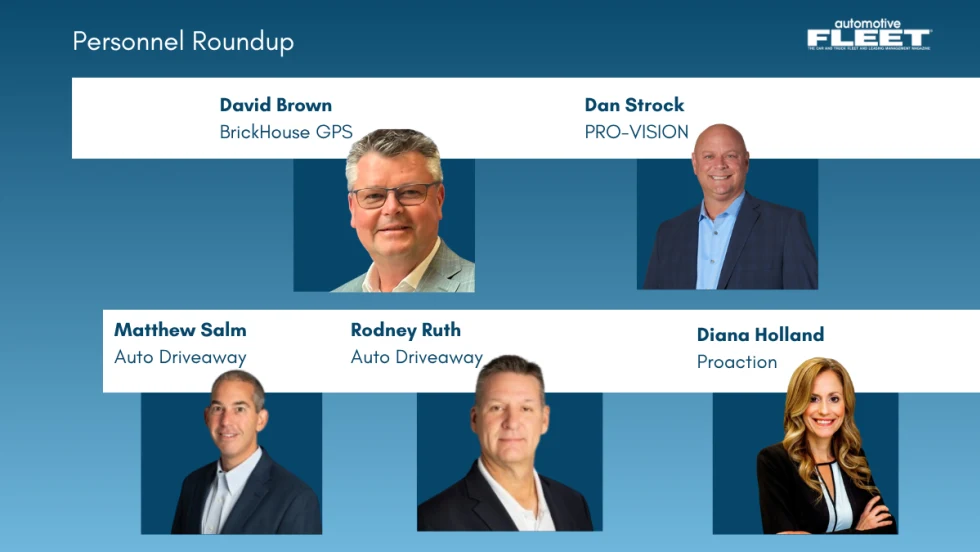
Personnel Update: BrickHouse GPS, PRO-VISION, Auto Driveaway, and Proaction
Check out the latest must-know fleet personnel updates from the last couple of months.
Read More →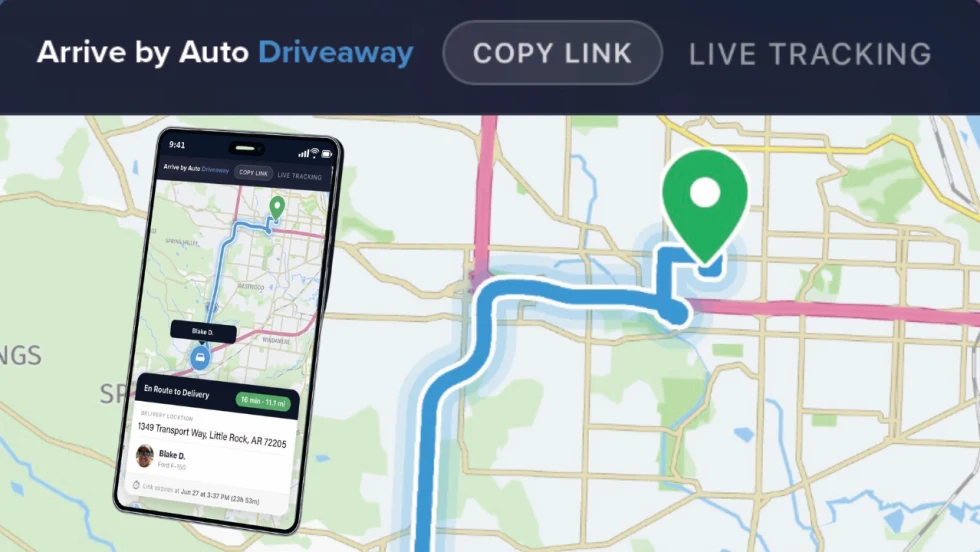
What Comes Next for Auto Driveaway?
A new Auto Driveaway feature called Arrive provides recipients with live location updates and ETAs during the final hour of a vehicle move, while fleet customers continue to have end-to-end shipment visibility through the company's customer portal.
Read More →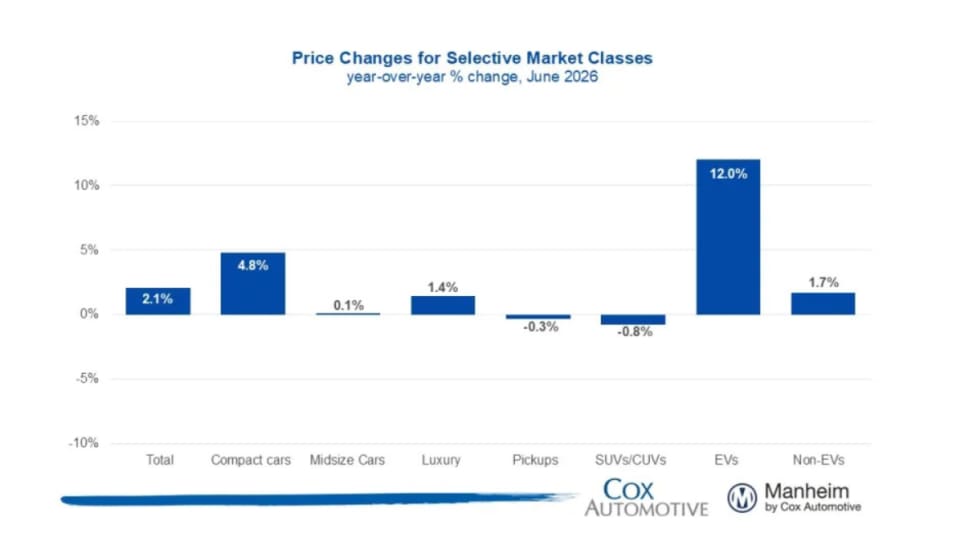
Manheim Index Shows Used-Vehicle Wholesale Prices Up 2.1% in June
The market is seeing stronger appreciation in older used vehicles this year, and the most affordable segments have been among the year’s best performers.
Read More →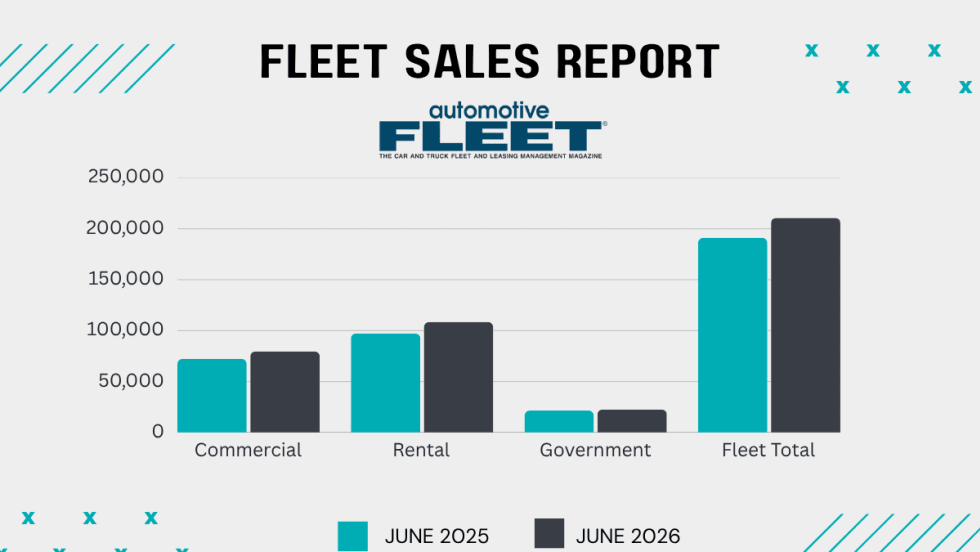
Commercial Fleet Sales Contribute To June, YTD Gains
The fleet sector has boosted its vehicle purchases at a reliable pace in the first half of this year compared with 1H 2025.
Read More →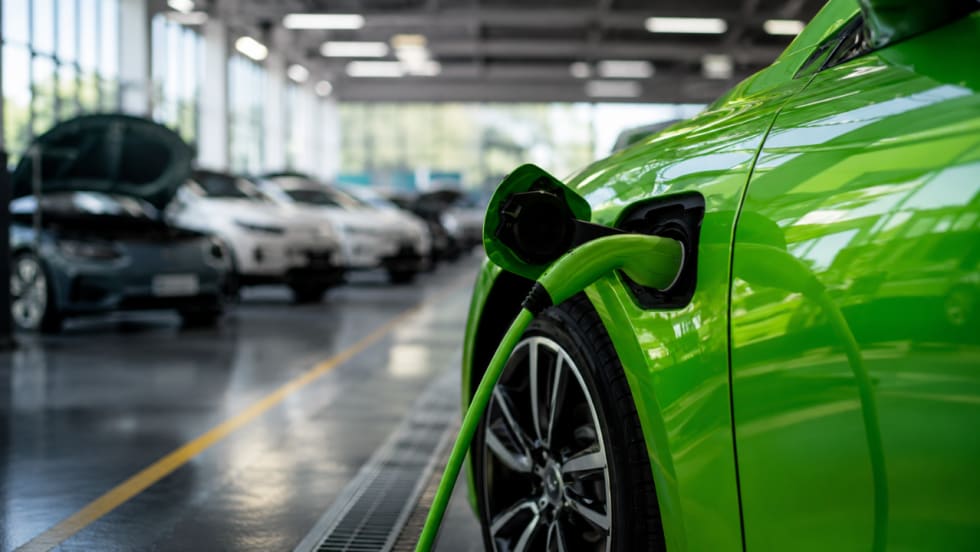
Stop Remarketing Electric Vehicles Like Gas Cars
The advantages and attributes of electric vehicles are upending the traditional remarketing cycle, requiring fleet sellers to rely on new factors and approaches detailed below.
Read More →
AP Fleet Management Expands Remarketing Program for Commercial Work Trucks
AP Fleet Management expanded its commercial vehicle remarketing program with dedicated resale services and an online marketplace for used work trucks.
Read More →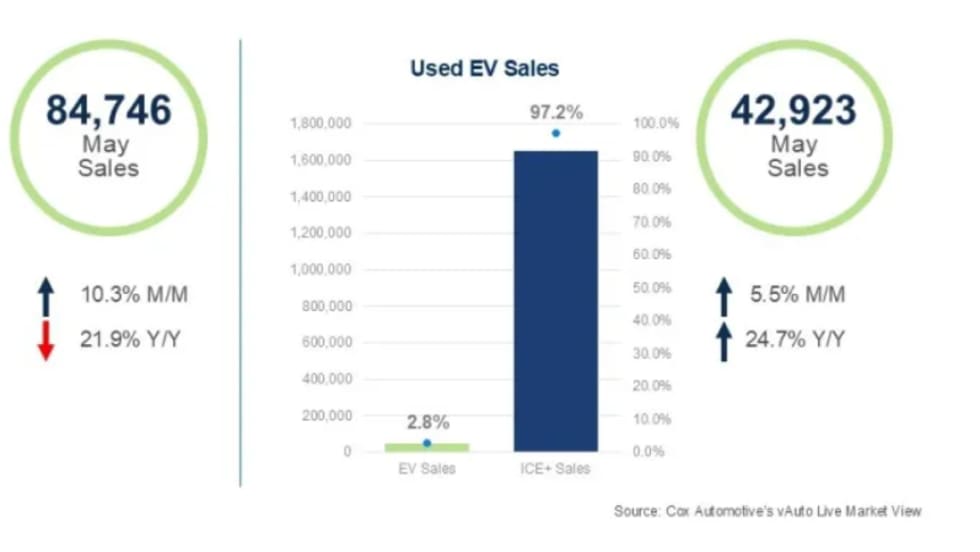
Used EVs Strengthen Overall Electric Vehicle Market
The latest sales data point to several reasons for the divergent trends in new and used EVs that can factor into fleet cycling decisions.
Read More →
The Data-Driven Haul: 5 Ways AI is Leveling the Playing Field in Auto Transport
Large and small transport fleets are becoming more competitive as predictive analytics and real-time data inform the logistics decision chain.
Read More →