



"Unthinkable": Tariffs Put Auto Market on Tough Road
About 44% of the new vehicles sold in the U.S. last year were imported from countries across North America, Europe, and Asia.


The automotive business involves a large and complex global supply chain, so new tariffs will challenge an industry already facing high costs.
Graphic: Cox Automotive
Depending on how long they last, 25% tariffs across North America could likely upend the auto market in the United States and the larger economy.
As previously reported, the North American auto market has enjoyed 30 years of free trade, so new tariffs will be disruptive for any period beyond the short term.
About 44% of the new vehicles sold in the U.S. last year were imported from countries across North America, Europe, and Asia. The automotive business involves a large and complex global supply chain, so new tariffs will challenge an industry already facing high costs. Higher costs translate to fewer affordable options for consumers; higher costs mean lower sales volume.
Cox Automotive’s economic and industry insights team is closely monitoring this evolving story and, when appropriate and possible, is providing fresh perspectives based on the latest information. Some initial thoughts:
Jonathan Smoke, Chief Economist: “For economists, the unthinkable is coming true, with tariffs being applied to our free trade partners across North America. We have no history to study, but there will be implications. It is unclear if the U.S. government can track the movement of goods and impose duties efficiently, but set that aside: Production will be disrupted, supply will be restricted, and prices will go up.
"This is happening when supply is tight already, and just as tax refund season approaches, critical mass in dollars is being distributed to consumers. Consumers with potential buying plans are likely to act swiftly, so the short term is likely positive for sale volume. But once prices shift higher, demand will decline. Pending on how long this tariff stance lasts, it will also jeopardize the trajectory of the overall economy, further weakening growth potential later in the year.”
Erin Keating, executive analyst: “New tariffs hitting the U.S. borders are troubling for the North American automotive market, as we know it will add substantial input costs to automakers, which inevitably have to be passed along in some capacity to the consumer. Now comes the ultimate test: The industry’s ability to contain the tariff-driven price increases, with the uncertainty of how long these tariffs stay intact and to what degree they can be assessed at the border, given the complexity. Ultimately, the volatility in policy is most damaging to the automakers’ ability to strategize for the future; the uncertainty is far worse than knowing what hand they’ve been dealt.”
Charlie Chesbrough, senior economist: “Through much of 2024, many of the key metrics for the auto industry were returning to long-established norms. New-vehicle inventory had mostly recovered from the pandemic shortages; sales volumes and incentives were increasing, as expected. And while new-vehicle prices are elevated compared to 2019, new-vehicle price inflation was relatively tame in 2024, with transaction prices in January 2025 below levels measured in January 2023. But here we go again. As the industry seemed to be finding stable ground, new obstacles were thrown in place. The industry's big question is how long higher tariffs are held in place. Higher prices and border disruptions could result in lower volume. Our forecast of 16.3 million new-vehicle sales in 2025, at least now, is now in question.”
Originally posted on Automotive Fleet
More Operations

CAS Automotive Launches Remarketing Service for Damaged, Surplus Equipment
Damaged Equipment expands CAS Automotive’s vehicle remarketing model to commercial equipment, targeting fleet operators, insurers, equipment dealers, and rental companies.
Read More →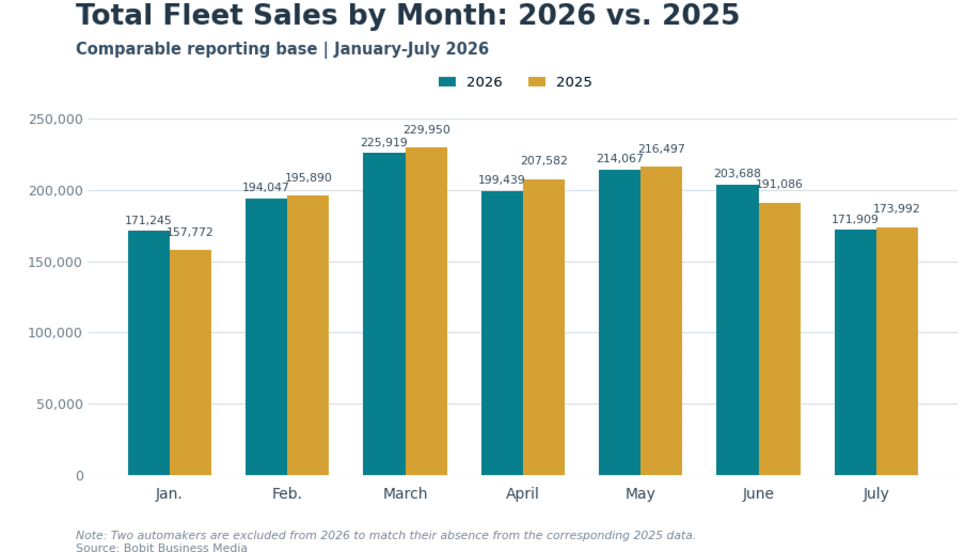
Fleet Sales Hold Steady as Commercial Gains Offset Rental Decline
Commercial and government fleet sales increased through July 2026, offsetting most of the decline in rental volume and leaving combined comparable fleet sales 0.5% above the same period last year.
Read More →
Personnel Update: BrickHouse GPS, PRO-VISION, Auto Driveaway, and Proaction
Check out the latest must-know fleet personnel updates from the last couple of months.
Read More →
What Comes Next for Auto Driveaway?
A new Auto Driveaway feature called Arrive provides recipients with live location updates and ETAs during the final hour of a vehicle move, while fleet customers continue to have end-to-end shipment visibility through the company's customer portal.
Read More →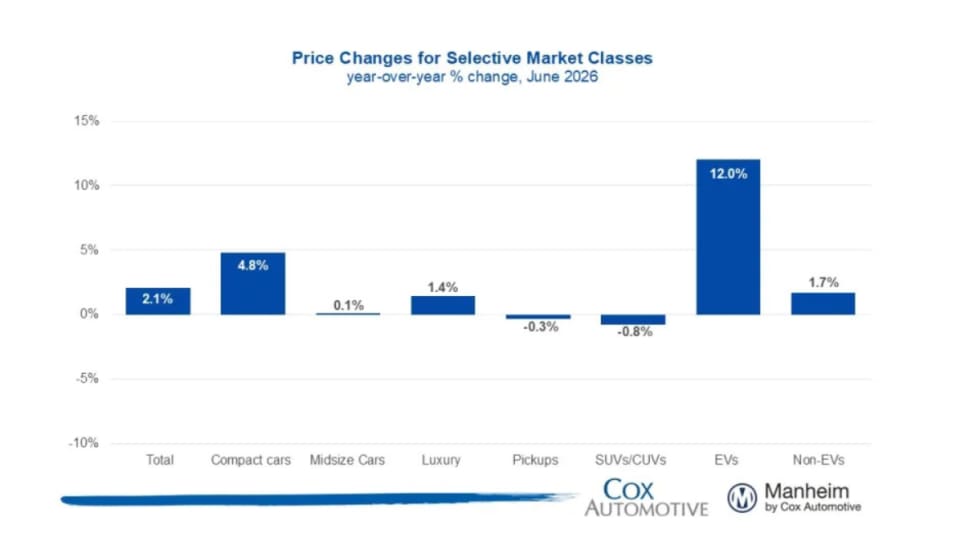
Manheim Index Shows Used-Vehicle Wholesale Prices Up 2.1% in June
The market is seeing stronger appreciation in older used vehicles this year, and the most affordable segments have been among the year’s best performers.
Read More →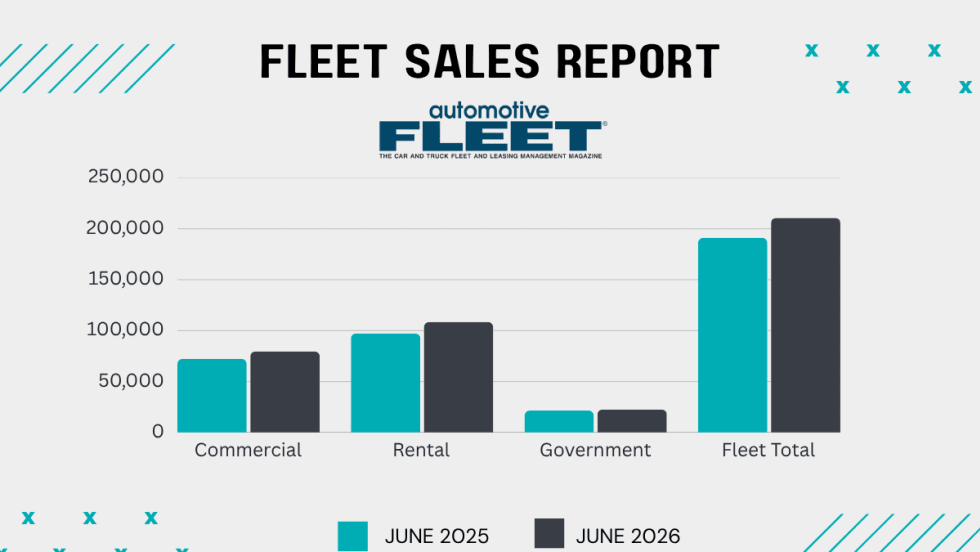
Commercial Fleet Sales Contribute To June, YTD Gains
The fleet sector has boosted its vehicle purchases at a reliable pace in the first half of this year compared with 1H 2025.
Read More →
Stop Remarketing Electric Vehicles Like Gas Cars
The advantages and attributes of electric vehicles are upending the traditional remarketing cycle, requiring fleet sellers to rely on new factors and approaches detailed below.
Read More →
AP Fleet Management Expands Remarketing Program for Commercial Work Trucks
AP Fleet Management expanded its commercial vehicle remarketing program with dedicated resale services and an online marketplace for used work trucks.
Read More →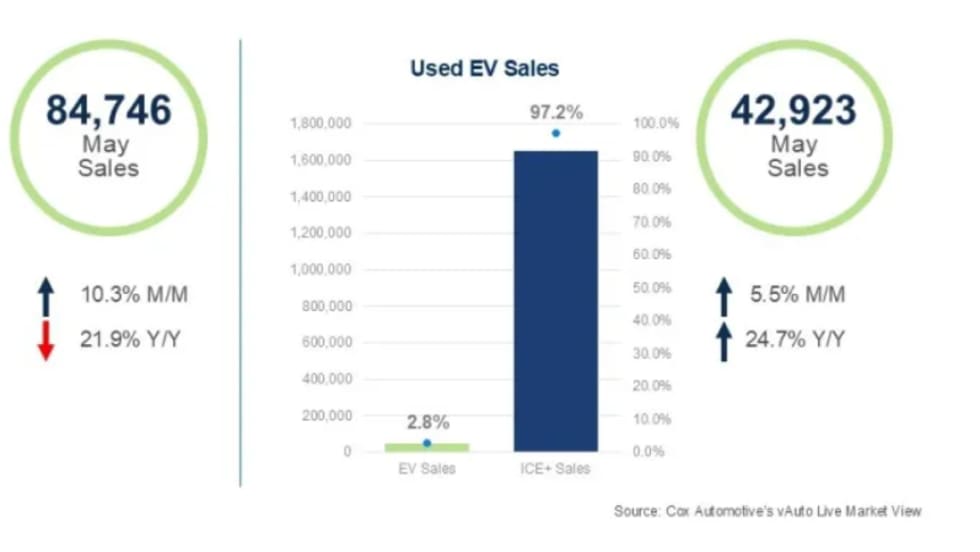
Used EVs Strengthen Overall Electric Vehicle Market
The latest sales data point to several reasons for the divergent trends in new and used EVs that can factor into fleet cycling decisions.
Read More →
The Data-Driven Haul: 5 Ways AI is Leveling the Playing Field in Auto Transport
Large and small transport fleets are becoming more competitive as predictive analytics and real-time data inform the logistics decision chain.
Read More →