



Tariffs Will Upend North American Auto Industry
Commentary: No mainstream automaker will be immune to the pain, which will almost certainly be transferred to buyers through higher prices. The U.S. auto market already has an affordability problem.

The North American vehicle market is built on free trade, and new tariffs would undoubtedly throw a wrench into the works.
Photo: Pexels / Pixabay
As the tariff story evolves, the chapter written earlier this week was good news for the auto industry. Massive 25% tariffs were not implemented against goods from Canada and Mexico, at least not yet.
That is good news for everyone involved, as there is little doubt that 25% tariffs across North America would upend the U.S. auto market and the larger economy.
The North American auto market is a massive, three-nation web of suppliers and production hubs that has been 30 years in the making, an idea first floated by President Reagan and finally enacted by President Clinton. It is an operation built on free trade, and new tariffs would certainly throw a spanner in the works.
While the threat looms, the Cox Automotive team remains confident that compromises will be worked out in due time and any tariff pain will be the short-lived, not long-term policy adopted by the U.S.
Ultimately, the stakes are too high: Of the 50 best-selling models in the U.S. market, which accounts for about 60% of the market volume, half would be directly affected by the tariffs, and that does not even begin to account for all the auto parts that move freely across the borders today, ensuring good jobs and high wages throughout North America.
No mainstream automaker will be immune to the pain, which will almost certainly be transferred to buyers through higher prices. The U.S. auto market already has an affordability problem; artificially raising costs will only exacerbate the issue.
Worse still, significant tariffs focused on the auto industry will disproportionately impact our market’s most affordable vehicles. Our analysis suggests that 40% of vehicles priced under $40,000 will be directly affected. Of the 20 new vehicles priced under $30,000, 10 will be hit hard.
Cox estimates suggest the average tariff on models assembled in Canada or Mexico, or with reported content from those countries, would increase the vehicle cost by $5,855. This amounts to 16.6% of an average new-vehicle price, ranging from 3% to 25%. Will transaction prices increase by 16%? It’s hard to say. Not all the costs will likely be passed directly to buyers, but one reality is hard to ignore: Prices will go up for suppliers, automakers, and buyers. The impact on “affordable” vehicles would likely make many of them unviable in the U.S. market.
On a trade basis, the Cox team has estimated that 25% tariffs at the border of Canada and Mexico would have impacted $309 billion in trade in 2024, or about 40% of the U.S. new vehicle market. Our analysis does not include the impact on parts, which would be high and directly impact auto repair shops across the U.S.
If history is a lesson, the Trump Administration will continue to threaten tariffs, and many countries will reply in kind with their own tariffs, as China has already demonstrated. Ultimately, higher tariffs will only challenge an industry already wrestling with high costs and small margins in a global automotive business that relies on a large and complicated supply chain.
Originally posted on Automotive Fleet
More Operations

CAS Automotive Launches Remarketing Service for Damaged, Surplus Equipment
Damaged Equipment expands CAS Automotive’s vehicle remarketing model to commercial equipment, targeting fleet operators, insurers, equipment dealers, and rental companies.
Read More →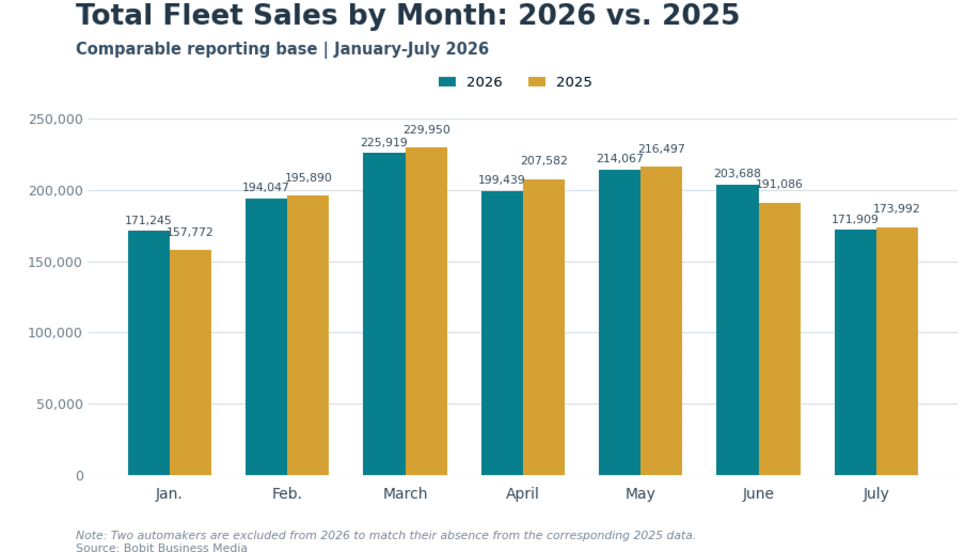
Fleet Sales Hold Steady as Commercial Gains Offset Rental Decline
Commercial and government fleet sales increased through July 2026, offsetting most of the decline in rental volume and leaving combined comparable fleet sales 0.5% above the same period last year.
Read More →
Personnel Update: BrickHouse GPS, PRO-VISION, Auto Driveaway, and Proaction
Check out the latest must-know fleet personnel updates from the last couple of months.
Read More →
What Comes Next for Auto Driveaway?
A new Auto Driveaway feature called Arrive provides recipients with live location updates and ETAs during the final hour of a vehicle move, while fleet customers continue to have end-to-end shipment visibility through the company's customer portal.
Read More →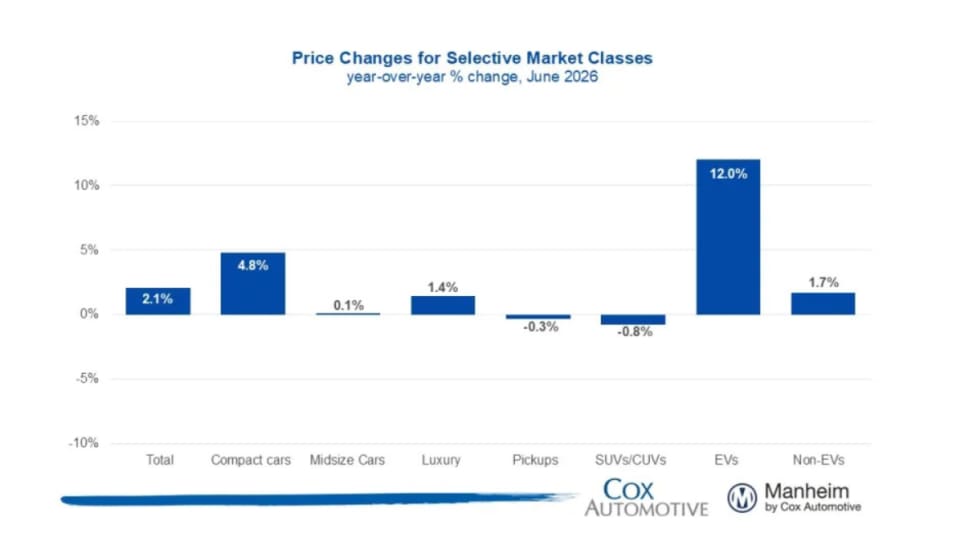
Manheim Index Shows Used-Vehicle Wholesale Prices Up 2.1% in June
The market is seeing stronger appreciation in older used vehicles this year, and the most affordable segments have been among the year’s best performers.
Read More →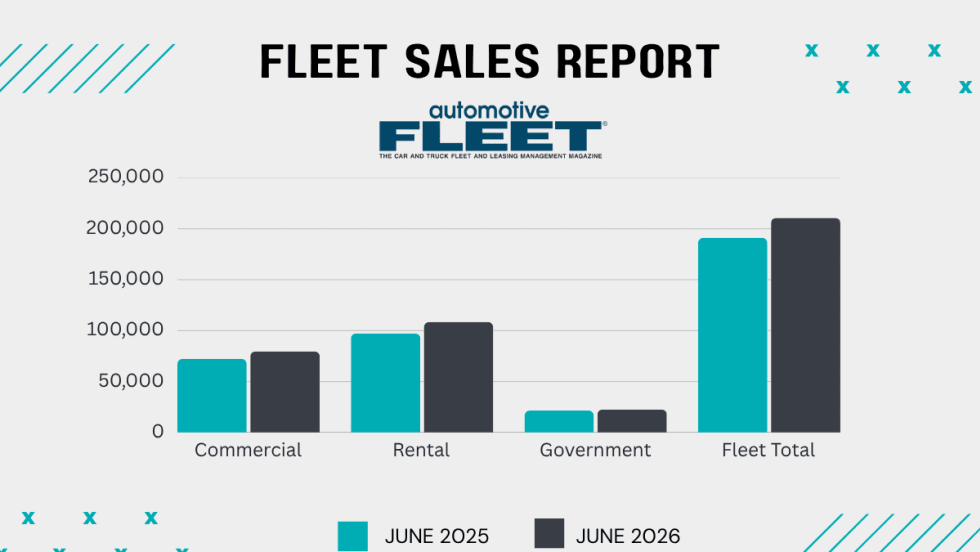
Commercial Fleet Sales Contribute To June, YTD Gains
The fleet sector has boosted its vehicle purchases at a reliable pace in the first half of this year compared with 1H 2025.
Read More →
Stop Remarketing Electric Vehicles Like Gas Cars
The advantages and attributes of electric vehicles are upending the traditional remarketing cycle, requiring fleet sellers to rely on new factors and approaches detailed below.
Read More →
AP Fleet Management Expands Remarketing Program for Commercial Work Trucks
AP Fleet Management expanded its commercial vehicle remarketing program with dedicated resale services and an online marketplace for used work trucks.
Read More →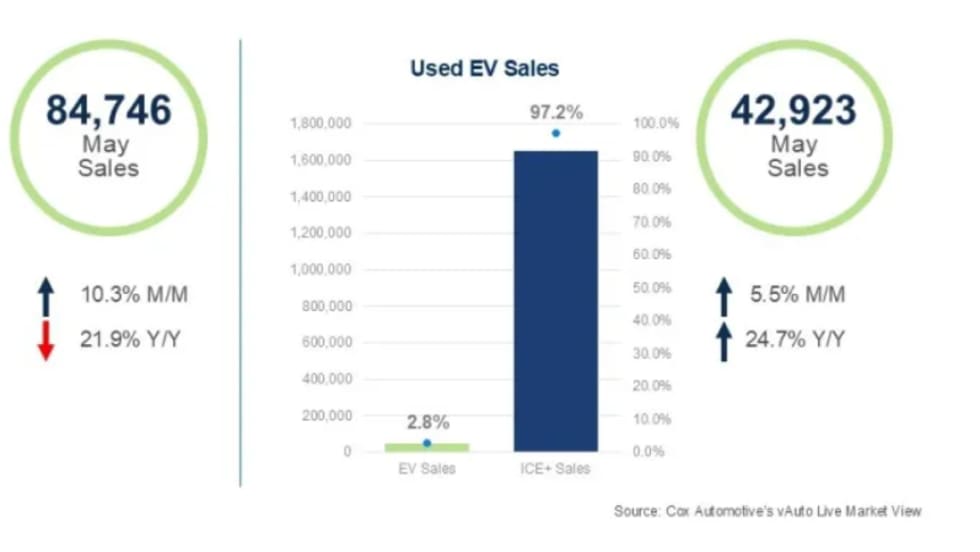
Used EVs Strengthen Overall Electric Vehicle Market
The latest sales data point to several reasons for the divergent trends in new and used EVs that can factor into fleet cycling decisions.
Read More →
The Data-Driven Haul: 5 Ways AI is Leveling the Playing Field in Auto Transport
Large and small transport fleets are becoming more competitive as predictive analytics and real-time data inform the logistics decision chain.
Read More →