



Used Vehicle Values Decline 4.5% in Past Year
Black Book's June Used Vehicle Retention Index that measures wholesale values increased 0.7 to 113 from the May level. The index has declined 4.5% in the past 12 months.
Black Book's June Used Vehicle Retention Index that measures wholesale values increased 0.7 to 113 from the May level. The index has declined 4.5% in the past 12 months.
The index is calculated using Black Book’s published wholesale average value on two- to six-year-old used vehicles, as a percentage of original typically-equipped MSRP.
The index rose for the second time in the past three months. It increased slightly in April due to a stronger-than-expected spring selling season, and saw gains in June largely because falling gasoline prices boosted the sale of used trucks, crossovers and SUVs. Despite these gains, the falling gasoline prices also meant a continuation of accelerated depreciation for subcompact and compact cars.
"In addition to falling gas prices, which are playing a role in driving a little more interest for certain trucks today, there are generally some very good deals out there for used vehicles currently," said Anil Goyal, senior vice president of automotive valuation and analytics. "These are the primary reasons why we are seeing some bounce off the lows in used car retention trends."
The index tracks data back to January 2005, which offers a benchmark index value of 100 for the market. During 2008, the index dropped by 14.1% while during 2016, the index fell by just 6.4%. During 2011, the index rose strongly from 113.3 to 123.0 by the end of the year as the economy picked up steam and used vehicle values rose higher. It continued to remain relatively stable, rising slightly until May of 2014 when it hit a peak of 128.1.
More Operations

FLD Promotes Three Executives in Leadership Changes
FLD has promoted three longtime executives, naming Gary Mott CEO, Richard Mallek president, and Ron Sanders managing partner.
Read More →
CAS Automotive Launches Remarketing Service for Damaged, Surplus Equipment
Damaged Equipment expands CAS Automotive’s vehicle remarketing model to commercial equipment, targeting fleet operators, insurers, equipment dealers, and rental companies.
Read More →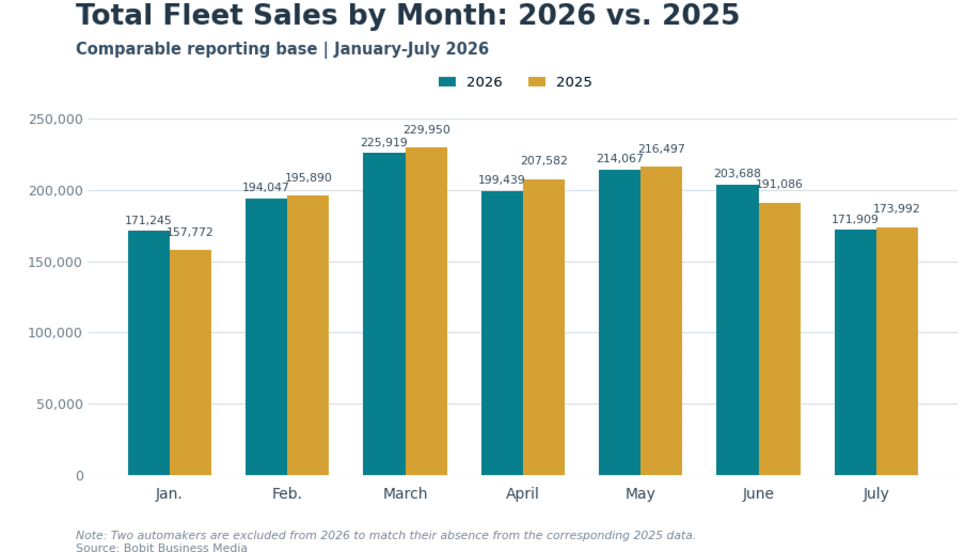
Fleet Sales Hold Steady as Commercial Gains Offset Rental Decline
Commercial and government fleet sales increased through July 2026, offsetting most of the decline in rental volume and leaving combined comparable fleet sales 0.5% above the same period last year.
Read More →
Personnel Update: BrickHouse GPS, PRO-VISION, Auto Driveaway, and Proaction
Check out the latest must-know fleet personnel updates from the last couple of months.
Read More →
What Comes Next for Auto Driveaway?
A new Auto Driveaway feature called Arrive provides recipients with live location updates and ETAs during the final hour of a vehicle move, while fleet customers continue to have end-to-end shipment visibility through the company's customer portal.
Read More →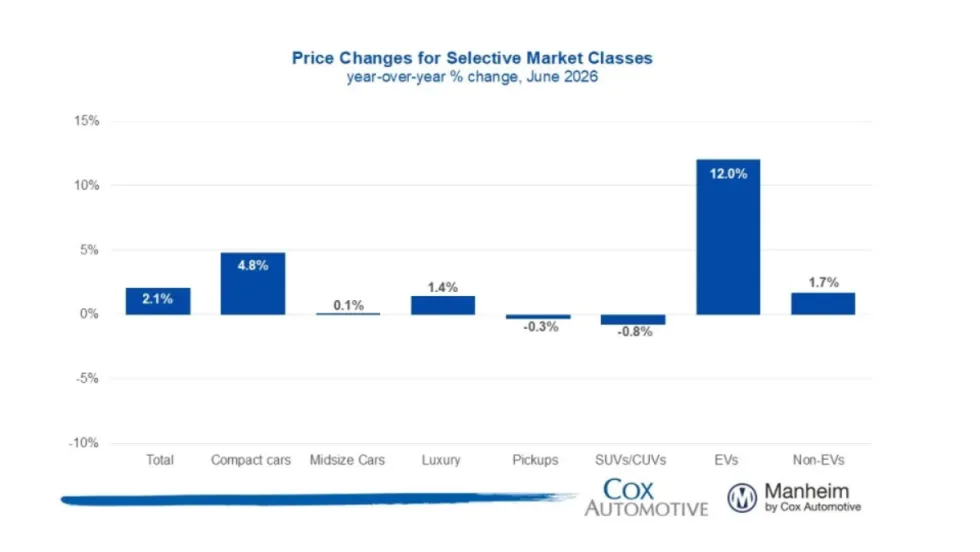
Manheim Index Shows Used-Vehicle Wholesale Prices Up 2.1% in June
The market is seeing stronger appreciation in older used vehicles this year, and the most affordable segments have been among the year’s best performers.
Read More →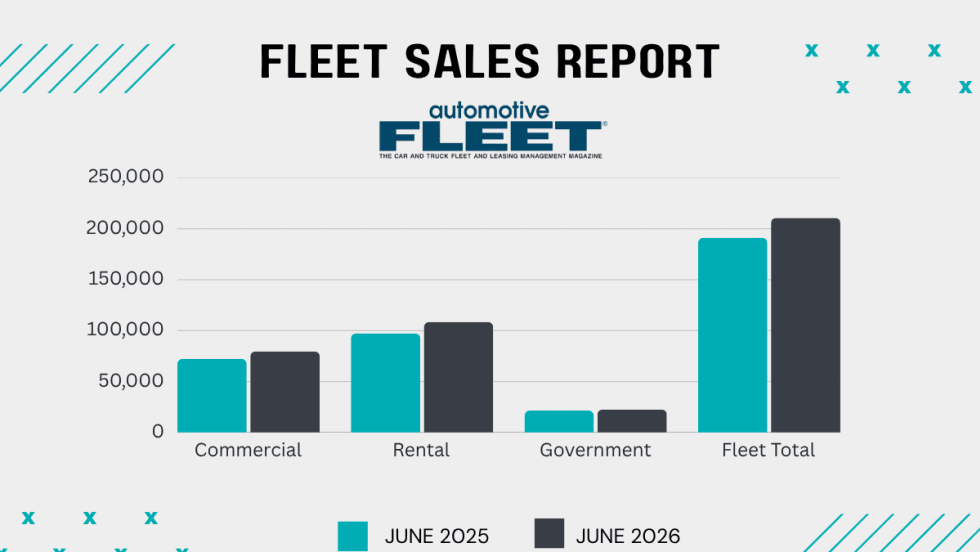
Commercial Fleet Sales Contribute To June, YTD Gains
The fleet sector has boosted its vehicle purchases at a reliable pace in the first half of this year compared with 1H 2025.
Read More →
Stop Remarketing Electric Vehicles Like Gas Cars
The advantages and attributes of electric vehicles are upending the traditional remarketing cycle, requiring fleet sellers to rely on new factors and approaches detailed below.
Read More →
AP Fleet Management Expands Remarketing Program for Commercial Work Trucks
AP Fleet Management expanded its commercial vehicle remarketing program with dedicated resale services and an online marketplace for used work trucks.
Read More →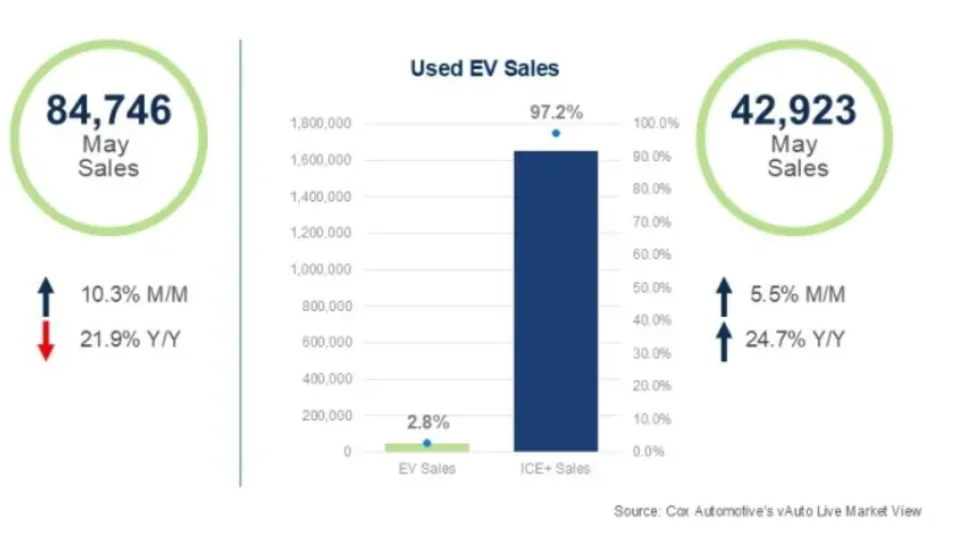
Used EVs Strengthen Overall Electric Vehicle Market
The latest sales data point to several reasons for the divergent trends in new and used EVs that can factor into fleet cycling decisions.
Read More →