




Related: How Strong Fleet Sales Have Kept Incentive Spend Low
November Sales Report Pushes 2019 Total Closer to 17M
The estimated seasonally adjusted annualized rate of U.S. new vehicle sales continues to hover around the 17 million-unit mark after several major manufacturers enjoyed year-over-year improvements in November.
December 6, 2019
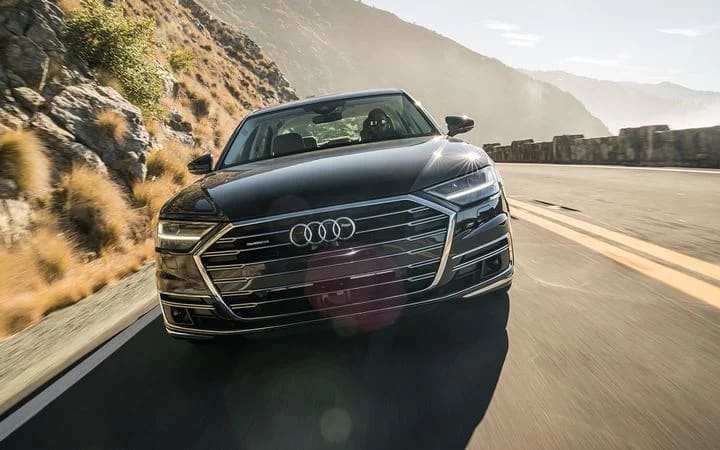
Sales of the Audi A8 improved by 50% year-over-year last month, helping to propel the German factory to 20,618 U.S. new-car deliveries, a new November high.
Photo courtesy of Audi USA.
3 min to read
The estimated seasonally adjusted annualized rate of U.S. new vehicle sales continues to hover around the 17 million-unit mark after several major manufacturers — and nearly every highline factory — enjoyed year-over-year improvements in November.
Reports and estimates compiled by Automotive News put the SAAR in the 16.9 to 17.5 million range, an improvement on the 16.55 million-unit mark set in October. Precise month-to-month calculations are no longer possible since General Motors, Ford, and Fiat Chrysler switched to quarterly sales reports this year.
Among mass-market manufacturers, Honda led the way with a 12.2% year-over-year gain, propelled by increases of 11.1% for the Honda brand 3.1% for Acura, all driven by an 18% increase in light truck sales.
Toyota reported a 9.2% improvement over November 2018, including a 13.8% increase in sales of the Lexus brand. Mazda (18%), Kia (12%), Volkswagen (9.1%), Mitsubishi (6.5%), Hyundai (6.2%), and Subaru (0.2%) also reported year-over-year gains.
“While the Detroit automakers may believe cars are bad business, the Japanese and Korean automakers view the market differently,” said Brian Moody, executive editor at Autotrader. “They are investing in good sedans; consumers, turned away by the Detroit Three, are finding what they want from the Asian brands. Nissan and Toyota actually delivered increases in year-over-year car sales. … Don’t believe the mainstream media talking point — cars are not dead in America.”
“These successes do not suggest a revival for sedans is in the offing, but we may see a new normal pace for the segment evolving,” countered Stephanie Brinley, principal automotive analyst for IHS Markit. “Whether car or SUV, the availability of new and refreshed products is being rewarded by consumers.”
Among luxury carmakers, Genesis continued to set the pace with a 400%-plus year-over-year improvement, trailed by Audi (20.7%), Volvo (17.8%), Mercedes-Benz (13.3%), Porsche (11.5%), Land Rover (11.3%), and BMW (10.2%).
Not faring as well were Nissan (-15.9%), Mini (-13.1%), and Jaguar (-7.5%). Cox Automotive analysts estimated that each of the Detroit factories suffered modest declines, predicting a 5.5% loss for GM — which continues to recover from a six-week work stoppage that ended Oct. 25 — and year-over-year decreases of 3.5% and 2.7% for Fiat Chrysler and Ford.
“Still, the U.S. consumer, motivated in part by low unemployment rates, continues to drive the economy forward. Vehicle shoppers in November were met with good discounts on older inventory and responded accordingly,” said the firm’s senior economist, Charlie Chesbrough.
Indeed, J.D. Power and LMC analysts said average new vehicle incentives exceeded the $4,500 mark for the first time, climbing 12% year-over-year to $4,538 per unit in November.
ALG analysts were more conservative, estimating an average of $3,759 in incentives applied to new vehicles sold in November, a 1.2% overall gain led by Honda (9.4%), Subaru (6.9%), and Kia (5.7%).
“While high inventories of older model-year vehicles is a considerable factor in the year-over-year growth, incentive spending on newer models is expected to eclipse last year. Spending on 2020 model-year vehicles is on pace to reach $3,723, an increase of nearly 13% from a year ago,” said Thomas King, senior vice president of J.D. Power’s data and analytics division.
“Notably, incentive spending on a percentage basis is again growing at a faster rate than transaction prices,” he added. “Manufacturer incentive spending as a percentage of MSRP in November is on pace to reach 11.1%, exceeding 11% for the first time in more than 10 years.”
This story originally ran on Auto Dealer Today, another Bobit Business Media publication.
More Operations

CAS Automotive Launches Remarketing Service for Damaged, Surplus Equipment
Damaged Equipment expands CAS Automotive’s vehicle remarketing model to commercial equipment, targeting fleet operators, insurers, equipment dealers, and rental companies.
Read More →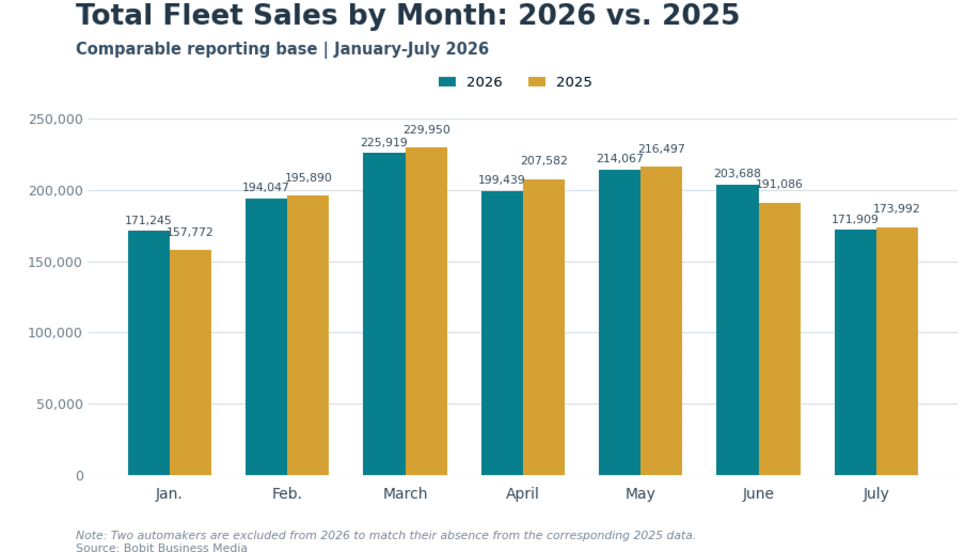
Fleet Sales Hold Steady as Commercial Gains Offset Rental Decline
Commercial and government fleet sales increased through July 2026, offsetting most of the decline in rental volume and leaving combined comparable fleet sales 0.5% above the same period last year.
Read More →
Personnel Update: BrickHouse GPS, PRO-VISION, Auto Driveaway, and Proaction
Check out the latest must-know fleet personnel updates from the last couple of months.
Read More →
What Comes Next for Auto Driveaway?
A new Auto Driveaway feature called Arrive provides recipients with live location updates and ETAs during the final hour of a vehicle move, while fleet customers continue to have end-to-end shipment visibility through the company's customer portal.
Read More →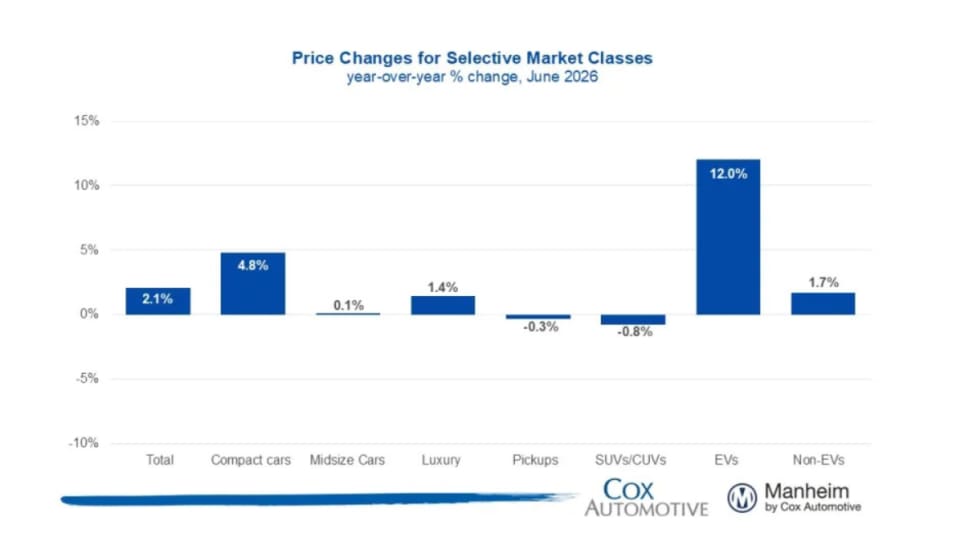
Manheim Index Shows Used-Vehicle Wholesale Prices Up 2.1% in June
The market is seeing stronger appreciation in older used vehicles this year, and the most affordable segments have been among the year’s best performers.
Read More →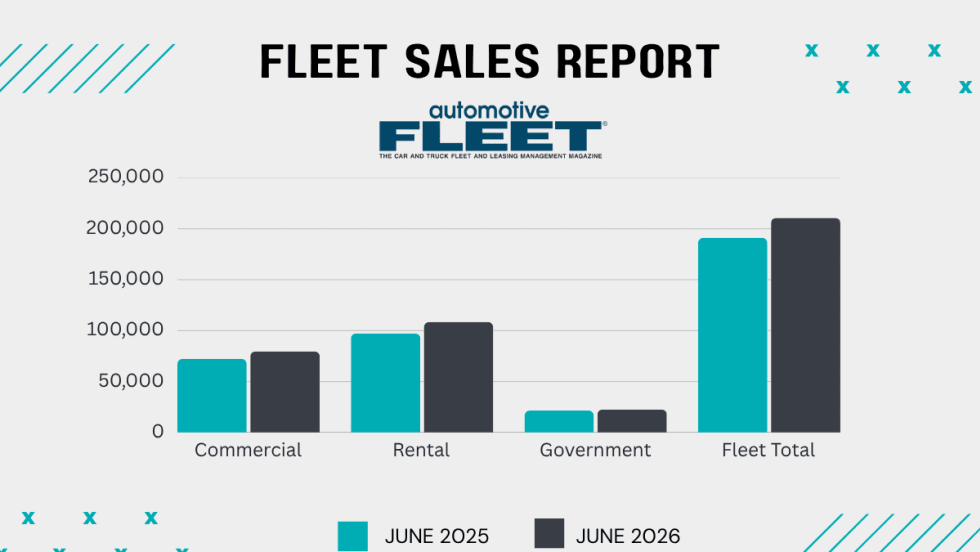
Commercial Fleet Sales Contribute To June, YTD Gains
The fleet sector has boosted its vehicle purchases at a reliable pace in the first half of this year compared with 1H 2025.
Read More →
Stop Remarketing Electric Vehicles Like Gas Cars
The advantages and attributes of electric vehicles are upending the traditional remarketing cycle, requiring fleet sellers to rely on new factors and approaches detailed below.
Read More →
AP Fleet Management Expands Remarketing Program for Commercial Work Trucks
AP Fleet Management expanded its commercial vehicle remarketing program with dedicated resale services and an online marketplace for used work trucks.
Read More →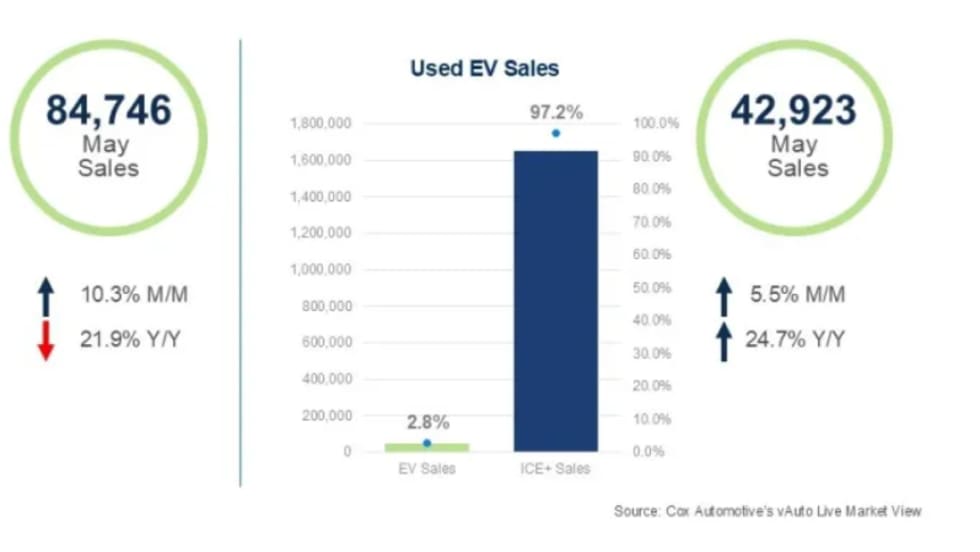
Used EVs Strengthen Overall Electric Vehicle Market
The latest sales data point to several reasons for the divergent trends in new and used EVs that can factor into fleet cycling decisions.
Read More →
The Data-Driven Haul: 5 Ways AI is Leveling the Playing Field in Auto Transport
Large and small transport fleets are becoming more competitive as predictive analytics and real-time data inform the logistics decision chain.
Read More →