



How to Avoid Storm-Damaged Vehicles
Whenever there is flooding, as there was recently when Hurricane Sandy hit the East Coast, car buyers must be aware that some dealers try to hide the fact that the vehicles they're selling have been damaged by water.
Whenever there is flooding, as there was recently when Hurricane Sandy hit the East Coast, car buyers must be aware that some dealers try to hide the fact that the vehicles they're selling have been damaged by water, according to a recent news item by Kiplinger.
According to the news item, the National Insurance Crime Bureau estimates that 230,000 vehicles were damaged as a result of Sandy. Many of the cars will be taken to facilities to be crushed.
However, NICB President and CEO Joe Wehrle said that "there will be cases where damaged vehicles are cleaned up, dried out and sold by unscrupulous dealers or individuals who know how to beat the system." Water damage can lead to problems with a vehicle's computer and electrical systems and cause anti-lock brake and airbag systems to malfunction.
NICB and CARFAX, which provides vehicle history reports, suggest to be on the lookout for these signs that a car may have been flooded:
Mildew, debris and silt in places where it wouldn't normally be found, such as under the carpeting in the trunk, or around the engine compartment.
Rust on screws and other metal parts.
Water stains or faded upholstery, discoloration of seat belts and door panels; upholstery that doesn't match may be a sign that it was replaced.
Dampness in the floor and carpeting; moisture on the inside of the instrument panel.
A moldy odor or an intense smell of Lysol or deodorizer, which dealers use to cover an odor problem.
Warning lights and gauges that don't work properly, as well as exterior lights that don't come on.
Wires that crack when you flex them because they were wet and became brittle upon drying.
When buying a car, according to Kiplinger, ask to see the title and look for a "salvage" or "flood" stamp. Also, have a mechanic look for flood damage and check the car's VIN. You can search the NICB VINCheck database for free to find out if a vehicle has been reported as salvage by NICB members. CARFAX is also offering free Hurricane Sandy flood damage VIN checks. If you suspect that a dealer is selling flood-damaged cars, contact the NICB at (800) 835-6422.
More Operations
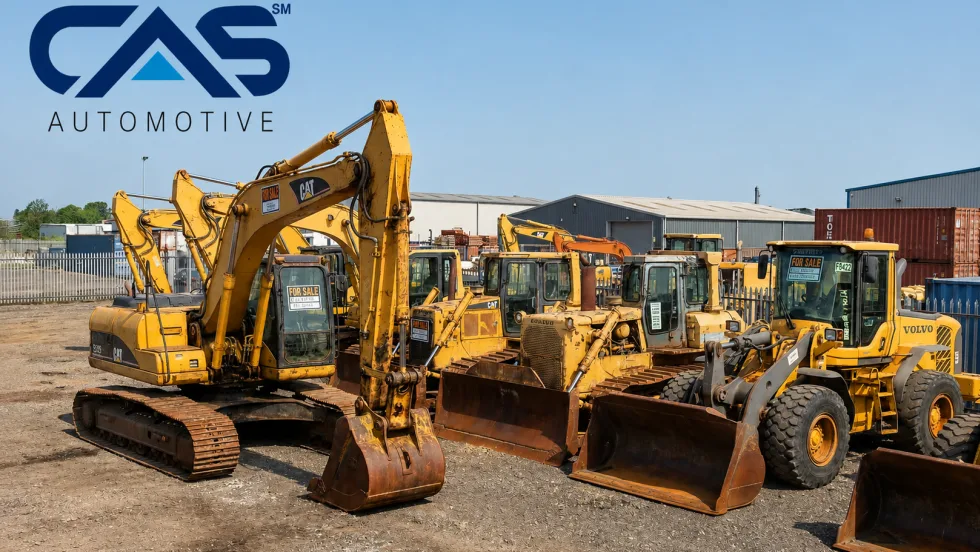
CAS Automotive Launches Remarketing Service for Damaged, Surplus Equipment
Damaged Equipment expands CAS Automotive’s vehicle remarketing model to commercial equipment, targeting fleet operators, insurers, equipment dealers, and rental companies.
Read More →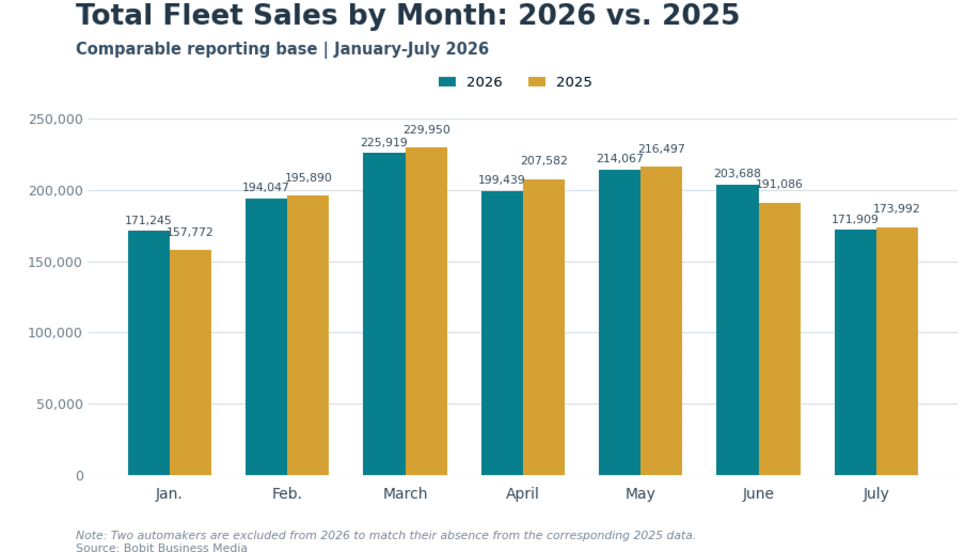
Fleet Sales Hold Steady as Commercial Gains Offset Rental Decline
Commercial and government fleet sales increased through July 2026, offsetting most of the decline in rental volume and leaving combined comparable fleet sales 0.5% above the same period last year.
Read More →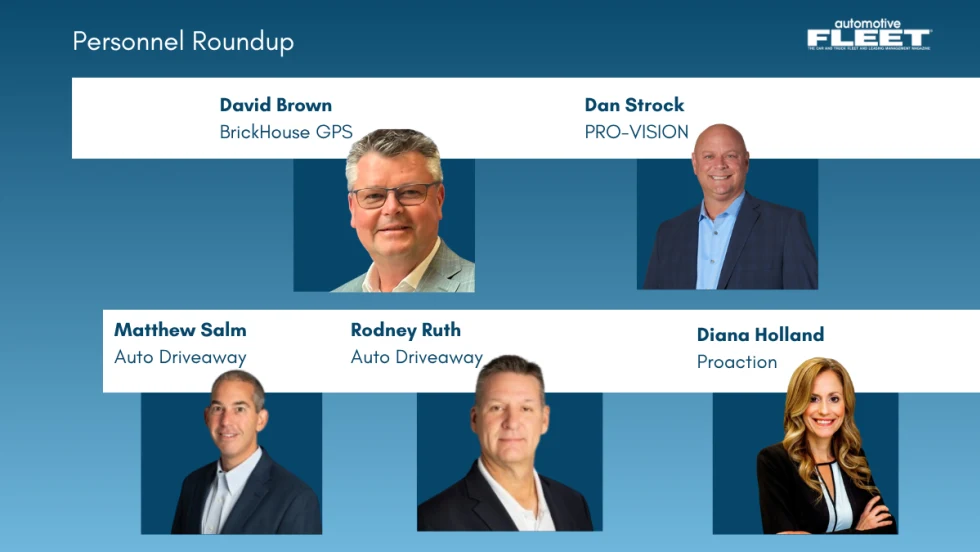
Personnel Update: BrickHouse GPS, PRO-VISION, Auto Driveaway, and Proaction
Check out the latest must-know fleet personnel updates from the last couple of months.
Read More →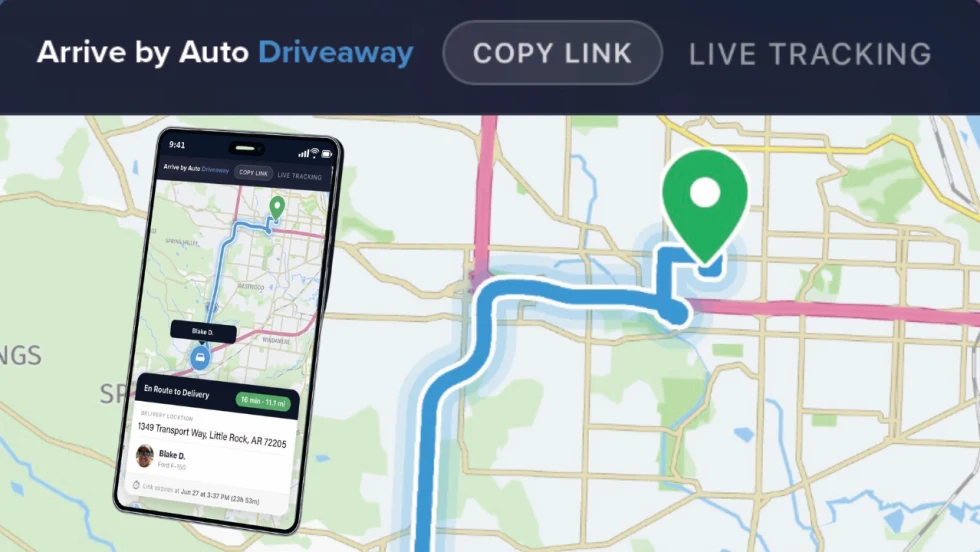
What Comes Next for Auto Driveaway?
A new Auto Driveaway feature called Arrive provides recipients with live location updates and ETAs during the final hour of a vehicle move, while fleet customers continue to have end-to-end shipment visibility through the company's customer portal.
Read More →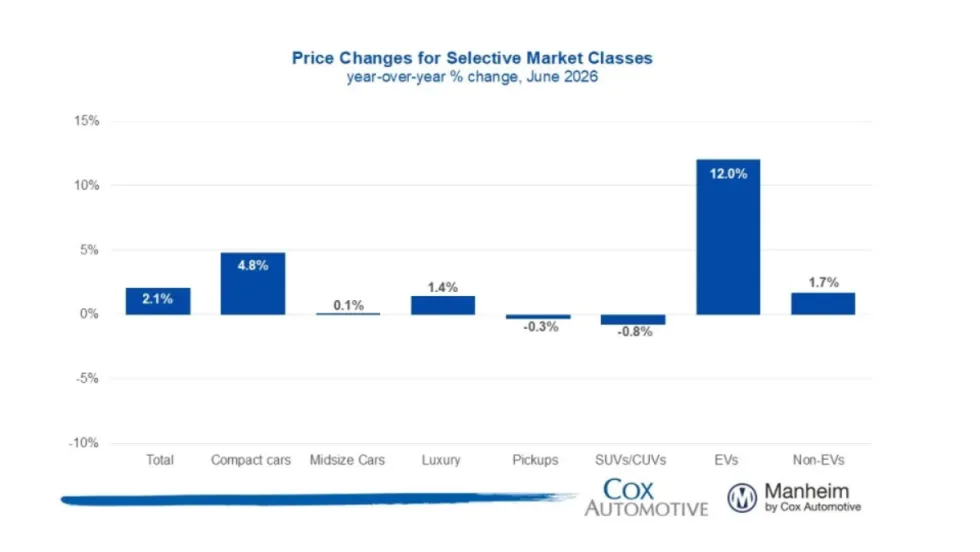
Manheim Index Shows Used-Vehicle Wholesale Prices Up 2.1% in June
The market is seeing stronger appreciation in older used vehicles this year, and the most affordable segments have been among the year’s best performers.
Read More →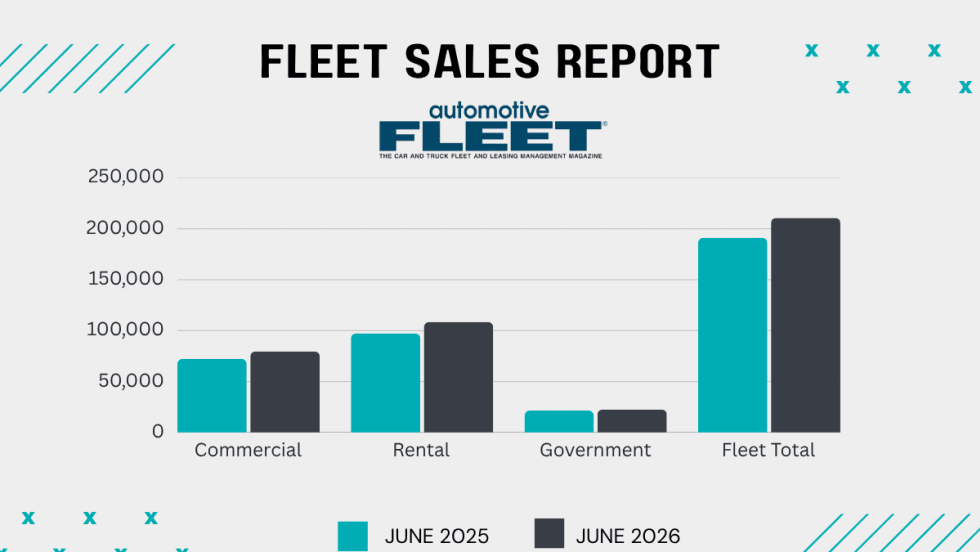
Commercial Fleet Sales Contribute To June, YTD Gains
The fleet sector has boosted its vehicle purchases at a reliable pace in the first half of this year compared with 1H 2025.
Read More →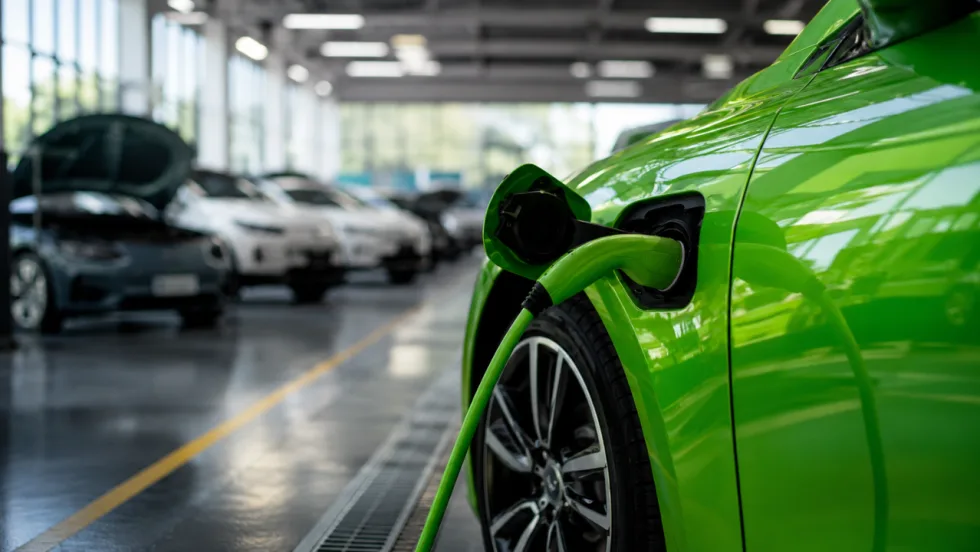
Stop Remarketing Electric Vehicles Like Gas Cars
The advantages and attributes of electric vehicles are upending the traditional remarketing cycle, requiring fleet sellers to rely on new factors and approaches detailed below.
Read More →
AP Fleet Management Expands Remarketing Program for Commercial Work Trucks
AP Fleet Management expanded its commercial vehicle remarketing program with dedicated resale services and an online marketplace for used work trucks.
Read More →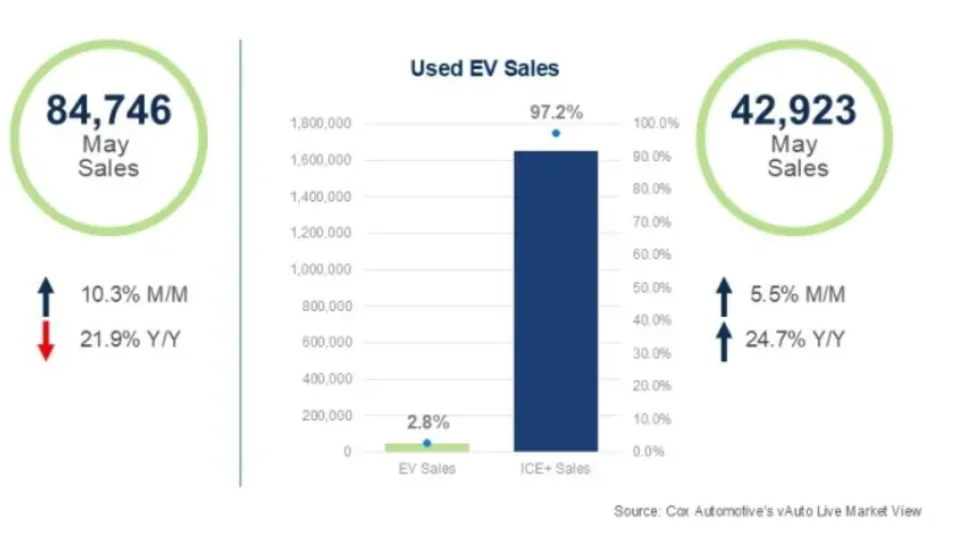
Used EVs Strengthen Overall Electric Vehicle Market
The latest sales data point to several reasons for the divergent trends in new and used EVs that can factor into fleet cycling decisions.
Read More →
The Data-Driven Haul: 5 Ways AI is Leveling the Playing Field in Auto Transport
Large and small transport fleets are becoming more competitive as predictive analytics and real-time data inform the logistics decision chain.
Read More →