



Class 3-8 Truck Registrations Up 5 Percent
Combined new and used commercial vehicle (Class 3-8) registrations in the first quarter of the 2014 calendar year were 319,045 units, an increase of 5 percent over the same period in the 2013 calendar year
Combined new and used commercial vehicle (Class 3-8) registrations in the first quarter of the 2014 calendar year were 319,045 units, an increase of 5 percent over the same period in the 2013 calendar year, according to recent analysis from IHS Automotive.
During the quarter, new registrations were up 8.3 percent year-over-year and used transactions were up 2.4 percent from the first quarter of the 2013 calendar year. While combined year-over-year commercial vehicle registrations rose from the first quarter of the 2013 calendar year, the combined unit volume trend over the past 13 quarters has been relatively flat at an average unit volume of 312,000 units.
Used commercial vehicle transactions during first quarter 2014 totaled 175,800 units, representing the highest level of used transactions in the first quarter of the calendar year since the first quarter of 2011. In the quarter, used transactions accounted for 55.1 percent of total registrations and continued the five-year quarterly trend in which used transactions outnumbered new transactions.
The demand for clean GVW 8 vehicles remains strong, as these transactions accounted for 39.7 percent of used registrations and were 3.5 percent better than the level of used GVW 8 transactions in the first quarter of the 2013 calendar year.
“Our analysis continues to reflect strong demand for clean used equipment, especially GVW 8 vehicles, which are replacing significantly older models in the vehicle population,” said Gary Meteer, director, commercial vehicle solutions at IHS Automotive. “As recently as the end of the 2012 calendar year, 38 percent of GVW 8 vehicles in operation in the U.S. were model year 2000 or older, and at the end of March 2014, that category of vehicles represented just 34.2 percent of the total GVW 8 vehicle population.”
First Quarter 2014 Used Vehicle Transactions
VIN- defined Gross Vehicle Weight
Jan-March 2014
(000’s)
Jan-March 2013
(000’s)
Percentage change
2014 vs. 2013
Jan-March 2014
GVW Percent of Total
Jan-March 2013
GVW Percent of Total
GVW 3
53.2
52.1
2.0
30.1
30.4
GVW 4
16.2
15.3
5.8
9.1
8.8
GVW 5
8.7
8.8
-1.3
5.1
5.3
GVW 6
13.9
14.7
-5.0
8.0
8.8
GVW 7
14.2
13.5
4.9
8.0
7.6
GVW 8
69.6
67.3
3.5
39.7
39.1
Total
175.8
171.7
2.4
100.0
100.0
Source: IHS Automotive, Polk Used Commercial Vehicle Transactions
New registrations of 143,245 units in first quarter 2014 calendar year were up 8.3 percent from the same quarter in 2013, but declined from the last quarter of 2013. “When we analyze the quarter-to- quarter movement, our analysis indicates that new registrations of commercial vehicles (GVW 3-8) have been relatively flat since mid-2011,” Meteer said. “Following the bottoming of the market in 2009, there was the expected surge in demand; however, since mid-2012, demand appears to have settled into a relatively flat unit range. Our analysis indicates that the demand for commercial vehicles represents primarily replacement demand with little strong news to drive companies into an overall expansion mode.”
New registrations by GVW are as follows:
Overall New Commercial Vehicle Registrations by Calendar Year Quarter
2006
2009
2010
2011
2012
2013
2014
QTR 1
196,749
87,292
85,606
102,406
135,551
132,272
143,245
QTR 2
215,347
79,116
94,420
116,281
135,786
144,307
QTR 3
211,262
81,606
97,638
125,317
143,915
152,872
QTR 4
181,984
81,594
97,932
127,247
136,212
147,657
Total
805,342
329,608
375,596
471,251
551,464
577,108
Source: IHS Automotive, Polk 2006-14 new commercial vehicle registration data.
A complete copy of the 2014 First Quarter Commercial Vehicle Report is available here.
Originally posted on Work Truck Online
More Operations

CAS Automotive Launches Remarketing Service for Damaged, Surplus Equipment
Damaged Equipment expands CAS Automotive’s vehicle remarketing model to commercial equipment, targeting fleet operators, insurers, equipment dealers, and rental companies.
Read More →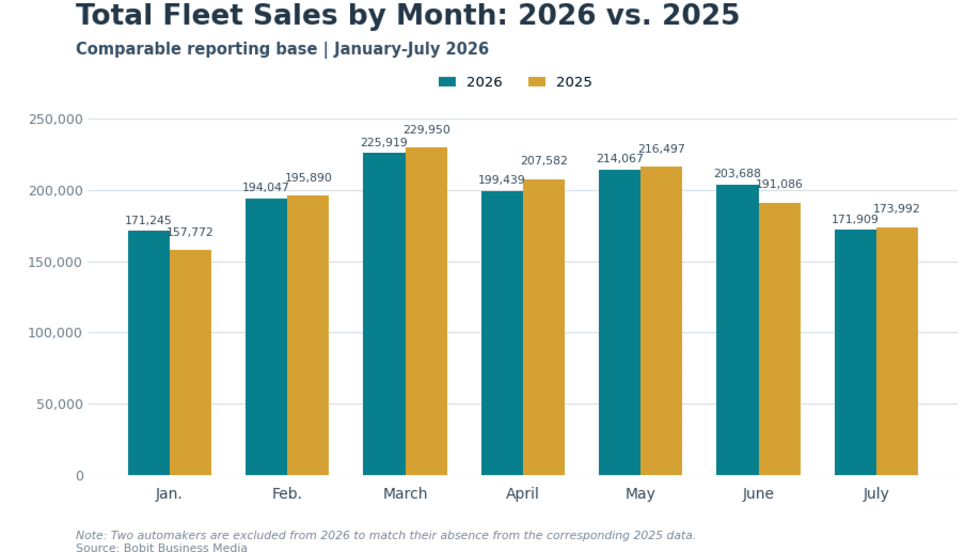
Fleet Sales Hold Steady as Commercial Gains Offset Rental Decline
Commercial and government fleet sales increased through July 2026, offsetting most of the decline in rental volume and leaving combined comparable fleet sales 0.5% above the same period last year.
Read More →
Personnel Update: BrickHouse GPS, PRO-VISION, Auto Driveaway, and Proaction
Check out the latest must-know fleet personnel updates from the last couple of months.
Read More →
What Comes Next for Auto Driveaway?
A new Auto Driveaway feature called Arrive provides recipients with live location updates and ETAs during the final hour of a vehicle move, while fleet customers continue to have end-to-end shipment visibility through the company's customer portal.
Read More →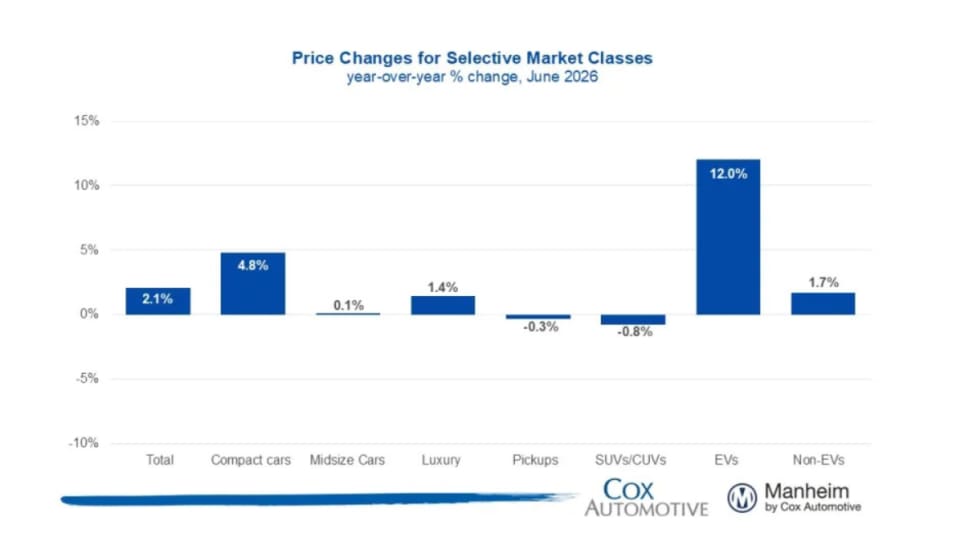
Manheim Index Shows Used-Vehicle Wholesale Prices Up 2.1% in June
The market is seeing stronger appreciation in older used vehicles this year, and the most affordable segments have been among the year’s best performers.
Read More →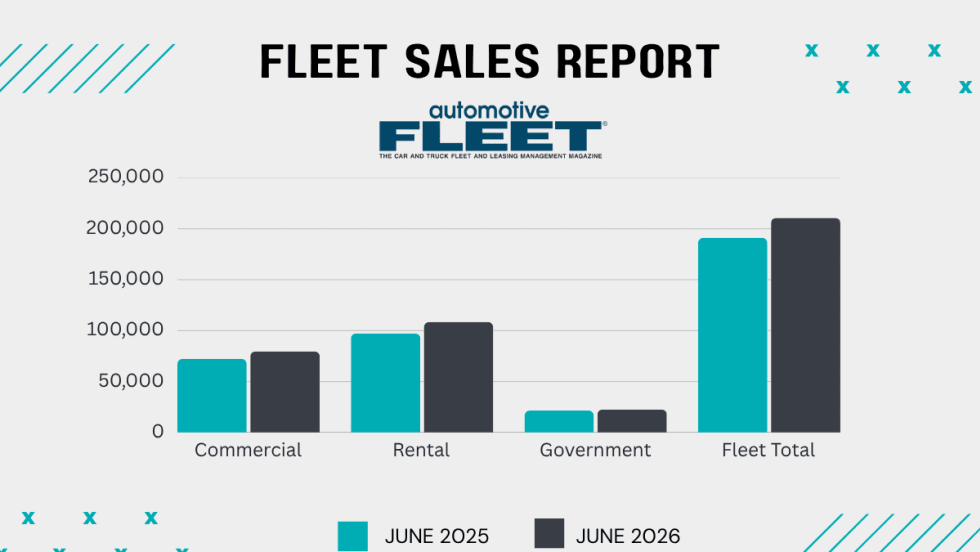
Commercial Fleet Sales Contribute To June, YTD Gains
The fleet sector has boosted its vehicle purchases at a reliable pace in the first half of this year compared with 1H 2025.
Read More →
Stop Remarketing Electric Vehicles Like Gas Cars
The advantages and attributes of electric vehicles are upending the traditional remarketing cycle, requiring fleet sellers to rely on new factors and approaches detailed below.
Read More →
AP Fleet Management Expands Remarketing Program for Commercial Work Trucks
AP Fleet Management expanded its commercial vehicle remarketing program with dedicated resale services and an online marketplace for used work trucks.
Read More →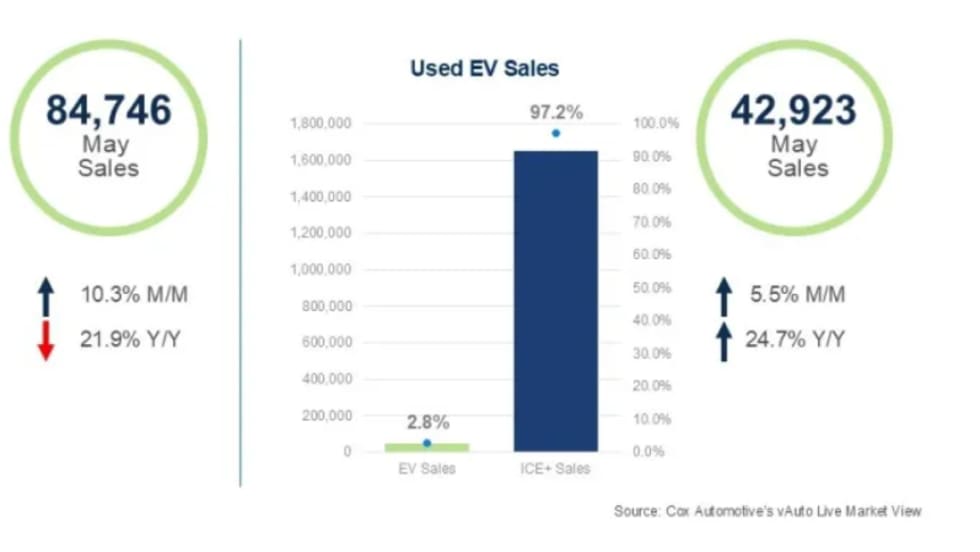
Used EVs Strengthen Overall Electric Vehicle Market
The latest sales data point to several reasons for the divergent trends in new and used EVs that can factor into fleet cycling decisions.
Read More →
The Data-Driven Haul: 5 Ways AI is Leveling the Playing Field in Auto Transport
Large and small transport fleets are becoming more competitive as predictive analytics and real-time data inform the logistics decision chain.
Read More →