



Black Book Says Resale Values Could Rise Post Super Storm Sandy
TORRANCE, CA - After super storm Sandy, the used-car market is about to see changes that will slow down vehicle resale value depreciation and possibly even push up prices in some categories, according to Black Book’s Senior Analyst Ricky Beggs.
TORRANCE, CA – After hurricane Sandy, the used-car market is about to see changes that will slow down vehicle resale value depreciation and possibly even push up prices in some categories, according to Black Book’s Senior Analyst Ricky Beggs.
“Resale values haven’t changed yet, but I’m pretty sure the storm will have an effect,” Beggs said. “We didn’t see a resale value effect after Katrina, but Hurricane Sandy is a different situation in a couple of ways. Number one, this storm was more widespread and it hit a more populous area, so I think the volume of damaged vehicles will be higher. After Katrina about 640,000 cars were damaged. The number after Sandy will be larger than that. The other difference is that the supply of vehicles in 2005 was higher and was consistent with sales of 15 to 16 million cars per year. This scenario means more cars damaged probably, and fewer cars in the market to start with. When they came out with the SAAR (seasonally adjusted annurate) level for October, it was 14.2 million, which was a bigger hit than anybody thought. The market might not have been as strong as people were anticipating overall.”
Where will the dealers on the East Coast find the cars needed to replace lost inventory and meet demand from customers? He said the entire eastern half of the U.S. will be the supply source for used vehicles.
“It could easily get into Chicago, Detroit, the Milwaukee area, Atlanta, the Florida area, around Orlando,” Beggs said. “It could go to Oklahoma City or Dallas, anywhere from that Midwest area back east. The other factor that makes it the supply area for the East Coast is the presence of online auctions. A dealer can be sitting anywhere and locate the cars they need, but they will limit themselves because of the transportation costs.”
Companies with destroyed fleet vehicles will have to replace them, of course, but Beggs said the question will be whether there will be enough new-car inventory, especially in the short term, for them to do so. He added that although manufacturers are capable of changing their production schedules to meet higher demand, it doesn’t happen overnight.
“The quickest a manufacturing plant could change their levels of production would be about a month, as far as the new manufacturing side goes,” he said.
Given potential longer order-to-delivery times, fleet managers will have to decide whether to remarket vehicles in the first place. Without the guarantee of a timely replacement, fleets could be forced to leave vehicles reaching the end of their replacement cycle in service.
“Going back to the fleet side of it, the challenge is how quickly can fleets get a new car replacement?” he said. “The manufacturers are going to have to replace those vehicles, but I would venture to say they will put more emphasis on retail first. There’s no backup inventory out there because manufacturers today build to meet demand.”
One option for fleets that Beggs mentioned is rental, but he said that’s no guarantee of a vehicle either at this point. He said he’s seen rental car companies put vehicles set to be remarketed back into service.
With low inventory in the new- and used-car markets, and rising demand due the need to replace destroyed vehicles, what will happen to resale values in the coming months? Beggs predicts the depreciation curve will flatten out and possibly turn back up.
“Here we are in November, normally the slowest time of the year,” Beggs said. “The loss of cars due to Sandy will make the curve flat, and then we’ll see a little bit of an uptick. It could last through December. We could see, instead of declines in a week and a half, stable markets and an increase through March.”
Beggs noted that the increase in resale values during the early part of the year is normal, so he believes that post-Sandy, resale values could increase by more than expected.
For fleet managers, Beggs said there are a few types of vehicles that could see their resale values adjust. He said trucks and full-size cargo vans will likely have higher values due to the need for these vehicles in construction and other services to rebuild in the areas affected by the storm.
“Some of those construction trucks have been destroyed,” Beggs said. “It will take 2-3 years to rebuild. A guy who had one truck may buy two; another may need four or five.”
He also said high-line cars will see higher resale values than previously anticipated.
“The other side of it is that there will be more demand for high-line cars, Mercedes and BMW, for example,” Beggs said. “The lease penetration as a percentage of sales is highest in that part of the country. The other reason is that all those beach-front properties, those folks have money and like nice cars. The car was probably of that upper echelon as well.”
One used-car market segment where Beggs believes declines could continue is the entry-level car market, due to oversupply. He said every automaker is a player in that segment because they need to meet CAFE requirements, so the large supply could mean retention values for this segment aren’t as strong.
Post-Sandy, the used-car market looks very different than it did the weekend before the storm. For fleet managers watching their replacement schedules, flat or potentially rising resale values due to super storm Sandy will likely require a change in strategy to maximize fleet vehicle utility and minimize lifecycle costs.
By Greg Basich
Originally posted on Automotive Fleet
More Operations

CAS Automotive Launches Remarketing Service for Damaged, Surplus Equipment
Damaged Equipment expands CAS Automotive’s vehicle remarketing model to commercial equipment, targeting fleet operators, insurers, equipment dealers, and rental companies.
Read More →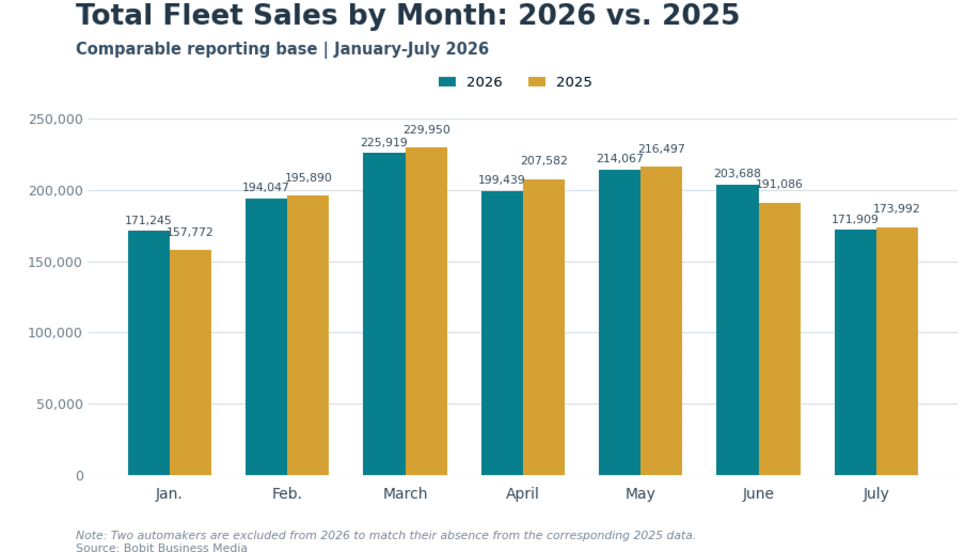
Fleet Sales Hold Steady as Commercial Gains Offset Rental Decline
Commercial and government fleet sales increased through July 2026, offsetting most of the decline in rental volume and leaving combined comparable fleet sales 0.5% above the same period last year.
Read More →
Personnel Update: BrickHouse GPS, PRO-VISION, Auto Driveaway, and Proaction
Check out the latest must-know fleet personnel updates from the last couple of months.
Read More →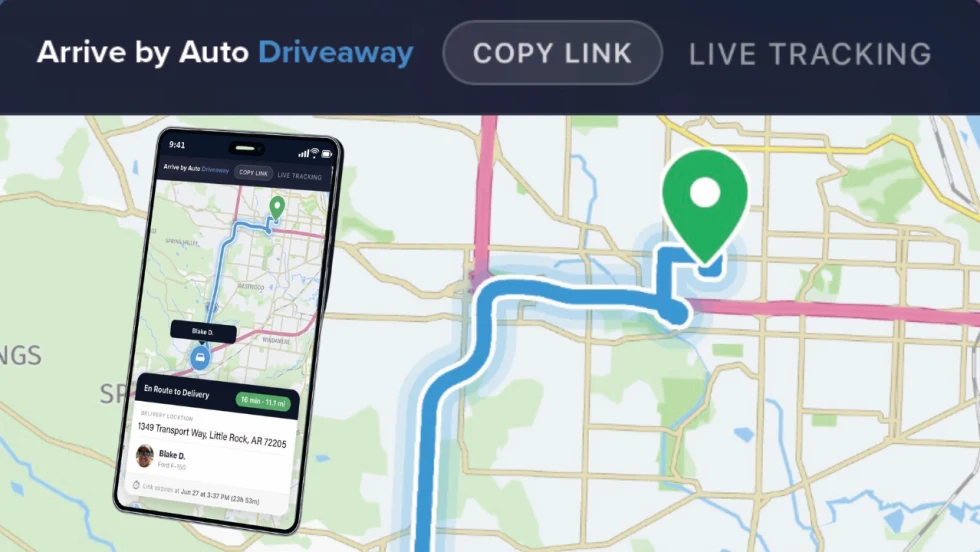
What Comes Next for Auto Driveaway?
A new Auto Driveaway feature called Arrive provides recipients with live location updates and ETAs during the final hour of a vehicle move, while fleet customers continue to have end-to-end shipment visibility through the company's customer portal.
Read More →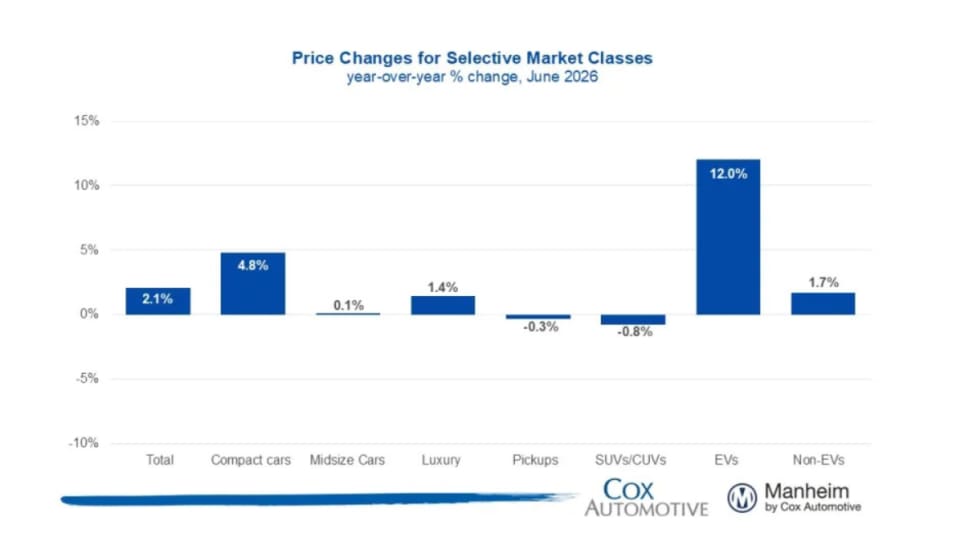
Manheim Index Shows Used-Vehicle Wholesale Prices Up 2.1% in June
The market is seeing stronger appreciation in older used vehicles this year, and the most affordable segments have been among the year’s best performers.
Read More →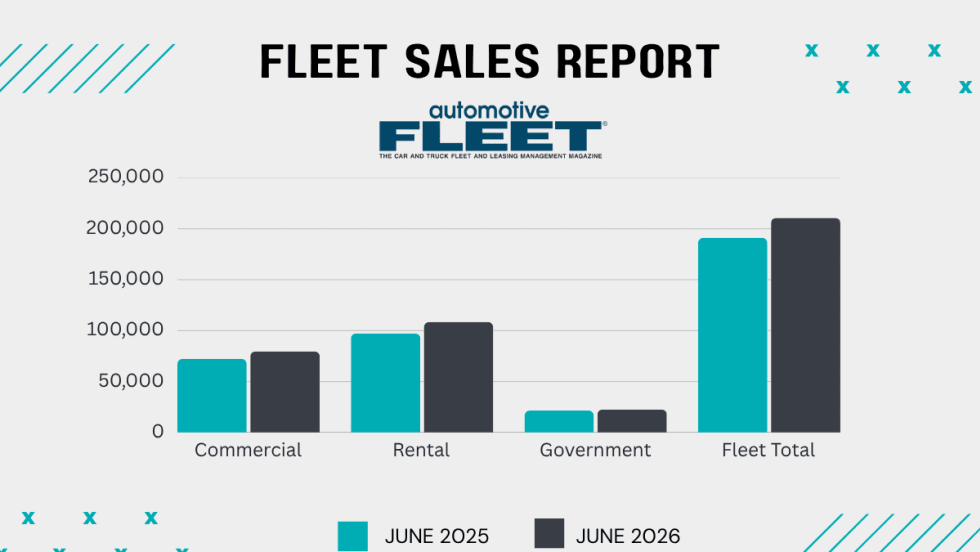
Commercial Fleet Sales Contribute To June, YTD Gains
The fleet sector has boosted its vehicle purchases at a reliable pace in the first half of this year compared with 1H 2025.
Read More →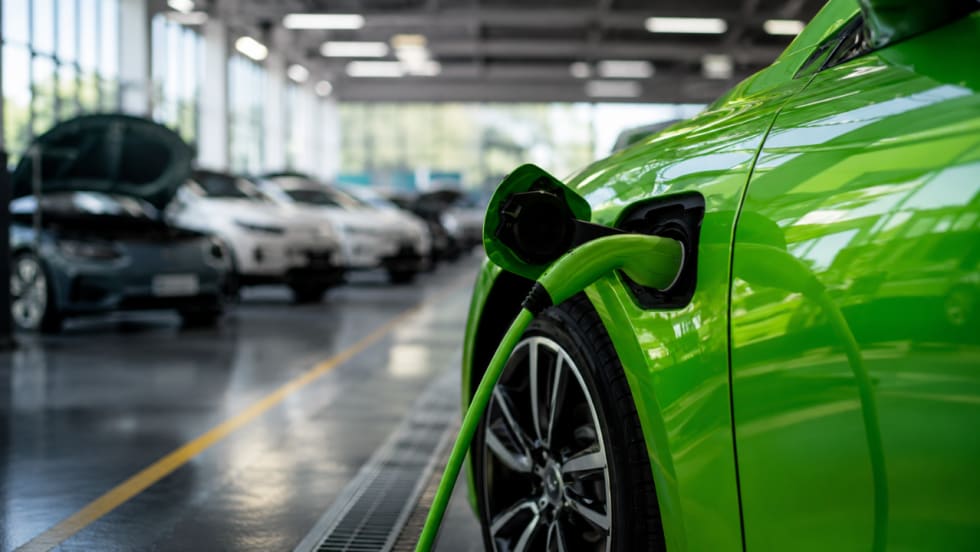
Stop Remarketing Electric Vehicles Like Gas Cars
The advantages and attributes of electric vehicles are upending the traditional remarketing cycle, requiring fleet sellers to rely on new factors and approaches detailed below.
Read More →
AP Fleet Management Expands Remarketing Program for Commercial Work Trucks
AP Fleet Management expanded its commercial vehicle remarketing program with dedicated resale services and an online marketplace for used work trucks.
Read More →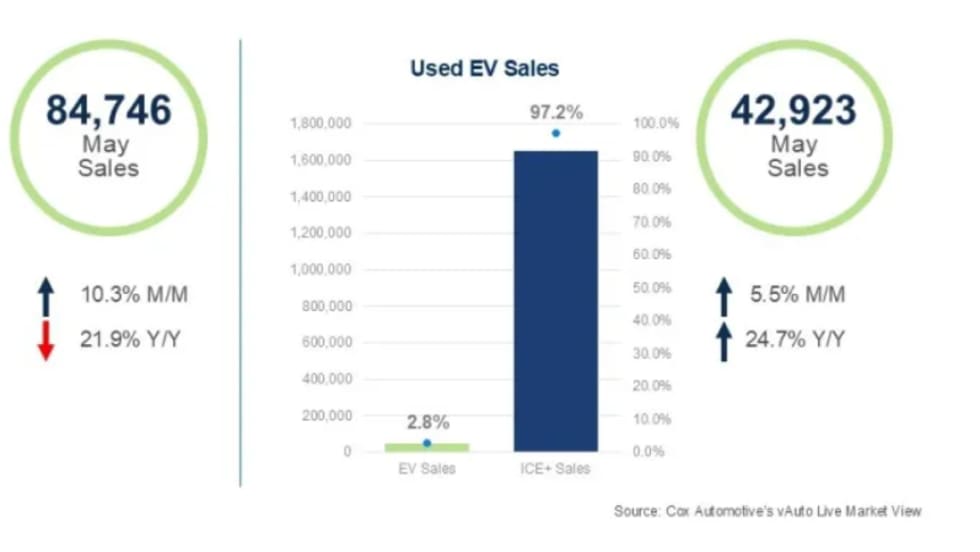
Used EVs Strengthen Overall Electric Vehicle Market
The latest sales data point to several reasons for the divergent trends in new and used EVs that can factor into fleet cycling decisions.
Read More →
The Data-Driven Haul: 5 Ways AI is Leveling the Playing Field in Auto Transport
Large and small transport fleets are becoming more competitive as predictive analytics and real-time data inform the logistics decision chain.
Read More →