



Auction Market Continues to Feel Hurricane Sandy’s Influence
GAINESVILLE, GA – According to Ricky Beggs, managing editor of “Black Book,” the auction market continues to be influenced by the aftermath of Hurricane Sandy, at least in the New England and other Eastern markets.

Beggs

Beggs
GAINESVILLE, GA – According to Ricky Beggs, managing editor of Black Book, the auction market continues to be influenced by the aftermath of Hurricane Sandy, at least in the New England and other Eastern markets.
“Our initial thoughts were that values and interest would be noticed over about the eastern half of the country,” Beggs commented. “From comments made by a dealer in Texas just over a week ago where cars were being loaded on a couple of carriers and heading to New England, by Tuesday morning of last week the uptick in activity, sales conversion rates and even a bump in values from some sellers began showing in the market, at some but not all auctions. I even had one captive finance company ask me where I would suggest they move some cars to in order to best meet the market demands.”
Beggs said that there are a couple of scenarios evolving in response to the aftermath of the “storm of the century,” resulting from flooding and other physical damage to vehicles.
“There will be an increase in used values of many, but not all type vehicles, as a result of the increased demand while the supplies overall are still very tight. Remarketers will do their best to offer the needed vehicles in the most prudent way,” he said. “The second is the industry will be very focused to self-police in an effort to protect consumers from purchasing a vehicle that has been adversely affected by flooding and other damage from the storm.”
Beggs noted that the primary history reporting companies have adjusted their data to provide identification of vehicles that were located in the storm-affected areas. “This list does not say the vehicle was damaged, but was registered in a potentially affected area and it would be wise to professionally, and with more detail, to inspect these VIN identified vehicles should they appear at an auction, or at a lot as a trade-in,” he said. “This is all being done to protect the many people who are or will be purchasing a new or used vehicle in the days, months and years ahead.”
According to Black Book’s data, the average segment change within the car models came in at -$43, the smallest change since the -$37 decline the week ending July 6, 2012.
“As gas prices at the pump have continued their steadily falling trend to $3.45 per gallon, we are only $.02 higher than one year ago and down from the yearly peak of $3.94 per gallon from the week of April 2, 2012,” Beggs said. “What is a little unusual in these price changes is that four segment types declined -$30 or less. Three of the four segment types in this level of change are more fuel-efficient models, the entry mid-size cars (EMC), the compact cars (SCC), and the entry-level cars (ELC). Another interesting note is that for the first time since August we do not have a single car segment type with a level of decline at the -$100 level.”
Where the trucks had been the better retention market for all but two weeks since the week ending July 27, the -$65 change this past week is a slight improvement in depreciation and the smallest declining amount over the past three weeks, according to Beggs. Full-size crossovers (FXU) experienced the steepest decline at -$131, while the best retention in the truck group was the Mid-size Pickups (MPT) at -$38.
Overall, the past week’s the 23 percent of changes, which were increases in value, was very similar to the 24% from two weeks ago, according to Beggs.
“With all of the activity and anticipation of any market changes due to Hurricane Sandy, the number of daily changes at 1,813 was the lowest average daily number of vehicle changes since the week ending September 17, 2012,” he added.
More Operations

CAS Automotive Launches Remarketing Service for Damaged, Surplus Equipment
Damaged Equipment expands CAS Automotive’s vehicle remarketing model to commercial equipment, targeting fleet operators, insurers, equipment dealers, and rental companies.
Read More →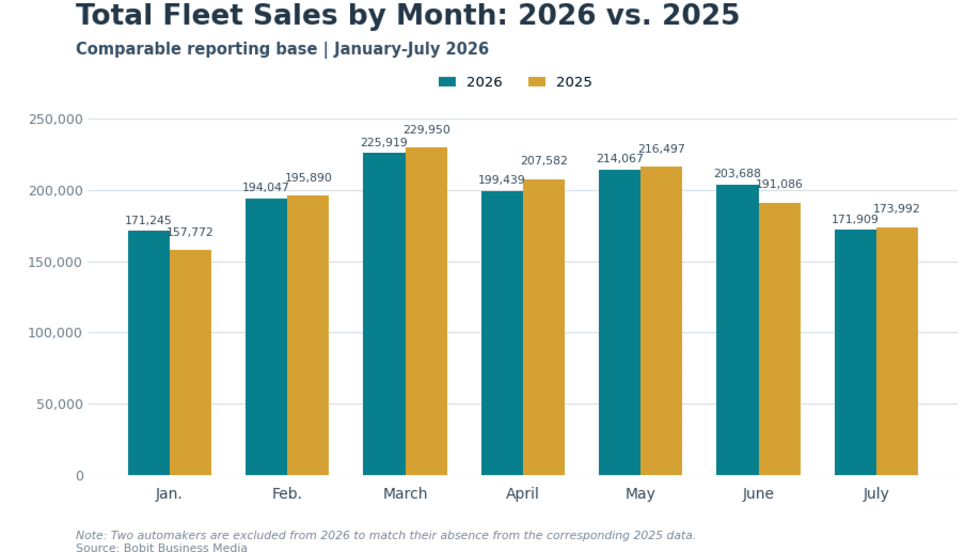
Fleet Sales Hold Steady as Commercial Gains Offset Rental Decline
Commercial and government fleet sales increased through July 2026, offsetting most of the decline in rental volume and leaving combined comparable fleet sales 0.5% above the same period last year.
Read More →
Personnel Update: BrickHouse GPS, PRO-VISION, Auto Driveaway, and Proaction
Check out the latest must-know fleet personnel updates from the last couple of months.
Read More →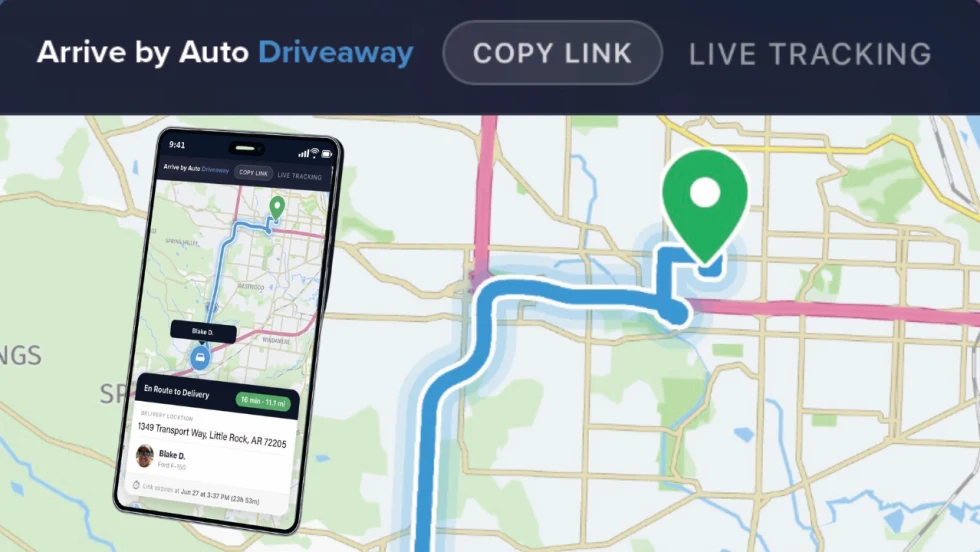
What Comes Next for Auto Driveaway?
A new Auto Driveaway feature called Arrive provides recipients with live location updates and ETAs during the final hour of a vehicle move, while fleet customers continue to have end-to-end shipment visibility through the company's customer portal.
Read More →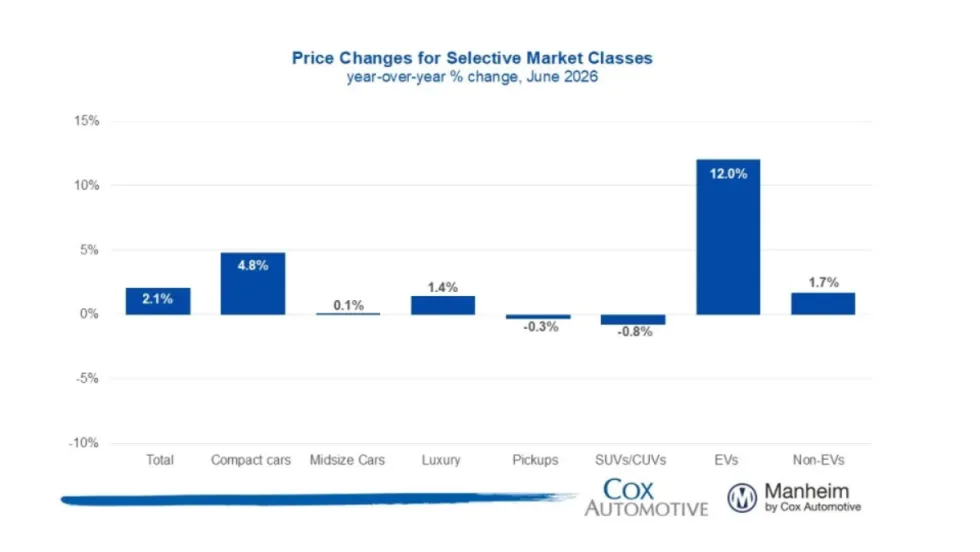
Manheim Index Shows Used-Vehicle Wholesale Prices Up 2.1% in June
The market is seeing stronger appreciation in older used vehicles this year, and the most affordable segments have been among the year’s best performers.
Read More →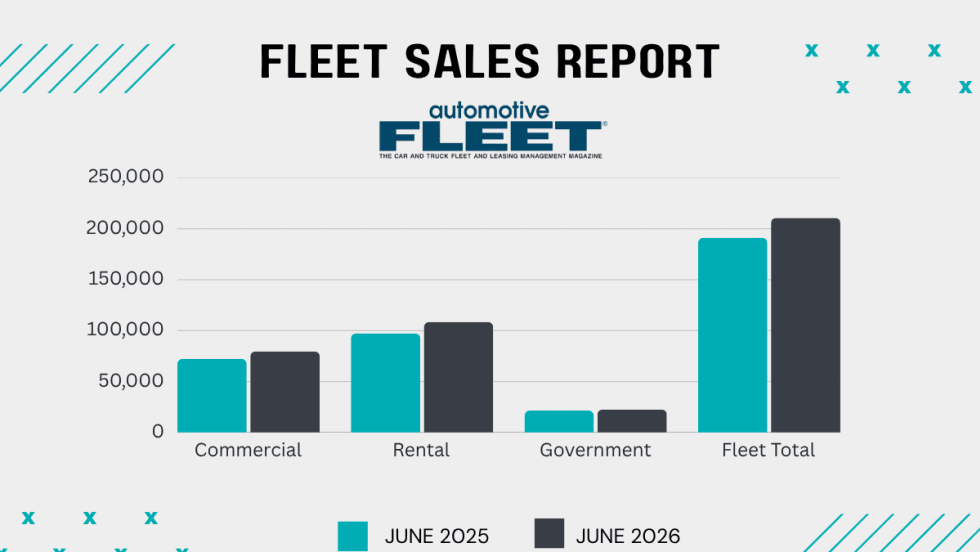
Commercial Fleet Sales Contribute To June, YTD Gains
The fleet sector has boosted its vehicle purchases at a reliable pace in the first half of this year compared with 1H 2025.
Read More →
Stop Remarketing Electric Vehicles Like Gas Cars
The advantages and attributes of electric vehicles are upending the traditional remarketing cycle, requiring fleet sellers to rely on new factors and approaches detailed below.
Read More →
AP Fleet Management Expands Remarketing Program for Commercial Work Trucks
AP Fleet Management expanded its commercial vehicle remarketing program with dedicated resale services and an online marketplace for used work trucks.
Read More →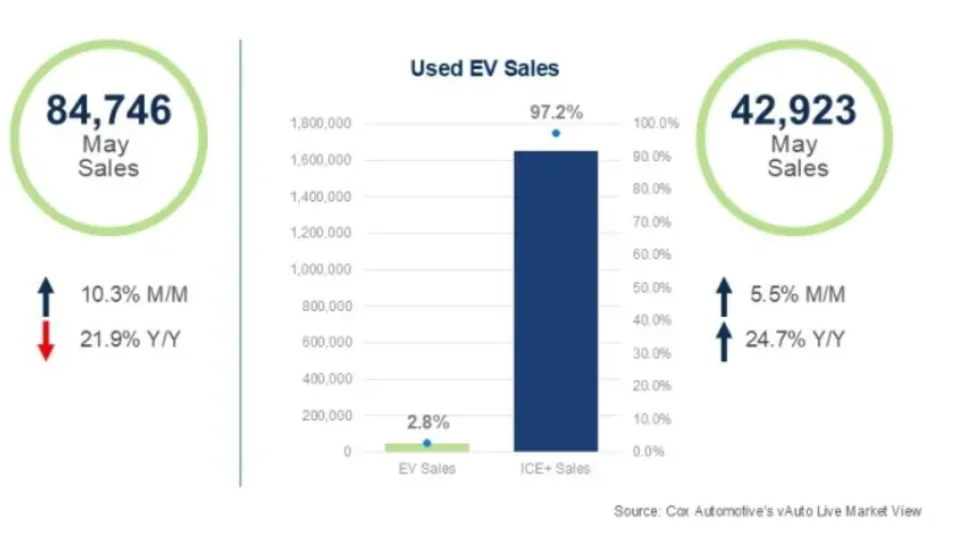
Used EVs Strengthen Overall Electric Vehicle Market
The latest sales data point to several reasons for the divergent trends in new and used EVs that can factor into fleet cycling decisions.
Read More →
The Data-Driven Haul: 5 Ways AI is Leveling the Playing Field in Auto Transport
Large and small transport fleets are becoming more competitive as predictive analytics and real-time data inform the logistics decision chain.
Read More →