



Related: ADESA Chicago Names General Manager
ADESA Opens $40M Chicago Auction
ADESA has officially opened its new ADESA Chicago auto auction, a location that cost the company $40 million to develop, according to a company announcement.
by Staff
November 2, 2016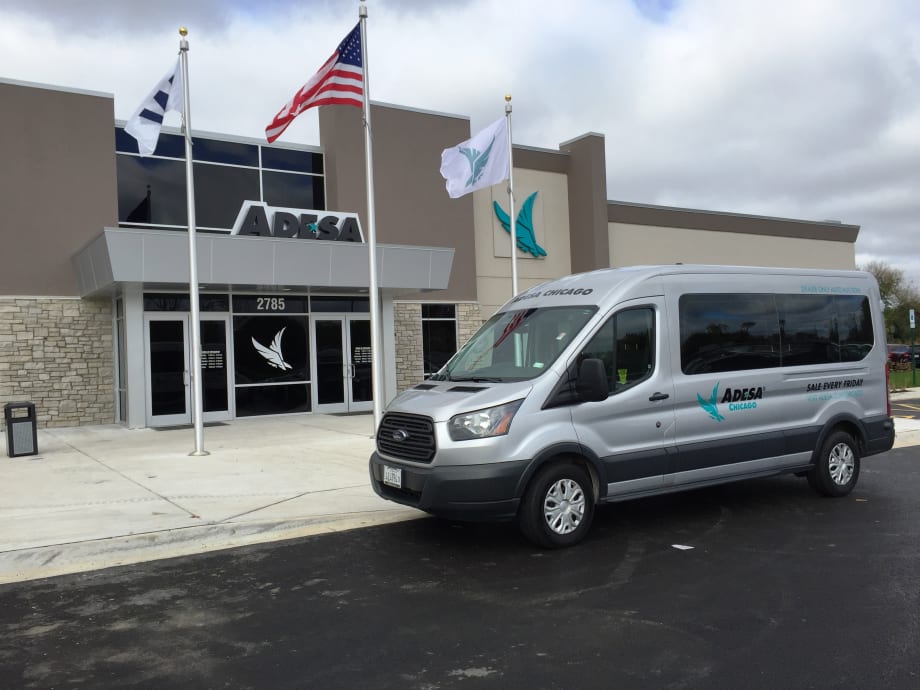
Photo courtesy of ADESA.
2 min to read
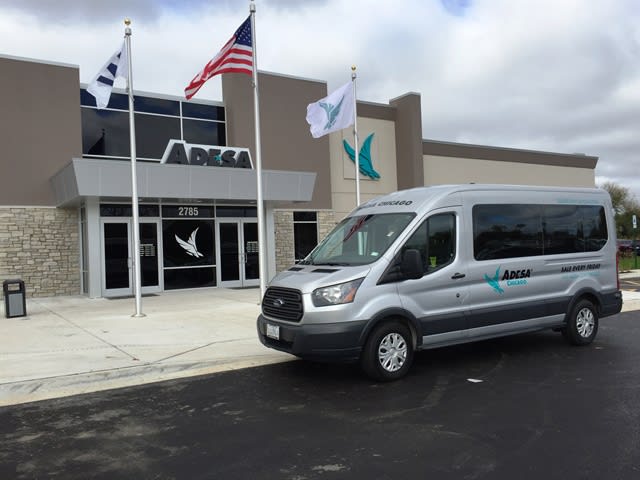
Photo courtesy of ADESA.
ADESA has officially opened its new ADESA Chicago auto auction, a location that cost the company $40 million to develop, according to a company announcement.
“As one of the largest car markets in the United States, Chicago is a top priority in our strategic growth initiatives. There are nearly 1,100 car dealers within a 100-mile radius of our centrally located Hoffman Estates auction facility. Our goal is to provide our services to the majority — if not all — of those customers,” said Stéphane St-Hilaire, CEO and president of ADESA.
The company described its newest location as the most integrated, customer-centric and technologically advanced physical auction location to date. During the first sale, customers were introduced to some of the technological aspects of the new location, including an iOS applications that allow dealers to pay for vehicles, request post-sale inspections and get passes emailed to their device.
“More than 200,000 vehicles were sold at auction last year in Illinois. We are committed to expanding our market share and facilitating the exchange of many of these vehicles. We are filling an unmet need in the market with our end-to-end remarketing services and unmatched technology,” St-Hilaire added.
Customers at the Chicago location can also use the iOS application to scan their driver’s license, gate pass and vehicle barcode. Employees at the location also carry mobile printers to facilitate bid badge printing from mobile devices.
More Operations

CAS Automotive Launches Remarketing Service for Damaged, Surplus Equipment
Damaged Equipment expands CAS Automotive’s vehicle remarketing model to commercial equipment, targeting fleet operators, insurers, equipment dealers, and rental companies.
Read More →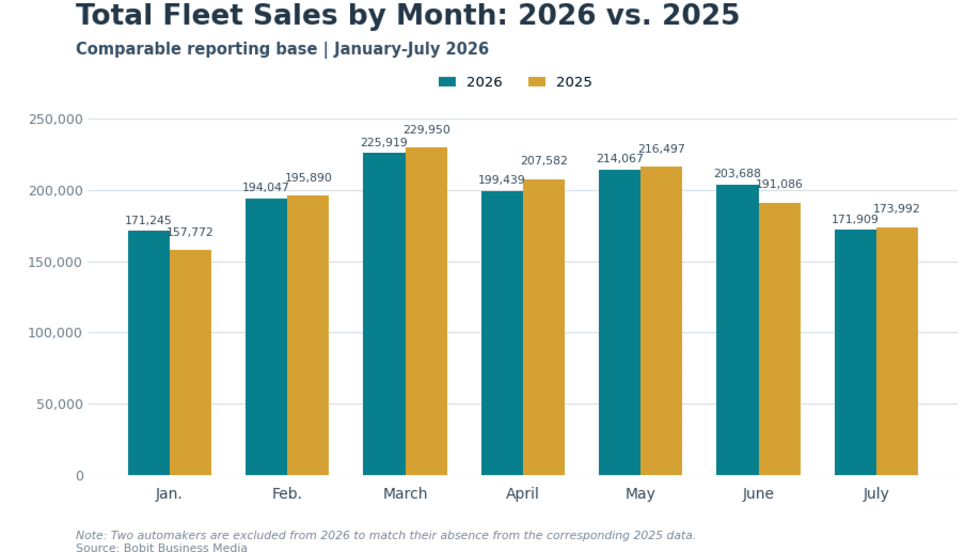
Fleet Sales Hold Steady as Commercial Gains Offset Rental Decline
Commercial and government fleet sales increased through July 2026, offsetting most of the decline in rental volume and leaving combined comparable fleet sales 0.5% above the same period last year.
Read More →
Personnel Update: BrickHouse GPS, PRO-VISION, Auto Driveaway, and Proaction
Check out the latest must-know fleet personnel updates from the last couple of months.
Read More →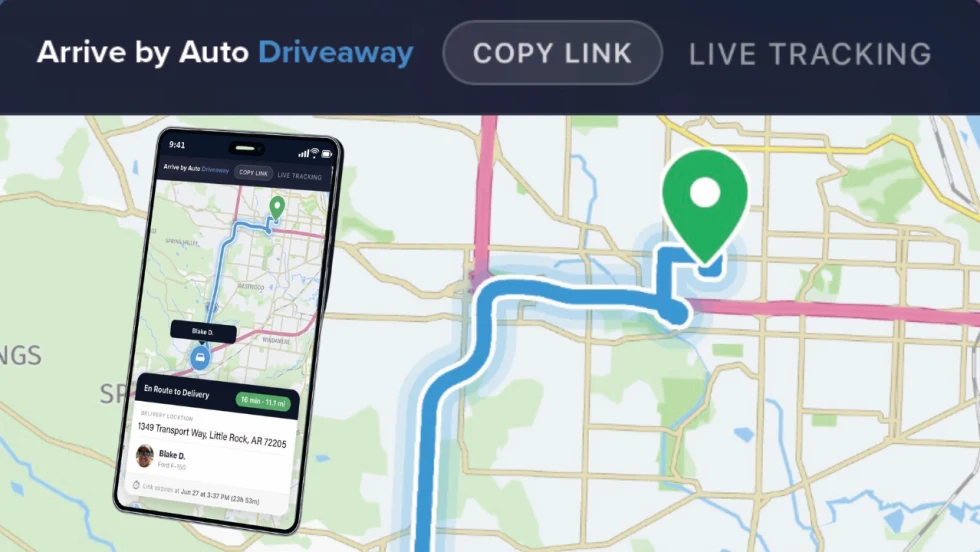
What Comes Next for Auto Driveaway?
A new Auto Driveaway feature called Arrive provides recipients with live location updates and ETAs during the final hour of a vehicle move, while fleet customers continue to have end-to-end shipment visibility through the company's customer portal.
Read More →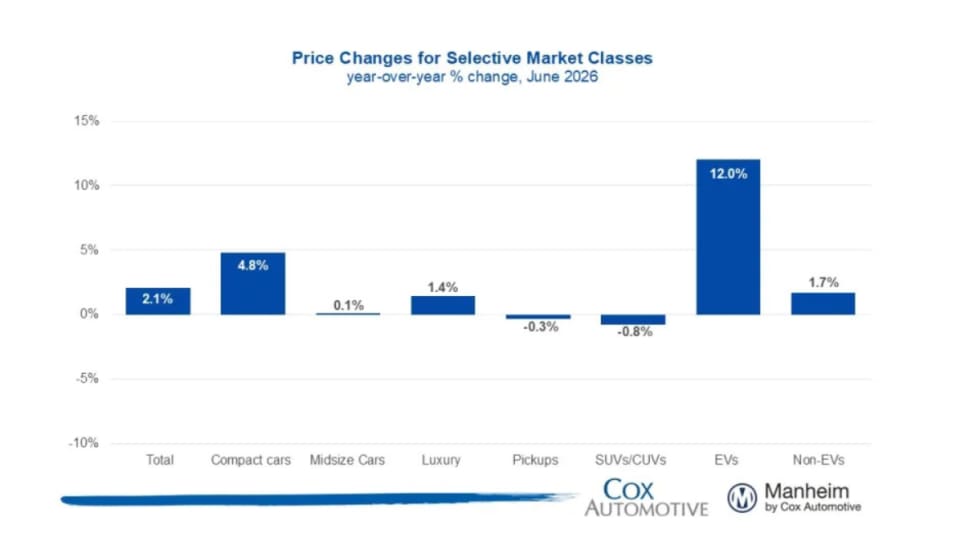
Manheim Index Shows Used-Vehicle Wholesale Prices Up 2.1% in June
The market is seeing stronger appreciation in older used vehicles this year, and the most affordable segments have been among the year’s best performers.
Read More →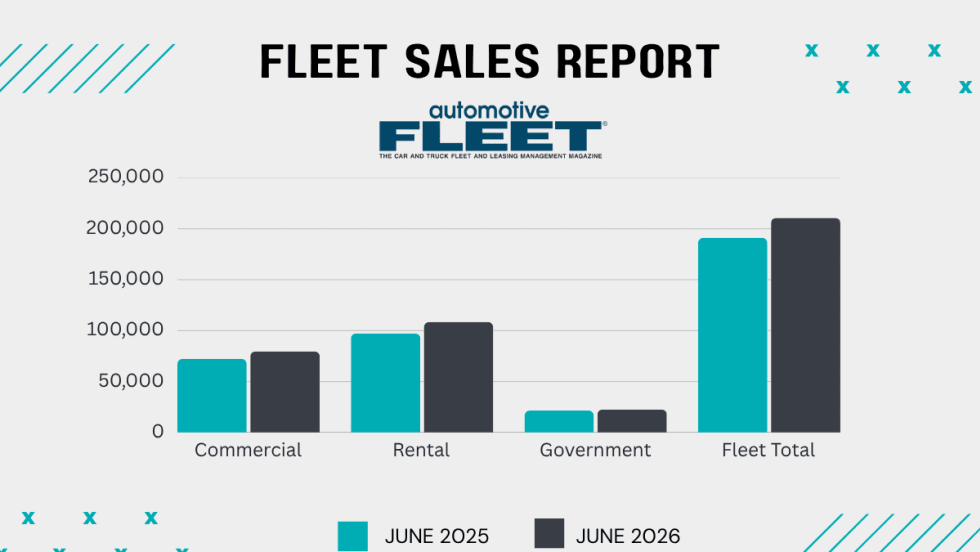
Commercial Fleet Sales Contribute To June, YTD Gains
The fleet sector has boosted its vehicle purchases at a reliable pace in the first half of this year compared with 1H 2025.
Read More →
Stop Remarketing Electric Vehicles Like Gas Cars
The advantages and attributes of electric vehicles are upending the traditional remarketing cycle, requiring fleet sellers to rely on new factors and approaches detailed below.
Read More →
AP Fleet Management Expands Remarketing Program for Commercial Work Trucks
AP Fleet Management expanded its commercial vehicle remarketing program with dedicated resale services and an online marketplace for used work trucks.
Read More →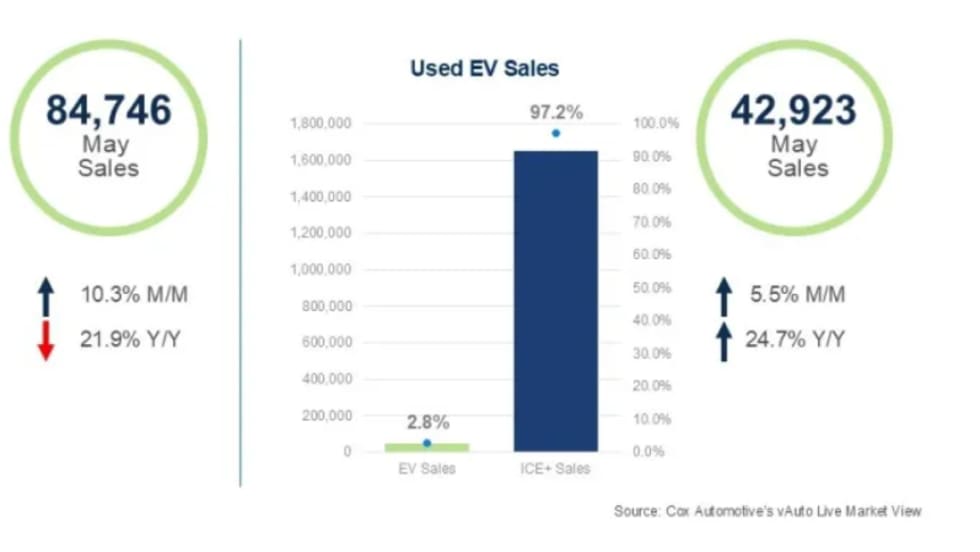
Used EVs Strengthen Overall Electric Vehicle Market
The latest sales data point to several reasons for the divergent trends in new and used EVs that can factor into fleet cycling decisions.
Read More →
The Data-Driven Haul: 5 Ways AI is Leveling the Playing Field in Auto Transport
Large and small transport fleets are becoming more competitive as predictive analytics and real-time data inform the logistics decision chain.
Read More →