



Navigating the Secondary Market: Surplus Trucks
To get the most value from a used truck, fleet managers looking to auction their units should do a little research and be thoroughly prepared.
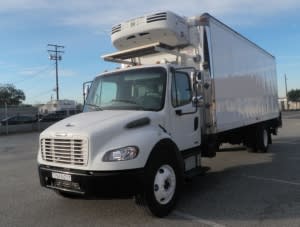
What may be an older truck for one fleet could be just the vehicle another company is looking for. Auctions
may help get the most return on
your investment. (PHOTO: LIQUIDITY SERVICES)
As fleets buy new trucks to replace less reliable, older units, fleet managers are left with millions of dollars of surplus in the form of idle trucks in their yards. By taking a proactive and strategic approach to the remarketing process, fleet managers can achieve maximum recovery for surplus trucks.
Most organizations remarket approximately 20 percent of their fleets each year; for a large company, that could be approximately 1,500 trucks. Typically, these trucks are around five years old and have more than 200,000 miles on the odometer.
The reason for the turn-over after five years is threefold: expiration of warranty, completed depreciation, and the recovery value is generally higher for a truck in that age range.
Getting the Most Value
The number of trucks an organization has determines how it approaches selling them on the secondary market. Smaller institutions with fewer trucks may handle remarketing in-house; while larger institutions with trucks across a variety of locations commonly work with large, professional auctioneers.
If handling remarketing in-house, some best practices should be followed to ensure maximum recovery, including:
Determine estimated vehicle value: Look at value guides, such as Black Book, or investigate what similar vehicles are going for at auction.
Determine a sales channel for the vehicles, such as online, private sale, or a local print advertisement.
Adjust marketing to attract the right buyer type. There is a unique buyer base depending on the truck’s condition, make, model, and location.
Schedule a preview period so potential buyers can come inspect the truck(s).
Take quality images and video to provide potential buyers through online channels.
Plan for truck removal.
Navigating the Auction Process
Auctions are historically the best way to turn large numbers of inventory back into cash quickly, and working with a professional auctioneering partner can save valuable in-house time and resources.
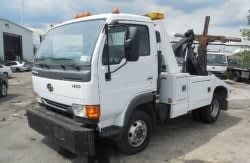
(PHOTO: LIQUIDITY SERVICES)
Some items should be considered when looking for a partner to manage the fleet’s remarketing. For example, a local auction company may be sufficient to handle all aspects of sales and marketing in a specific market, to local buyers. However, if an organization has assets across a variety of locations, it should partner with an auction company that has a national reach and can market to a national buyer base. Simply put, more buyers mean more competition, which leads to higher recovery values.
Other factors to consider when choosing an auction partner include:
Does it offer its own, safe location(s) to house trucks?
Can it inspect and perform maintenance on the truck if needed?
Is it able to provide an evaluation of the truck?
Does it offer reserve pricing to cap any downside potential on the final pricing?
Will it complete all aspects of the process including transportation, marketing, and sales?
By gaining a better understanding of the secondary marketplace, establishing remarketing best practices, and successfully navigating the auction process, fleet managers can make their companies’ surplus assets work for — not against — the bottom line.
Originally posted on Work Truck Online
More Fleet
Acertus Acquires Fisher Shipping, CEO to Join Acertus
Fisher Shipping will retain its brand and team, while its customers gain access to Acertus’ transportation, storage, vehicle care, and title and registration services.
Read More →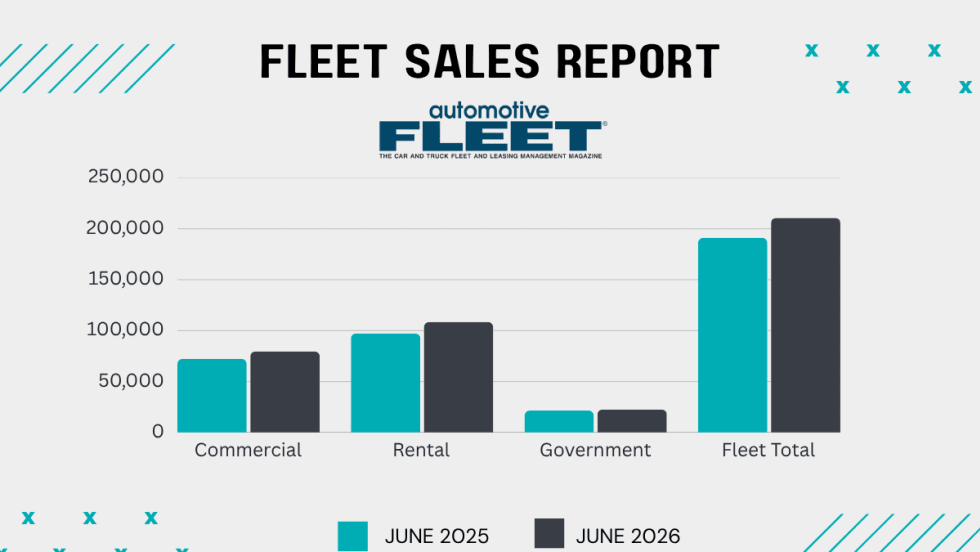
Commercial Fleet Sales Contribute To June, YTD Gains
The fleet sector has boosted its vehicle purchases at a reliable pace in the first half of this year compared with 1H 2025.
Read More →
Registration Opens for 2026 Fleet Forward Conference
Held on the East Coast for the first time, the Washington, D.C.-area event features expert-led education, a new IIHS Crash Test Experience, and collocation with the NAFA’s Fleet Safety Symposium.
Read More →
AP Fleet Management Expands Remarketing Program for Commercial Work Trucks
AP Fleet Management expanded its commercial vehicle remarketing program with dedicated resale services and an online marketplace for used work trucks.
Read More →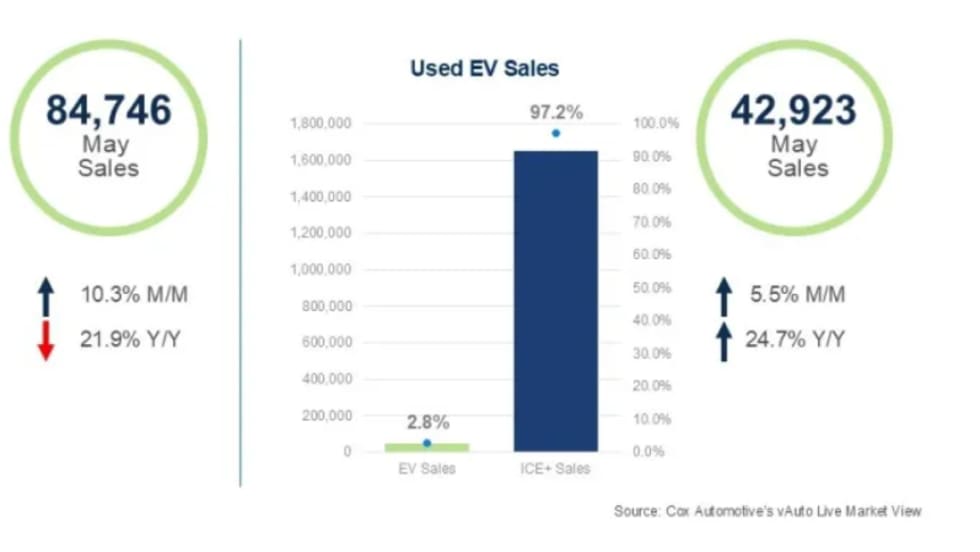
Used EVs Strengthen Overall Electric Vehicle Market
The latest sales data point to several reasons for the divergent trends in new and used EVs that can factor into fleet cycling decisions.
Read More →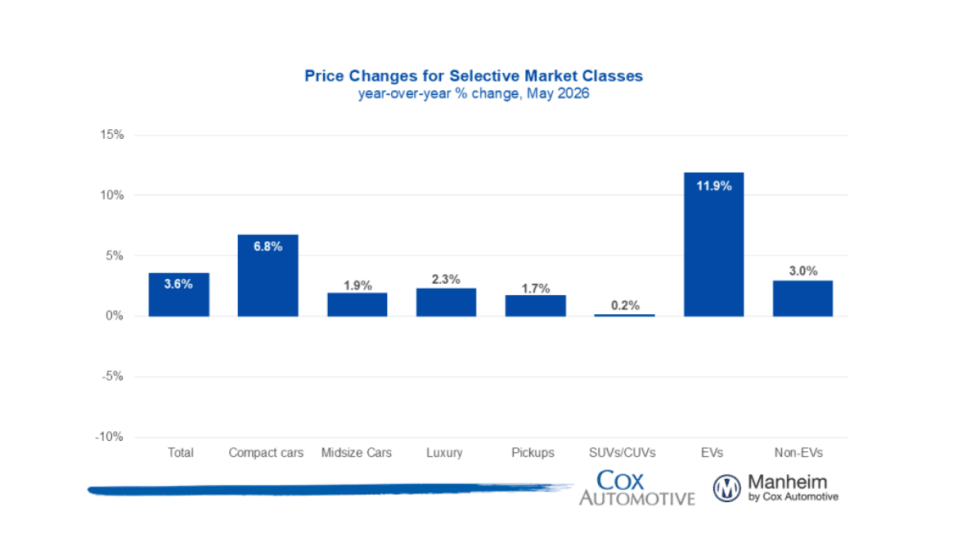
Wholesale Used Vehicle Market Sustains Moderate Rise In Values, Prices
Trends continue to normalize after a strong start to the year, as consumers contend with higher gas prices in the coming summer months.
Read More →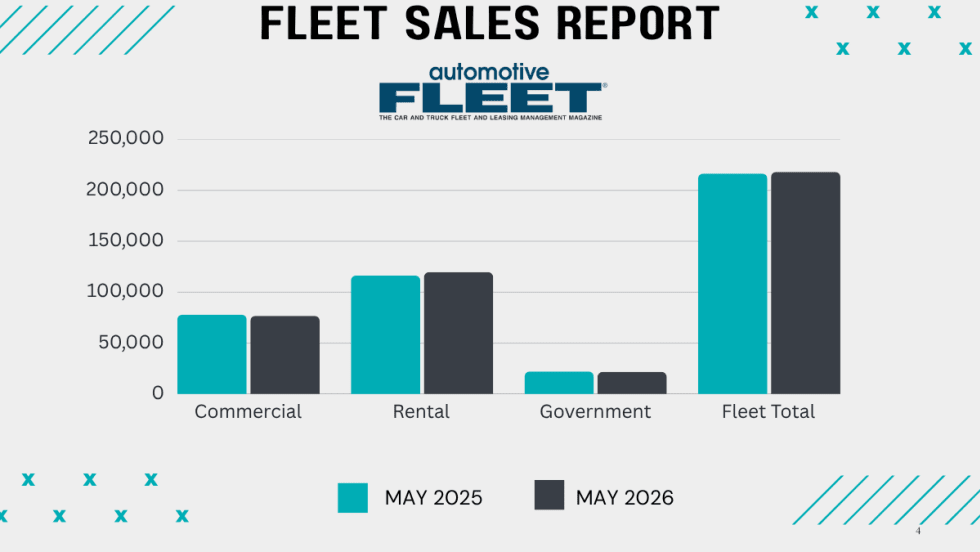
Commercial Fleet Sales Still Lead Sectors Despite May Mini Dip
The U.S. economy's continued growth and positive business investment are creating a favorable environment for fleet vehicle demand.
Read More →
The Data-Driven Haul: 5 Ways AI is Leveling the Playing Field in Auto Transport
Large and small transport fleets are becoming more competitive as predictive analytics and real-time data inform the logistics decision chain.
Read More →
Commercial Fleet Sales Show Healthy Gains
So far, the fleet sector is outshining government and rental fleet sales this year as economic growth spurs more business investment.
Read More →
CAR 2026 Recap Part 2: Closing the Gap Between Data & Remarketing Value
The second half of CAR 2026 examined how fleets can translate lifecycle strategy, vehicle data, and market shifts into higher real-world results.
Read More →