


Launch of Fleet Remarketing Association Signals New Era for Vehicle Lifecycle Value and Data Stewardship
The Association, dedicated to advancing the remarketing phase of the vehicle lifecycle, held its kick-off meeting on April 16 at the 2026 Conference of Automotive Remarketing (CAR) in Cleveland.


The Association is dedicated to maximizing asset value, strengthening data governance practices, and supporting a more connected and transparent secondary ownership market.
Credit: Fleet Remarketing Association
On April 16 at the Conference of Automotive Remarketing (CAR) in Cleveland, the newly formed Fleet Remarketing Industry Council (FRIC) announced its intent to establish the Fleet Remarketing Association (FRA), a new non-profit organization dedicated to advancing the remarketing phase of the vehicle lifecycle.
The initiative represents a significant step toward formalizing a critical segment of the fleet ecosystem — with a focus on maximizing asset value, strengthening data governance practices, and supporting a more connected and transparent secondary ownership market.
“For too long, remarketing has been treated as the end of the fleet vehicle lifecycle — when in reality, it’s the beginning of the next one,” Colin Sutherland, CEO of Bobit Business Media and founder of the Council and Association, said at CAR.
“The Fleet Remarketing Association is being formed to build a bridge between first ownership and second ownership — preserving value, ensuring data integrity, and supporting an ecosystem that benefits every stakeholder in the chain.”
About Fleet Remarketing Association (FRA)
The FRA is being established as a non-profit organization dedicated to advancing the remarketing phase of the vehicle lifecycle through education, standards, and ecosystem collaboration.
The FRA welcomes fleet owners, fleet management companies, OEMs, and suppliers aligned in maximizing value, ensuring data continuity, and enhancing the secondary ownership experience.
The FRA is being established as a non-profit organization, with articles of incorporation likely finished by July, said Sutherland. After that point, the FRA will convene its first meeting online.
A Mission Built for the Modern Fleet Economy
As fleets become increasingly data-driven and software-enabled, the remarketing phase of the vehicle lifecycle has emerged as a critical — yet underdeveloped — opportunity for value preservation and operational continuity.
The Fleet Remarketing Association is being formed with a clear charter to support:
Fleet Owners & Operators — Delivering education, standards, and best practices to maximize resale value and lifecycle ROI
Fleet Management Companies (FMCs) — Enhancing remarketing strategies and data continuity across ownership transitions
Suppliers & Ecosystem Partners — Creating a unified marketplace that supports services tied to secondary ownership
Association's Core Pillars
The Association is governed by four core pillars:
1. Maximizing Vehicle Residual Value
Providing education, benchmarks, and tools to help fleets optimize timing, condition, and channel strategies to achieve the highest resale outcomes.
2. Data Consent & Digital Chain of Custody
Advocating for standardized frameworks that ensure telematics, vehicle data, and software permissions are properly transferred, reset, or reassigned at the point of title transfer.
3. Upfit Value Preservation
Establishing guidelines and supplier alignment to retain and monetize upfit investments across multiple ownership cycles.
4. Secondary Ownership Experience
Supporting a robust supplier ecosystem that enhances the downstream ownership experience, including upfitting, insurance, safety, telematics, and extended warranties.
Leadership Perspective
“For too long, remarketing has been treated as the end of the fleet vehicle lifecycle — when in reality, it’s the beginning of the next one,” said Colin Sutherland, founder of the Fleet Remarketing Industry Council.
“The Fleet Remarketing Association is being formed to build a bridge between first ownership and second ownership — preserving value, ensuring data integrity, and supporting an ecosystem that benefits every stakeholder in the chain.”
Why This Matters Now
Vehicles are increasingly software-defined and data-rich
Fleets are under pressure to optimize total cost of ownership
Secondary buyers demand greater transparency
Upfit investments are growing in complexity and value
Data privacy and consent regulations are evolving globally
The FRA aims to bring structure, standards, and innovation to a segment of the market that has historically operated without a unified voice.
Originally posted on Automotive Fleet
More Fleet
Acertus Acquires Fisher Shipping, CEO to Join Acertus
Fisher Shipping will retain its brand and team, while its customers gain access to Acertus’ transportation, storage, vehicle care, and title and registration services.
Read More →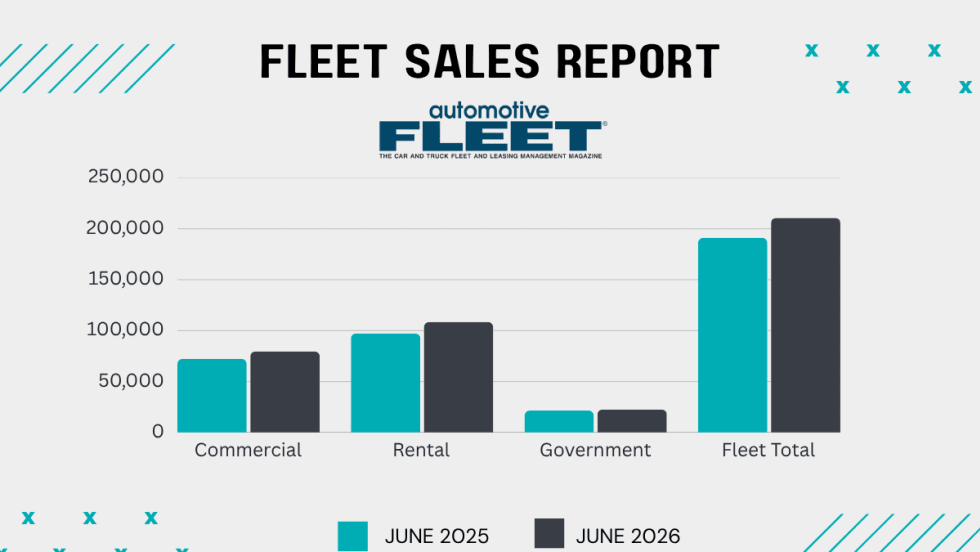
Commercial Fleet Sales Contribute To June, YTD Gains
The fleet sector has boosted its vehicle purchases at a reliable pace in the first half of this year compared with 1H 2025.
Read More →
Registration Opens for 2026 Fleet Forward Conference
Held on the East Coast for the first time, the Washington, D.C.-area event features expert-led education, a new IIHS Crash Test Experience, and collocation with the NAFA’s Fleet Safety Symposium.
Read More →
AP Fleet Management Expands Remarketing Program for Commercial Work Trucks
AP Fleet Management expanded its commercial vehicle remarketing program with dedicated resale services and an online marketplace for used work trucks.
Read More →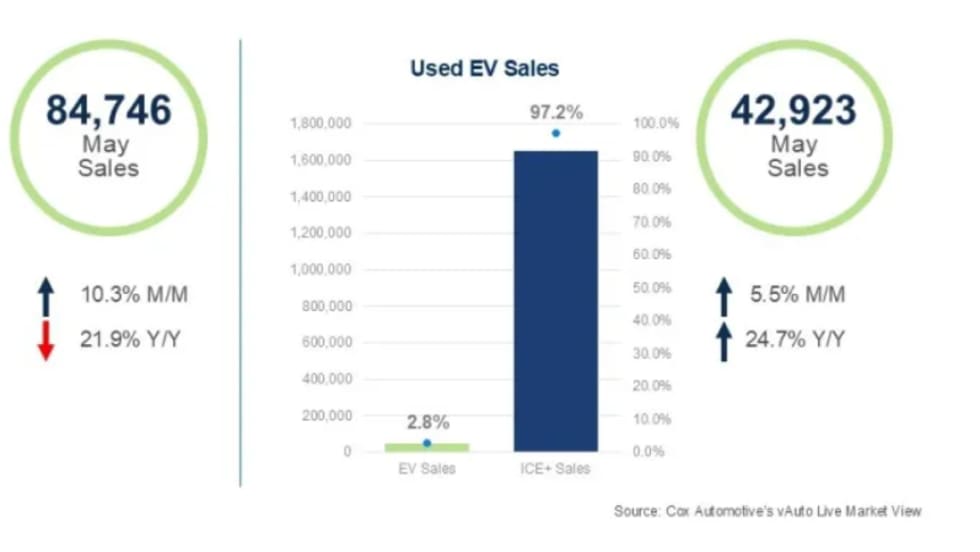
Used EVs Strengthen Overall Electric Vehicle Market
The latest sales data point to several reasons for the divergent trends in new and used EVs that can factor into fleet cycling decisions.
Read More →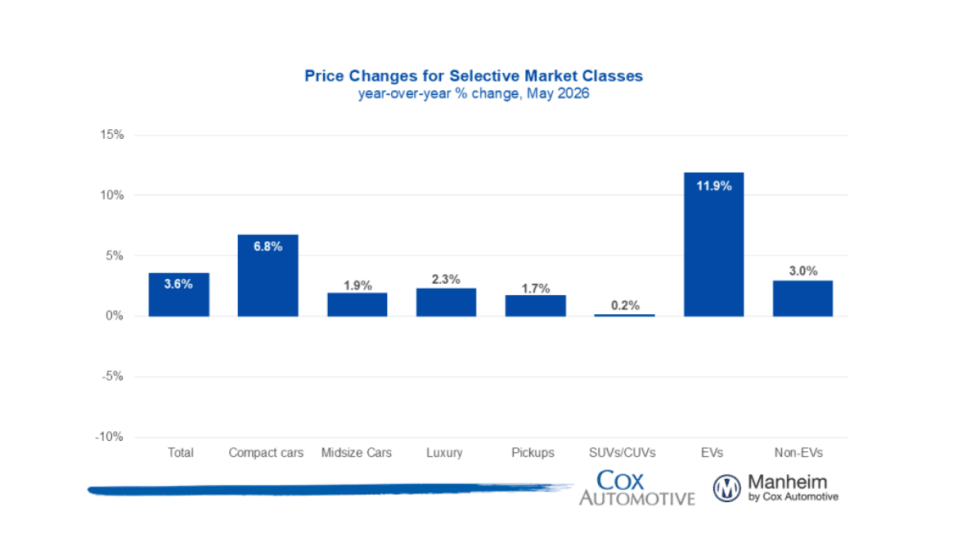
Wholesale Used Vehicle Market Sustains Moderate Rise In Values, Prices
Trends continue to normalize after a strong start to the year, as consumers contend with higher gas prices in the coming summer months.
Read More →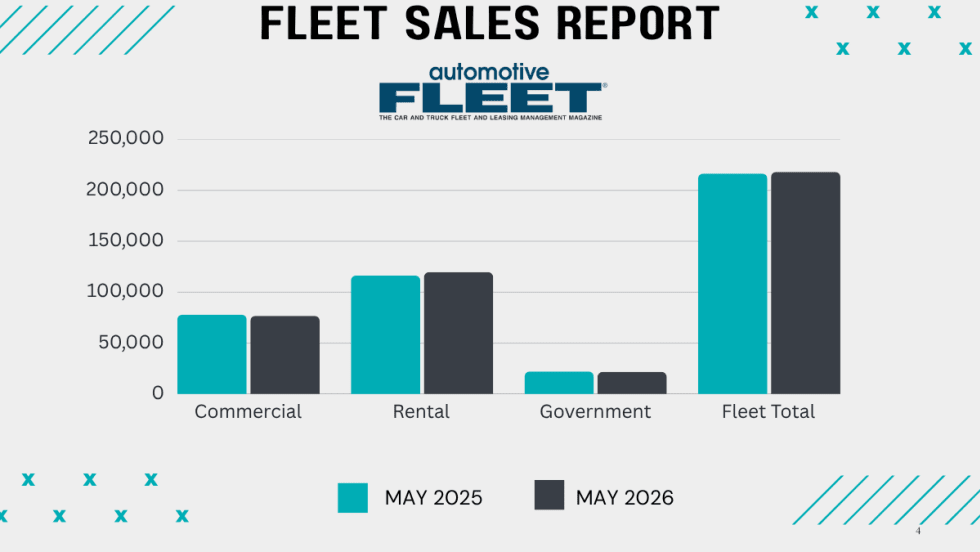
Commercial Fleet Sales Still Lead Sectors Despite May Mini Dip
The U.S. economy's continued growth and positive business investment are creating a favorable environment for fleet vehicle demand.
Read More →
The Data-Driven Haul: 5 Ways AI is Leveling the Playing Field in Auto Transport
Large and small transport fleets are becoming more competitive as predictive analytics and real-time data inform the logistics decision chain.
Read More →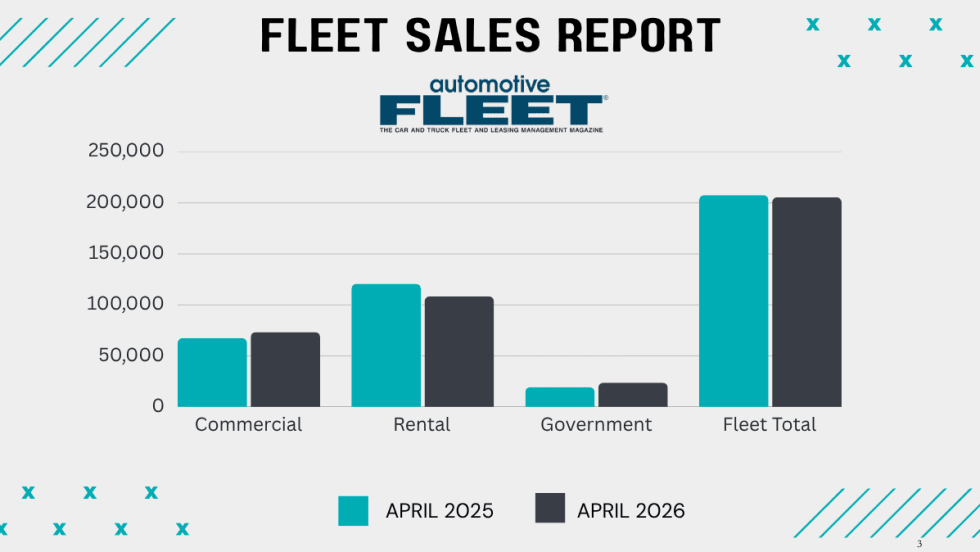
Commercial Fleet Sales Show Healthy Gains
So far, the fleet sector is outshining government and rental fleet sales this year as economic growth spurs more business investment.
Read More →
CAR 2026 Recap Part 2: Closing the Gap Between Data & Remarketing Value
The second half of CAR 2026 examined how fleets can translate lifecycle strategy, vehicle data, and market shifts into higher real-world results.
Read More →