




Related News: How Long Do EV Batteries Really Last?
Cox Automotive Amasses EV Battery Minerals
The company has processed more than 10 million pounds of EV battery black mass, highlighting growing demand for recycling and lifecycle management as more electric vehicles enter the used market.
March 17, 2026

Cox Automotive reached a milestone in EV battery recycling, processing more than 10 million pounds of material as part of its broader battery lifecycle management strategy.
Credit: Cox Automotive
2 min to read
Cox Automotive's EV Battery Solutions business has processed more than 10 million pounds of black mass, a material containing minerals that can be refined and reused in new battery production, the company said March 12.
The milestone reflects Cox's role in managing EV battery lifecycles, including handling, logistics, repair, remanufacturing, and recycling.
Why This Matters
As more electric vehicles enter the used market, demand for battery service, reuse, and recycling is increasing.
EVs accounted for about 5% of lease maturities in 2025 and are expected to exceed 12% in 2026, with projections reaching about 23% by 2028.
More batteries will require service, second-life applications, and end-of-life recycling.
Recycling helps keep materials in use and supports battery supply chains.
Battery lifecycle management is becoming a growing operational need as EV adoption increases.
Battery Lifecycle Approach
Cox Automotive said recycling is part of a broader strategy to extend battery life through repair, refurbishment, and remanufacturing, with recycling used when necessary.
The company uses depowering and dry-shredding technologies designed to reduce fire risk and support safer battery processing.
“This milestone reflects progress in scaling EV battery recycling,” said Brian Skalovsky, director of battery recycling for EV Battery Solutions at Cox Automotive, in a March 12 news release. “Recovered materials can be reused as more EVs enter the market.”
Lea Malloy, vice president of EV Battery Solutions, said the company’s approach focuses on extending battery life and supporting end-of-life recovery.
Battery Recycling Process
At Cox Automotive’s battery recycling facility in Oklahoma City, technicians use a dry recycling process that avoids water and chemical treatments.
The process includes mechanical disassembly, shredding, and air-based separation to recover materials. The company reports recovery rates of up to 94%.
Black Mass and Material Recovery
Black mass is a powder-like material created during battery recycling that contains metals such as lithium, nickel, cobalt, and manganese. These materials can be refined and reused in new battery production, reducing reliance on newly mined resources.
Sustainability and Operations
The milestone supports Cox Enterprises’ sustainability program, Cox Conserves, which focuses on reducing waste, conserving resources, and supporting environmental initiatives.
Cox Automotive’s EV battery services include storage, logistics, diagnostics, repair, and remanufacturing, along with recycling operations at facilities in:
Oklahoma City
Belleville, Michigan
Las Vegas
Conyers, Georgia
Ede, Netherlands
Rugby, United Kingdom
The company also supports battery services through select Manheim locations.
Originally posted on Charged Fleet
More Fleet

Acertus Acquires Fisher Shipping, CEO to Join Acertus
Fisher Shipping will retain its brand and team, while its customers gain access to Acertus’ transportation, storage, vehicle care, and title and registration services.
Read More →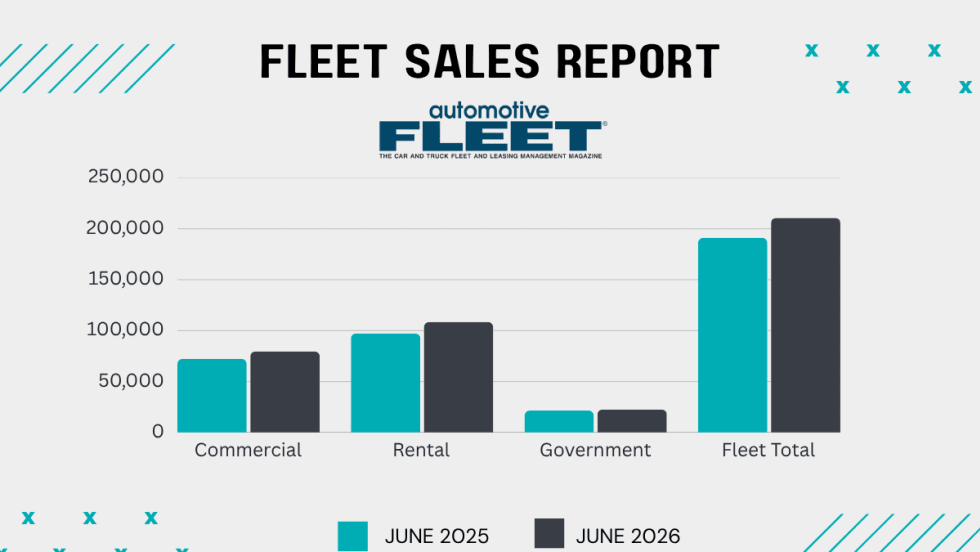
Commercial Fleet Sales Contribute To June, YTD Gains
The fleet sector has boosted its vehicle purchases at a reliable pace in the first half of this year compared with 1H 2025.
Read More →
Registration Opens for 2026 Fleet Forward Conference
Held on the East Coast for the first time, the Washington, D.C.-area event features expert-led education, a new IIHS Crash Test Experience, and collocation with the NAFA’s Fleet Safety Symposium.
Read More →
AP Fleet Management Expands Remarketing Program for Commercial Work Trucks
AP Fleet Management expanded its commercial vehicle remarketing program with dedicated resale services and an online marketplace for used work trucks.
Read More →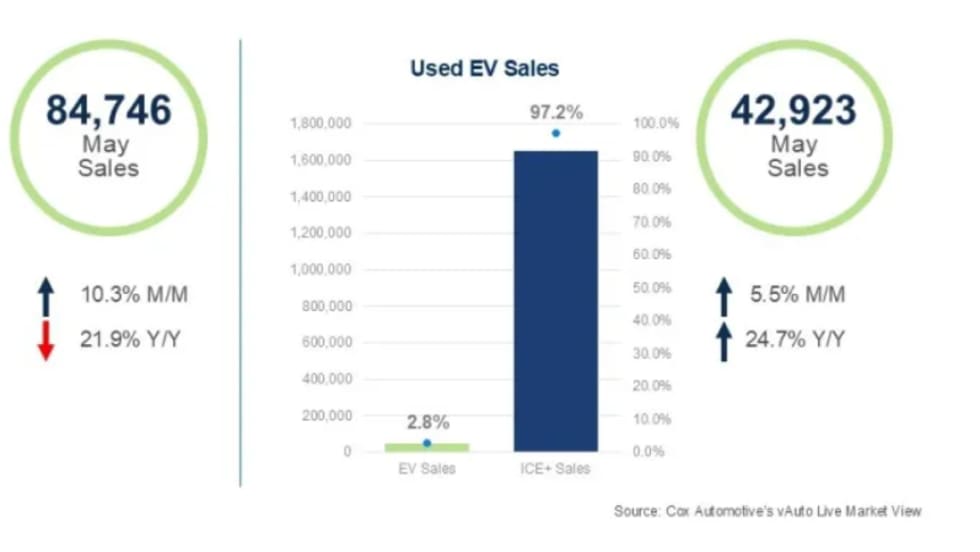
Used EVs Strengthen Overall Electric Vehicle Market
The latest sales data point to several reasons for the divergent trends in new and used EVs that can factor into fleet cycling decisions.
Read More →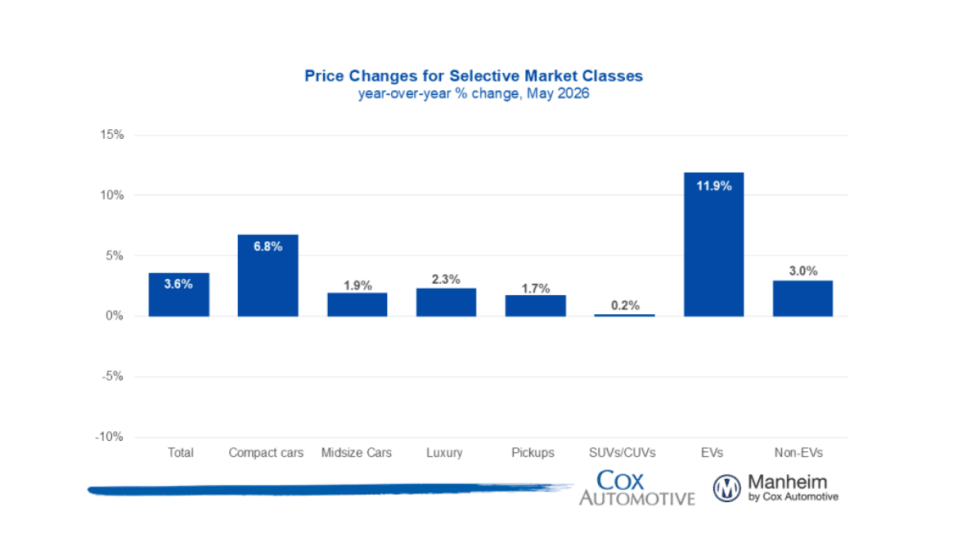
Wholesale Used Vehicle Market Sustains Moderate Rise In Values, Prices
Trends continue to normalize after a strong start to the year, as consumers contend with higher gas prices in the coming summer months.
Read More →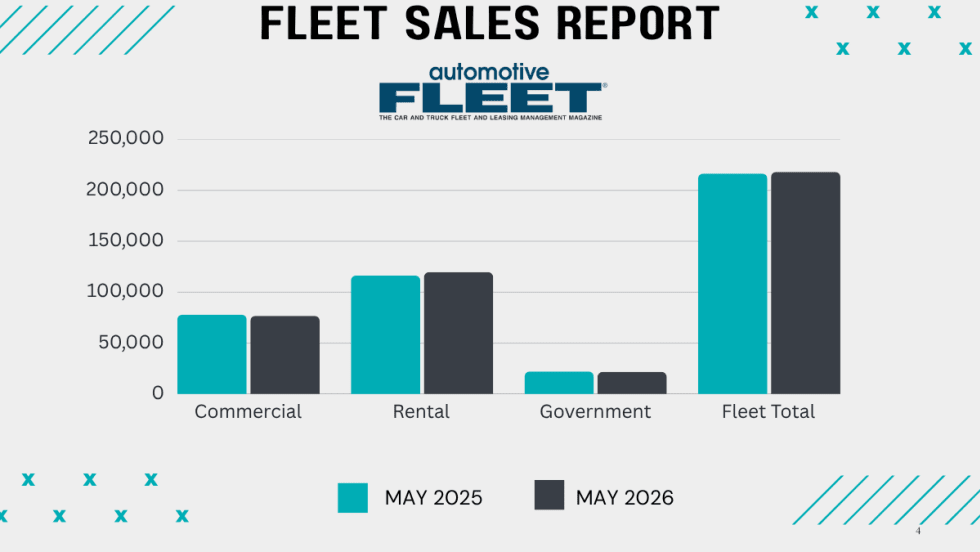
Commercial Fleet Sales Still Lead Sectors Despite May Mini Dip
The U.S. economy's continued growth and positive business investment are creating a favorable environment for fleet vehicle demand.
Read More →
The Data-Driven Haul: 5 Ways AI is Leveling the Playing Field in Auto Transport
Large and small transport fleets are becoming more competitive as predictive analytics and real-time data inform the logistics decision chain.
Read More →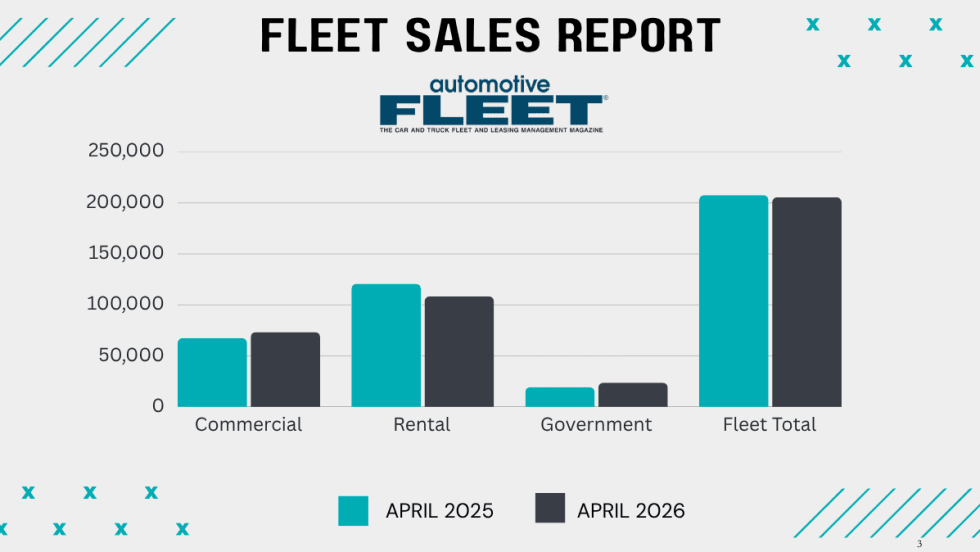
Commercial Fleet Sales Show Healthy Gains
So far, the fleet sector is outshining government and rental fleet sales this year as economic growth spurs more business investment.
Read More →
CAR 2026 Recap Part 2: Closing the Gap Between Data & Remarketing Value
The second half of CAR 2026 examined how fleets can translate lifecycle strategy, vehicle data, and market shifts into higher real-world results.
Read More →