




Background Article: IARA Launches Detailed Compliance Training for Remarketers
Data Security Now a Must-Do for Companies — Forever
IARA Summer Roundtable: Cyber threats are multiplying in numbers and types as organizations scramble to catch up on protections.
September 22, 2022

Among the leading consequences of a cyberattack or breach is it incurs a loss of trust among clients and customers in addition to the financial losses and compensation needed to remedy the fallout, said Philip Geier, virtual chief information security officer for security platform provider, Pivotalogic, during the IARA Summer Roundtable on Aug. 18.
Photo: IARA
4 min to read
Think of it as the never-ending stress test. Cybersecurity has crept into the information-world like a million tapeworms burrowing and stealing into business data troves where they can wreak havoc and even demand ransom.
That means organizations, including all those handling vehicles in every facet of remarketing, should have plans and defenses in place — yesterday — and test them continuously.
Businesses and operation must update and bolster their cybersecurity strategies to stay secure for the long haul and ensure they remain productive and don’t lose money to cyber breaches, vandals, and ransom shakedowns, said Philip Geier, virtual chief information security officer for security platform provider, Pivotalogic. Geier gave a presentation, “Cybersecurity Made Simple,” on Aug.18 during the IARA Summer Roundtable in Nashville, Tennessee.
“You need to make sure you have a good security posture developed and the company can perform,” Geier said told the audience.
Geier’s firm is tracking the rising trend of threats and concerns related to cybersecurity. In its recent poll of 300 information technology leaders, the survey found some troubling realities:
81% of IT leaders rated vulnerabilities and unknown misconfigurations as the biggest security concern within their environments
76% say that their primary obstacle is the inability to hire security staff or lack of security experience and skills among the staff
70% say ransomware is their top concern
56% identify the inability to adequately manage risk and develop a risk management program
50% say their cybersecurity budget fails to meet the minimum figure they need to remain secure
Overall, cybersecurity is the number one concerns among CEOs as they see their companies and industry sectors suffer financial losses from attacks and hacks as massive increases in ransomware afflict the banking industry, Geier said. There has been a 24% increase in breaches compared to the previous year.
Among the leading consequences of a cyberattack or breach is it incurs a loss of trust among clients and customers in addition to the financial losses and compensation needed to remedy the fallout. The average cost of a data breach in 2021 was $9.05 million. 99% of organizations use at least one public or private cloud.
Further challenging the cybersecurity sector is a labor shortage of 3.5 million professionals, whose average base pay starts at $130,000.
Geier outlined four primary steps business and organizations can take to improve their security posture:
No. 1: Identify gaps and vulnerabilities with a security risk assessment. Check up on your overall security health. A risk assessment should span the administrative, physical facility, internal, and external functions of a business. Observe, document, and test all aspects of security, and interview employees as needed to complement the data and findings. A third party can help with such a comprehensive assessment.
No. 2: Measure and communicate your risks. IT people generally don’t communicate very well, Geier said. Leaders must instill consistent communication across the organization with IT. Set up a security score like the format for a FICO score.
No. 3: Build a roadmap to address your risks. Have a plan so you can make the right decisions and not get lost. Prioritize and address risks in the most methodical and effective way possible. Determine who best can devise a cybersecurity plan: internal employees, outside parties or contractors and services.
No. 4: Report improvements over time based on key performance indicators. Communicate and evaluate improvements continuously among different departments.
Meanwhile, organizations and businesses should take the following precautions:
Do not pay for ransomware blackmail. The more companies pay, the more aggressive they get. Can you do a disaster recovery exercise? Have an instant replacement plan based on practice attacks and scenarios. Conduct emergency exercises at regular times of the year.
Back up data so you don’t have to pay cyber criminals. Test the backed-up data. Cybersecurity “hostages” pay up because they don’t back up their company data and information. They should put it in a secure cloud and keep testing their disaster recovery plan.
The power grid is extremely vulnerable. Every company should install or be able to access backup generators and power supplies, since many utilities so far have not adequately invested in grid protection.
Subscribe to Our Newsletter
More Operations

CAS Automotive Launches Remarketing Service for Damaged, Surplus Equipment
Damaged Equipment expands CAS Automotive’s vehicle remarketing model to commercial equipment, targeting fleet operators, insurers, equipment dealers, and rental companies.
Read More →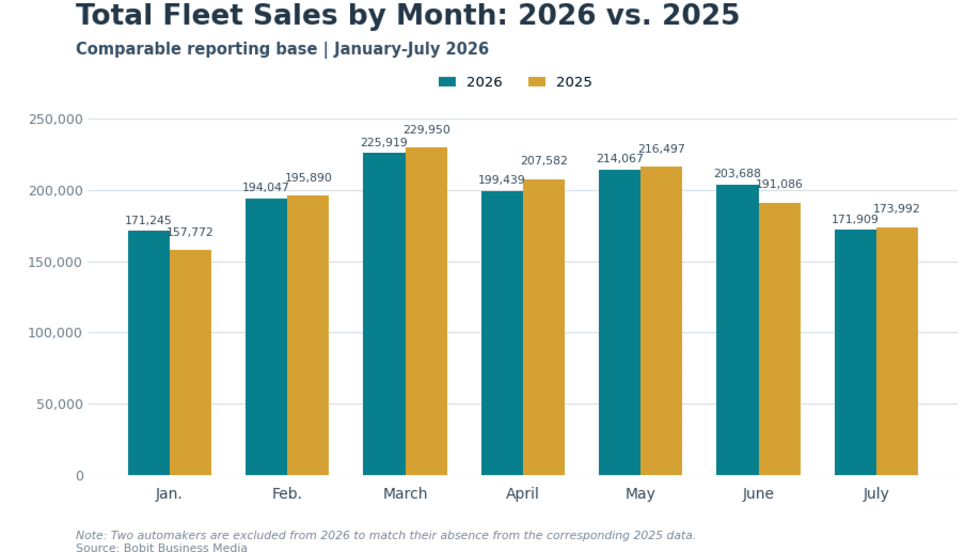
Fleet Sales Hold Steady as Commercial Gains Offset Rental Decline
Commercial and government fleet sales increased through July 2026, offsetting most of the decline in rental volume and leaving combined comparable fleet sales 0.5% above the same period last year.
Read More →
Personnel Update: BrickHouse GPS, PRO-VISION, Auto Driveaway, and Proaction
Check out the latest must-know fleet personnel updates from the last couple of months.
Read More →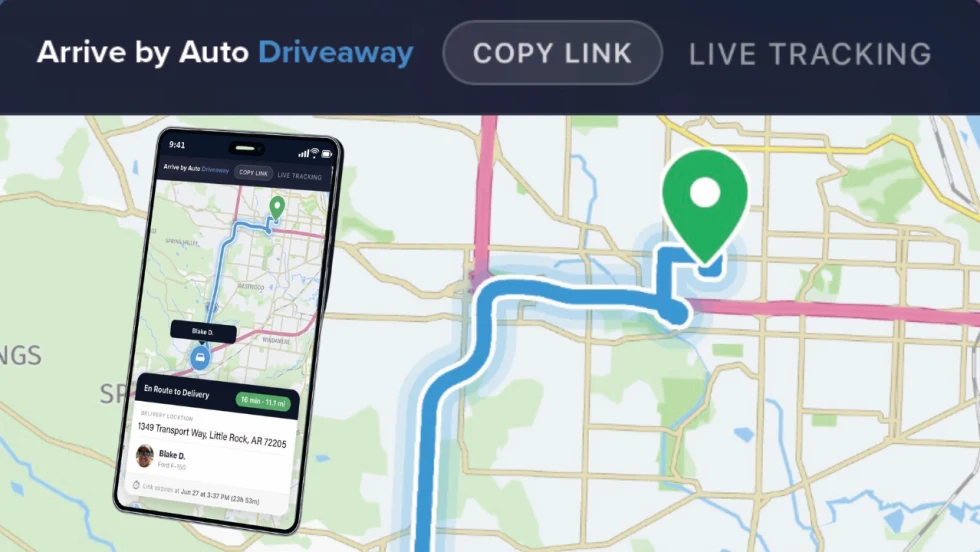
What Comes Next for Auto Driveaway?
A new Auto Driveaway feature called Arrive provides recipients with live location updates and ETAs during the final hour of a vehicle move, while fleet customers continue to have end-to-end shipment visibility through the company's customer portal.
Read More →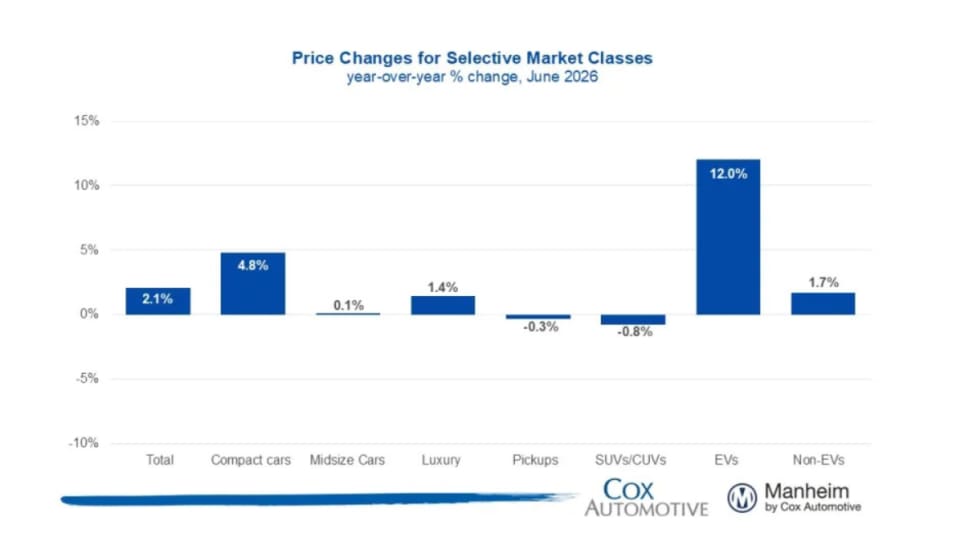
Manheim Index Shows Used-Vehicle Wholesale Prices Up 2.1% in June
The market is seeing stronger appreciation in older used vehicles this year, and the most affordable segments have been among the year’s best performers.
Read More →
Commercial Fleet Sales Contribute To June, YTD Gains
The fleet sector has boosted its vehicle purchases at a reliable pace in the first half of this year compared with 1H 2025.
Read More →
Stop Remarketing Electric Vehicles Like Gas Cars
The advantages and attributes of electric vehicles are upending the traditional remarketing cycle, requiring fleet sellers to rely on new factors and approaches detailed below.
Read More →
AP Fleet Management Expands Remarketing Program for Commercial Work Trucks
AP Fleet Management expanded its commercial vehicle remarketing program with dedicated resale services and an online marketplace for used work trucks.
Read More →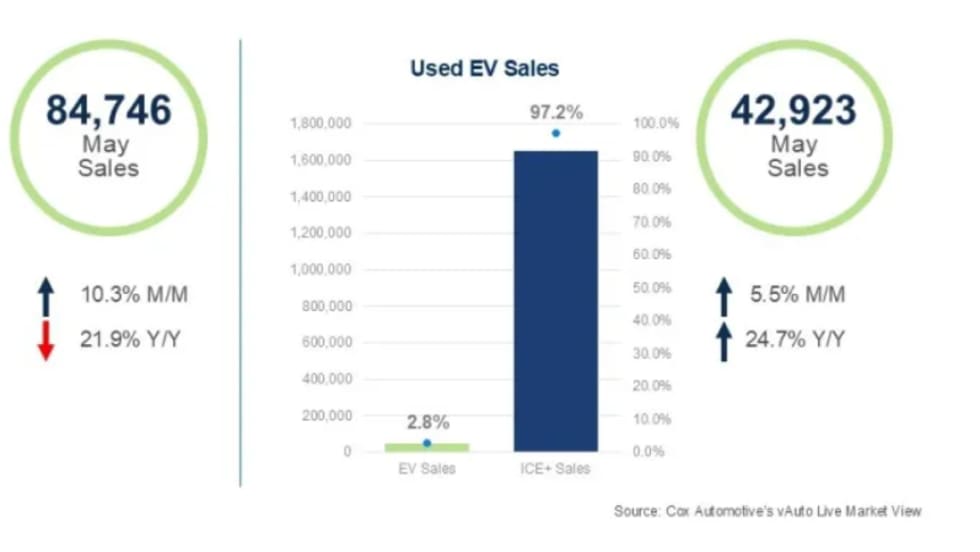
Used EVs Strengthen Overall Electric Vehicle Market
The latest sales data point to several reasons for the divergent trends in new and used EVs that can factor into fleet cycling decisions.
Read More →
The Data-Driven Haul: 5 Ways AI is Leveling the Playing Field in Auto Transport
Large and small transport fleets are becoming more competitive as predictive analytics and real-time data inform the logistics decision chain.
Read More →