




Related: Online Remarketing is Growing and Low-Priced Cars are Benefiting
Advancements in Online Remarketing are Benefiting Emerging Segments
Companies such as Manheim and ADESA have invested time and money to bolster the digital side of their business to meet the demands of this growing field, and so have fleet management companies.
February 26, 2020
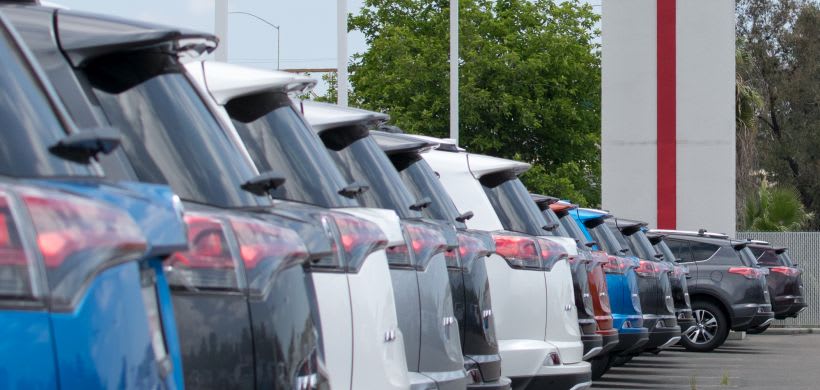
Photo by Eric Gandarilla.
4 min to read
The percentage of vehicles sold at auction that have originated from an online channel has increased on a year-over-year basis for several years.
At many of the largest auctions, commercial consignment accounts for the largest share of digital sales.
Companies such as Manheim and ADESA have invested time and money to bolster the digital side of their business to meet the demands of this growing field, and so have fleet management companies.
Chris Clarke, director-remarketing Solutions-North America at ARI noted that results from his company’s online remarketing efforts have steadily increased for the past 10 years.
One area that has benefited from not only the growth, but the improvements being made to the online remarketing space, is the low-priced vehicle segment.
It used to be the case that remarketers had a simple enough time selling newer, higher-priced, and lower-mileage vehicles because they were generally in good condition and their lower mileage made them more attractive to buyers, even when they couldn’t see them in person.
Historically, lower-priced, possibly older vehicles, were a harder sell due to the lack of confidence that some buyers had in buying these types of vehicles online without seeing them in person beforehand.
Improvements in the online remarketing space have addressed this. Vehicle imaging has improved, so have condition reports. Buyers are becoming more accustomed to buying online as well, which means that vehicles that had struggled in the past are now gaining more traction.
“All the efforts in improving vehicle representation and instilling more confidence in the buyers has led to KAR seeing the average price point of vehicles selling online move down,” said Jason Ferreri, executive vice president of online services for ADESA.“This means that people are becoming more and more comfortable buying a lower-dollar vehicle. That’s been great, it shows that it’s not just the $15,000 to $20,000 car that sells online. We can sell a $6,000 car online all day long.”
Manheim saw this same trend in 2019 when Manheim Tucson became its first auction to go all digital.
“Manheim Tucson opened our eyes to the possibilities of cars that you wouldn’t naturally think would sell digitally, can sell digitally,” said Zach Hallowell, VP Manheim Digital. “Most of the cars sold at Manheim Tucson are valued at less than $5,000 and are sold as-is, and we’ve been able to sell that digitally.”
So far, Manheim Tucson has not seen a drop in performance, it’s actually seen a slight up-tick in the values the auction generated. With the auction’s success, Manheim is now evaluating other locations that it can move toward all-digital.
“Arbitration rates haven’t gotten any higher either,” said Hallowell. “I think that’s attributable to the great work that we do around imaging cars, writing condition reports, standing behind our cars. We’ve been able to give buyers confidence that they can continue to buy cars in a slightly different format but with the same confidence that’s been at Manheim.
Ferreri agreed with the sentiment and noted that KAR has always been able to sell higher-priced off-lease vehicles online, but now that vehicles are being represented better online, and buyers are feeling more confident that the vehicle they see onscreen will match their expectations, it’s opening the door to all sorts of vehicles selling better online.
“Everyone can play in the sandbox, so to speak. It isn’t just the off-lease car. Repossessions, fleet cars, dealer cars, it doesn’t really matter what the source of the vehicle was. If represented properly and we instill confidence, we feel any car is eligible to be sold online,” added Ferreri.
At this point, KAR has about a dozen customers — from the commercial, fleet, and dealer segments — that don’t run any cars across the block anymore. They are exclusively using VirtuaLane to sell their cars, noted Ferreri.
To ARI’s end, Clarke noted that ARI Remarketing Solutions has developed and launched two new online sales tools in 2019 to further supplement the company’s existing digital remarketing strategy.
One of the solutions, ARI Equipment Direct is a proprietary platform developed to assist customer seeking their commercial equipment directly from their physical locations. ARI has already sold thousands of commercial equipment assets since its launch. The other solution is a direct sales portal meant to deliver a solution for managing the upstream sale of vehicles to fleet drivers and employees.
Originally posted on Automotive Fleet
Subscribe to Our Newsletter
More Technology
How to Build Custom Fleet Tools With AI and Vibe Coding [Webinar]
A new Automotive Fleet webinar explores how fleet managers are using AI and vibe coding to automate routine work and create simple operational tools without traditional programming skills.
Read More →
How America’s Auto Auction Used AI to Scale Finance Through Rapid Growth
As America’s Auto Auction expanded from about 10 locations to more than 50, AI-powered automation enabled its Accounts Payable team to process 33,000 invoices a month without adding staff.
Read More →
Stop Remarketing Electric Vehicles Like Gas Cars
The advantages and attributes of electric vehicles are upending the traditional remarketing cycle, requiring fleet sellers to rely on new factors and approaches detailed below.
Read More →
The Predictive Pivot: How AI and Data Are Redefining Auto Logistics in 2026
AI is no longer a luxury but the baseline for profitability in 2026. Auto haulers that adopt these tools now will quickly outpace those that use manual workflows or take a wait-and-see approach.
Read More →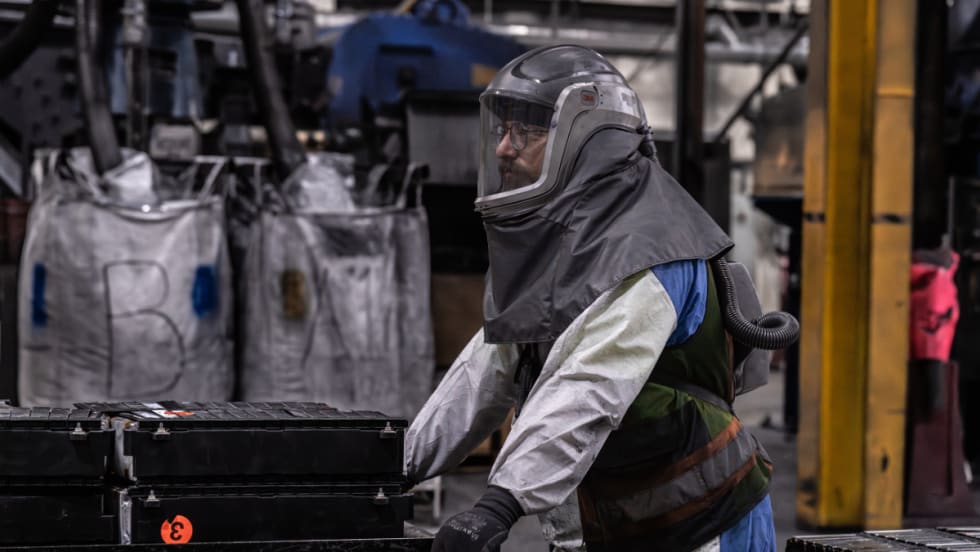
Cox Automotive Amasses EV Battery Minerals
The company has processed more than 10 million pounds of EV battery black mass, highlighting growing demand for recycling and lifecycle management as more electric vehicles enter the used market.
Read More →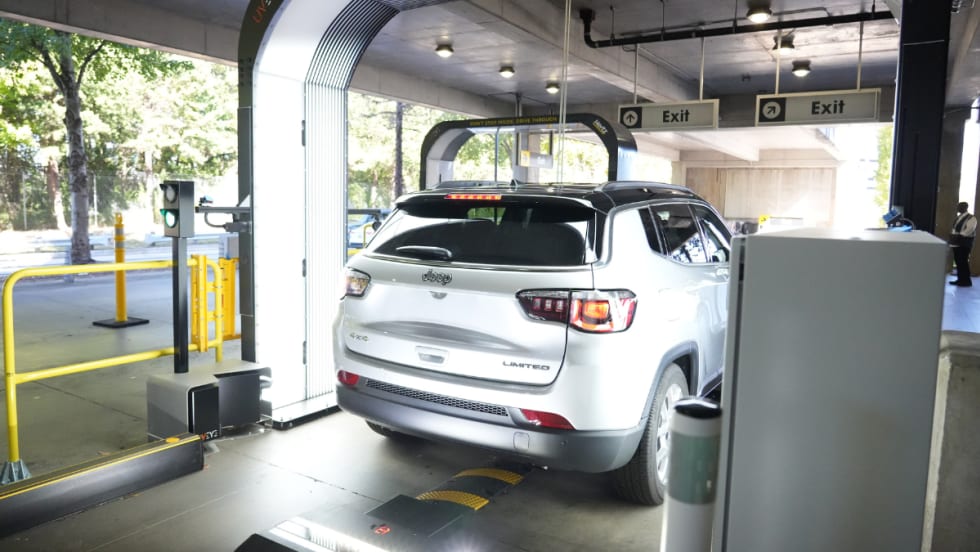
TSD Mobility, UVeye Partner On Automated Vehicle Inspections
The enhanced technology allows rental car operations, dealerships, and auctions to compare a vehicle’s condition at pickup and drop-off within the same rental or loaner record.
Read More →
CAR 2026: What Really Moves Vehicle Value Now — And What Doesn’t
A panel at the 2026 Conference of Automotive Remarketing will examine how resale value is created across the vehicle lifecycle and which traditional remarketing practices still deliver ROI.
Read More →
Despite World Troubles, Forward Thinking Guides Fleets
Fleet operators shared their challenges during an annual conference that embraced the latest advances across all aspects of running private- and public-sector vehicles.
Read More →
Privacy4Cars Study Reveals How 49 Auto Brands Handle Consumer Data Rights
The first-ever report sheds light on how well auto manufacturers offer vehicle owners access to their vehicle data.
Read More →
How AI Enhances Buying, Selling, and Trading Vehicles
AI has already evolved into a must-have tool for remarketers to work with greater clarity, make faster decisions, and run smarter digital marketplaces and business operations.
Read More →