




Related: The State of Remarketing in 2019
4 Trends That Will Affect Your Resale Value
Change is constant in the remarketing industry, and 2019 continues to see new trends emerge. Here are four trends that remarketers should have on their mind.
August 26, 2019

Sedans are positioned to hold their values well in the coming years since demand should stay consistent to current levels, but supply will decline from current levels.
Image via Pixabay.
3 min to read
The remarketing industry is constantly changing, and the number of things that remarketers need to stay on top of is constantly growing. Here are four trends that remarketers should have on their mind.
1. The Move Away From Seasonality
There’s been a longstanding pronounced seasonality to fleet purchases and fleet remarketing. Many fleets purchase vehicles around the same time of the year and, when the time comes, remarket those vehicles at consistent points of the year.
In the past few years historical trends have begun to change within the industry.
This has been the third year in a row where the summer season has seen stronger auction sales and wholesale values than what was historically expected of the season. The spring tax season has also been starting later in the year.
“You’re starting to see remarketing have much more potential than aiming to dispose the majority of your vehicles in the spring to coincide with tax refund season,” said Jonathan Smoke, chief economist at Cox Automotive. “The reality is we’re seeing spring and summer become very similar in terms of total amount of demand.”
As a result, Smoke added, remarketers are beginning to realize that there’s a longer market and more opportunity to remarket vehicles.
2. More Content in the Average Vehicle
The content in the average used vehicle is also now better than it has ever been. Features like Bluetooth, Apple CarPlay, and even safety tech such as front collision avoidance, are coming in standard trim levels in the vehicles returning to market in recent years.
As a result of vehicles coming equipped with more content, the average wholesale value of these vehicles is rising when they return to market, according to Smoke.
3. Type of Vehicles Returning to the Used Market
Residuals for vehicles such as SUVs and crossovers are holding strong right now, but that may change soon. Wholesale values of certain crossover segments are already beginning to decline as supply outpaces demand.
This issue will only be exacerbated in the next couple of years, as even more of these crossovers return to market.
Keeping a diversified mix of vehicles in your fleet will put you in a better position to absorb any depreciation hits that may result from this.
Sedans are positioned to hold their values well in the coming years since demand should stay consistent to current levels, but supply will decline from current levels.
4. Advances in Technology
Like many other industries, data and analytics are becoming more and more important to remarketing.
One area where the industry currently struggles is in deciphering VIN specific valuations.
In many cases its difficult to decode a VIN to determine whether a vehicle is a base trim, mid-level trim, or high-end trim. The type of return a remarketer can expect to see on a certain trim can be vastly different based on the trim and the content within that trim, so this is a big issue that better data valuation systems can solve.
“It’s not just ‘here is a Toyota Camry,’” said Anil Goyal, EVP of operations at Black Book. “You need to know content to really value it. Not every trim and not every option retains value. It’s important to realize that even though the market is doing well, there are nuances when you get to VIN specific details.”
Systems are being worked on to be able to better decipher trim levels from a VIN.
Originally posted on Automotive Fleet
Subscribe to Our Newsletter
More Operations

CAS Automotive Launches Remarketing Service for Damaged, Surplus Equipment
Damaged Equipment expands CAS Automotive’s vehicle remarketing model to commercial equipment, targeting fleet operators, insurers, equipment dealers, and rental companies.
Read More →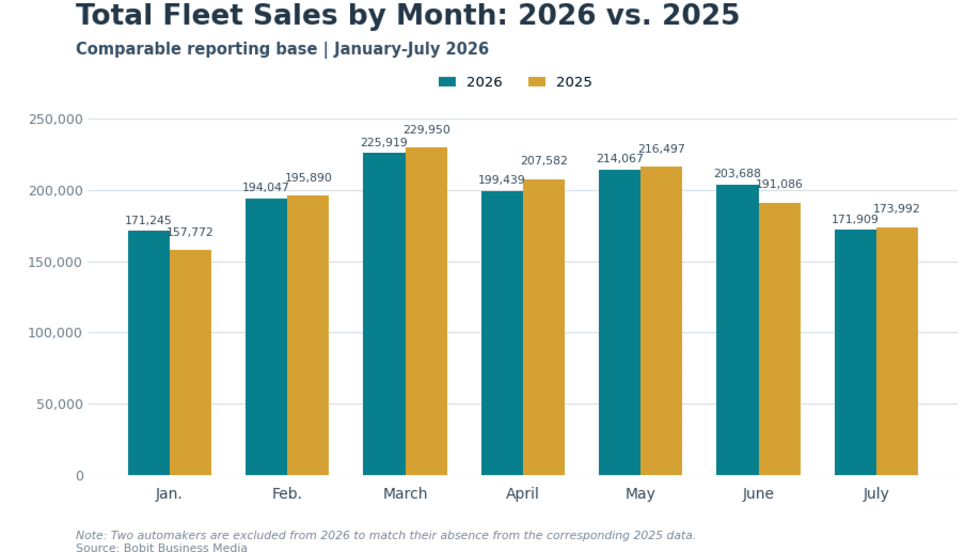
Fleet Sales Hold Steady as Commercial Gains Offset Rental Decline
Commercial and government fleet sales increased through July 2026, offsetting most of the decline in rental volume and leaving combined comparable fleet sales 0.5% above the same period last year.
Read More →
Personnel Update: BrickHouse GPS, PRO-VISION, Auto Driveaway, and Proaction
Check out the latest must-know fleet personnel updates from the last couple of months.
Read More →
What Comes Next for Auto Driveaway?
A new Auto Driveaway feature called Arrive provides recipients with live location updates and ETAs during the final hour of a vehicle move, while fleet customers continue to have end-to-end shipment visibility through the company's customer portal.
Read More →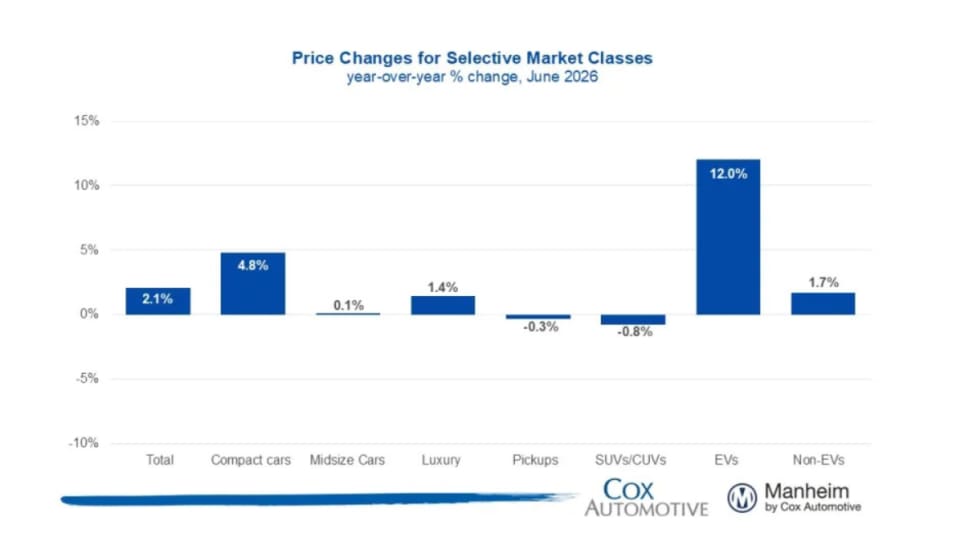
Manheim Index Shows Used-Vehicle Wholesale Prices Up 2.1% in June
The market is seeing stronger appreciation in older used vehicles this year, and the most affordable segments have been among the year’s best performers.
Read More →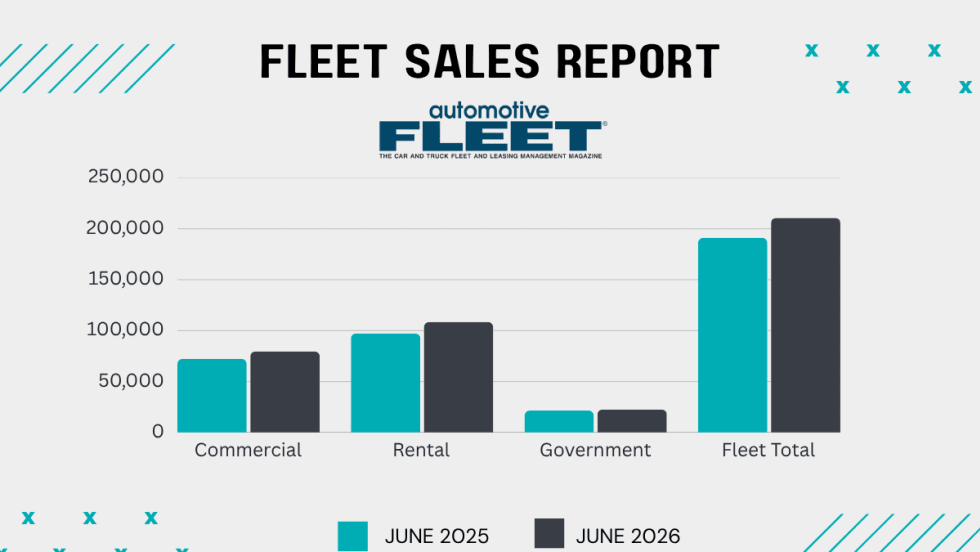
Commercial Fleet Sales Contribute To June, YTD Gains
The fleet sector has boosted its vehicle purchases at a reliable pace in the first half of this year compared with 1H 2025.
Read More →
Stop Remarketing Electric Vehicles Like Gas Cars
The advantages and attributes of electric vehicles are upending the traditional remarketing cycle, requiring fleet sellers to rely on new factors and approaches detailed below.
Read More →
AP Fleet Management Expands Remarketing Program for Commercial Work Trucks
AP Fleet Management expanded its commercial vehicle remarketing program with dedicated resale services and an online marketplace for used work trucks.
Read More →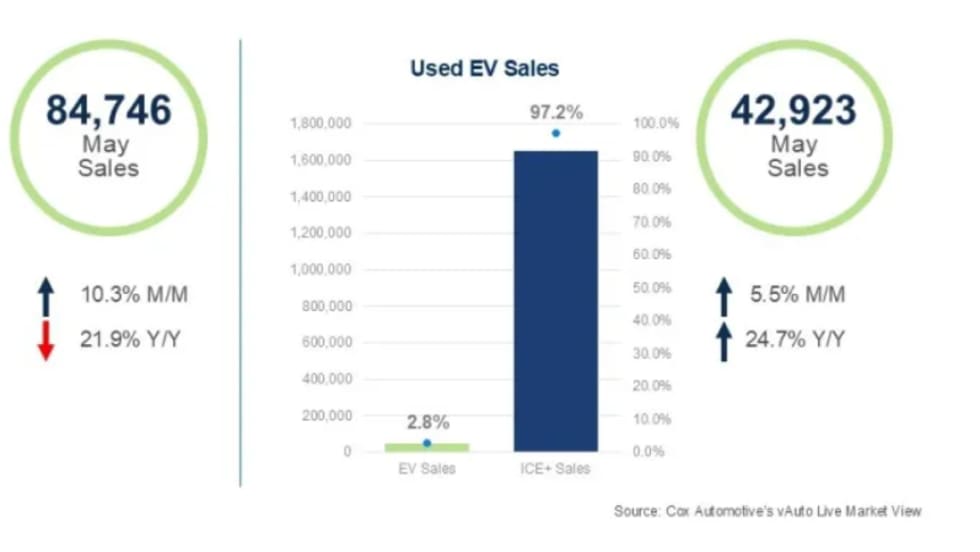
Used EVs Strengthen Overall Electric Vehicle Market
The latest sales data point to several reasons for the divergent trends in new and used EVs that can factor into fleet cycling decisions.
Read More →
The Data-Driven Haul: 5 Ways AI is Leveling the Playing Field in Auto Transport
Large and small transport fleets are becoming more competitive as predictive analytics and real-time data inform the logistics decision chain.
Read More →