



Xcira Issued Patent for Handheld Condition Reporting System
Xcira announces the development of a patented handheld condition reporting system, which is designed to increase the efficiency and accuracy of the vehicle inspection and condition reporting process.
Xcira announces the development of a patented handheld condition reporting system, which is designed to increase the efficiency and accuracy of the vehicle inspection and condition reporting process. Called the ICE (Intelligent Condition Evaluator), the system is the latest in a series of cutting-edge technological solutions developed for the auction industry by Xcira.
“Xcira continues to define the auction industry with support technology, and we are delighted to announce the addition of the Intelligent Condition Evaluator,” said Nancy Rabenold, Chief Executive Officer of Xcira. “ICE is the product of years of research and design by our forward-thinking development team that made the initial patent filing for the system in May of 2005. Their vision has once again resulted in a tool that not only benefits the industry but will have a far-reaching influence on the vehicle inspection process for many years to come.”
ICE is a robust condition reporting system that combines ease of use with efficiency, cost-savings, and report accuracy, according to Rabenold. An intuitive and user-friendly system, it allows inspectors to appraise vehicle’s condition using a handheld device that integrates customized templates, image capture, barcode scanning, and voice memos.
“ICE is certain to become an indispensible tool for use in a variety of automotive inspection applications,” says Rabenold.
ICE supports multiple platforms, explains Rabenold. The capture unit can be a smart phone, handheld computer, laptop or tablet. The interface includes predefined screens that minimize typing, and allows the user to quickly complete the condition report and upload information to the main server via internet connection. The data is then available for reporting, analysis or further processing.
“Whether used for auction check-in, condition report writing, rental return, trade-in, or finance lot verification, ICE accommodates complete inspections with ease on a smart phone or other device,” said Rabenold. “With customizable templates and intuitive interface, users can search items based on a variety of criteria, including a supplied list, serial number, stock number, or make/model and year. ICE generates consistency, reduces costs by reducing the time required to capture the pertinent data, and eliminates duplicate entries.”
Rabenold notes that the ICE system interfaces with the NAAA’s grading system, and is planned to integrate with the ASI operating system.
More Operations
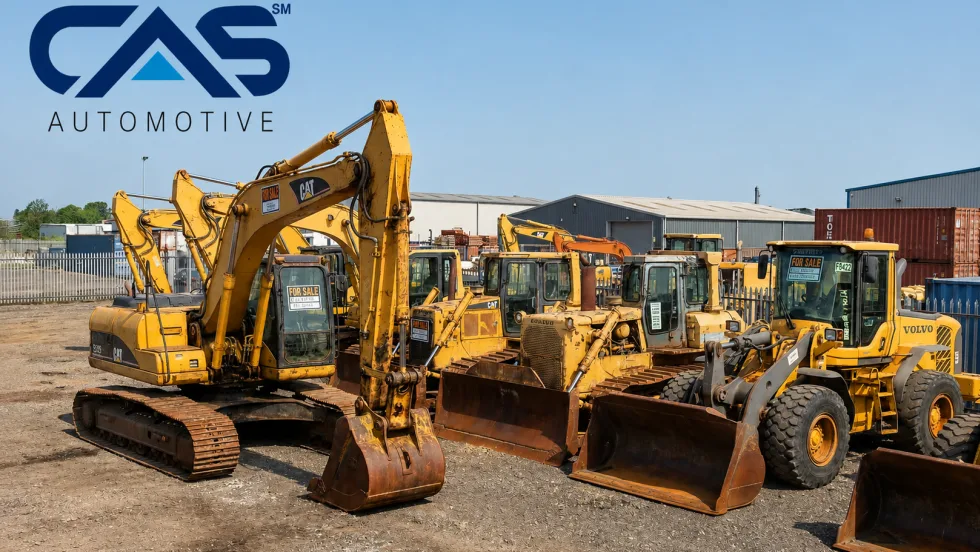
CAS Automotive Launches Remarketing Service for Damaged, Surplus Equipment
Damaged Equipment expands CAS Automotive’s vehicle remarketing model to commercial equipment, targeting fleet operators, insurers, equipment dealers, and rental companies.
Read More →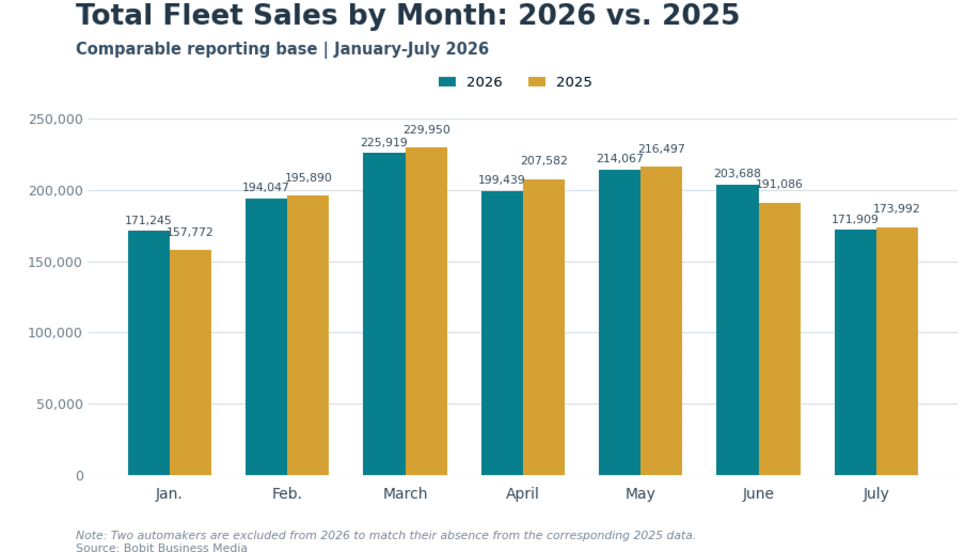
Fleet Sales Hold Steady as Commercial Gains Offset Rental Decline
Commercial and government fleet sales increased through July 2026, offsetting most of the decline in rental volume and leaving combined comparable fleet sales 0.5% above the same period last year.
Read More →
Personnel Update: BrickHouse GPS, PRO-VISION, Auto Driveaway, and Proaction
Check out the latest must-know fleet personnel updates from the last couple of months.
Read More →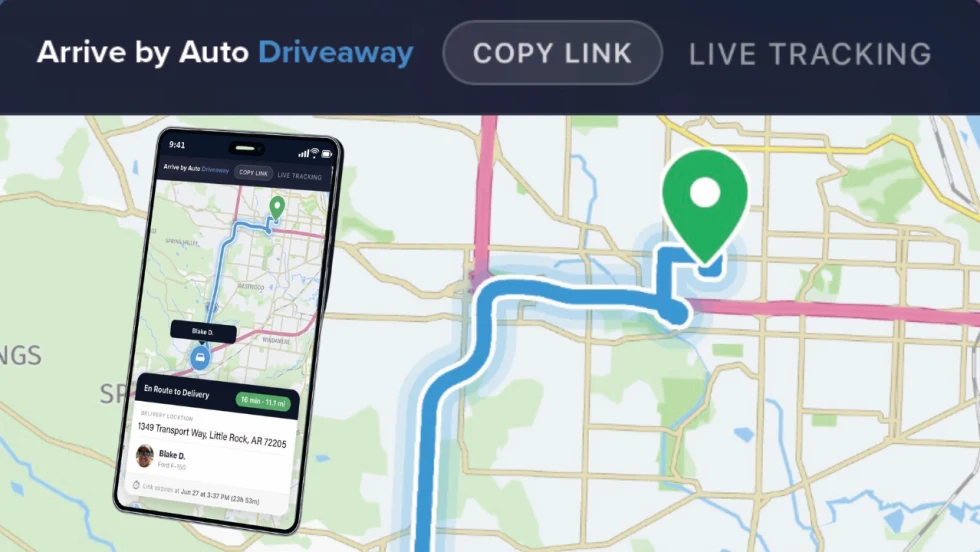
What Comes Next for Auto Driveaway?
A new Auto Driveaway feature called Arrive provides recipients with live location updates and ETAs during the final hour of a vehicle move, while fleet customers continue to have end-to-end shipment visibility through the company's customer portal.
Read More →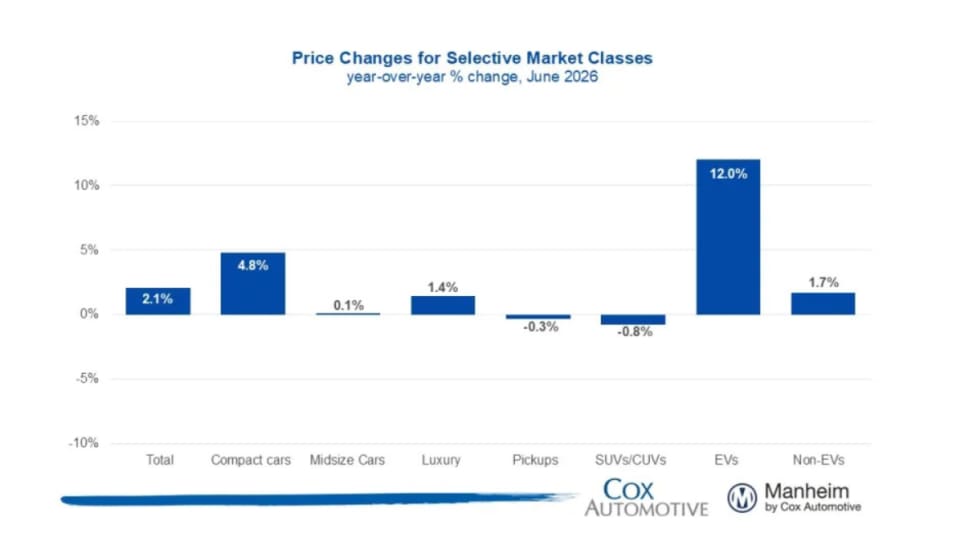
Manheim Index Shows Used-Vehicle Wholesale Prices Up 2.1% in June
The market is seeing stronger appreciation in older used vehicles this year, and the most affordable segments have been among the year’s best performers.
Read More →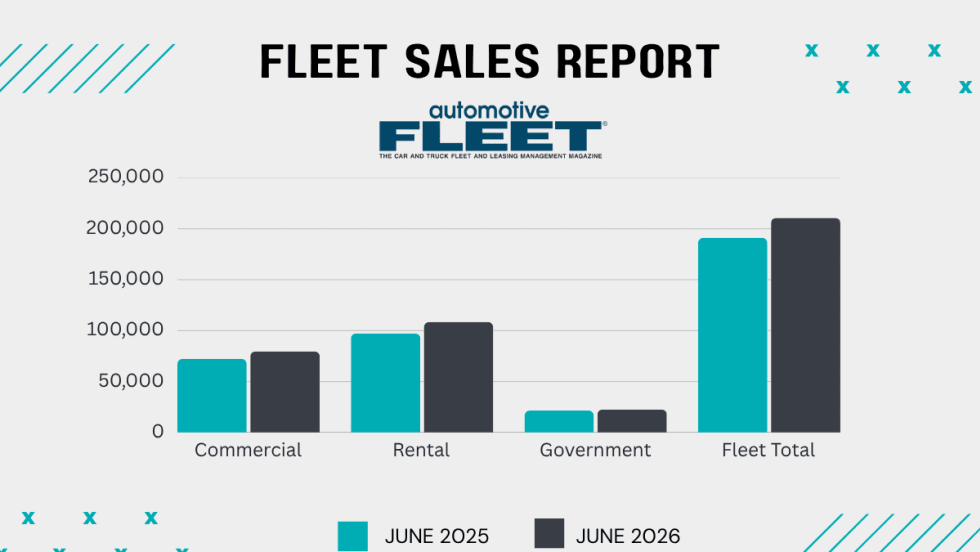
Commercial Fleet Sales Contribute To June, YTD Gains
The fleet sector has boosted its vehicle purchases at a reliable pace in the first half of this year compared with 1H 2025.
Read More →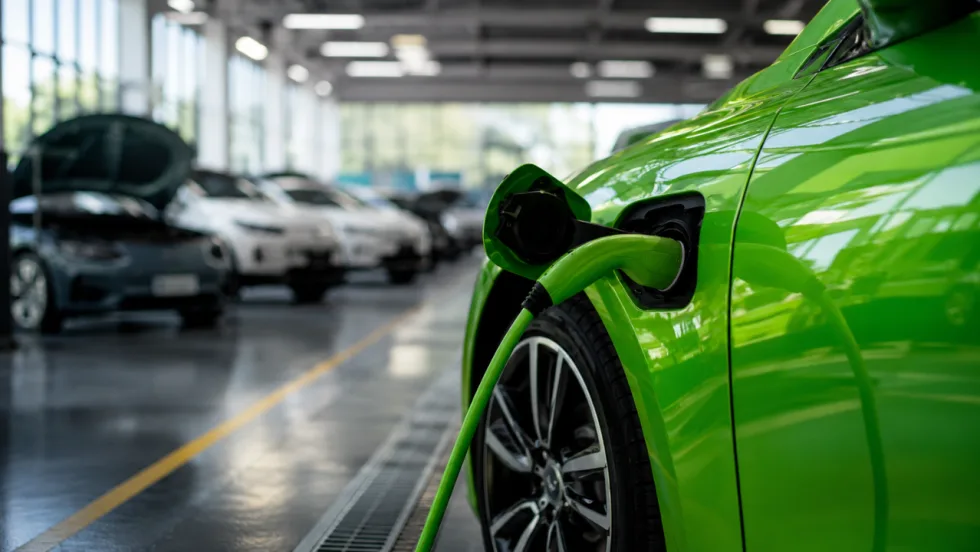
Stop Remarketing Electric Vehicles Like Gas Cars
The advantages and attributes of electric vehicles are upending the traditional remarketing cycle, requiring fleet sellers to rely on new factors and approaches detailed below.
Read More →
AP Fleet Management Expands Remarketing Program for Commercial Work Trucks
AP Fleet Management expanded its commercial vehicle remarketing program with dedicated resale services and an online marketplace for used work trucks.
Read More →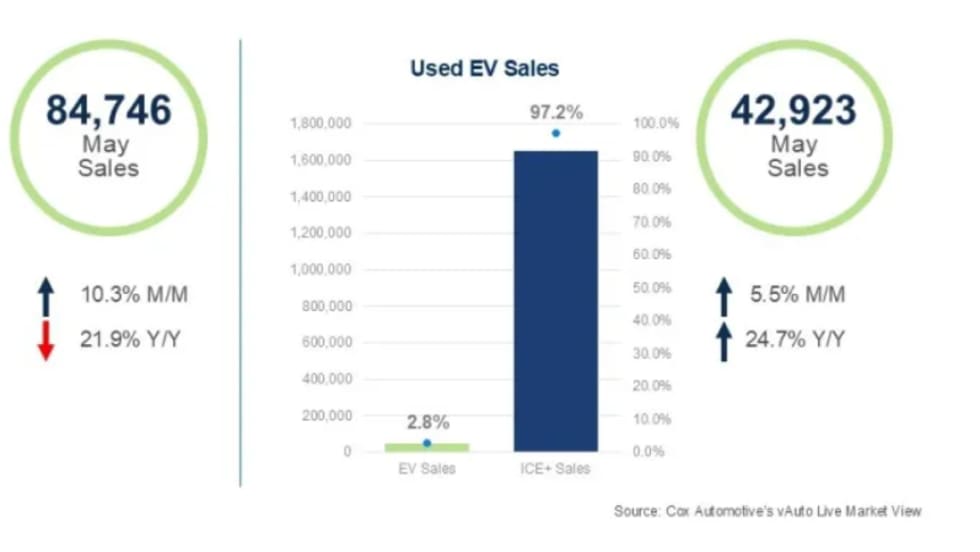
Used EVs Strengthen Overall Electric Vehicle Market
The latest sales data point to several reasons for the divergent trends in new and used EVs that can factor into fleet cycling decisions.
Read More →
The Data-Driven Haul: 5 Ways AI is Leveling the Playing Field in Auto Transport
Large and small transport fleets are becoming more competitive as predictive analytics and real-time data inform the logistics decision chain.
Read More →