




Learn More:
How Cox Automotive Makes Inroads with Diesel, EV Tech Training
Wholesale Used-Vehicle Prices Rise in First Half of September
During the last two weeks, Manheim Market Report (MMR) prices declined an aggregate of 0.3%, which was less than half of the normal decline for this time of year.
September 19, 2023
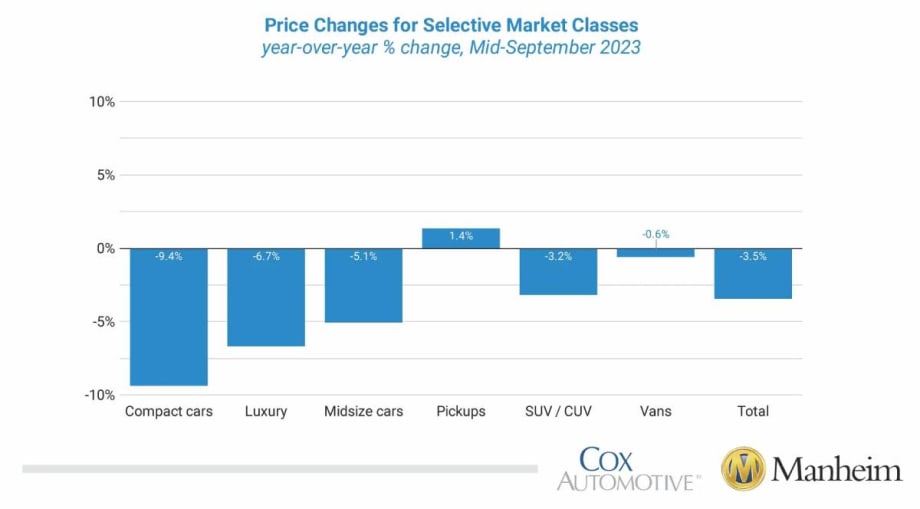
All major market segments saw seasonally adjusted prices that were again lower year over year in the first half of September, except pickups, which gained 1.4%.
Graphic: Cox Automotive/Manheim
3 min to read
Wholesale used-vehicle prices (on a mix-, mileage-, and seasonally adjusted basis) increased 1.5% from August in the first 15 days of September, based on a report from Cox Automotive released on Sept. 19.
The midmonth Manheim Used Vehicle Value Index rose to 215.4, which was down 3.5% from September 2022. The seasonal adjustment assisted the increase. The non-adjusted price change in the first half of September increased 0.7% compared to August, while the unadjusted price was down 4.8% year over year.
Over the last two weeks, Manheim Market Report (MMR) prices declined an aggregate of 0.3%, which was less than half of the normal decline for this time of year. During the first 15 days of September, MMR Retention, the average difference in price relative to current MMR, averaged 99.4%, indicating that valuation models are close to market prices.
The average daily sales conversion rate of 56.4% in the first half of September was above the September 2019 daily average of 55.3%. The conversion rate indicates the first 15 days of the month saw sellers with slightly more bargaining power for this time of year.
All major market segments saw seasonally adjusted prices that were again lower year over year in the first half of September, except pickups, which gained 1.4%. Vans lost 0.6% and SUVs lost 3.2%, better than the industry’s year-over-year decline. Compact cars, luxury, and midsize cars declined more than the industry, at 9.4%, 6.7%, and 5.1%, respectively. The major segments saw improved price performance compared to August, with all units showing month-over-month increases between 0.7% and 2.9%, except luxury, which lost 0.5% versus last month.
Retail Supply Lower in Mid-September
Using estimates based on vAuto data as of Sept. 11, used retail days’ supply was 43 days, which was down two days from a revised end of August estimate. Days’ supply was down 10 days year over year and down five days compared with the same week in 2019. Leveraging Manheim sales and inventory data, Cox estimates that wholesale supply ended August at 25 days, down two days from the end of July and down three days year over year.
As of Sept. 15, wholesale supply was flat from the end of August at 25 days and down three days year over year and down three days compared to 2019. Used retail supply measured in days’ supply and compared to 2019 suggests supply is tighter than normal for this time of year.
Wholesale supply was flat in early September but is tighter than normal for this time of year.
Rental Risk Prices Mixed in First Two Weeks of September
The average price for rental risk units sold at auction in the first 15 days of September was down 0.5% year over year.
Rental risk prices were up by 2.7% compared to the full month of August. Average mileage for rental risk units in the first half of September (at 52,000 miles) was down 3.7% compared to a year ago and down 5.3% month over month.
Consumer Sentiment Declining Further in September
The initial September reading on Consumer Sentiment from the University of Michigan fell by 2.6% to 67.7, as views of current conditions fell 7.8% but future expectations improved slightly. However, the median expected inflation rate over the next year declined to 3.1% from 3.5% last month, and the longer-term view declined to 2.7% from 3%.
If these inflation expectations hold, they’ll represent the lowest expected inflation since the end of 2020. Consumers’ views of buying conditions for vehicles declined to the worst level this year but remained better than a year ago. Consumers’ views of auto prices and interest rates deteriorated.
The daily index of consumer sentiment from Morning Consult has also declined so far in September, as it is down 2.7% for the month through Sept. 15 compared to the end of August. Increasing gas prices, rising interest rates, and falling stock prices are weighing on consumer sentiment. The average unleaded gas price has increased 1.4% so far in September to $3.87 per gallon as of Sept. 15.
More Fleet

Acertus Acquires Fisher Shipping, CEO to Join Acertus
Fisher Shipping will retain its brand and team, while its customers gain access to Acertus’ transportation, storage, vehicle care, and title and registration services.
Read More →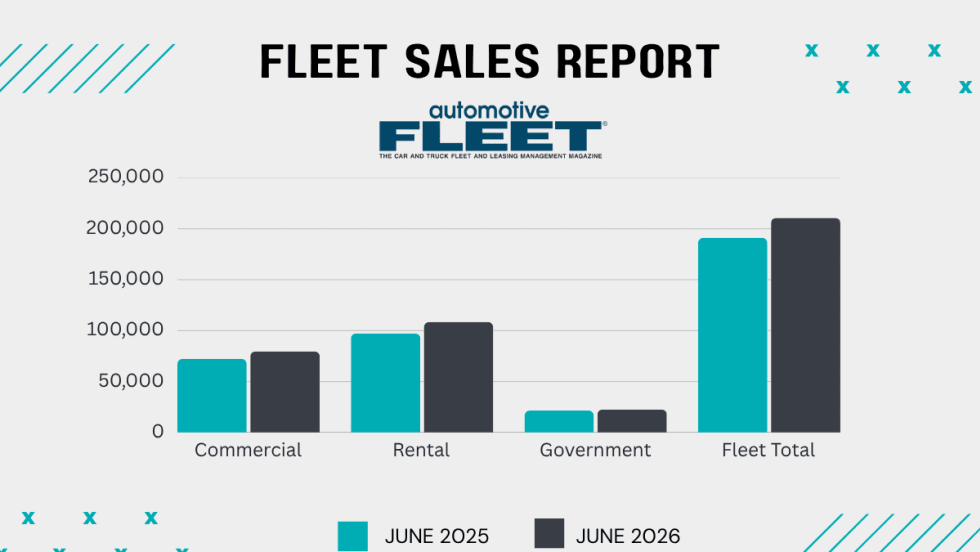
Commercial Fleet Sales Contribute To June, YTD Gains
The fleet sector has boosted its vehicle purchases at a reliable pace in the first half of this year compared with 1H 2025.
Read More →
Registration Opens for 2026 Fleet Forward Conference
Held on the East Coast for the first time, the Washington, D.C.-area event features expert-led education, a new IIHS Crash Test Experience, and collocation with the NAFA’s Fleet Safety Symposium.
Read More →
AP Fleet Management Expands Remarketing Program for Commercial Work Trucks
AP Fleet Management expanded its commercial vehicle remarketing program with dedicated resale services and an online marketplace for used work trucks.
Read More →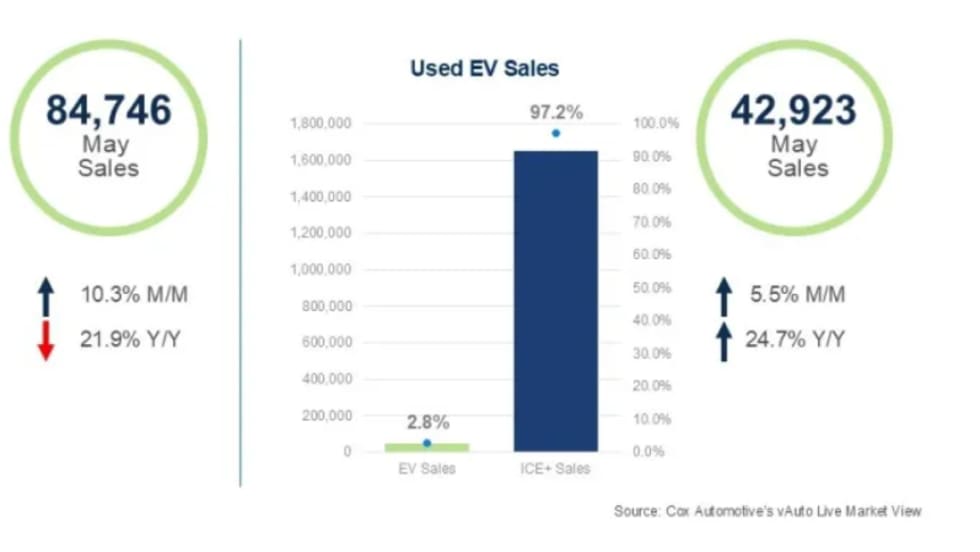
Used EVs Strengthen Overall Electric Vehicle Market
The latest sales data point to several reasons for the divergent trends in new and used EVs that can factor into fleet cycling decisions.
Read More →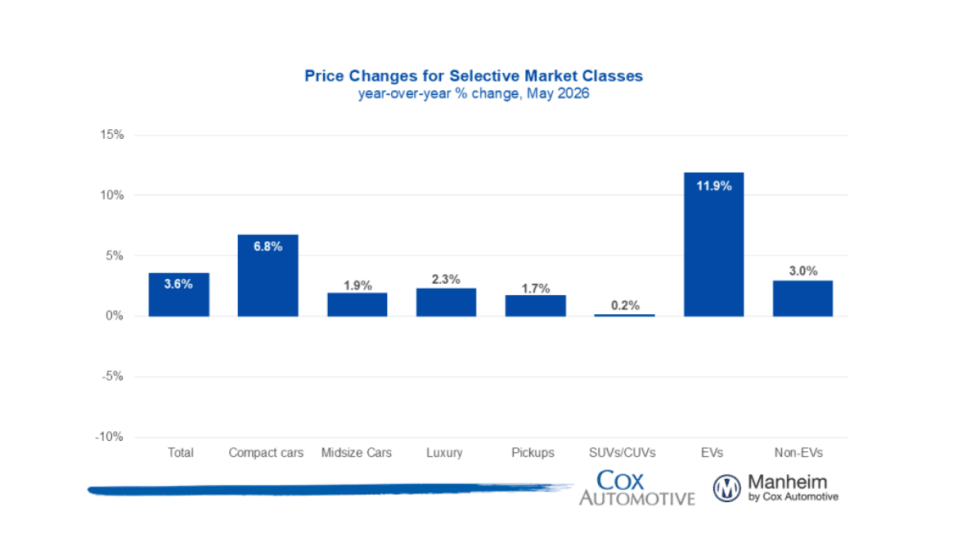
Wholesale Used Vehicle Market Sustains Moderate Rise In Values, Prices
Trends continue to normalize after a strong start to the year, as consumers contend with higher gas prices in the coming summer months.
Read More →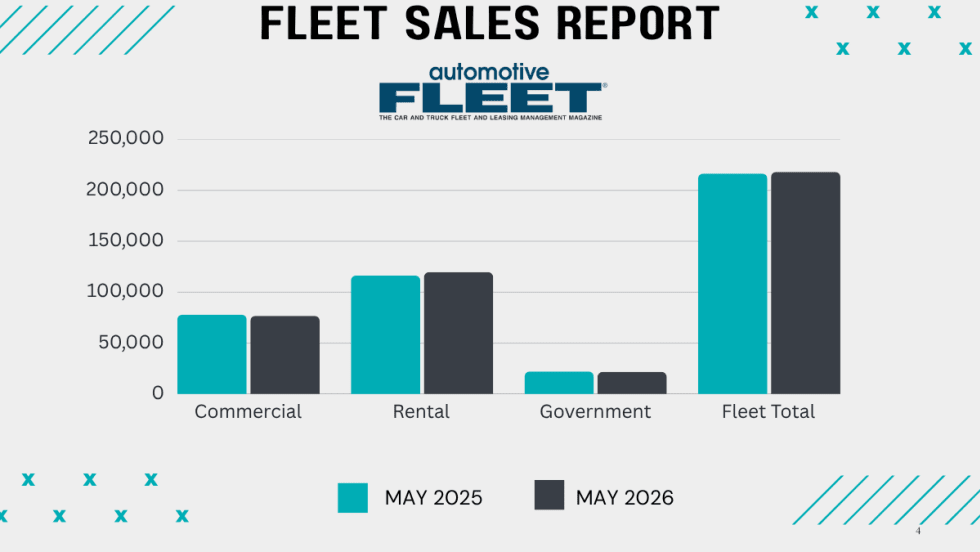
Commercial Fleet Sales Still Lead Sectors Despite May Mini Dip
The U.S. economy's continued growth and positive business investment are creating a favorable environment for fleet vehicle demand.
Read More →
The Data-Driven Haul: 5 Ways AI is Leveling the Playing Field in Auto Transport
Large and small transport fleets are becoming more competitive as predictive analytics and real-time data inform the logistics decision chain.
Read More →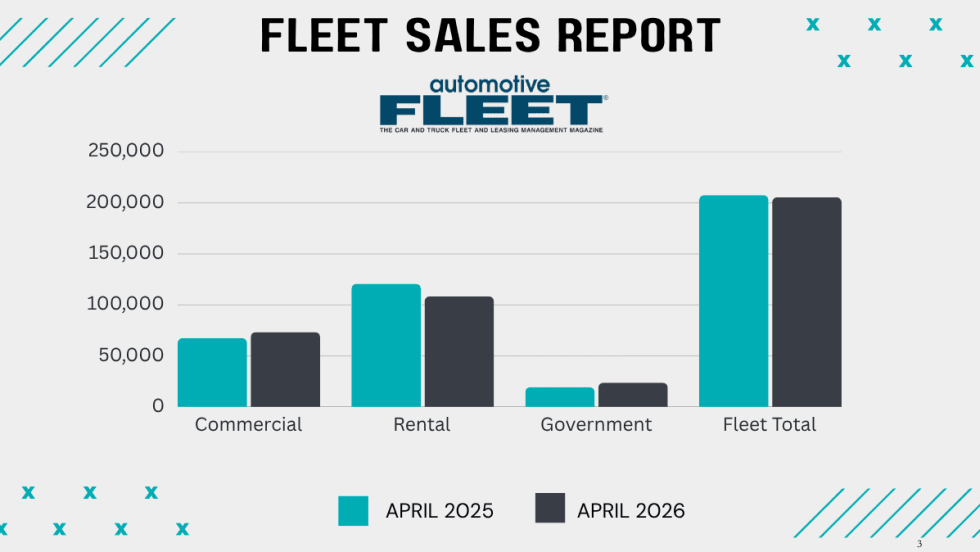
Commercial Fleet Sales Show Healthy Gains
So far, the fleet sector is outshining government and rental fleet sales this year as economic growth spurs more business investment.
Read More →
CAR 2026 Recap Part 2: Closing the Gap Between Data & Remarketing Value
The second half of CAR 2026 examined how fleets can translate lifecycle strategy, vehicle data, and market shifts into higher real-world results.
Read More →