



Wholesale Used-Vehicle Price Adjustments Made
Wholesale used-vehicle values declined by just over 2 percent in the third quarter, as the market showed signs of returning to more normal levels after historically high prices earlier in the year.

WEBB
Wholesale used-vehicle values declined by just over 2 percent in the third quarter, as the market showed signs of returning to more normal levels after historically high prices earlier in the year. The Manheim Used Vehicle Value Index, a measure of wholesale prices adjusted for mix, mileage, and season, ended the third quarter at 121.4, a decline of 1.1 percent compared to a year ago, Manheim reported.
After posting increases over the winter and early spring, used-vehicle prices fell for five straight months through September. A boom in new-car sales during the quarter resulted in more trade-ins and lease turn-ins in the quarter, which led to an increase in inventories and put downward pressure on prices.
The price declines, however, took place as the market showed positive signs. Loan delinquencies and repossessions remained low. Certified pre-owned sales increased 20 percent in September, and showed a 10 percent rise year-to-date, as consumers evidenced strong demand for quality, late-model used vehicles. Lease penetration rates went up, a sign of satisfied customers. Dealers also closed out the quarter with higher retail unit sales in September, moving more vehicles as prices fell.

WEBB
“The decline in prices so far appears to be part of a healthy overall market,” Manheim Chief Economist Tom Webb said. “Valuation adjustments enabled dealers not only to retail the large number of customer trade-ins and lease returns but also actively purchase from the growing supply of late-model vehicles available at auction. Dealers were able to turn their inventory more quickly because of the lower wholesale prices.”
Third-quarter wholesale pricing for vehicle segments included:
Compact Cars continued to be the weakest segment with prices ending the quarter down 3.4 percent compared to a year ago.
Mid-size Cars matched the overall market and experienced a 1.1 percent decline in values compared to a year ago.
Luxury Cars fell 3 percent compared to a year ago. The multi-year decline in luxury cars appeared to be slowing in September.
Pickups and Vans remained the strongest segment with prices up 6.5 percent for pick-ups and 1.5 percent for vans. Owners in this segment tend to hold onto their vehicles for longer than the average, keeping supplies tighter even as the overall market increases.
SUV and CUV prices were down 1.5 percent to end the quarter compared to a year ago. Normally one of the stronger segments, SUV and CUV prices fell in line with the overall market.
Prices likely will continue to moderate during the rest of the year, Webb said. Volumes, though, should not increase as dramatically with new car sales returning to more typical levels. The automotive sector was among the first segments to grow with the economic recovery and may show less up-side for the rest of the year.
“Although economic forces suggest that the retail consumer sector will improve in the months ahead, it is likely that the auto industry will plateau given that it got out ahead of, and then ran considerably faster than, the overall recovery,” Webb said. “We should see a return to more normal prices and volumes across the entire industry.”
More Operations

FLD Promotes Three Executives in Leadership Changes
FLD has promoted three longtime executives, naming Gary Mott CEO, Richard Mallek president, and Ron Sanders managing partner.
Read More →
CAS Automotive Launches Remarketing Service for Damaged, Surplus Equipment
Damaged Equipment expands CAS Automotive’s vehicle remarketing model to commercial equipment, targeting fleet operators, insurers, equipment dealers, and rental companies.
Read More →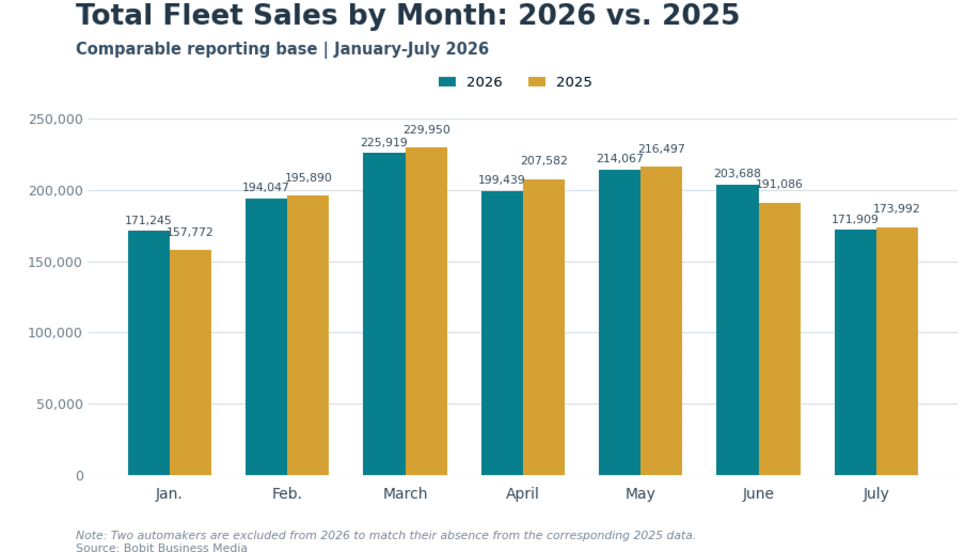
Fleet Sales Hold Steady as Commercial Gains Offset Rental Decline
Commercial and government fleet sales increased through July 2026, offsetting most of the decline in rental volume and leaving combined comparable fleet sales 0.5% above the same period last year.
Read More →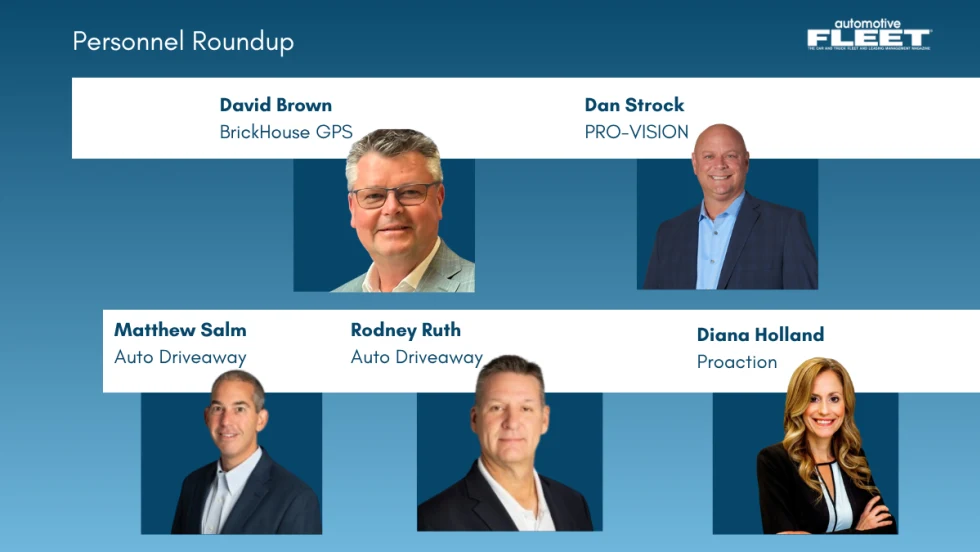
Personnel Update: BrickHouse GPS, PRO-VISION, Auto Driveaway, and Proaction
Check out the latest must-know fleet personnel updates from the last couple of months.
Read More →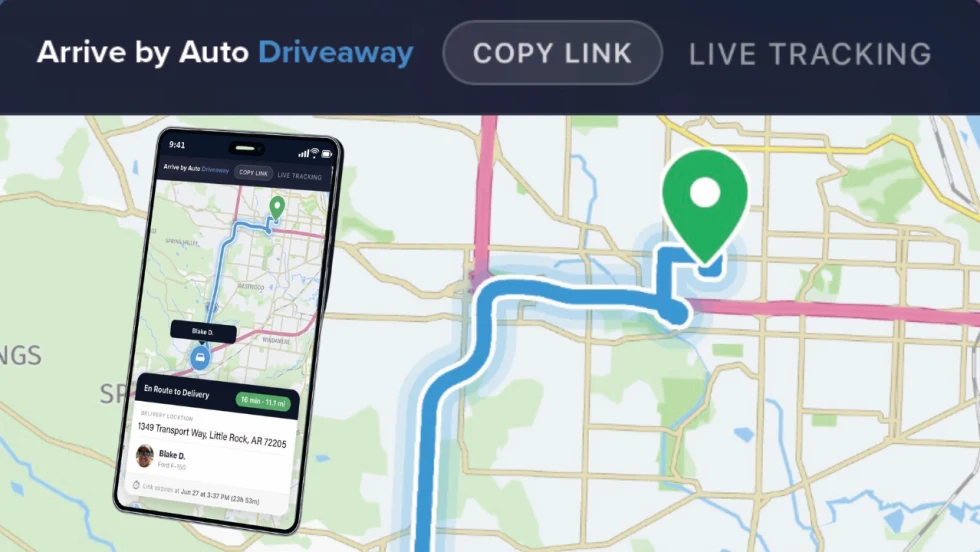
What Comes Next for Auto Driveaway?
A new Auto Driveaway feature called Arrive provides recipients with live location updates and ETAs during the final hour of a vehicle move, while fleet customers continue to have end-to-end shipment visibility through the company's customer portal.
Read More →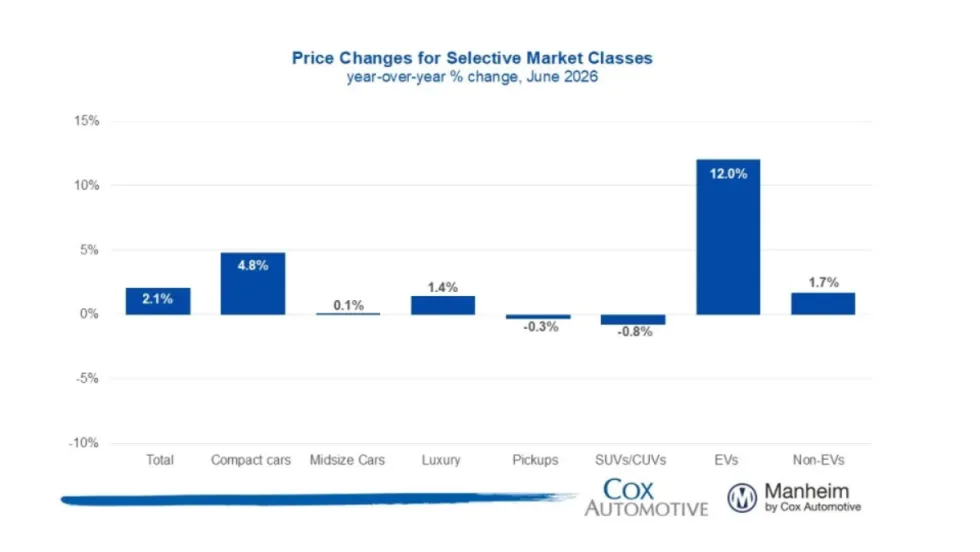
Manheim Index Shows Used-Vehicle Wholesale Prices Up 2.1% in June
The market is seeing stronger appreciation in older used vehicles this year, and the most affordable segments have been among the year’s best performers.
Read More →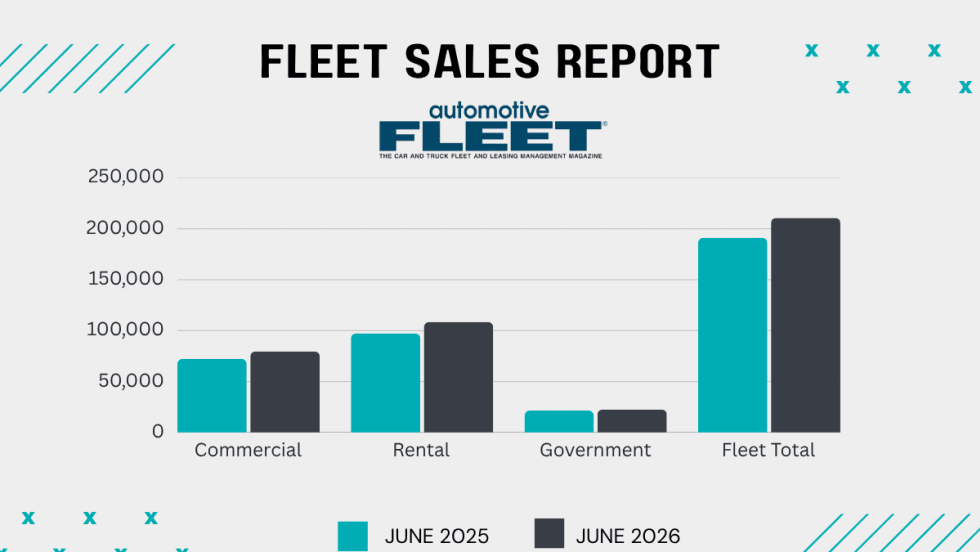
Commercial Fleet Sales Contribute To June, YTD Gains
The fleet sector has boosted its vehicle purchases at a reliable pace in the first half of this year compared with 1H 2025.
Read More →
Stop Remarketing Electric Vehicles Like Gas Cars
The advantages and attributes of electric vehicles are upending the traditional remarketing cycle, requiring fleet sellers to rely on new factors and approaches detailed below.
Read More →
AP Fleet Management Expands Remarketing Program for Commercial Work Trucks
AP Fleet Management expanded its commercial vehicle remarketing program with dedicated resale services and an online marketplace for used work trucks.
Read More →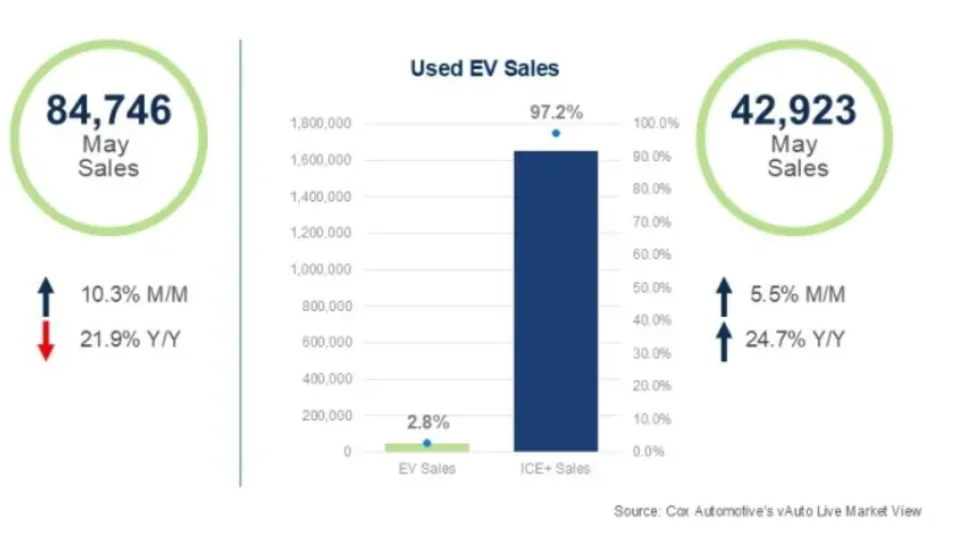
Used EVs Strengthen Overall Electric Vehicle Market
The latest sales data point to several reasons for the divergent trends in new and used EVs that can factor into fleet cycling decisions.
Read More →