




Related Background: The State of the Wholesale Used Vehicle Market
Wholesale Prices Rise Again In First Half of January 2022
As was the case in each of the last prior months, much of the reported increase was a result of the seasonal adjustment.
January 20, 2022
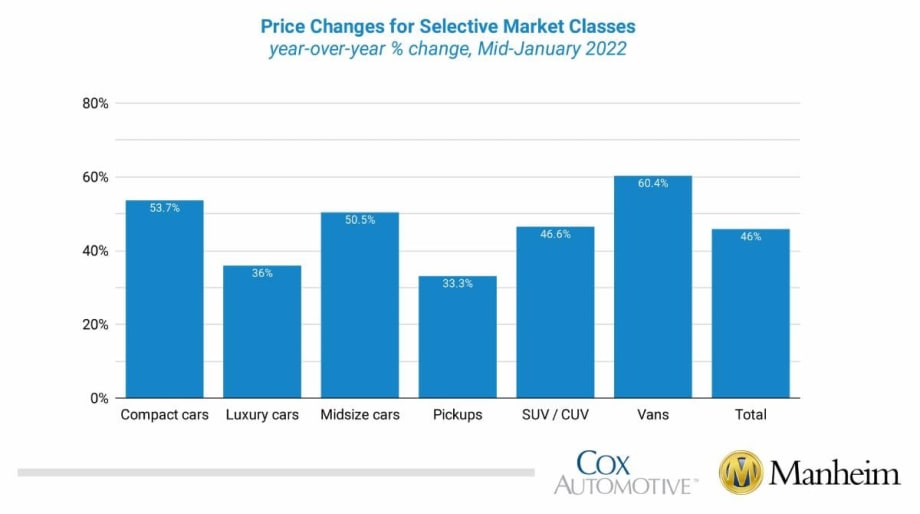
On a year-over-year basis, all major market segments saw seasonally adjusted price gains through the first 15 days of January. Pickups had the smallest year-over-year gains, and vans had the largest at 60.4%.
Source: Cox/Manheim
3 min to read
Wholesale used vehicle prices (on a mix-, mileage-, and seasonally adjusted basis) increased 0.8% in the first 15 days of January compared to the month of December 2021, according to figures released Jan. 19 by Cox Automotive.
This brought the Manheim Used Vehicle Value Index to 238, a 46.0% increase from January 2021. As was the case in each of the last three months, much of the reported increase was a result of the seasonal adjustment. The non-adjusted price was statistically unchanged from December.
Manheim Market Report (MMR) prices saw declines through the first two full weeks of January. The Three-Year-Old MMR Index, which represents the largest model year cohort at auction, experienced a 1.3% cumulative decline over the last two weeks. Over the first 15 days of January, MMR Retention, which is the average difference in price relative to current MMR, averaged 98%, which indicates that market prices are trending down faster than valuation models.
The average daily sales conversion rate of 52.5% in the first half of January declined relative to December’s average of 52.7% but is slightly higher than average for this time of year. The latest trends in the key indicators suggest wholesale used vehicle values will likely see further small declines in the second half of the month.
On a year-over-year basis, all major market segments saw seasonally adjusted price gains through the first 15 days of January. Pickups had the smallest year-over-year gains, vans had the largest at 60.4%, and both non-luxury car segments outpaced the overall industry in seasonally adjusted price growth. Compared to December, compact cars, luxury cars, and pickups saw small declines, all below 1%. In the first half of January compact cars had the largest gain.
Used supply normalizes: Using a rolling seven-day estimate of used retail days’ supply based on vAuto data, Cox sees that used retail supply is at normal levels at 50 days. Wholesale supply has also improved, above the normal level of 22 at 25 through mid-January.
Rental risk pricing declines month over month: The average price for rental risk units sold at auction in the first 15 days of January was up 39% year over year. Rental risk prices were up 3.6% compared to December. Average mileage for rental risk units in the first half of January (at 60,436 miles) was up 21% compared to a year ago and down 11.8% month over month.
Auto loan performance continues to deteriorate: Auto loan performance deteriorated again in December. With government support fading and loan accommodations falling, credit performance has been normalizing from historically low delinquencies and defaults earlier in the pandemic. The over 60-day delinquencies increased in December for the seventh month in a row and were up 4.4% year over year. In December, 1.45% of auto loans were severely delinquent, which was an increase from 1.36% in November and the highest severe delinquency rate since May 2020.
Compared to a year ago, the severe delinquency rate was 5 basis points higher. In December, 5.48% of subprime loans were severely delinquent, which was an increase from 5.17% in November and the highest severe delinquency rate since February 2020. The subprime severe delinquency rate was 45 basis points higher year over year. Loan defaults declined 0.7% in December from November but were up 6.3% year over year. Auto credit access expanded in December. The Dealertrack Credit Availability Index measured auto credit as looser in December compared to any month since March 2019.
More Fleet

Acertus Acquires Fisher Shipping, CEO to Join Acertus
Fisher Shipping will retain its brand and team, while its customers gain access to Acertus’ transportation, storage, vehicle care, and title and registration services.
Read More →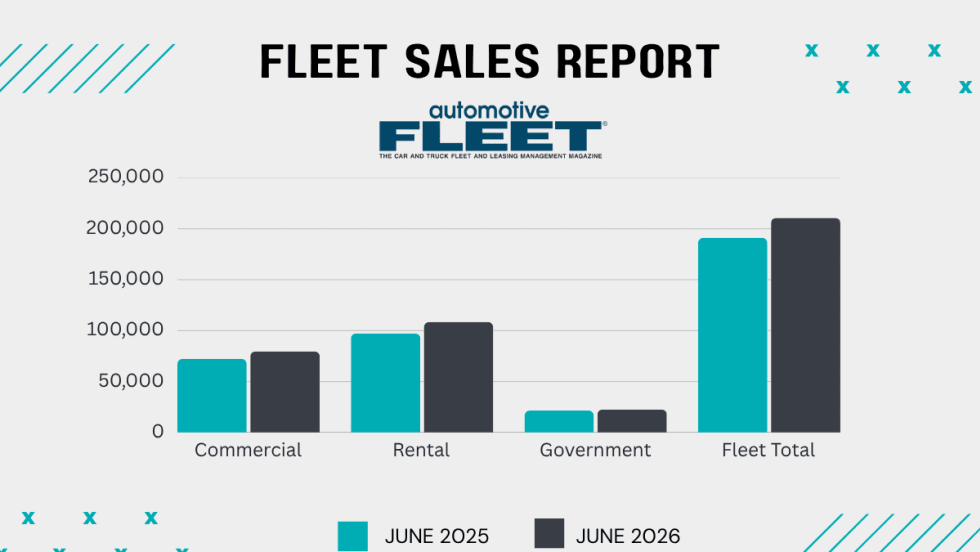
Commercial Fleet Sales Contribute To June, YTD Gains
The fleet sector has boosted its vehicle purchases at a reliable pace in the first half of this year compared with 1H 2025.
Read More →
Registration Opens for 2026 Fleet Forward Conference
Held on the East Coast for the first time, the Washington, D.C.-area event features expert-led education, a new IIHS Crash Test Experience, and collocation with the NAFA’s Fleet Safety Symposium.
Read More →
AP Fleet Management Expands Remarketing Program for Commercial Work Trucks
AP Fleet Management expanded its commercial vehicle remarketing program with dedicated resale services and an online marketplace for used work trucks.
Read More →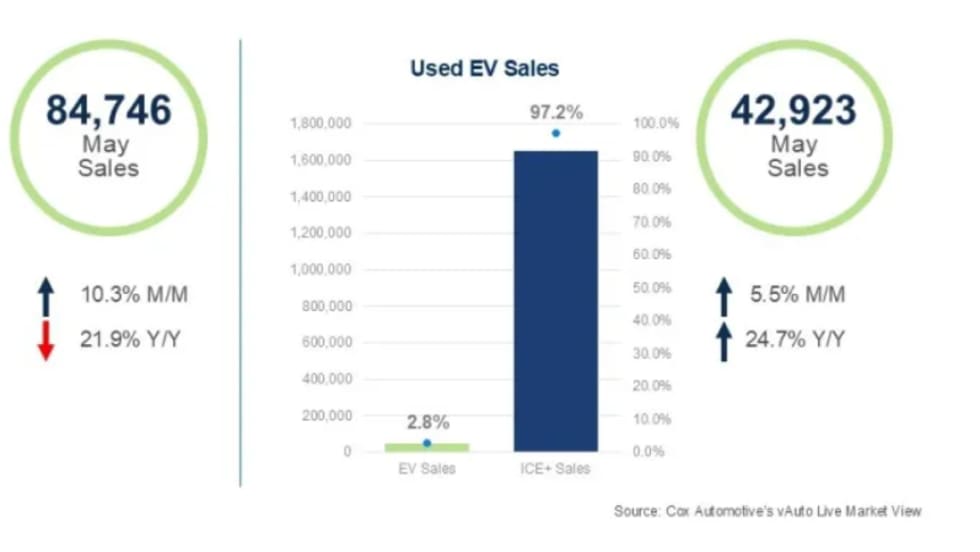
Used EVs Strengthen Overall Electric Vehicle Market
The latest sales data point to several reasons for the divergent trends in new and used EVs that can factor into fleet cycling decisions.
Read More →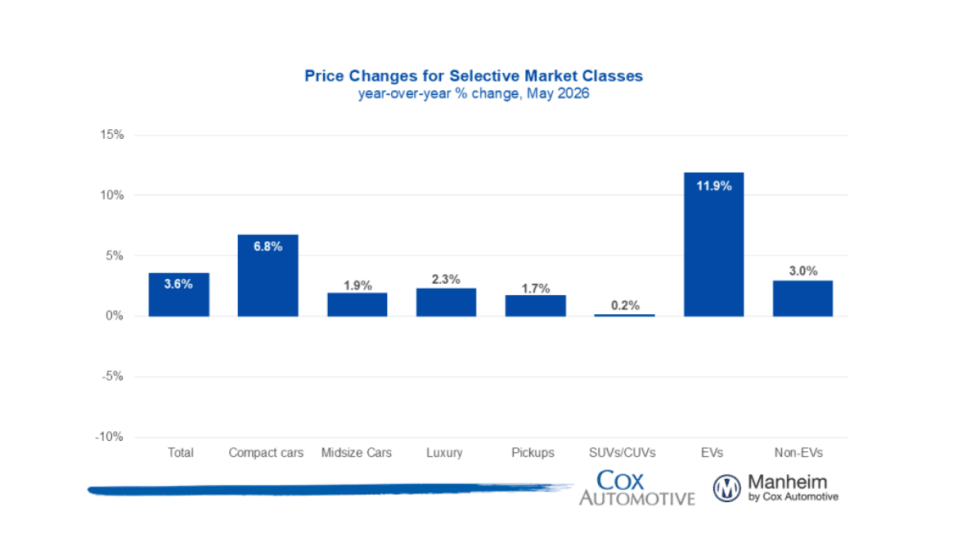
Wholesale Used Vehicle Market Sustains Moderate Rise In Values, Prices
Trends continue to normalize after a strong start to the year, as consumers contend with higher gas prices in the coming summer months.
Read More →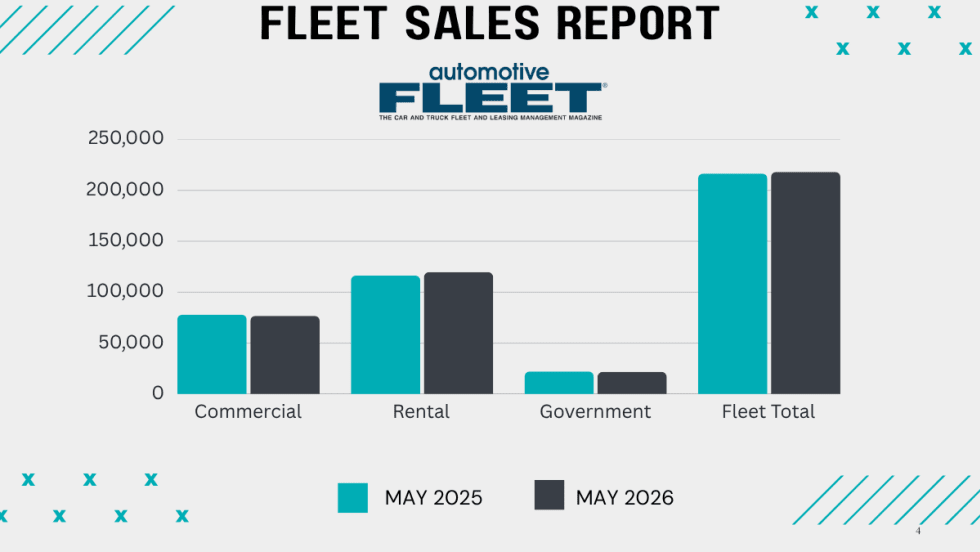
Commercial Fleet Sales Still Lead Sectors Despite May Mini Dip
The U.S. economy's continued growth and positive business investment are creating a favorable environment for fleet vehicle demand.
Read More →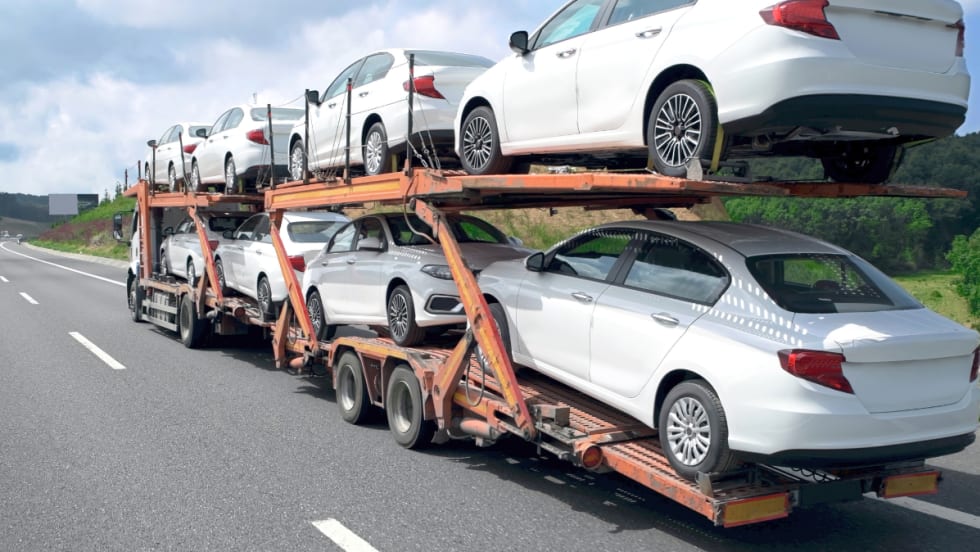
The Data-Driven Haul: 5 Ways AI is Leveling the Playing Field in Auto Transport
Large and small transport fleets are becoming more competitive as predictive analytics and real-time data inform the logistics decision chain.
Read More →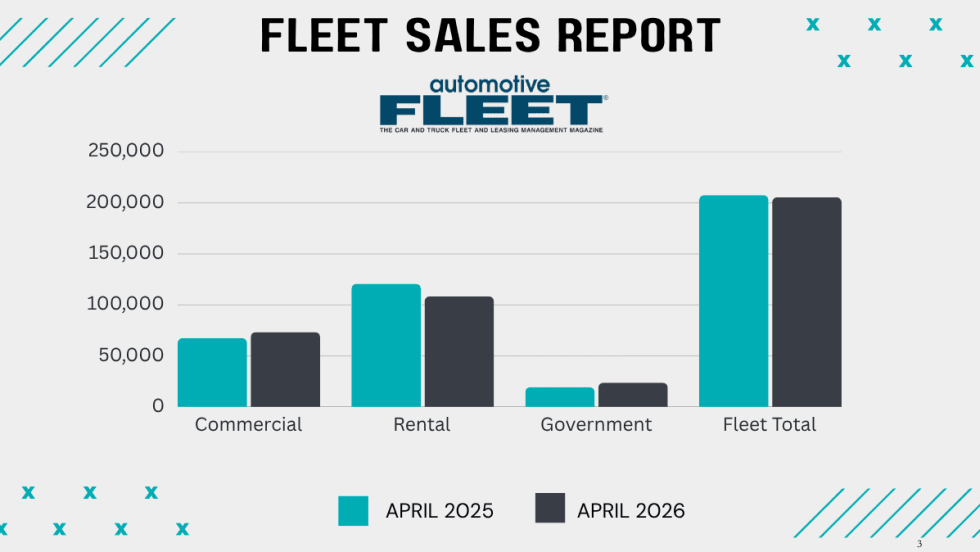
Commercial Fleet Sales Show Healthy Gains
So far, the fleet sector is outshining government and rental fleet sales this year as economic growth spurs more business investment.
Read More →
CAR 2026 Recap Part 2: Closing the Gap Between Data & Remarketing Value
The second half of CAR 2026 examined how fleets can translate lifecycle strategy, vehicle data, and market shifts into higher real-world results.
Read More →