



Related: VW and Audi 2017 Fleet Preview
Volkswagen Unveils Three-Row Atlas SUV for 2018
Volkswagen has revealed its new flagship SUV, called Atlas, ahead of the Los Angeles Auto Show — a three-row utility vehicle that brings the automaker into a highly competitive category.
by Staff
October 28, 2016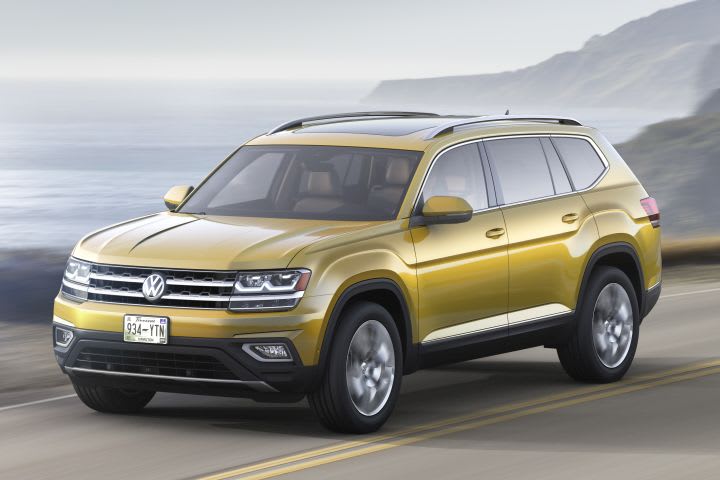
Photo of 2018 Atlas courtesy of Volkswagen.
2 min to read
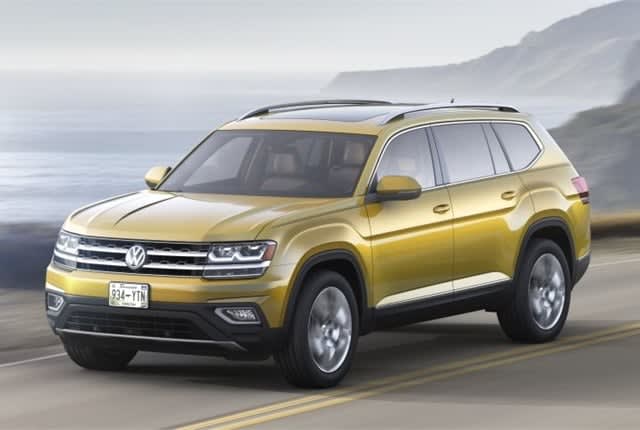
Photo of 2018 Atlas courtesy of Volkswagen.
Volkswagen has revealed its new flagship SUV, called Atlas, ahead of the Los Angeles Auto Show — a three-row utility vehicle that brings the automaker into a highly competitive category.
Volkswagen will offer Atlas with the 2018 model year and display it at the show, which begins Nov. 18. The automaker unveiled it at the Santa Monica Pier at the end of historic Route 66 on Oct. 27. The SUV, which will be built at the company's Chattanooga, Tenn., assembly plant, will likely replace the Touareg luxury SUV. It will arrive at dealer lots in the spring.
The 2018 Atlas will be offered in five trim grades. Buyers have a choice of two engines, including the standard 2.0L turbocharged, direct-injection TSI four-cylinder that makes 238 hp and optional 3.6L VR6 six-cylinder that makes 280 hp. An 8-speed automatic transmission will deliver power to a standard front-wheel drivetrain or optional 4Motion all-wheel-drive system.
The VR6 engine is the same V-6 found in the Touareg and Passat. The 2.0L (EA888) is sourced from Audi and powers several Volkswagen Group models including the A3, A4, and Volkswagen Golf, said Mark Gillis, a Volkswagen spokesman.
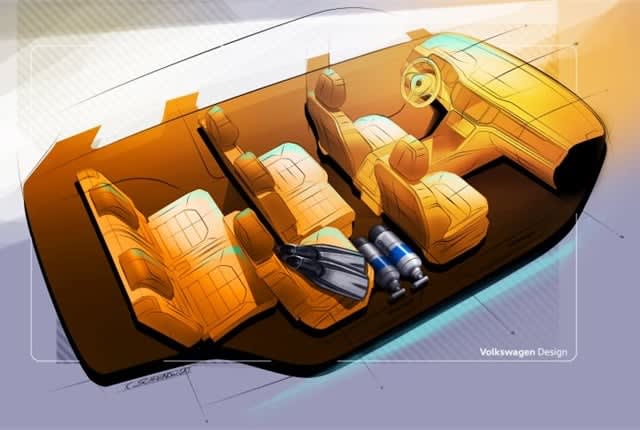
Schematic of 2018 Atlas seating courtesy of Volkswagen.
The Atlas is built on Volkswagen's Modular Transverse Matrix (MQB) platform. It will measure 198.3 inches in length, 77.9 inches width, and 69.6 inches high. It's length is inline with the Ford Explorer (198.3 inches) and exceeds several other mid-size three-row SUVs such as the Nissan Pathfinder (197.2 inches), Honda Pilot (194.5 inches), and Toyota Highlander (191.1 inches).
Other competitive vehicles include the Dodge Durango, Mazda CX-9, GMC Acadia, and Hyundai Santa Fe.
Optional driver-assisting features include adaptive cruise control; forward collision warning and autonomous emergency braking; blind spot monitor with rear traffic alert; lane departure warning, which helps the driver steer the car back into its lane; and park assist.
Originally posted on Automotive Fleet
More Operations

CAS Automotive Launches Remarketing Service for Damaged, Surplus Equipment
Damaged Equipment expands CAS Automotive’s vehicle remarketing model to commercial equipment, targeting fleet operators, insurers, equipment dealers, and rental companies.
Read More →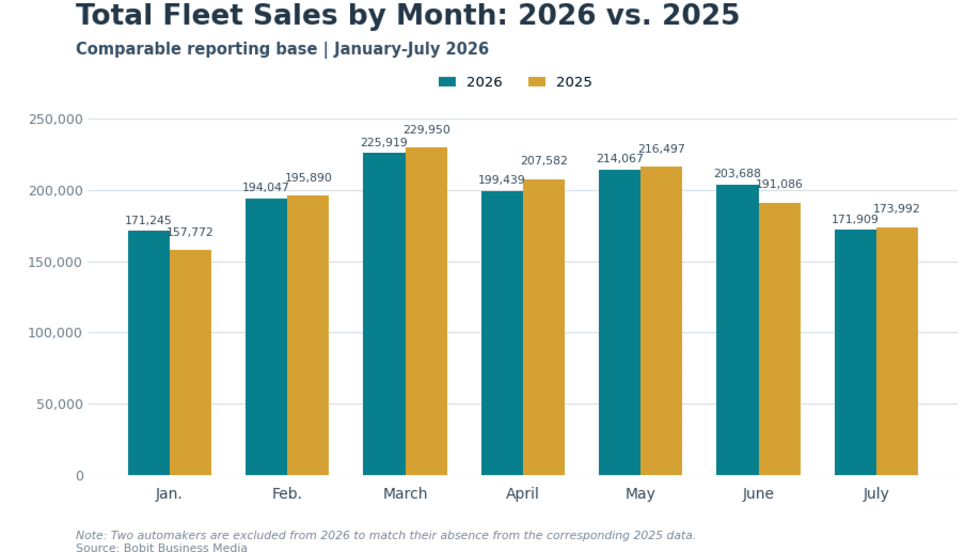
Fleet Sales Hold Steady as Commercial Gains Offset Rental Decline
Commercial and government fleet sales increased through July 2026, offsetting most of the decline in rental volume and leaving combined comparable fleet sales 0.5% above the same period last year.
Read More →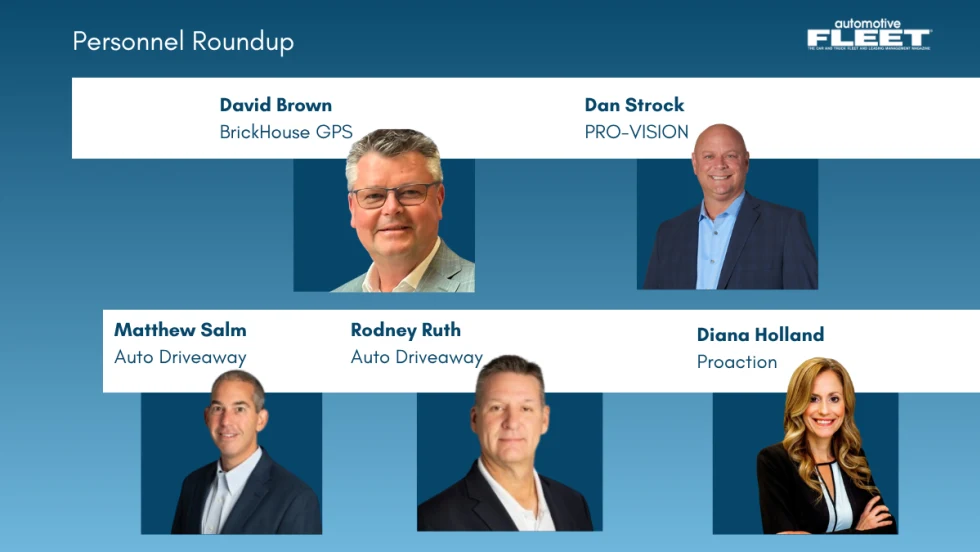
Personnel Update: BrickHouse GPS, PRO-VISION, Auto Driveaway, and Proaction
Check out the latest must-know fleet personnel updates from the last couple of months.
Read More →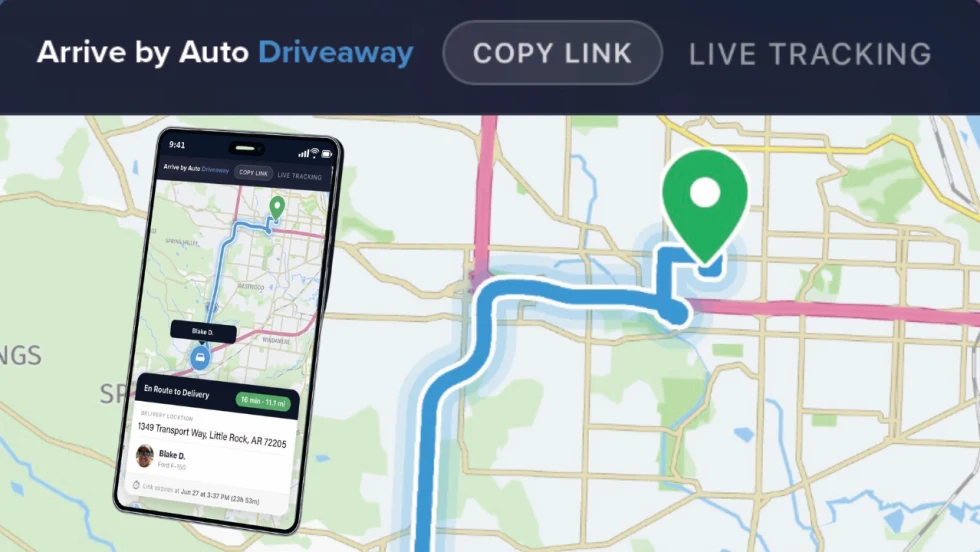
What Comes Next for Auto Driveaway?
A new Auto Driveaway feature called Arrive provides recipients with live location updates and ETAs during the final hour of a vehicle move, while fleet customers continue to have end-to-end shipment visibility through the company's customer portal.
Read More →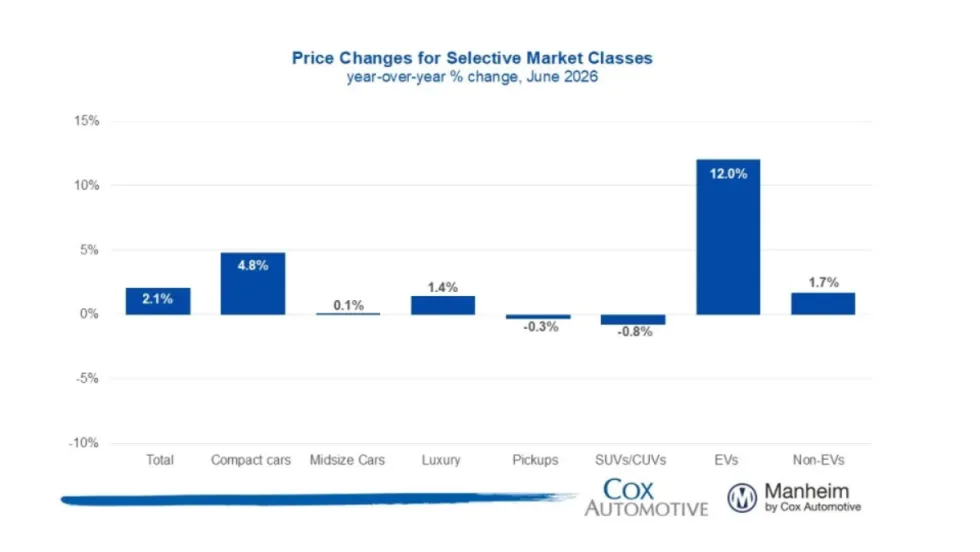
Manheim Index Shows Used-Vehicle Wholesale Prices Up 2.1% in June
The market is seeing stronger appreciation in older used vehicles this year, and the most affordable segments have been among the year’s best performers.
Read More →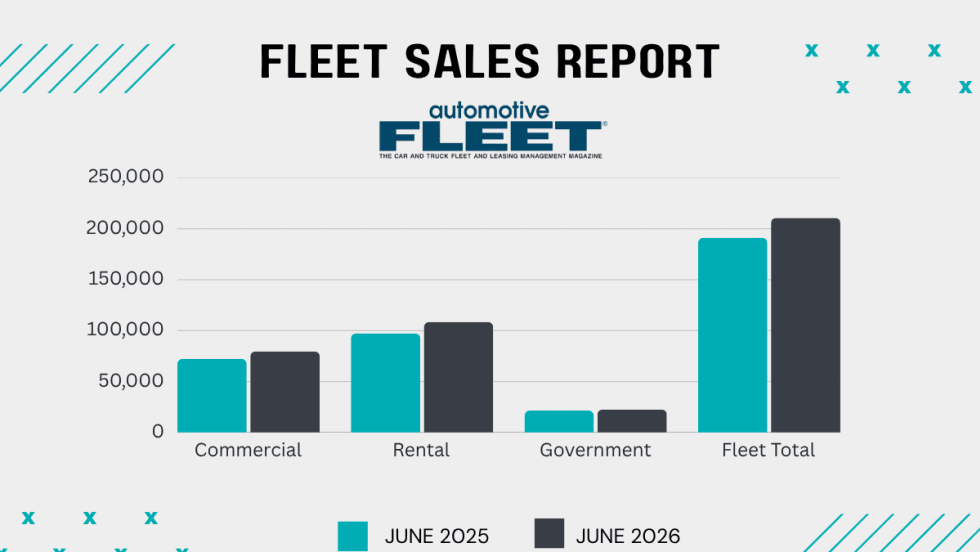
Commercial Fleet Sales Contribute To June, YTD Gains
The fleet sector has boosted its vehicle purchases at a reliable pace in the first half of this year compared with 1H 2025.
Read More →
Stop Remarketing Electric Vehicles Like Gas Cars
The advantages and attributes of electric vehicles are upending the traditional remarketing cycle, requiring fleet sellers to rely on new factors and approaches detailed below.
Read More →
AP Fleet Management Expands Remarketing Program for Commercial Work Trucks
AP Fleet Management expanded its commercial vehicle remarketing program with dedicated resale services and an online marketplace for used work trucks.
Read More →
Used EVs Strengthen Overall Electric Vehicle Market
The latest sales data point to several reasons for the divergent trends in new and used EVs that can factor into fleet cycling decisions.
Read More →
The Data-Driven Haul: 5 Ways AI is Leveling the Playing Field in Auto Transport
Large and small transport fleets are becoming more competitive as predictive analytics and real-time data inform the logistics decision chain.
Read More →