




Miss This?Charting Model Year MPG Improvements for ICE Vehicles
Vincentric EV Analysis Finds 44% Have Lower Ownership Costs Than Comparable Gas Alternatives
Although fewer EVs this year beat gas cars on total cost, most still win on fuel, maintenance, and emissions reductions.
May 1, 2025
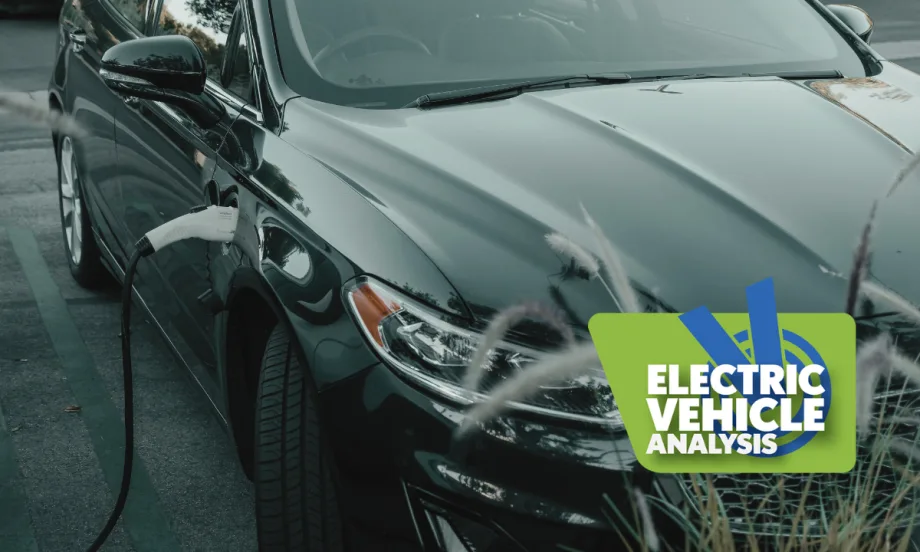
The updated Vincentric study analyzed eight cost factors comprising a vehicle’s ownership cost: depreciation, fees & taxes, financing, fuel, insurance, maintenance, opportunity cost, and repairs.
Photo: Kindel Media via Pexels / Vincentric / Automotive Fleet
3 min to read
Vincentric, a provider of automotive cost of ownership data, recently released an updated Electric Vehicle (EV) Cost of Ownership Analysis for 2025.
The company found that 24 of 54 (44%) EVs studied had a lower total cost of ownership over five years than a similarly equipped gasoline alternative. This shows a slight decrease from the 2024 study in which 49% of the EVs studied had lower ownership costs.
The Vincentric study analyzed eight cost factors comprising a vehicle’s ownership cost: depreciation, fees & taxes, financing, fuel, insurance, maintenance, opportunity cost, and repairs. The biggest advantage for EVs was their fuel costs.
The electricity cost for all 54 EVs was lower than gasoline for their Internal Combustion Engine (ICE) alternatives, with average fuel cost savings of just over $7,500. Maintenance costs were another strength, with 43 of 54 EVs costing less to maintain over the five-year timeframe of the study.
Electric Vehicles Face Mounting Depreciation Challenges
The most significant disadvantage of EVs continues to be depreciation, mainly because 44 of the 54 EVs studied had a higher purchase price than their gas-powered counterpart.
Only 9% of EVs analyzed had lower depreciation costs than their ICE alternative, which is down significantly from last year’s study in which 24% had lower depreciation.
Another contributing factor to this decline was that only 5 of 54 EVs qualified for the $7,500 federal point-of-sales rebate for purchasing electric vehicles. The strict qualification criteria for this rebate have been an ongoing challenge for EVs. While only five qualified this year, the 2024 study had even less, with only three qualifying EVs.
Despite Higher Upfront Costs, EVs Deliver Environmental and Long-Term Value
In addition to the financial cost of ownership, the analysis also examined the environmental cost of ownership of the vehicles studied to compare the environmental impact of driving an ICE vehicle versus an EV.
Even though EVs create greenhouse gas emissions due to electricity production, the study found that, on average, over five years, EVs reduce CO2 emissions by over 4.4 metric tons, NOX emissions by over 2.3 metric tons, and VOC emissions by over 1.7 metric tons compared to their ICE alternatives.
“The higher purchase price of EVs can be a major factor in consumers’ hesitance to switch to electric,” said Vincentric President David Wurster. “While our latest analysis of EVs in America has shown some decreases in cost-effectiveness from last year, the 2025 study still found that 44% of EVs cost less to own over five years than a comparable gas vehicle. This means that, despite the oftentimes higher upfront cost, a wide variety of EVs can still save buyers money over another gasoline-powered car.”
This Vincentric analysis assumed that all vehicles were driven 15,000 miles per year over the next five years. Results were based on federal point-of-sales rebate qualifications and vehicle pricing as of March 11, 2025.
Originally posted on Automotive Fleet
More Fleet

Acertus Acquires Fisher Shipping, CEO to Join Acertus
Fisher Shipping will retain its brand and team, while its customers gain access to Acertus’ transportation, storage, vehicle care, and title and registration services.
Read More →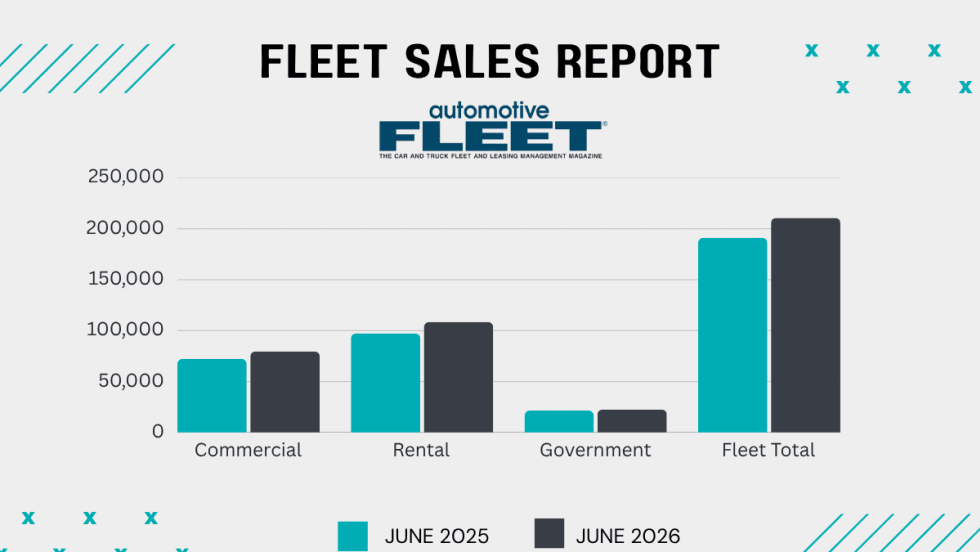
Commercial Fleet Sales Contribute To June, YTD Gains
The fleet sector has boosted its vehicle purchases at a reliable pace in the first half of this year compared with 1H 2025.
Read More →
Registration Opens for 2026 Fleet Forward Conference
Held on the East Coast for the first time, the Washington, D.C.-area event features expert-led education, a new IIHS Crash Test Experience, and collocation with the NAFA’s Fleet Safety Symposium.
Read More →
AP Fleet Management Expands Remarketing Program for Commercial Work Trucks
AP Fleet Management expanded its commercial vehicle remarketing program with dedicated resale services and an online marketplace for used work trucks.
Read More →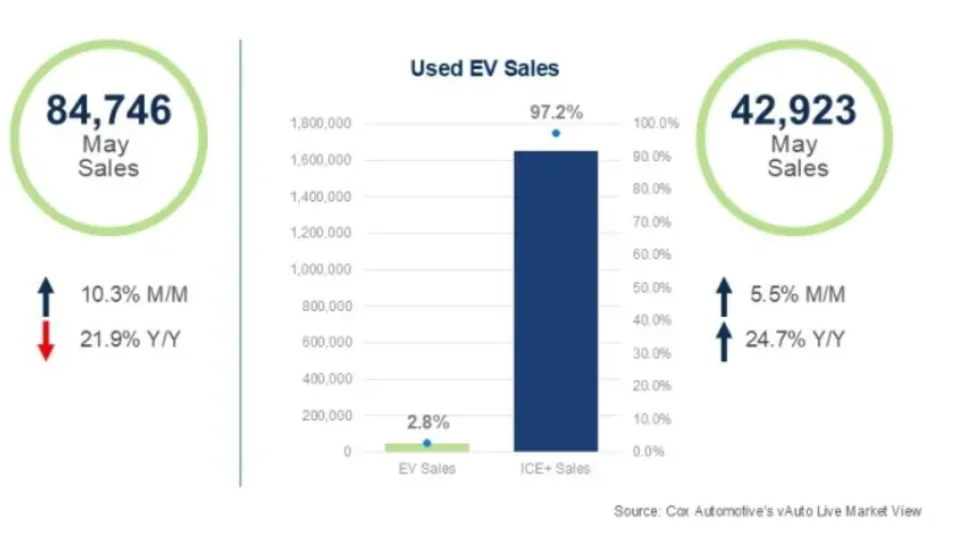
Used EVs Strengthen Overall Electric Vehicle Market
The latest sales data point to several reasons for the divergent trends in new and used EVs that can factor into fleet cycling decisions.
Read More →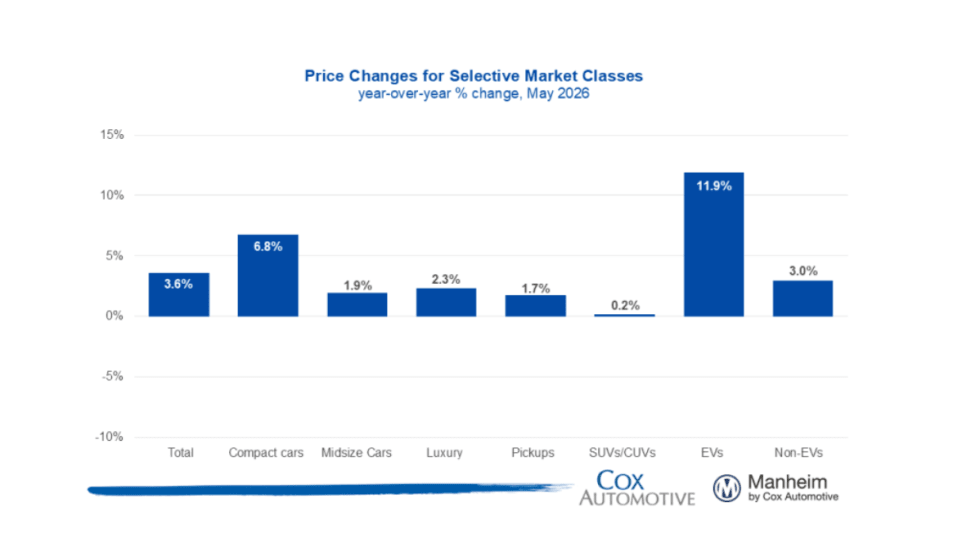
Wholesale Used Vehicle Market Sustains Moderate Rise In Values, Prices
Trends continue to normalize after a strong start to the year, as consumers contend with higher gas prices in the coming summer months.
Read More →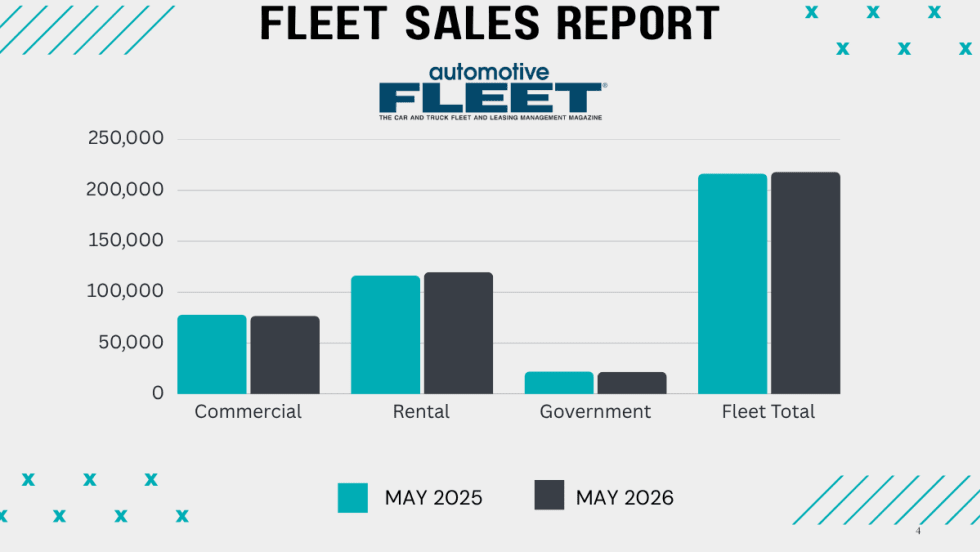
Commercial Fleet Sales Still Lead Sectors Despite May Mini Dip
The U.S. economy's continued growth and positive business investment are creating a favorable environment for fleet vehicle demand.
Read More →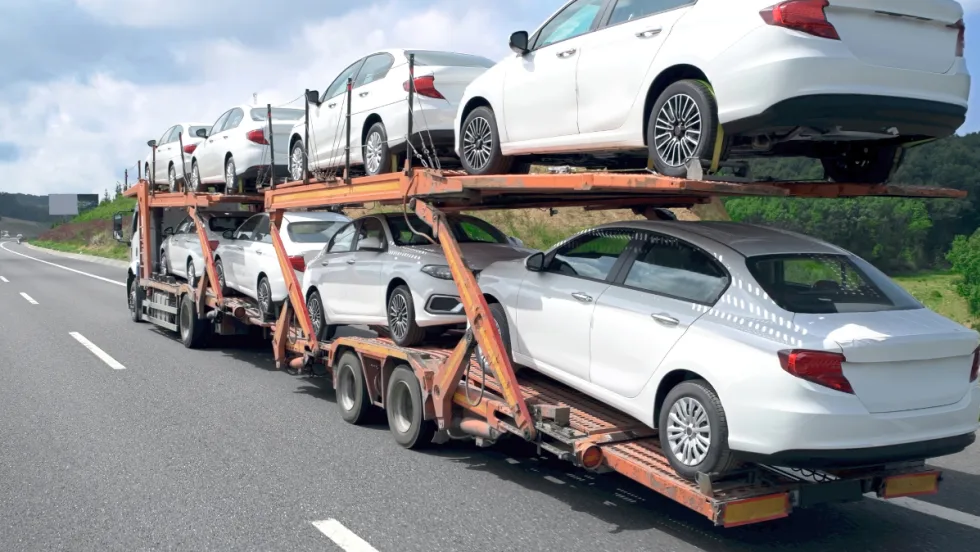
The Data-Driven Haul: 5 Ways AI is Leveling the Playing Field in Auto Transport
Large and small transport fleets are becoming more competitive as predictive analytics and real-time data inform the logistics decision chain.
Read More →
Commercial Fleet Sales Show Healthy Gains
So far, the fleet sector is outshining government and rental fleet sales this year as economic growth spurs more business investment.
Read More →
CAR 2026 Recap Part 2: Closing the Gap Between Data & Remarketing Value
The second half of CAR 2026 examined how fleets can translate lifecycle strategy, vehicle data, and market shifts into higher real-world results.
Read More →