



Used-Vehicle Prices at Auction Up 1.3 Percent in 2004; Auction Prices Rise for Fourth Consecutive Month
CARMEL, IN and ATLANTA — Auction prices in 2004 continued the firming pattern identified in mid-2003 after three years of wholesale used vehicle price erosion, according to Tom Kontos, vice president industry relations and analytical services for ADESA Corp., a nationwide auction chain headquartered in Carmel.
CARMEL, IN and ATLANTA — Auction prices in 2004 continued the firming pattern identified in mid-2003 after three years of wholesale used vehicle price erosion, according to Tom Kontos, vice president industry relations and analytical services for ADESA Corp., a nationwide auction chain headquartered in Carmel.
For 2004 as a whole, average prices at the nation’s largest auctions were up 1.3 percent compared to 2003. “Although this might seem trivial when considering this equates to an average price gain of $118, it is important in that it makes a positive dent against the $1,060 loss in average annual prices that took place between 2000 and 2003,” said Kontos. “For this reason, we have been referring to the wholesale price environment as one of recovery — and that recovery has not yet run its course. We look for 2005 to be a continuation of the firming price environment, with some seasonal fluctuations.”
Average prices in December 2003 were unusually low and represented a short-term break in the firming pattern seen since May 2003. “Nevertheless, we maintained that prices would continue their overall recovery, although not as dramatically as the year-over-year increases might imply. Now that the results are in on the various indicators we produce and monitor, it’s clear that the wholesale used vehicle market generated impressive results in December, even after accounting for the unusually weak comparable month in 2003,” said Kontos.
At Manheim, wholesale used-vehicle prices (on a mix, mileage, and seasonally adjusted basis) rose for the fourth consecutive month in December. The Manheim Used Vehicle Value Index stood at 108.2 in December, which represented a year-over-year gain of 2.8 percent. For the month, wholesale prices were up a seasonally adjusted 0.5 percent.
Competitive pricing and ever-higher incentives continue to play havoc with late-model used-vehicle prices, but that headwind has been offset in recent months by a firming in retail demand, according to Kontos. Wholesale prices for older-model used vehicles have been relatively strong throughout the year, and December was no exception. A stronger labor market and a moderation in gasoline prices, as well as the related improvement in consumer confidence, have been the driving forces behind better retail demand and the subsequent rise in wholesale prices, said Kontos.
According to ADESA’s indicators, average wholesale prices, dealer activity, and inventories at auction were all higher in December than prior-month and year-ago levels. In December, average wholesale prices rose by 3.8 percent year-over-year, the ADESA Auction Dealer Optimism Index rose by 3.2 percent pts, and the ADESA Auction Inventory Index was more than 16 points above its November level.
The key driver of these results appears to be continued strong retail demand, especially among independent used-car dealers, along with the continued shortfall of off-lease volumes, according to Kontos. Dealers appear to be stocking up for an anticipated strong and early Spring Market in 2005. Average prices rose sharply despite strong year-end incentives.
Average auction prices in December, according to ADESA Analytical Services’ monthly analysis of Wholesale Used Vehicle Prices by Vehicle Model Class1, were up 3.8 percent from year-ago levels, marking the ninth increase in the last 10 months (a modest decline took place in October). Average prices were up almost $250 (2.7 percent) compared to November.
Prices for nearly-new vehicles (current and one-year-old models) registered their first gain (3.2 percent) after three months of gradually lessening declines. ADESA believes this reflects the close-out of the 2004-model year, as model-year-end incentives and the introduction of the new models tend to have their greatest impact on nearly-new vehicle prices in September and October.
The second trend cited by Kontos was that the general price improvement was not experienced by all vehicle model classes equally, and in some classes the price erosion continued. For example, prices for compact cars enjoyed an 8.9-percent increase, while full-size SUVs suffered a 5.9-percent price drop during 2004. “High gasoline prices during 2004 were partly to blame for this polarity, but the high incentives required to sell the proliferating models of full-size SUVs probably share an equal, if not greater, burden,” said Kontos. “These trends suggest that the ‘bloom’ may finally be ‘off’ the large-SUV ‘rose’ in U.S. auto sales, although again, we’ll look to events in 2005 before we draw any conclusions.”
For the sixth consecutive month, compact cars had the strongest year-over-year price gains, and full-size SUVs had the sharpest y-o-y price declines, according to Kontos. Average prices in both these categories again had double-digit, year-over-year movements, though in opposite directions. High gas prices are clearly a major contributor to this trend, although factors such as the extremely high new-vehicle incentives on large SUVs have also played a significant role, said Kontos.
The ADESA Auction Inventory Index closed the year at relatively high levels. The index stood at 147.3 – up from 130.9 at the end of November and up 1.0 percent from its year-ago level of 145.9. ADESA Analytical Services estimates this represents approximately 38 days of auction sales, which will exert some downward pressure on wholesale prices in the coming month.
More Operations
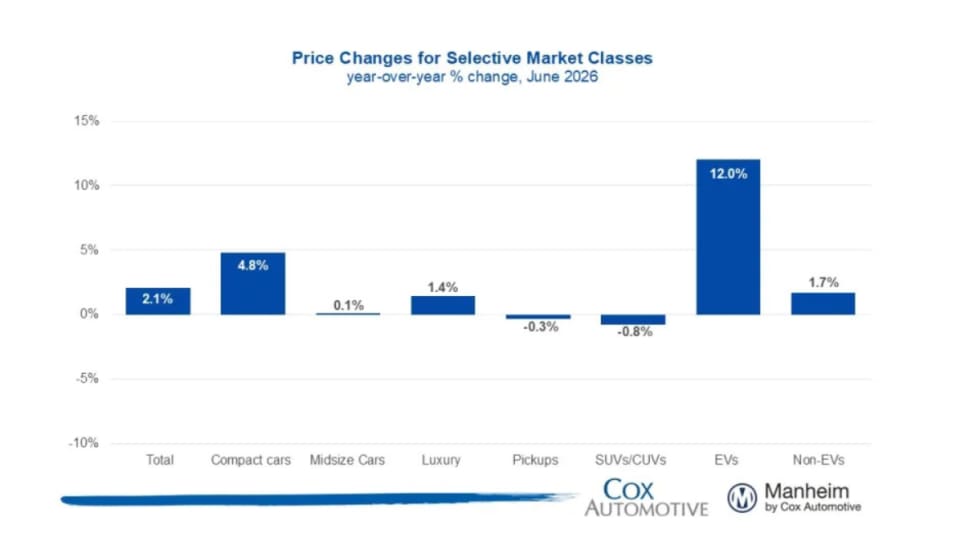
Manheim Index Shows Used-Vehicle Wholesale Prices Up 2.1% in June
The market is seeing stronger appreciation in older used vehicles this year, and the most affordable segments have been among the year’s best performers.
Read More →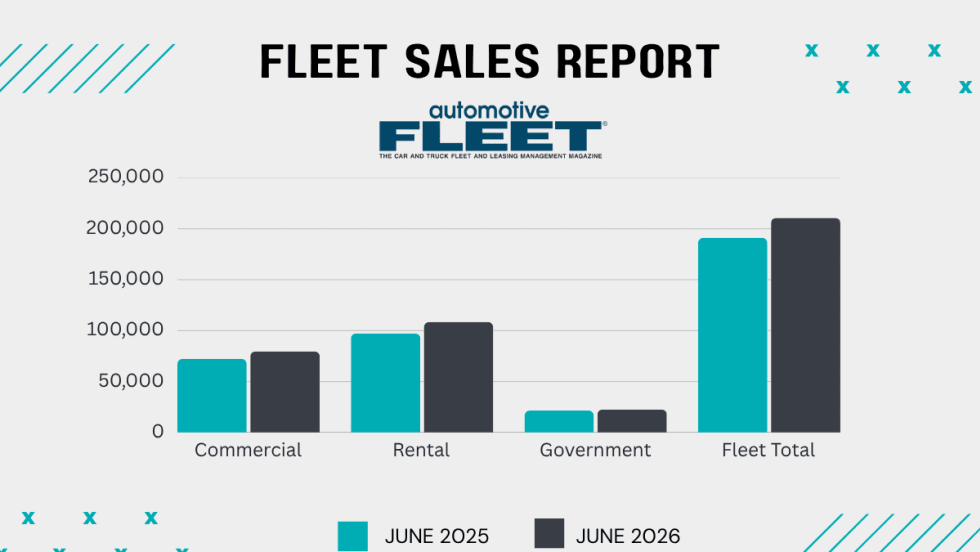
Commercial Fleet Sales Contribute To June, YTD Gains
The fleet sector has boosted its vehicle purchases at a reliable pace in the first half of this year compared with 1H 2025.
Read More →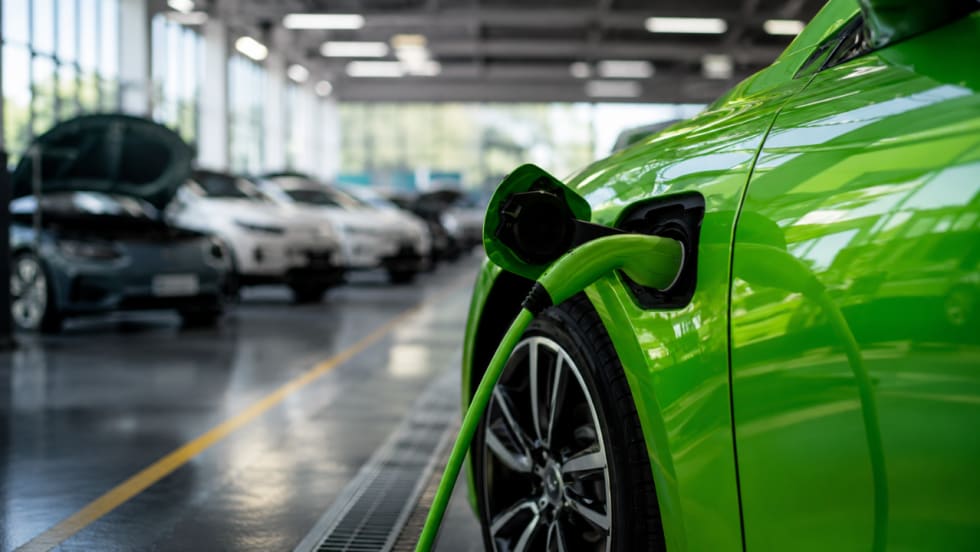
Stop Remarketing Electric Vehicles Like Gas Cars
The advantages and attributes of electric vehicles are upending the traditional remarketing cycle, requiring fleet sellers to rely on new factors and approaches detailed below.
Read More →
AP Fleet Management Expands Remarketing Program for Commercial Work Trucks
AP Fleet Management expanded its commercial vehicle remarketing program with dedicated resale services and an online marketplace for used work trucks.
Read More →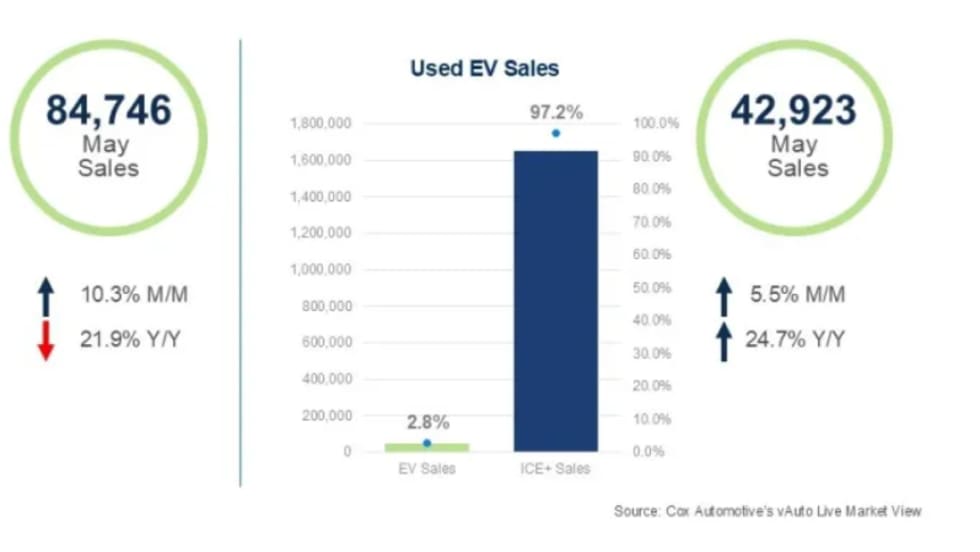
Used EVs Strengthen Overall Electric Vehicle Market
The latest sales data point to several reasons for the divergent trends in new and used EVs that can factor into fleet cycling decisions.
Read More →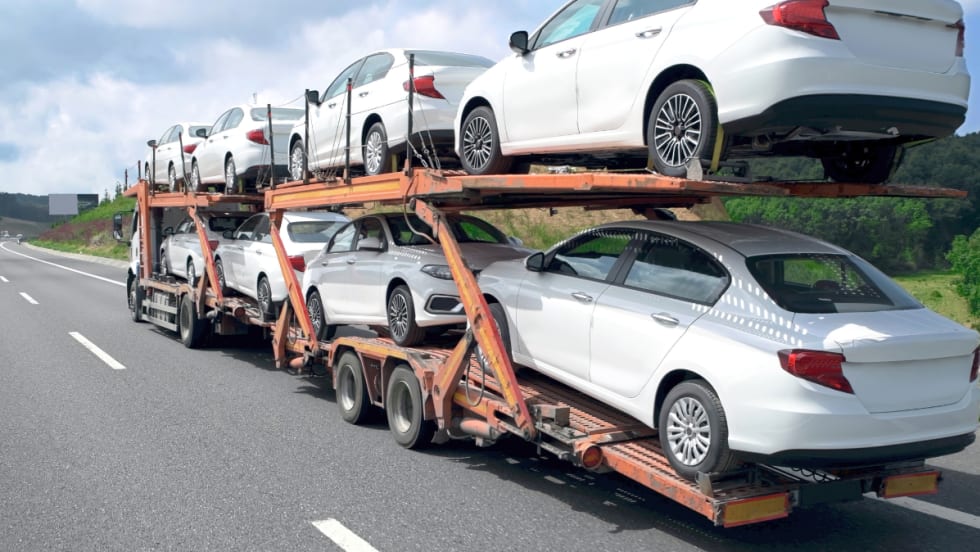
The Data-Driven Haul: 5 Ways AI is Leveling the Playing Field in Auto Transport
Large and small transport fleets are becoming more competitive as predictive analytics and real-time data inform the logistics decision chain.
Read More →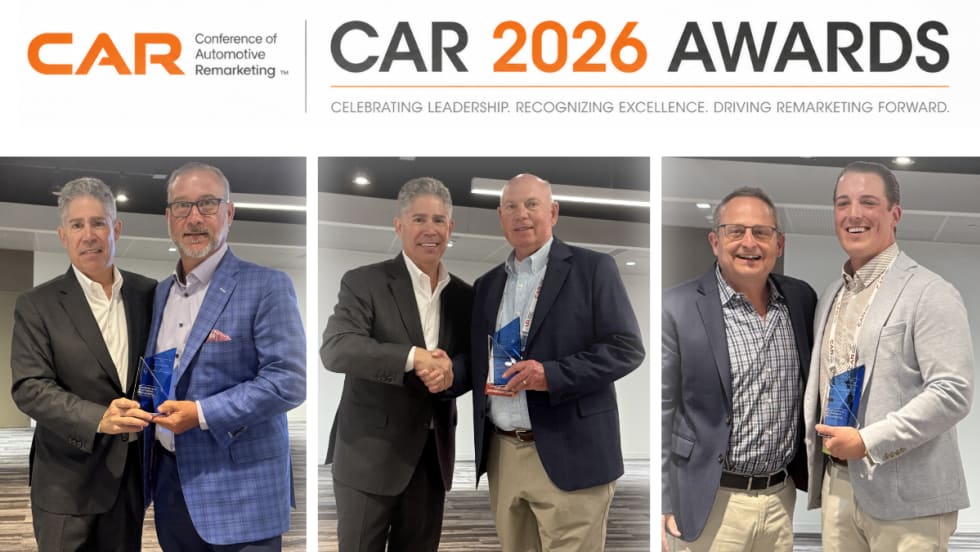
2026 CAR Awards Celebrate Industry Excellence
CAR’s annual Fleet Remarketing Awards opened a reimagined 2026 conference designed to bridge the worlds of fleet management and automotive remarketing.
Read More →
CAR 2026 Recap Part 2: Closing the Gap Between Data & Remarketing Value
The second half of CAR 2026 examined how fleets can translate lifecycle strategy, vehicle data, and market shifts into higher real-world results.
Read More →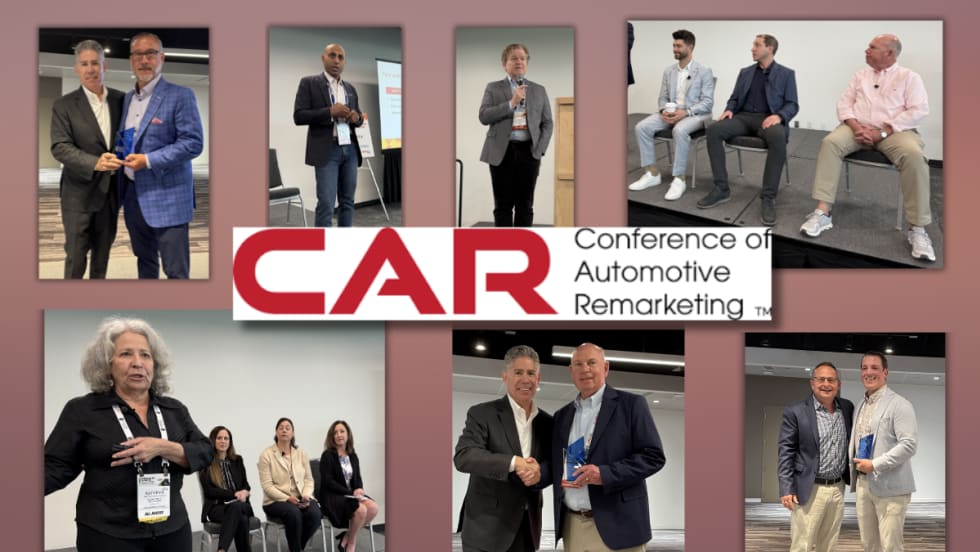
CAR2026 in Two Words: Velocity, Value (Part 1)
The 2026 Conference of Automotive Remarketing convened with a mandate to involve a new constituency — fleet managers — and an updated mission to demonstrate unrealized value in de-fleeted vehicles.
Read More →
CAR 2026: Get the Wall Street Update on the Key Players in Remarketing
From a Wall Street analyst's take on remarketing's key players to whether fleets need their own version of Carfax, CAR 2026's afternoon roundtables will answer key operational and industry questions.
Read More →