



Used Car Market Finishes Strong in 2015
Wholesale used-vehicle prices increased in December, signifying the sixth increase out of the previous seven months.

WEBB
Wholesale used-vehicle prices increased in December, signifying the sixth increase out of the previous seven months. Illustrating continued strength and stability, this brought the Manheim Used Vehicle Value Index – a measure of wholesale prices adjusted for mix, mileage, and season – to a reading of 125.7 in December. This represents an increase of 1.5 percent from a year ago and is the Index’s highest level in more than four years.
On an average annual basis, the Manheim Index rose 1.2 percent in 2015, after a 2014 increase of 1.5 percent. In 2012 and 2013, the Index declined by 1 percent and 1.8 percent respectively. These four consecutive years with annual price movements of less than 2 percent represent the longest stretch of wholesale price stability in the Index’s 20-year history.

WEBB
“A variety of macroeconomic and industry factors have contributed to the ongoing stability and strength we’re experiencing,” said Tom Webb, Chief Economist for Cox Automotive. “We also have to give credit to better and more efficient marketing practices that have enabled commercial consignors to anticipate and respond to – and ultimately minimize – impending swings in wholesale pricing.”
Despite the recent interest hike by the Federal Reserve and analysts expecting further increases in 2016, it is predicted the availability and cost of retail credit will remain favorable for both the new and used vehicle markets throughout the year. Additionally, a favorable economic outlook and continued job growth have added to both lender and consumer confidence.
Compact cars were once again a weak segment in December in terms of wholesale pricing, while vans and trucks showed continued strength.
Fourth quarter wholesale pricing for vehicle segments included:
Compact Car prices were down 7.2 percent in December from a year ago and continued to underperform the overall market due to fierce price competition in the new vehicle market, as well as shifting consumer preferences.
Pick-ups and Vans – in stark contrast to the compact car segment – were particularly strong due to higher pricing in the new truck market and low gas and diesel prices, with vans representing an increase of 6.2 percent over last year and trucks coming out on top with an increase of 11.8 percent.
Midsize Cars again remain one of the weaker segments, seeing little movement from last year at this time with an extremely modest 0.2 percent gain.
Luxury Car values showed some strength in December, but are down 1.6 percent compared with the same period last year and will likely face higher wholesale volumes in early 2016.
SUVs and CUVs rose a modest 1.8 percent compared with last December, but within that segment full-size SUVs were up a strong 8.1%thanks to lower gas prices and favorable lending and leasing terms.
“To round out 2015, new and used vehicle sales increased for the sixth consecutive year with new car and light-duty truck sales reaching a record 17.5 million,” said Webb. “Also, as a proof point to strength in the industry and continued growth, CPO sales totaled 2.55 million, up 9.1 percent, which made 2015 the fifth consecutive year of record sales.”
Visit Manheim’s website to access to a variety of company publications, white papers and blog entries.
More Operations

CAS Automotive Launches Remarketing Service for Damaged, Surplus Equipment
Damaged Equipment expands CAS Automotive’s vehicle remarketing model to commercial equipment, targeting fleet operators, insurers, equipment dealers, and rental companies.
Read More →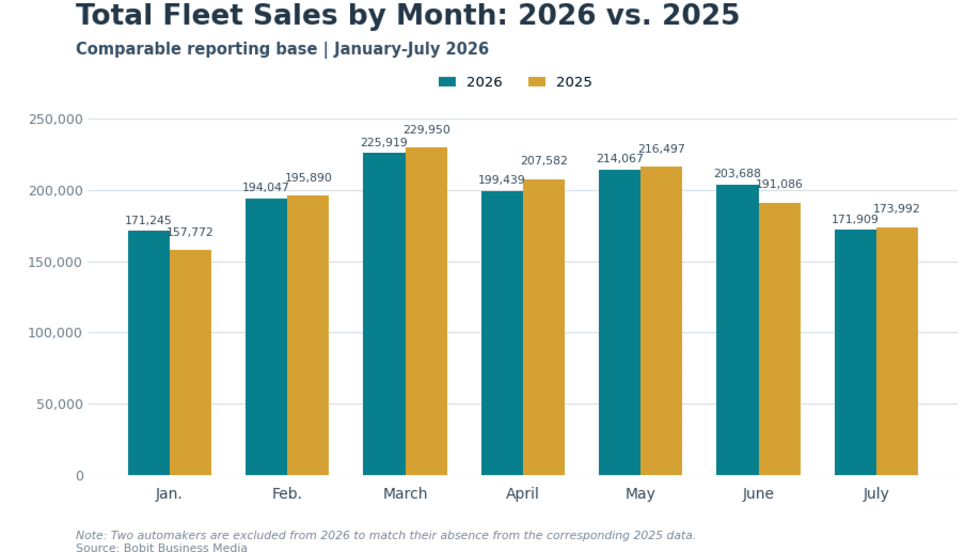
Fleet Sales Hold Steady as Commercial Gains Offset Rental Decline
Commercial and government fleet sales increased through July 2026, offsetting most of the decline in rental volume and leaving combined comparable fleet sales 0.5% above the same period last year.
Read More →
Personnel Update: BrickHouse GPS, PRO-VISION, Auto Driveaway, and Proaction
Check out the latest must-know fleet personnel updates from the last couple of months.
Read More →
What Comes Next for Auto Driveaway?
A new Auto Driveaway feature called Arrive provides recipients with live location updates and ETAs during the final hour of a vehicle move, while fleet customers continue to have end-to-end shipment visibility through the company's customer portal.
Read More →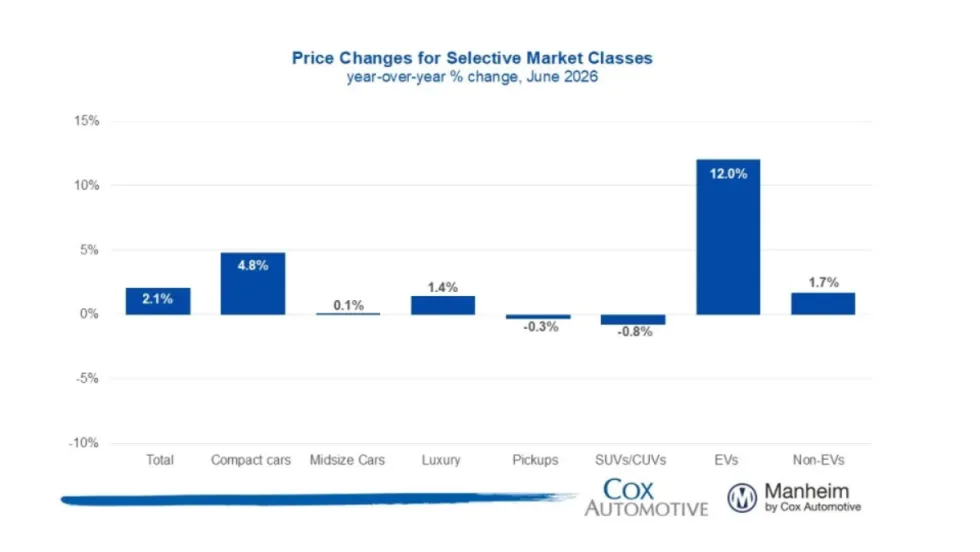
Manheim Index Shows Used-Vehicle Wholesale Prices Up 2.1% in June
The market is seeing stronger appreciation in older used vehicles this year, and the most affordable segments have been among the year’s best performers.
Read More →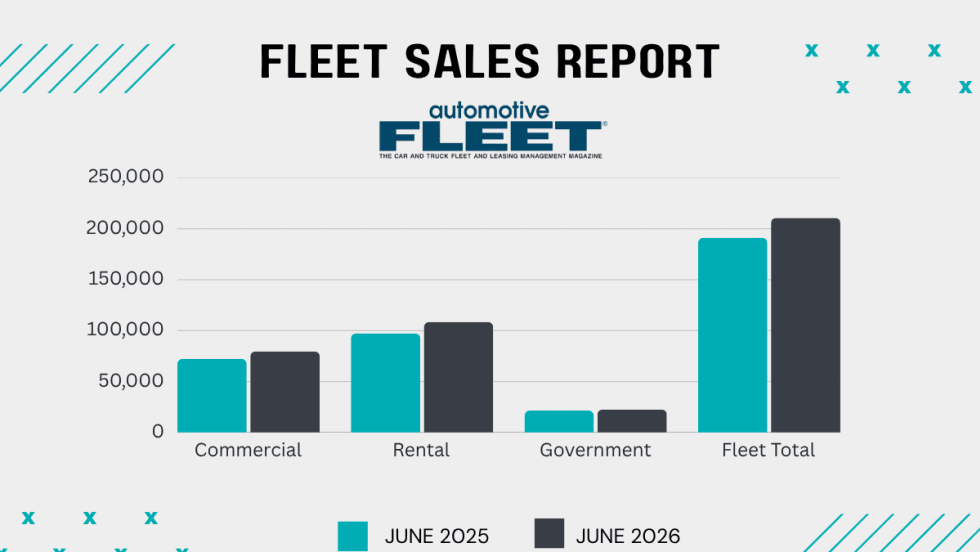
Commercial Fleet Sales Contribute To June, YTD Gains
The fleet sector has boosted its vehicle purchases at a reliable pace in the first half of this year compared with 1H 2025.
Read More →
Stop Remarketing Electric Vehicles Like Gas Cars
The advantages and attributes of electric vehicles are upending the traditional remarketing cycle, requiring fleet sellers to rely on new factors and approaches detailed below.
Read More →
AP Fleet Management Expands Remarketing Program for Commercial Work Trucks
AP Fleet Management expanded its commercial vehicle remarketing program with dedicated resale services and an online marketplace for used work trucks.
Read More →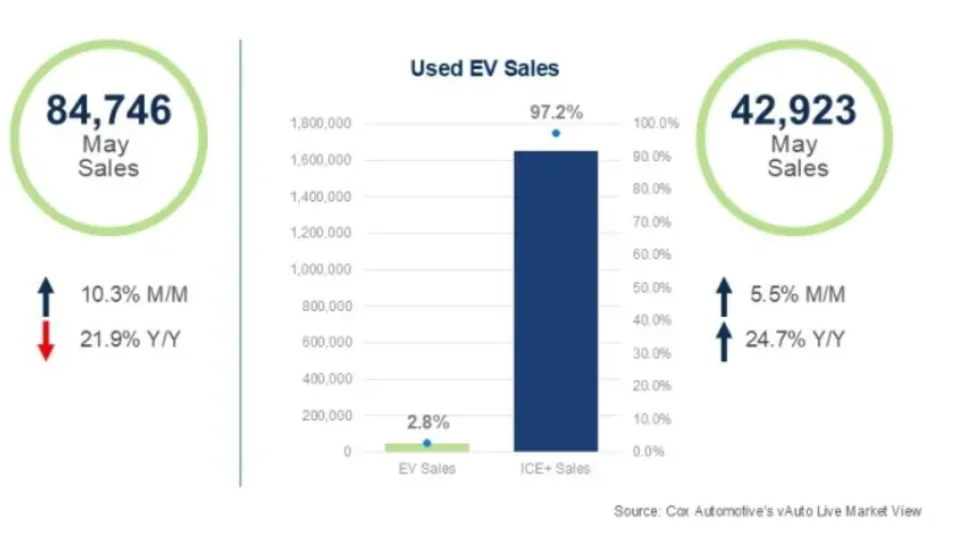
Used EVs Strengthen Overall Electric Vehicle Market
The latest sales data point to several reasons for the divergent trends in new and used EVs that can factor into fleet cycling decisions.
Read More →
The Data-Driven Haul: 5 Ways AI is Leveling the Playing Field in Auto Transport
Large and small transport fleets are becoming more competitive as predictive analytics and real-time data inform the logistics decision chain.
Read More →