




Related News: Wholesale Used Vehicle Prices Decline in July
Supply Strain Slows New Vehicle Sales
The current low-supply, high-demand situation means finding and buying a new vehicle may be a challenge.
July 27, 2021
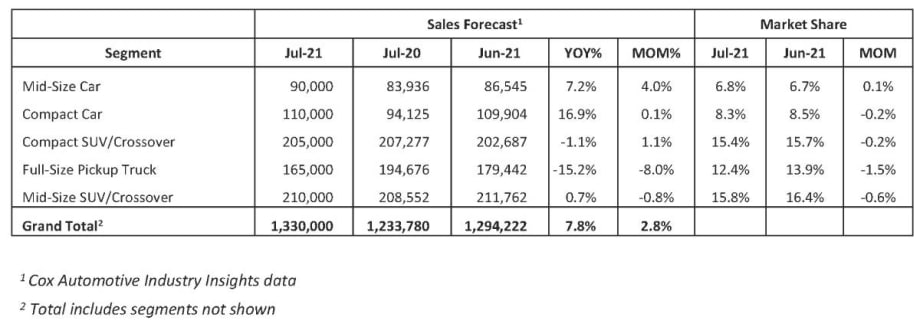
July 2021 New-Vehicle Sales Forecast
Chart: Cox Automotive
3 min to read
July U.S. auto sales are expected to reveal a new-vehicle market that has a large problem – too few products to sell, according to a Cox Automotive report July 27.
The sales pace, which had been averaging nearly 17 million a month through May, is expected to show another decline as falling inventories are halting sales activity around the country.
Cox Automotive forecasts the July sales pace to fall to 15.2 million, down from June’s 15.4 million level. This would be the third consecutive monthly pace decline after hitting a post-COVID-19 peak in April. Sales volume is expected to rise nearly 7.8% over last July, but with 27 selling days this year, one more than last year, that is a minimal gain.
“Sales pace has really been falling throughout the month – and quickly,” said Charlie Chesbrough, senior economist at Cox Automotive, in the news release. “The estimated sales pace of 15.2 million in July is the slowest pace since last August’s 15.1 million, and if inventory levels do not improve, we could see the pace drop even more.”
Inventory levels were tight to start the year after factory closures during the virus outbreak in 2020, but the global chip shortage has decimated vehicle production this year causing available supply to be at a critically low level. To start July, new-vehicle inventory was at a record low 25 days’ supply. A certain amount of supply is necessary for buyers to find the exact vehicle – type, color, trim – they want. Through the spring, inventory levels were extremely low, yet sales kept a strong pace. However, over the last two months, the sales pace has plummeted because of few products. A lack of inventory is expected to constrain sales through August and September but should improve in Q4 as chip orders from manufacturers see more fulfillment.
Demand remains strong in the marketplace supported by improved consumer confidence, a strong stock market, and ongoing economic recovery. For consumers, this low-supply, high-demand situation means finding and buying their next vehicle may be a challenge. Vehicle shoppers may have a hard time finding the exact vehicle they want, in the specific color and trim package desired. And, if they can find a vehicle they want to buy, they may find that the price is non-negotiable as the average transaction price for a new vehicle in June was nearly equal to the manufacturer’s suggested retail price. This combination of hard-to-find vehicles and higher prices is slowing the auto market, which will likely change little over the next few months.
July 2021 New-Vehicle Sales Forecast Highlights
In July, new light-vehicle sales are forecast to reach 1.33 million units, or nearly 7.8% higher compared to July 2020. When compared to last month, sales are expected to rise over 35,000 units or 2.8%.
The seasonally adjusted annual rate (SAAR) in July 2021 is estimated to be 15.2 million, above last year’s COVID-19-impacted 14.6 million level but a slight decrease from June’s inventory- constrained 15.4 million pace, and the slowest pace yet in 2021.
More Operations

CAS Automotive Launches Remarketing Service for Damaged, Surplus Equipment
Damaged Equipment expands CAS Automotive’s vehicle remarketing model to commercial equipment, targeting fleet operators, insurers, equipment dealers, and rental companies.
Read More →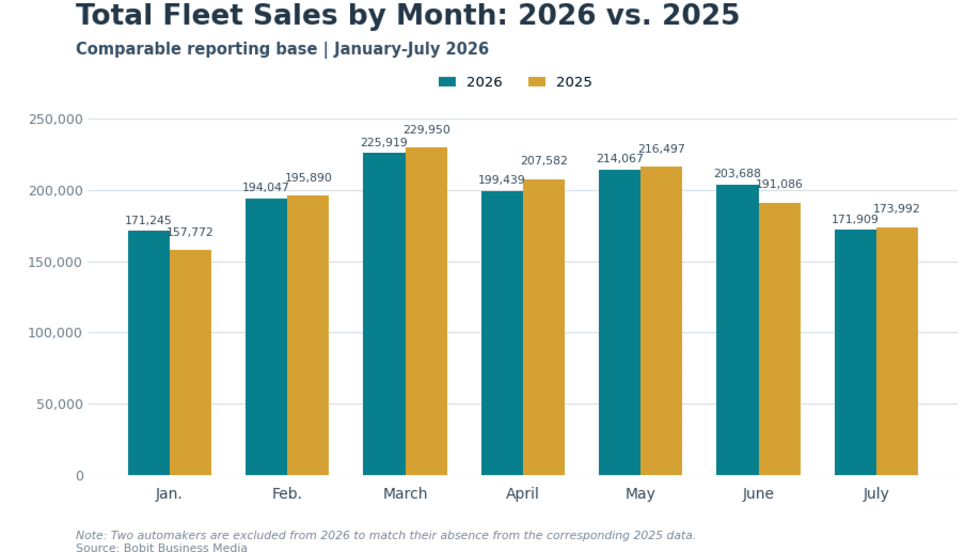
Fleet Sales Hold Steady as Commercial Gains Offset Rental Decline
Commercial and government fleet sales increased through July 2026, offsetting most of the decline in rental volume and leaving combined comparable fleet sales 0.5% above the same period last year.
Read More →
Personnel Update: BrickHouse GPS, PRO-VISION, Auto Driveaway, and Proaction
Check out the latest must-know fleet personnel updates from the last couple of months.
Read More →
What Comes Next for Auto Driveaway?
A new Auto Driveaway feature called Arrive provides recipients with live location updates and ETAs during the final hour of a vehicle move, while fleet customers continue to have end-to-end shipment visibility through the company's customer portal.
Read More →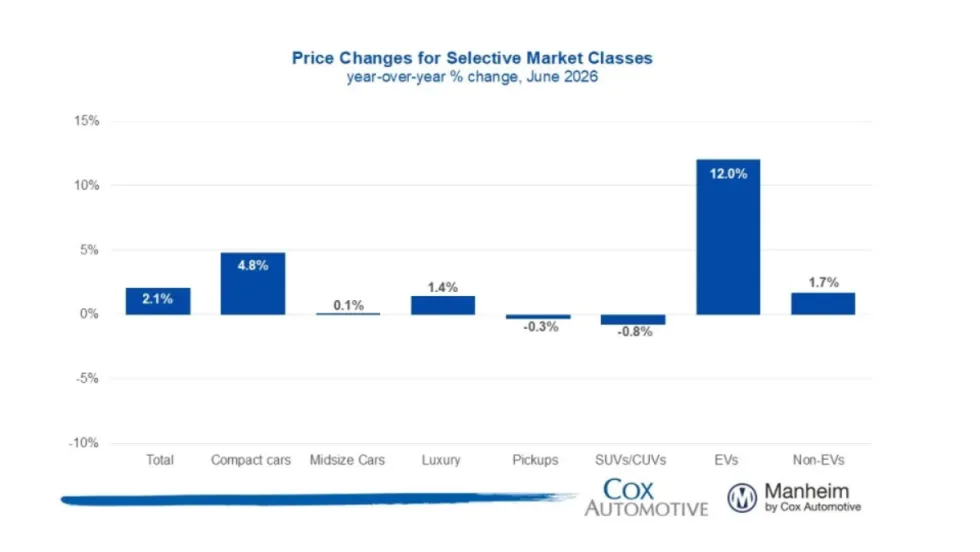
Manheim Index Shows Used-Vehicle Wholesale Prices Up 2.1% in June
The market is seeing stronger appreciation in older used vehicles this year, and the most affordable segments have been among the year’s best performers.
Read More →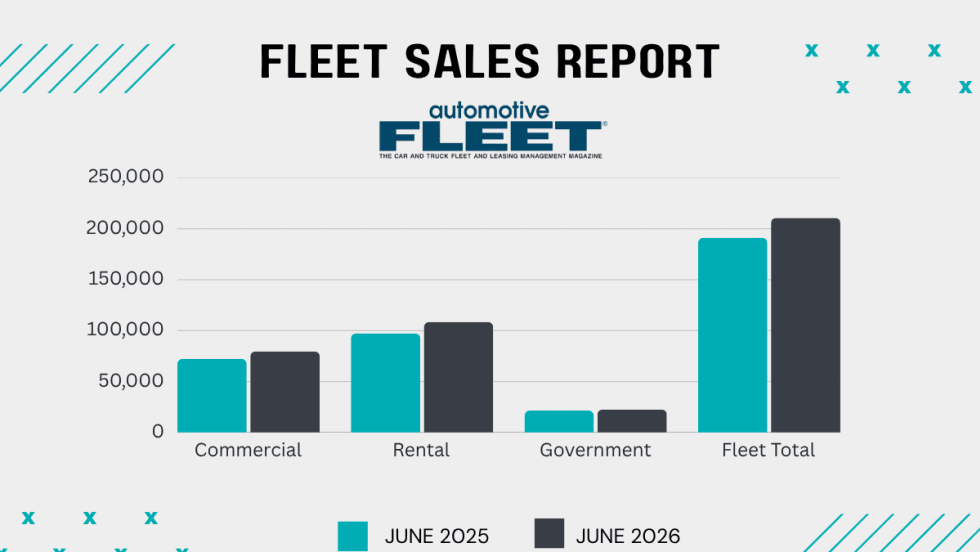
Commercial Fleet Sales Contribute To June, YTD Gains
The fleet sector has boosted its vehicle purchases at a reliable pace in the first half of this year compared with 1H 2025.
Read More →
Stop Remarketing Electric Vehicles Like Gas Cars
The advantages and attributes of electric vehicles are upending the traditional remarketing cycle, requiring fleet sellers to rely on new factors and approaches detailed below.
Read More →
AP Fleet Management Expands Remarketing Program for Commercial Work Trucks
AP Fleet Management expanded its commercial vehicle remarketing program with dedicated resale services and an online marketplace for used work trucks.
Read More →
Used EVs Strengthen Overall Electric Vehicle Market
The latest sales data point to several reasons for the divergent trends in new and used EVs that can factor into fleet cycling decisions.
Read More →
The Data-Driven Haul: 5 Ways AI is Leveling the Playing Field in Auto Transport
Large and small transport fleets are becoming more competitive as predictive analytics and real-time data inform the logistics decision chain.
Read More →