



Subprime Car Buyers to Feel Fed's Rate Hike, Analyst Says
For the second time in 10 years, the Federal Reserve's Federal Open Market Committee unanimously voted to raise the federal interest rate on Wednesday, Dec. 14, increasing it by a quarter of a point to a range of 0.50% to 0.75%.
For the second time in 10 years, the Federal Reserve's Federal Open Market Committee unanimously voted to raise the federal interest rate on Wednesday, Dec. 14, increasing it by a quarter of a point to a range of 0.50% to 0.75%.
Although most car buyers aren’t expected to feel the impact, there is a subset of consumers that will feel the brunt of the interest rate hike: subprime borrowers, said Anil Goyal, senior vice president of operations for Black Book.
“In the overall scheme of things, a quarter point is not going to increase the monthly payment as much, but it is just another addition to increasing costs in the system," he said. "So when dealers buy a car, they floorplan it. They have additional costs as the interest rates rise, and when the consumer buys it, they have more to pay in interest rates.".
Goyal said he expects prime and captive finance sources who support new-vehicle and certified pre-owned sales to buy down the slightly higher rates in order to continue offering zero percent financing. That means prime consumers who qualified for those offers will continue to do so in the coming year.
“The impact will be more on the subprime market, where they’re very sensitive to monthly payment. There’s not a lot of subvention in that market," he noted. "And with delinquencies rising and mortgage rates already rising, it becomes just another increase in the cost of living for that subprime customer."
The most interesting part of Wednesday’s interest rate hike is the timing, Goyal noted. The increase comes at a time when most finance sources are tightening their credit criteria, especially in the subprime market where delinquency rates are rising. Had this hike happened six months ago, when the credit market was still expanding, the effects would be minimal.
The good news is credit is widely available. However, if delinquencies continue to rise and the Fed raises interest rates at a faster pace next year, the auto finance industry may begin to see a drop in consumer demand.
Goyal doesn’t see that happening in the near term, however. He believes there is enough uncertainty in the economy that the Fed will raise rates in baby steps in the coming year. One thing to keep in mind, he added, is that any hike will impact all forms of credit, from credit cards to mortgages. That means the combined burgen of higher interest rates accross all consumer credit lines could limit how much money consumers can put toward a new-vehicle purchase.
“The fed's interest rate hike is not that much, but the environment as a whole is tightening for that subprime customer,” Goyal said.
Goyal , however, said there's a positive side to the Fed's decision. "We’ve been relying too much on monetary policy to keep our economy going, so this is a positive thing because we have to get back to normal interest rates,” he said.
In its announcement on Wednesday, the fed committee cited a stronger labor market, improving economic activity, a declining unemployment rate, and projected economic growth in the coming year as reasons for their decision to increase rates.
“In view of realized and expected labor market conditions and inflation, the committee decided to raise the target range for the federal funds rate to 1/2 to 3/4 percent,” wrote the committee in a statement. “The stance of monetary policy remains accommodative, thereby supporting some further strengthening in labor market conditions and a return to 2% inflation.”
The voting members of the committee were Chair Janet L. Yellen; Vice Chairman William C. Dudley; Lael Brainard; James Bullard; Staneley Fischer; Esther L. George; Loretta J. Mester; Jerome H. Powell; Eric Rosengren; and Daniel K. Tarullo.
The Fed committee is forecasting three interest rate hikes in 2017.
Editor's note: This news story first appeared on the website of F&I and Showroom, a sister publication.
More Operations

CAS Automotive Launches Remarketing Service for Damaged, Surplus Equipment
Damaged Equipment expands CAS Automotive’s vehicle remarketing model to commercial equipment, targeting fleet operators, insurers, equipment dealers, and rental companies.
Read More →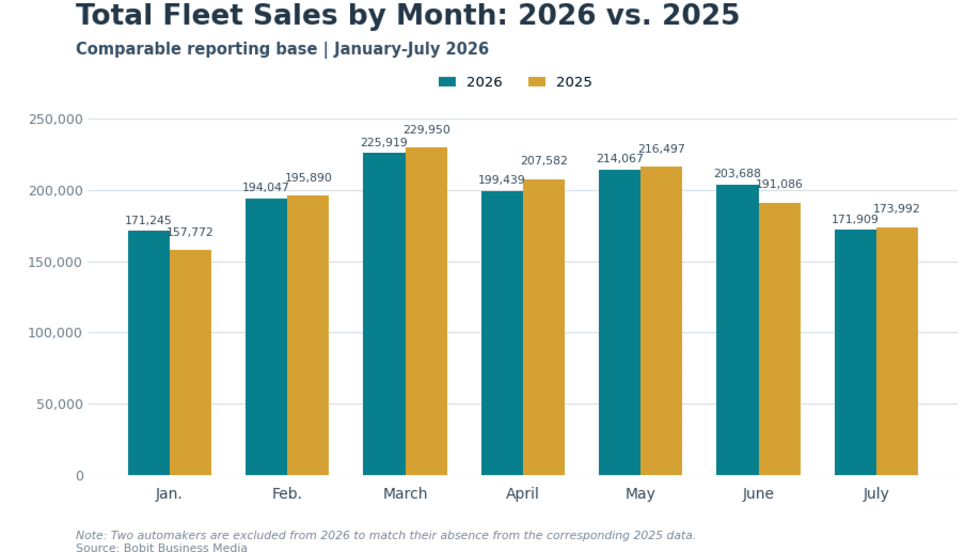
Fleet Sales Hold Steady as Commercial Gains Offset Rental Decline
Commercial and government fleet sales increased through July 2026, offsetting most of the decline in rental volume and leaving combined comparable fleet sales 0.5% above the same period last year.
Read More →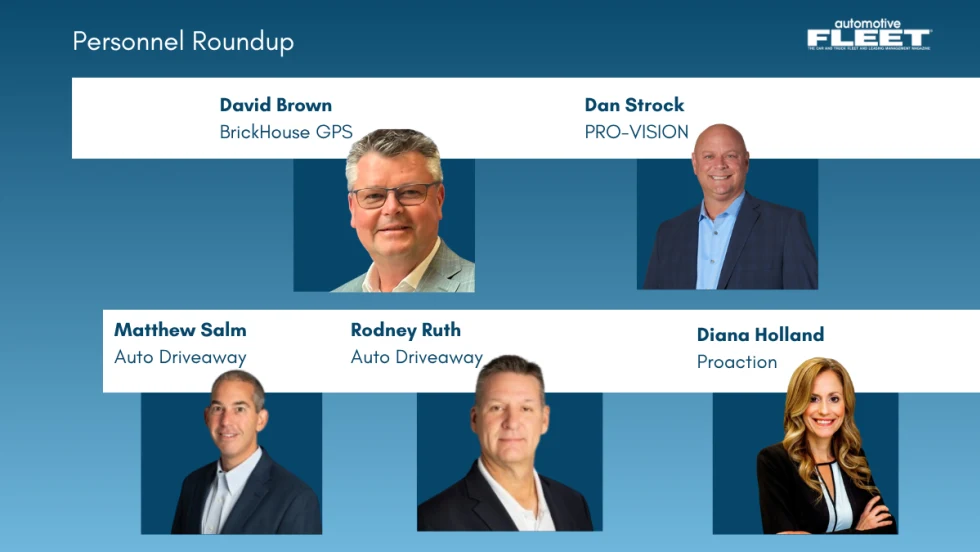
Personnel Update: BrickHouse GPS, PRO-VISION, Auto Driveaway, and Proaction
Check out the latest must-know fleet personnel updates from the last couple of months.
Read More →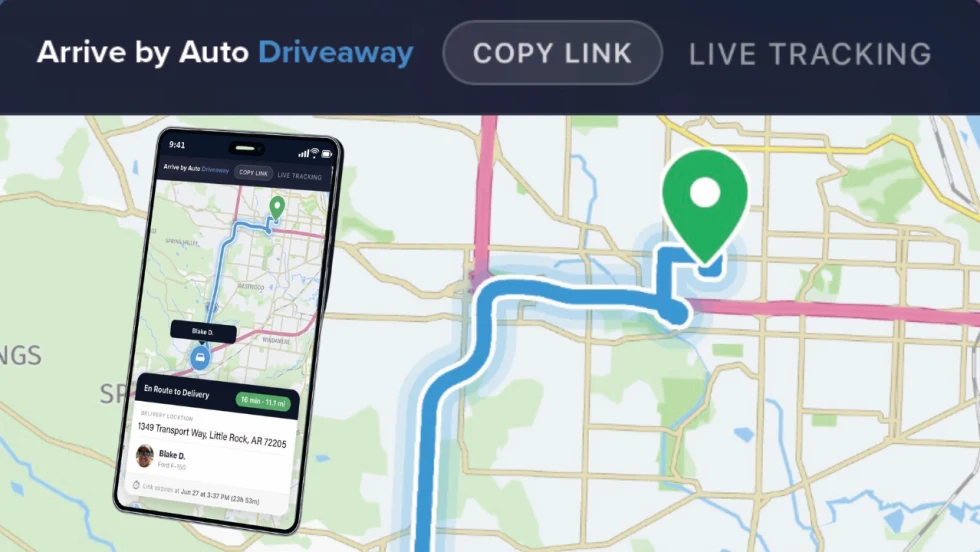
What Comes Next for Auto Driveaway?
A new Auto Driveaway feature called Arrive provides recipients with live location updates and ETAs during the final hour of a vehicle move, while fleet customers continue to have end-to-end shipment visibility through the company's customer portal.
Read More →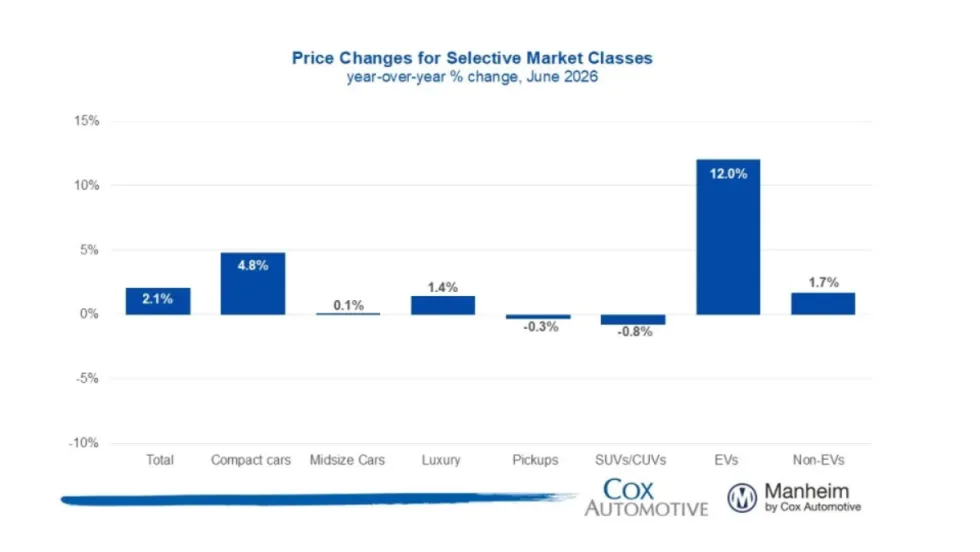
Manheim Index Shows Used-Vehicle Wholesale Prices Up 2.1% in June
The market is seeing stronger appreciation in older used vehicles this year, and the most affordable segments have been among the year’s best performers.
Read More →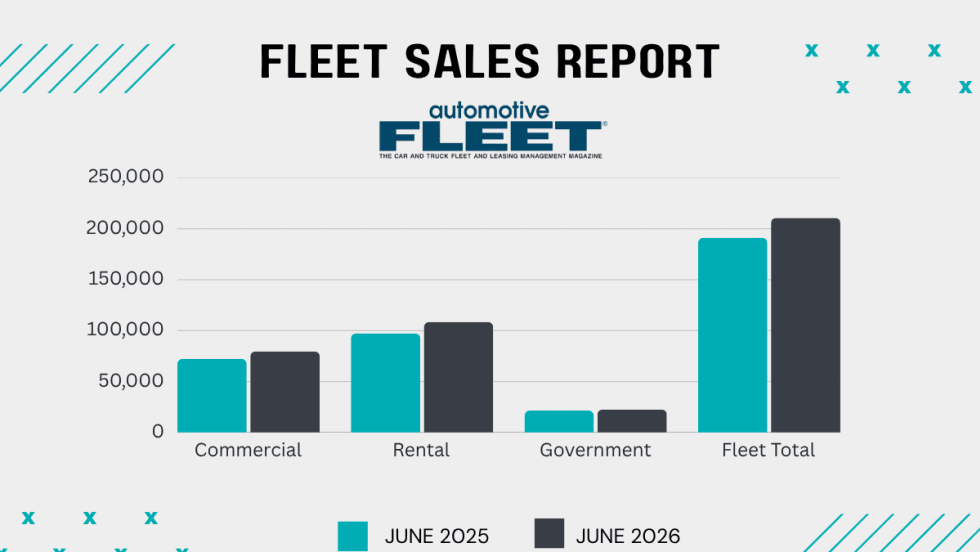
Commercial Fleet Sales Contribute To June, YTD Gains
The fleet sector has boosted its vehicle purchases at a reliable pace in the first half of this year compared with 1H 2025.
Read More →
Stop Remarketing Electric Vehicles Like Gas Cars
The advantages and attributes of electric vehicles are upending the traditional remarketing cycle, requiring fleet sellers to rely on new factors and approaches detailed below.
Read More →
AP Fleet Management Expands Remarketing Program for Commercial Work Trucks
AP Fleet Management expanded its commercial vehicle remarketing program with dedicated resale services and an online marketplace for used work trucks.
Read More →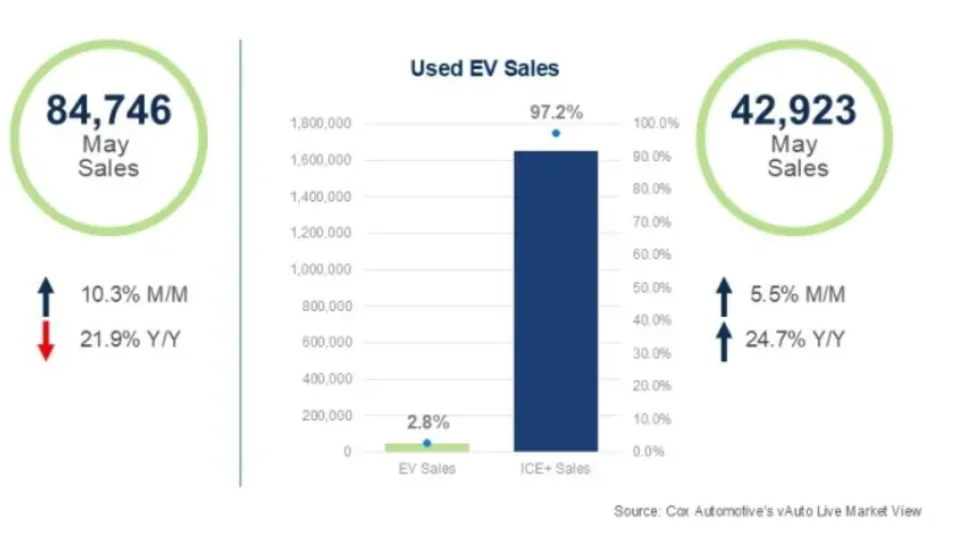
Used EVs Strengthen Overall Electric Vehicle Market
The latest sales data point to several reasons for the divergent trends in new and used EVs that can factor into fleet cycling decisions.
Read More →
The Data-Driven Haul: 5 Ways AI is Leveling the Playing Field in Auto Transport
Large and small transport fleets are becoming more competitive as predictive analytics and real-time data inform the logistics decision chain.
Read More →