


State Line Auto Auction: 20 Years Online
On October 12, 1995, at State Line Auto Auction, in Waverly, N.Y., the first vehicles ever offered both “live” and “electronically” were processed at a General Motors closed auction.
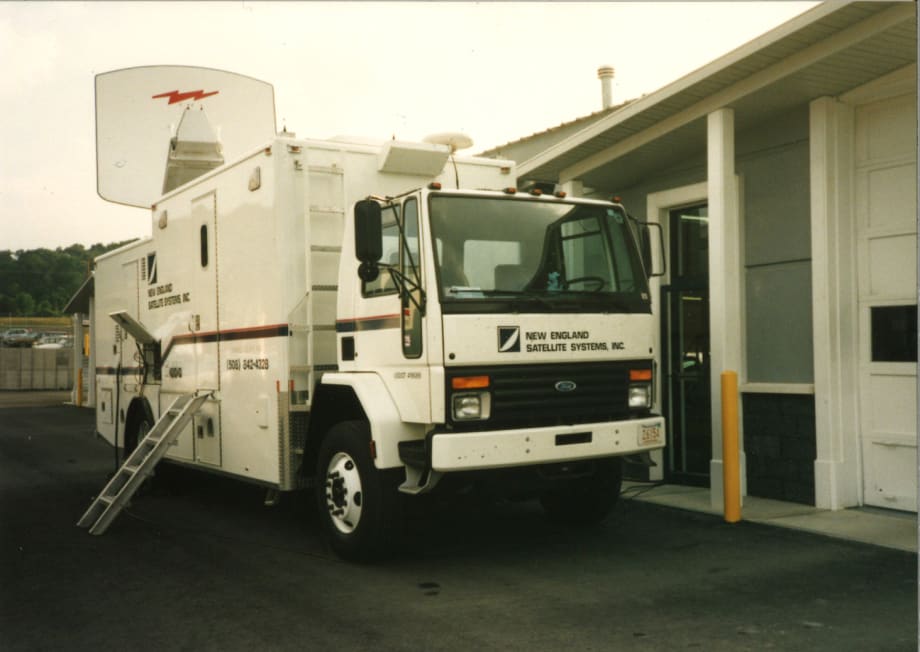
The Satellite trucks set up in Waverly, N.Y. that day had come from the U.S. Open Tennis Tournament which had been played recently in the borough of Queens, New York City. The team from the Campus Group literally transformed offices at State Line Auto Auction into a broadcast center. (Photo: ServNet).
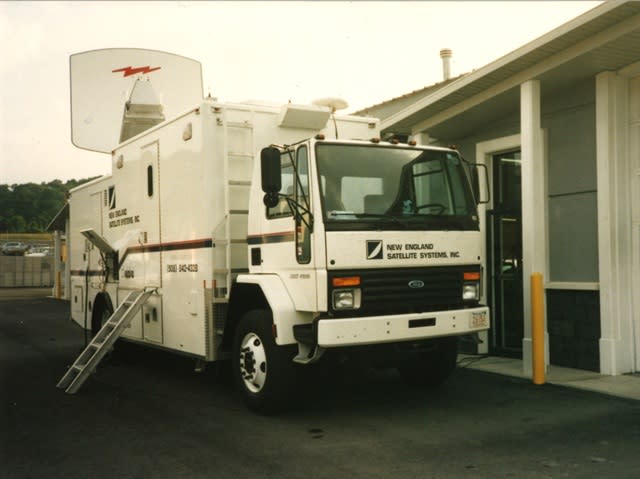
The Satellite trucks set up in Waverly, N.Y. that day had come from the U.S. Open Tennis Tournament which had been played recently in the borough of Queens, New York City. The team from the Campus Group literally transformed offices at State Line Auto Auction into a broadcast center. (Photo: ServNet).
On October 12, 1995, at State Line Auto Auction, in Waverly, N.Y., the first vehicles ever offered both “live” and “electronically” were processed at a General Motors closed auction.
That day, 400 vehicles were offered, and 400 were sold, with 125 bidders were in attendance on the floor and 15 bidders chose to stay at their respective dealerships and bid “remotely."
Forty-five cars were purchased “electronically” by these remote bidders. At the time, everyone at State Line realized that they were involved in a historical event, and looking back twenty years later, the story is one that should be of interest to the auto auction industry.
The catalyst for this event took place at a ServNet meeting a few months prior, when Harry Beyer, ServNet’s executive director at the time, introduced Steve Campus to the ServNet group. Campus was the CEO of the Campus Group, and he had developed technology that he felt was applicable to the auction industry. Campus had developed a device that allowed conference attendees to “vote” electronically with the capability of tabulating and recording these “votes” from many remote locations simultaneously.
Campus' client at the time was a large pharmaceutical company that ascertained the need to have physicians use this technology in “real time” so that different thoughts from groups of physicians at disparate medical conferences could let their opinions be known instantaneously. The Campus Group utilized satellite technology which was available at that time from the “rooftops” of convention hotels.
Campus' entrepreneurial spirit led him to think that this technology could be utilized in the auto auction environment. After approaching a few OEM manufacturers, and even a couple of auto auction chains, to no avail, he learned of ServNet, and Beyer allowed him to present his technology to the group. Jeff Barber, State Line’s owner, volunteered to “give it a try,” if, of course, he could raise some interest.
State Line had procured a contract from General Motors as a “GM Sponsored Auction” in the fall of 1989, with the first auction conducted in March of 1990. In 1995, Mr. Ford Sims was the Director of Remarketing for GM, and after learning of the concept from Beyer and Barber, he gave his permission to go ahead.
A fortunate fact was the availability of satellite dishes at General Motors dealerships for the use of their respective parts departments. With most GM dealers already having a “dish” on their “rooftop”, State Line’s sales and marketing team set out on a mission to gain permission for “remote bidding” using the existing equipment.
Hence, a “partnership” was struck between Campus and Barber to provide the means by which General Motors could conduct a closed auction for their dealers allowing the dealers to bid remotely at the same time the live auction was being conducted…..which was unheard of in 1995.
There was this thing called “the Internet,” but popular opinion from the parties involved deemed that the Internet was “too slow”….it could never keep up with the fast bidding required.
Therefore, the basic technology consisted of live video streaming by way of satellite, with the audio portion of the auction being transmitted through a “phone bridge” which was located in Kansas……Hence, no “Internet.”
EDS (Ross Perot’s Company) was in charge of all satellite technology for GM. On sale day, October 12, 1995, it so happened that GM had to “buy back” the satellite time slot between 10 AM and 2 PM from the Chrysler Corporation, to which it had previously been sold.
The Satellite trucks set up in Waverly, N.Y. that day had come from the U.S. Open Tennis Tournament which had been played recently in the borough of Queens, New York City. The team from the Campus Group literally transformed offices at State Line Auto Auction into a broadcast center.
In July and August of 1995 State Line had conducted a couple “dry runs” to test the technology without having any actual “real” bidding. The first “live” event on October 12th was quite remarkable in that many bids were recorded and 45 cars were SOLD to remote bidders. The first actual vehicle ever sold to a remote bidder in conjunction with a live auction was car #8 that day, and it was sold to Farnsworth Chevrolet of Canandaigua, NY, to George Marble, their Used Car Manager. Farnsworth bought 8 cars remotely, and another dealership, Bob Johnson Chevrolet, bought 12. Of the fifteen dealers signed on remotely, only two failed to buy at least one vehicle.
The interest regarding this “experiment” reached all the way to the GM boardroom, as it was rumored that a few members of the board of directors were observing this new technology as it was being utilized. Although General Motors had plans to have a complete roll-out of this technology in the first quarter of 1996, the landscape changed abruptly when there was a personnel re-alignment within the remarketing department just weeks after the successful debut.
Both The Campus Group and State Line Auto Auction have gone on to succeed in their respective business arenas since that October day in 1995. History was made due to their innovation and expertise, and the auction industry has now totally embraced “Simulcast bidding”.
More Operations
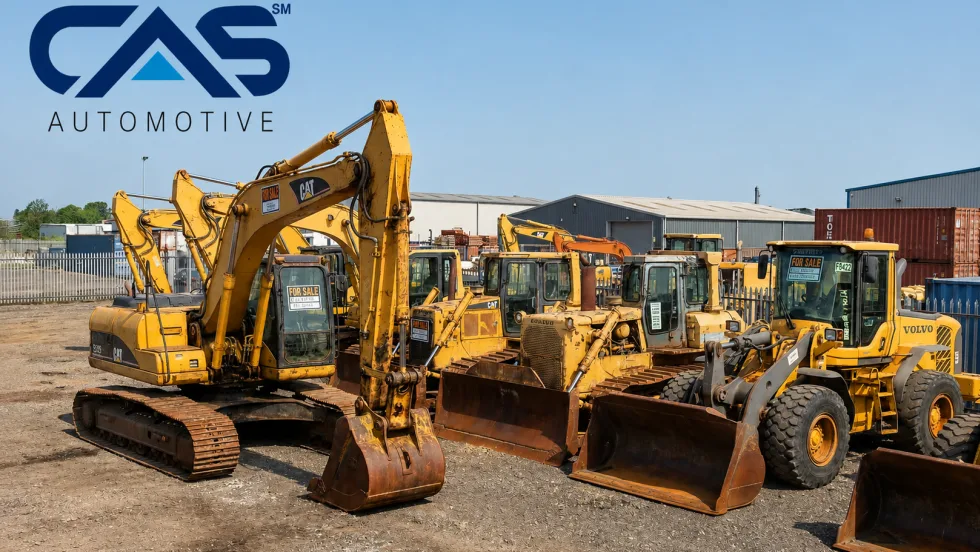
CAS Automotive Launches Remarketing Service for Damaged, Surplus Equipment
Damaged Equipment expands CAS Automotive’s vehicle remarketing model to commercial equipment, targeting fleet operators, insurers, equipment dealers, and rental companies.
Read More →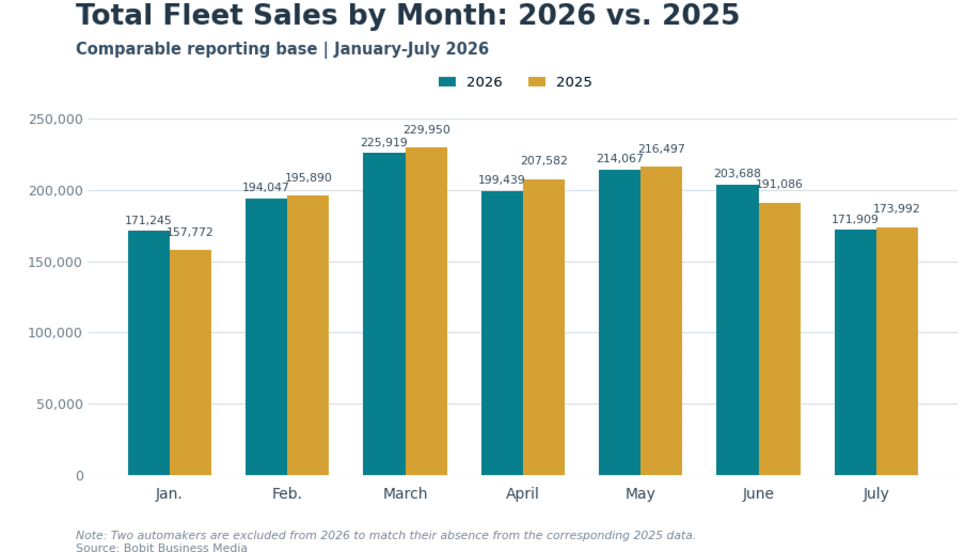
Fleet Sales Hold Steady as Commercial Gains Offset Rental Decline
Commercial and government fleet sales increased through July 2026, offsetting most of the decline in rental volume and leaving combined comparable fleet sales 0.5% above the same period last year.
Read More →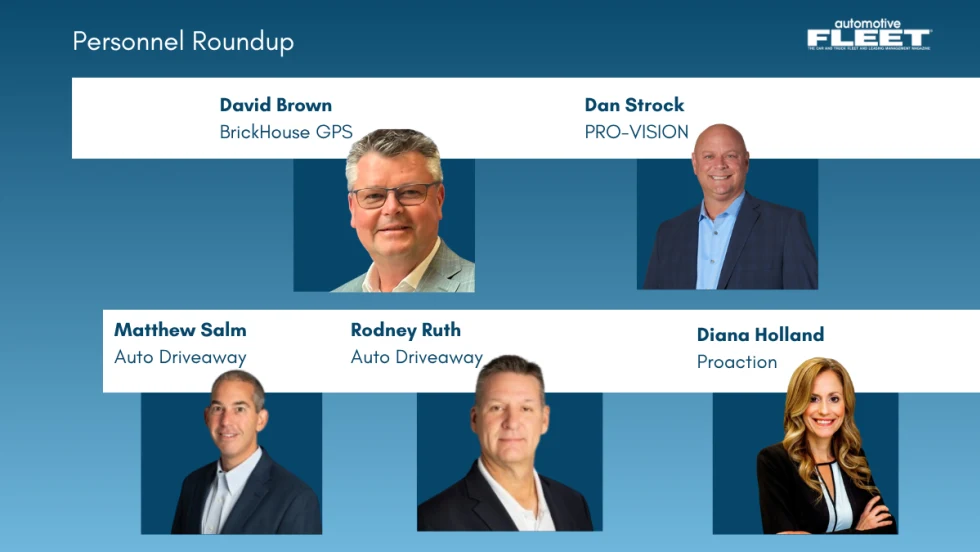
Personnel Update: BrickHouse GPS, PRO-VISION, Auto Driveaway, and Proaction
Check out the latest must-know fleet personnel updates from the last couple of months.
Read More →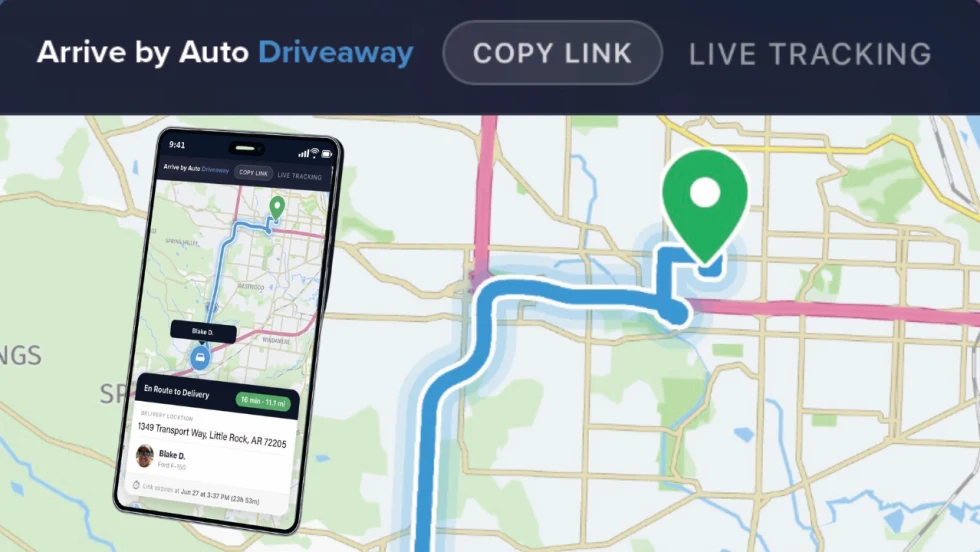
What Comes Next for Auto Driveaway?
A new Auto Driveaway feature called Arrive provides recipients with live location updates and ETAs during the final hour of a vehicle move, while fleet customers continue to have end-to-end shipment visibility through the company's customer portal.
Read More →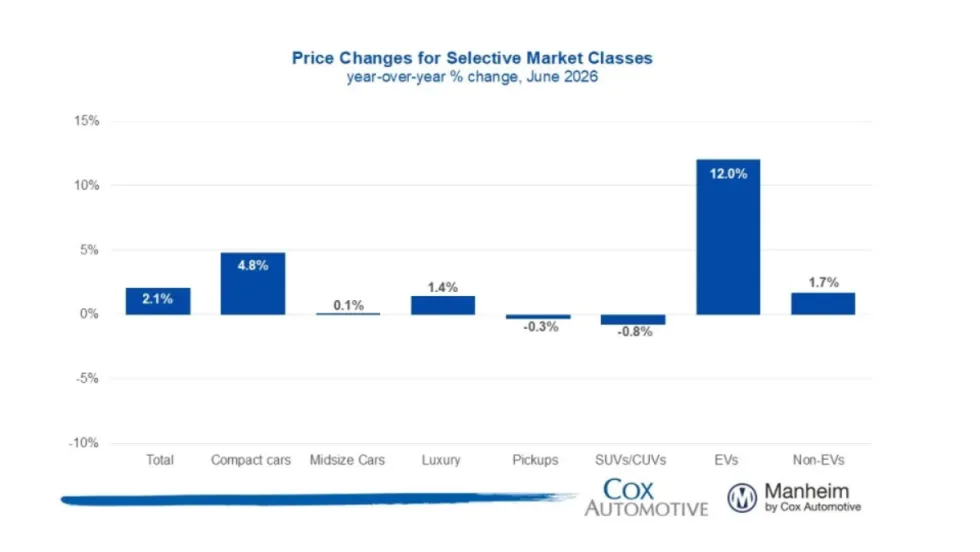
Manheim Index Shows Used-Vehicle Wholesale Prices Up 2.1% in June
The market is seeing stronger appreciation in older used vehicles this year, and the most affordable segments have been among the year’s best performers.
Read More →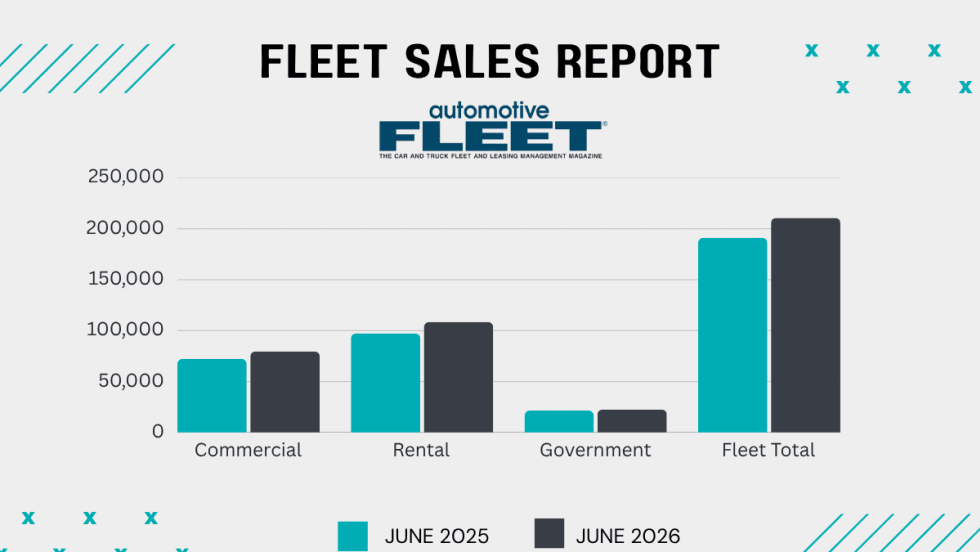
Commercial Fleet Sales Contribute To June, YTD Gains
The fleet sector has boosted its vehicle purchases at a reliable pace in the first half of this year compared with 1H 2025.
Read More →
Stop Remarketing Electric Vehicles Like Gas Cars
The advantages and attributes of electric vehicles are upending the traditional remarketing cycle, requiring fleet sellers to rely on new factors and approaches detailed below.
Read More →
AP Fleet Management Expands Remarketing Program for Commercial Work Trucks
AP Fleet Management expanded its commercial vehicle remarketing program with dedicated resale services and an online marketplace for used work trucks.
Read More →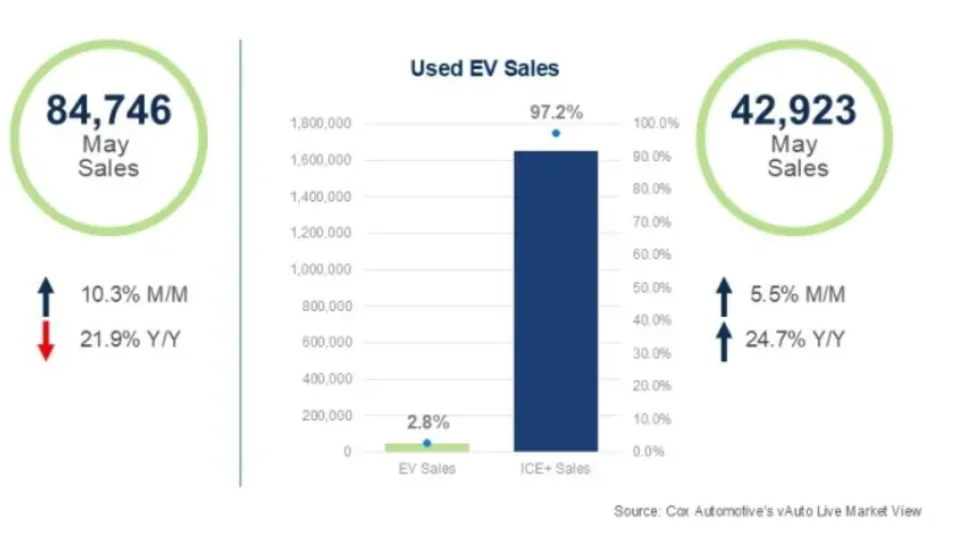
Used EVs Strengthen Overall Electric Vehicle Market
The latest sales data point to several reasons for the divergent trends in new and used EVs that can factor into fleet cycling decisions.
Read More →
The Data-Driven Haul: 5 Ways AI is Leveling the Playing Field in Auto Transport
Large and small transport fleets are becoming more competitive as predictive analytics and real-time data inform the logistics decision chain.
Read More →