



Related: J.D. Power Names SVP of Global Automotive Operations
Record Incentive Spending Keeps April Sales on Pace
April retail sales are expected to reach 1.17 million thanks to record incentive spending. However, average days to turn continues to rise, with nearly 30% of vehicles sold so far in 2017 having sat on dealer lots more than 90 days.
by Staff
April 26, 2017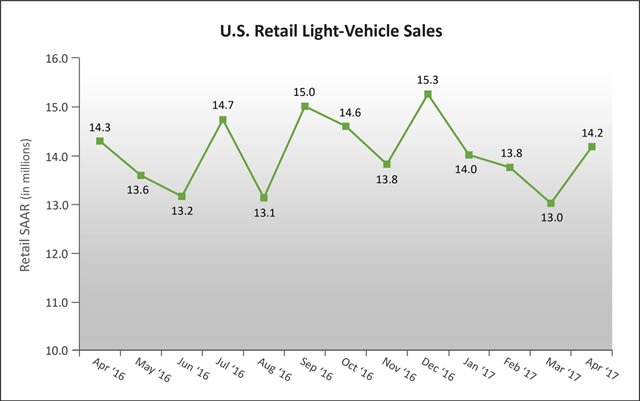
Power Information Network® (PIN) from J.D. Power
3 min to read
Power Information Network® (PIN) from J.D. Power
New-vehicle retail sales are expected to remain on pace with last year, but incentive spending is at record levels through April, according to a forecast developed jointly by J.D. Power and LMC Automotive.
April retail sales are expected to reach 1,169,700 units, a 1.3% increase compared to a year ago on a selling day adjusted basis. Year to date, retail sales in 2017 are up 0.3% compared to the same period a year ago.
“While industry retail sales pace remains high, it is being powered by elevated levels of incentive spending which pose a serious threat to the long-term health of the industry,” said Deirdre Borrego, senior vice president of automotive data and analytics at J.D. Power. “The total value of incentives used to sell new vehicles has increased by $1.9 billion through the first four months of the year.”
Total incentive spending in the marketplace stands at $16.4 billion through April, up 13% from last year. On a per-unit basis, spending for the average new vehicle through April was $3,814, up $460 from a year ago, according to the two firms. On trucks and SUVs, spending was $3,740 per unit, up $578. On cars, spending was $3,938 per unit, up $308.
Despite record incentive levels, average days to turn continues to rise. Nearly 30% of vehicles sold in 2017 sat on dealer lots for more than 90 days, up from 27% last year. “With flat retail demand and inventory at record levels, manufacturers will continue to face a difficult choice between maintaining elevated incentives or making production cuts,” Borrego said.
The average new-vehicle retail transaction price through April reached a record $31,380, surpassing the previous monthly high of $31,228 set in April 2016, according to the firms. Average incentive spending per unit through April 16 is $3,499, a record for the month and surpassing the previous high of $3,393 set in April 2009.
Additionally, trucks account for 61.8% of new-vehicle retail sales so far in April — the highest level ever for the month of April and the 10th consecutive month above 60%.
The firms also noted that days to turn reached 70 in the first 13 days of April, the highest level for any month since July 2009 (80), according to the firms.
Fleet sales are expected to total 306,400 units in April, up 3.8% from April 2016 on a selling day adjusted basis. Fleet volume is expected to account for 20.8% of total light-vehicle sales, a slight increase from 20.4% in April 2016.
“Retail auto sales are performing as expected but non-retail sales have been slightly lower, which is the primary reason for total sales being down 1.4% year to date. But this is no time to hit the panic button,” said Jeff Schuster, senior vice president of forecasting at LMC Automotive. “There’s a lot of runway left in the year and many variables. Economic and policy factors remain important in setting direction for the auto sector in the near term, however, given the year-to-date performance, risk assessment is looking at internal factors like used-car pricing, lease penetration and the interplay between vehicle inventory and incentives.”
As the outlook for 2017 is realigned based on current factors, LMC is reducing its forecast by 40,000 units to 17.5 million total light-vehicle sales in 2017. That’s a decline of 0.1% from 2016. The forecast for retail light-vehicle sales remains at 14.2 million units, representing 0.2% increase from 2016.
Editor's Note: This story originally appeared on F&I and Showroom, another Bobit Publication.
More Operations
CAS Automotive Launches Remarketing Service for Damaged, Surplus Equipment
Damaged Equipment expands CAS Automotive’s vehicle remarketing model to commercial equipment, targeting fleet operators, insurers, equipment dealers, and rental companies.
Read More →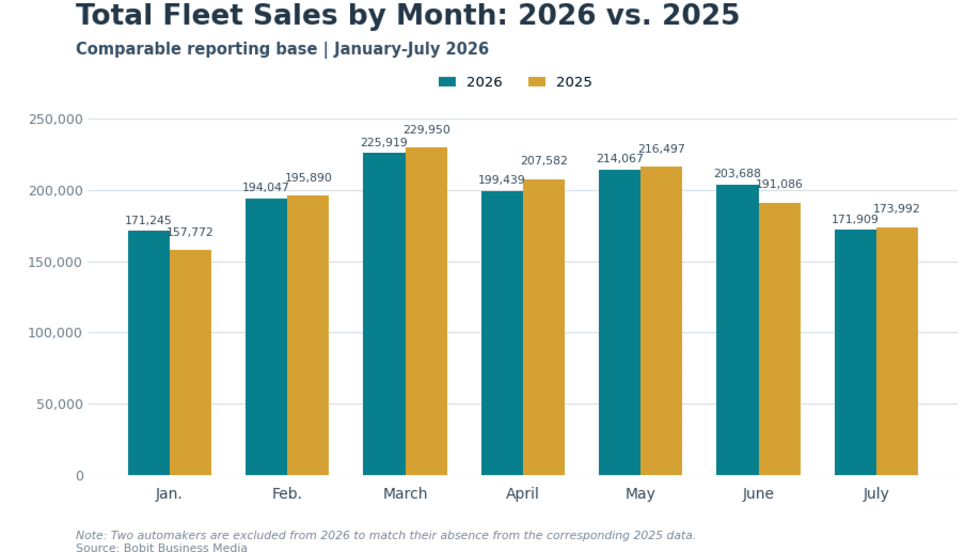
Fleet Sales Hold Steady as Commercial Gains Offset Rental Decline
Commercial and government fleet sales increased through July 2026, offsetting most of the decline in rental volume and leaving combined comparable fleet sales 0.5% above the same period last year.
Read More →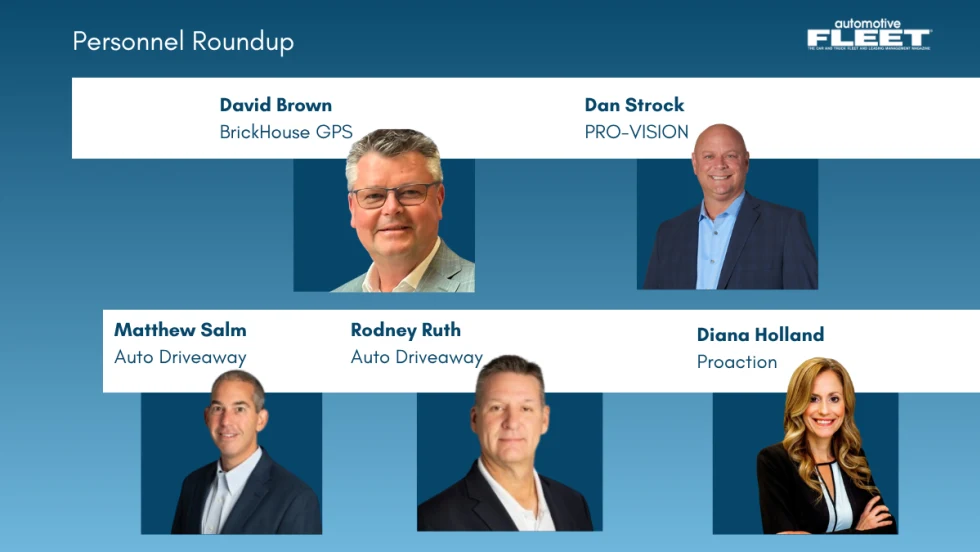
Personnel Update: BrickHouse GPS, PRO-VISION, Auto Driveaway, and Proaction
Check out the latest must-know fleet personnel updates from the last couple of months.
Read More →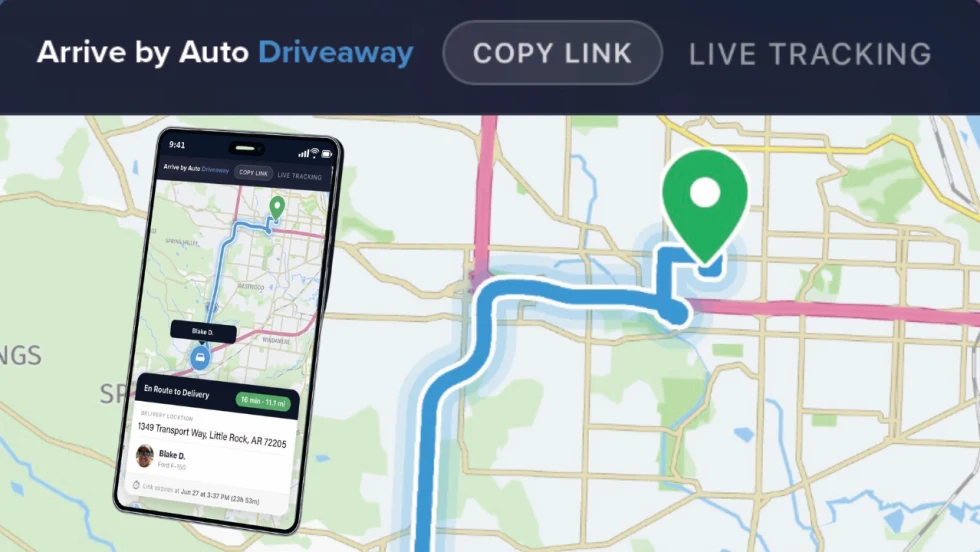
What Comes Next for Auto Driveaway?
A new Auto Driveaway feature called Arrive provides recipients with live location updates and ETAs during the final hour of a vehicle move, while fleet customers continue to have end-to-end shipment visibility through the company's customer portal.
Read More →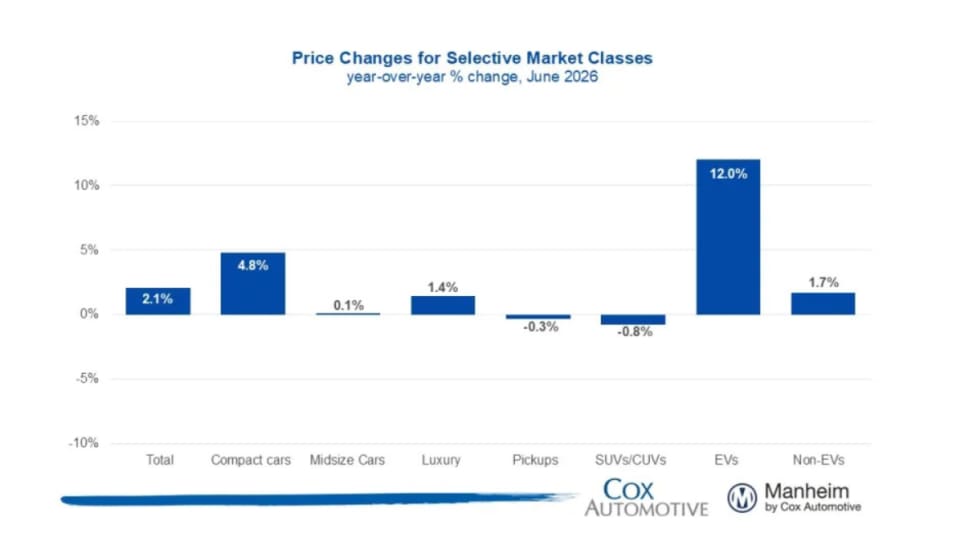
Manheim Index Shows Used-Vehicle Wholesale Prices Up 2.1% in June
The market is seeing stronger appreciation in older used vehicles this year, and the most affordable segments have been among the year’s best performers.
Read More →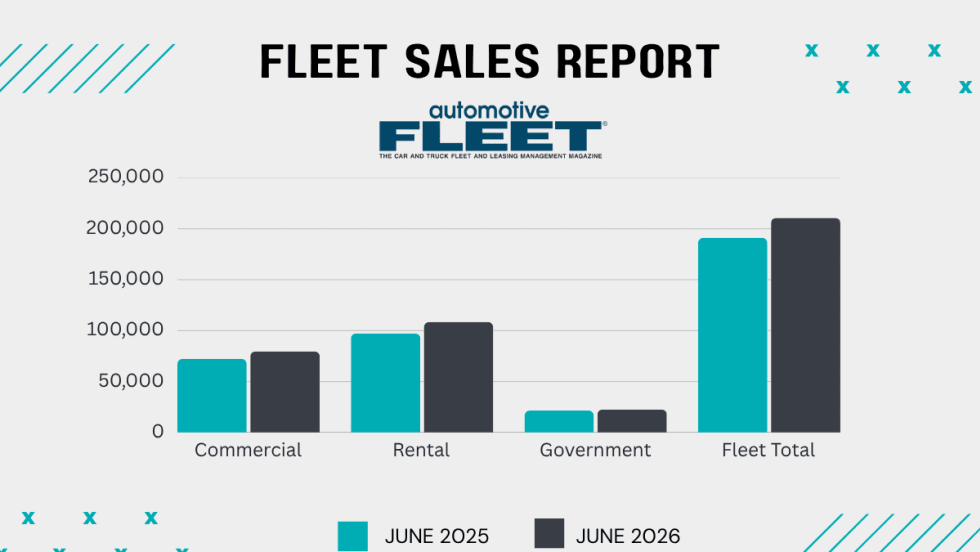
Commercial Fleet Sales Contribute To June, YTD Gains
The fleet sector has boosted its vehicle purchases at a reliable pace in the first half of this year compared with 1H 2025.
Read More →
Stop Remarketing Electric Vehicles Like Gas Cars
The advantages and attributes of electric vehicles are upending the traditional remarketing cycle, requiring fleet sellers to rely on new factors and approaches detailed below.
Read More →
AP Fleet Management Expands Remarketing Program for Commercial Work Trucks
AP Fleet Management expanded its commercial vehicle remarketing program with dedicated resale services and an online marketplace for used work trucks.
Read More →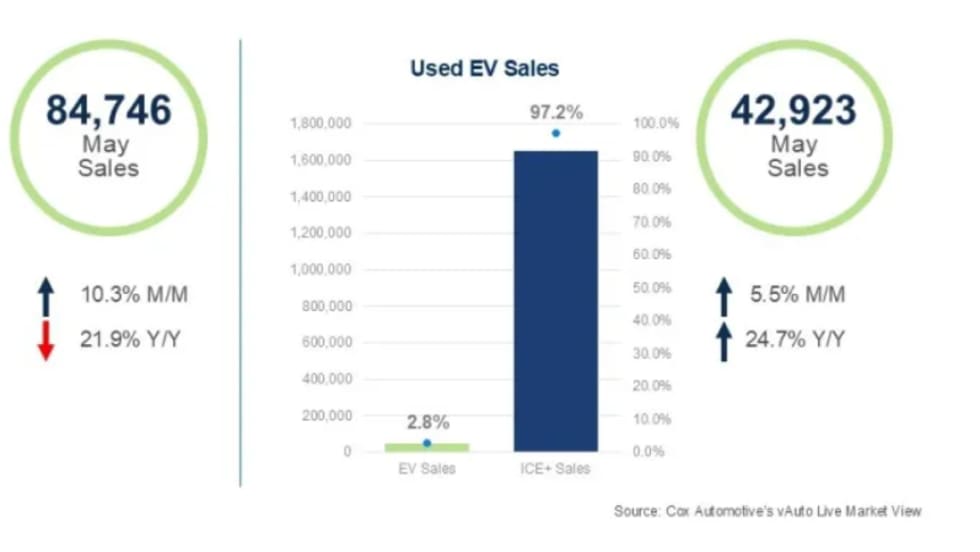
Used EVs Strengthen Overall Electric Vehicle Market
The latest sales data point to several reasons for the divergent trends in new and used EVs that can factor into fleet cycling decisions.
Read More →
The Data-Driven Haul: 5 Ways AI is Leveling the Playing Field in Auto Transport
Large and small transport fleets are becoming more competitive as predictive analytics and real-time data inform the logistics decision chain.
Read More →