



Q2, Q3 EV Sales Reflect Shifting Market
Electric vehicle sales dipped in the second quarter, despite record incentives and a growing model lineup. The market braces for a federal tax credit phase-out that could skew sales trends.

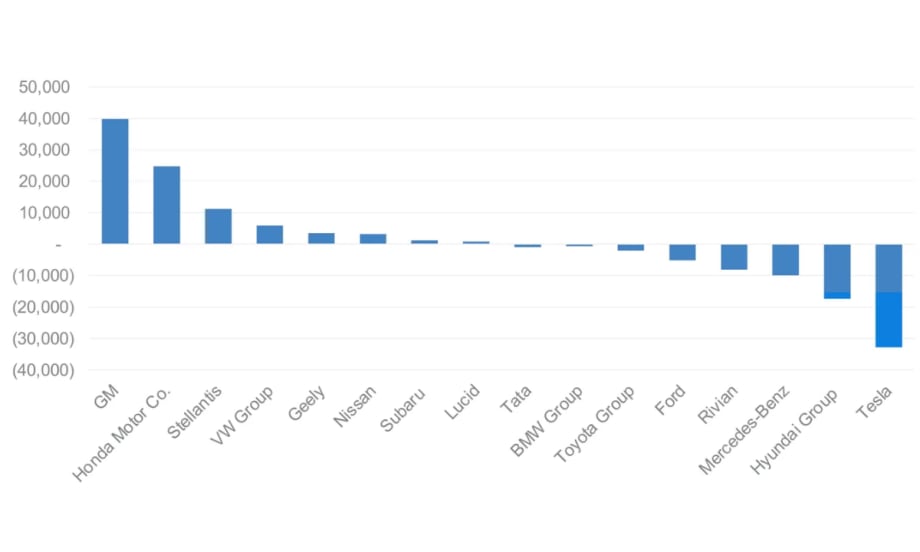
New data shows a second-quarter dip in U.S. EV sales, even as General Motors gains market share and used EV demand hits new highs.
Photo: Cox Automotive
Sales of new electric vehicles (EVs) in the second quarter of 2025 were down 6.3% year over year, in line with the Cox Automotive forecast, according to the latest report from the Kelley Blue Book team.
A total of 310,839 new EVs were sold in the U.S., compared to 331,853 during the same period a year earlier. Sales in Q2 were 4.9% higher than in Q1, and total EV sales through the first half of 2025 reached a record 607,089, representing a 1.5% year-over-year increase.
“Lower EV sales last quarter highlight ongoing challenges in the market, as growth in the auto business fluctuates with consumer demand,” said Stephanie Valdez Streaty, senior analyst at Cox Automotive, in a July 14 news release. “The year-over-year decline in Q2 was only the third on record and reflects a more mature market. The increase from Q1 may indicate a rush ahead of the federal incentive phase-out. With government-backed incentives set to end in September and economic pressures growing, the second half of the year will be a key test of EV demand. Q3 could be a record, followed by a likely decline in Q4, as the EV market adjusts to changing conditions.”
EV sales in Q2 declined year over year despite steady inventory, the introduction of more than a dozen new models, and high sales incentives. In June, average EV incentives reached an all-time high of 14.8% of average transaction price (ATP), nearly $8,500. Incentives for the quarter overall exceeded 10% of ATP.
GM Gains Ground as Tesla Loses Share
In the U.S. EV market, General Motors and Tesla were the two largest players in the first half of 2025. General Motors, the largest automaker in the U.S., has started delivering more EVs across its Cadillac, Chevrolet, and GMC brands. GM sold more than 78,000 EVs in the first half of 2025, more than twice its total from the same period in 2024. Chevrolet became the No. 2 best-selling EV brand in the U.S. by midyear, passing Ford and Hyundai. GM’s share of total EV sales rose to 12.9%, placing the company behind only Tesla.
While GM gained more than six percentage points of share, Tesla lost a similar amount. Tesla’s sales dropped more than 12% year over year in Q2, following a nearly 9% decline in Q1. Its share of total U.S. auto sales is now 3.4%, and its share of the EV market has fallen to 44.7% in 2025. The competitive EV market continues to weigh on the automaker.
Loss Of Federal Incentives Could Reshape Market
At the start of Q3, changes to federal incentives reshaped the EV landscape. The tax credit of up to $7,500 for qualifying new EV purchases will expire on Oct. 1. The “leasing loophole,” which had expanded eligibility, is also ending. Additionally, funding for EV infrastructure improvements has been reduced.
Used EV Market Accelerates
Retail used EV sales in the U.S. exceeded 100,000 vehicles in Q2, a new high, and growth is increasing. While incentives on used EVs have also ended, Cox Automotive research suggests only about one-third of used EVs qualified for incentives in the first place. With new EV incentives ending and availability growing, the used EV segment may expand in the months ahead.
Cox Automotive still projects growth in new EV sales, but at a slower pace. The company has revised its forecast for 2025, lowering the expected market share for new EVs from 10% to 8.5%. Total EV sales volume is expected to remain flat year over year.
Meanwhile, global EV growth continues. In China, more than 3 million EVs were sold in the first half of 2025, and exports increased.
Originally posted on Charged Fleet
More Operations

CAS Automotive Launches Remarketing Service for Damaged, Surplus Equipment
Damaged Equipment expands CAS Automotive’s vehicle remarketing model to commercial equipment, targeting fleet operators, insurers, equipment dealers, and rental companies.
Read More →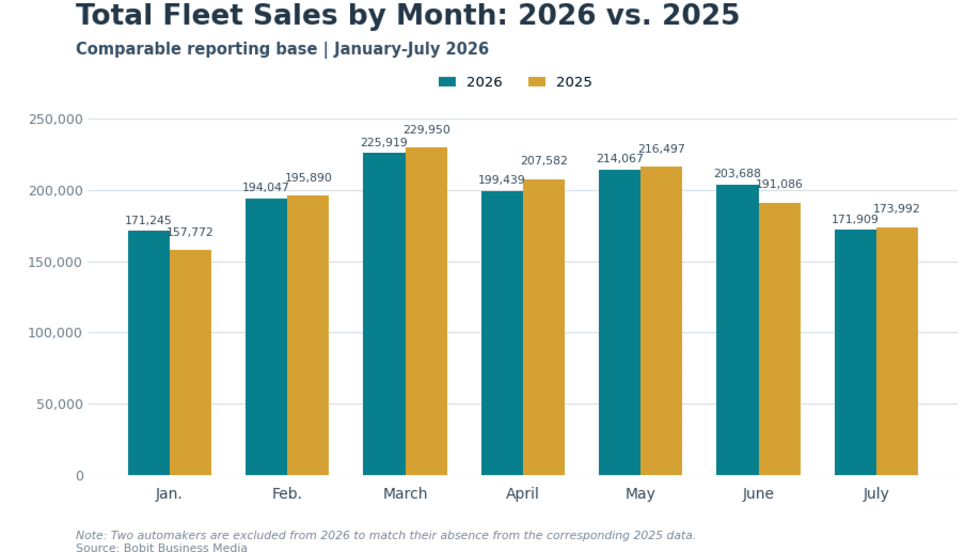
Fleet Sales Hold Steady as Commercial Gains Offset Rental Decline
Commercial and government fleet sales increased through July 2026, offsetting most of the decline in rental volume and leaving combined comparable fleet sales 0.5% above the same period last year.
Read More →
Personnel Update: BrickHouse GPS, PRO-VISION, Auto Driveaway, and Proaction
Check out the latest must-know fleet personnel updates from the last couple of months.
Read More →
What Comes Next for Auto Driveaway?
A new Auto Driveaway feature called Arrive provides recipients with live location updates and ETAs during the final hour of a vehicle move, while fleet customers continue to have end-to-end shipment visibility through the company's customer portal.
Read More →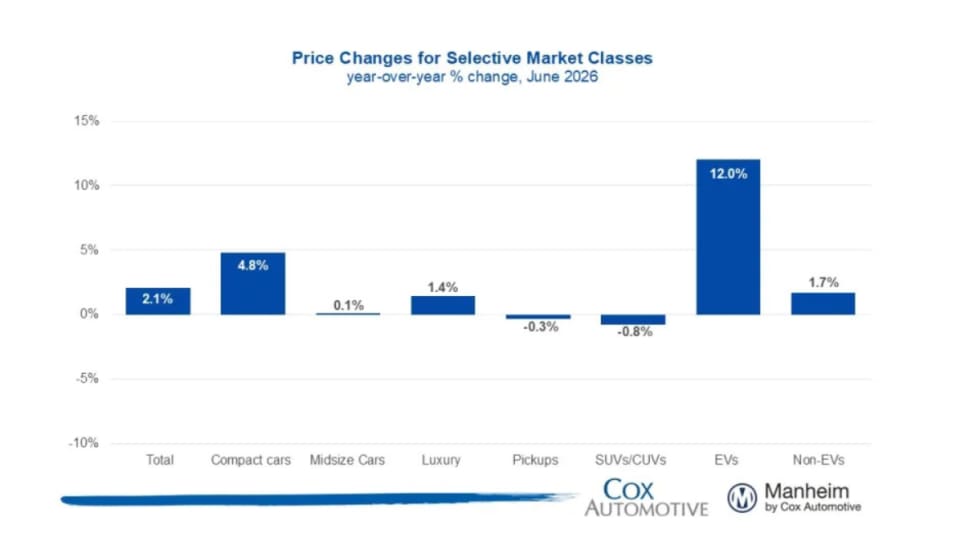
Manheim Index Shows Used-Vehicle Wholesale Prices Up 2.1% in June
The market is seeing stronger appreciation in older used vehicles this year, and the most affordable segments have been among the year’s best performers.
Read More →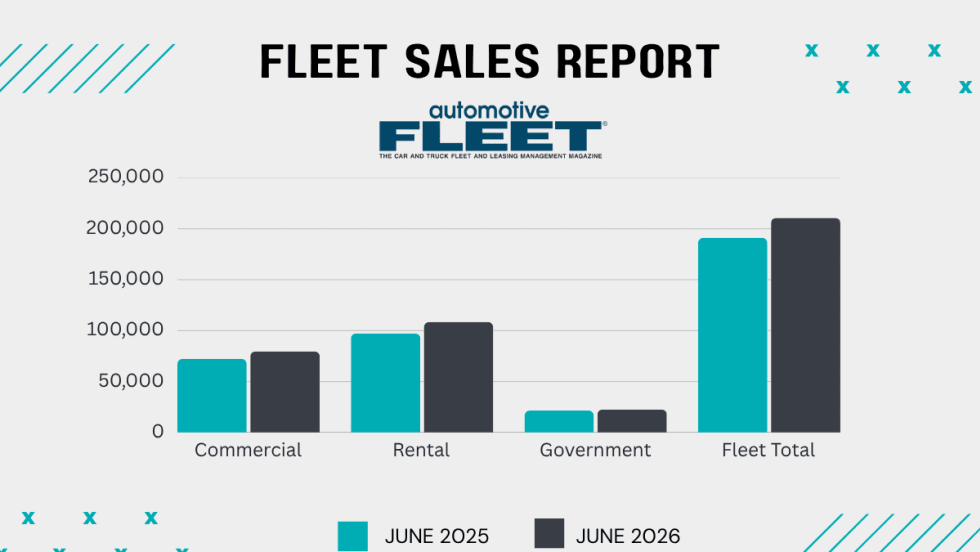
Commercial Fleet Sales Contribute To June, YTD Gains
The fleet sector has boosted its vehicle purchases at a reliable pace in the first half of this year compared with 1H 2025.
Read More →
Stop Remarketing Electric Vehicles Like Gas Cars
The advantages and attributes of electric vehicles are upending the traditional remarketing cycle, requiring fleet sellers to rely on new factors and approaches detailed below.
Read More →
AP Fleet Management Expands Remarketing Program for Commercial Work Trucks
AP Fleet Management expanded its commercial vehicle remarketing program with dedicated resale services and an online marketplace for used work trucks.
Read More →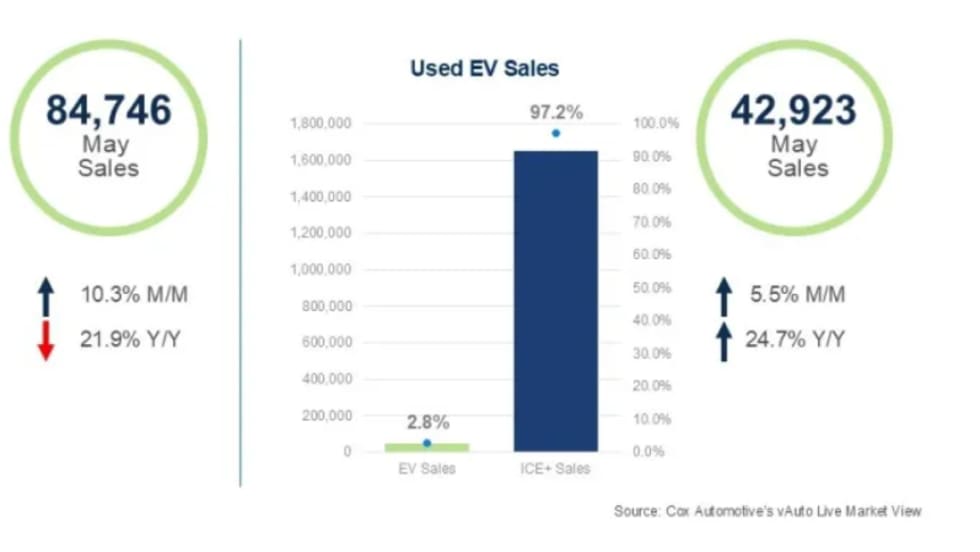
Used EVs Strengthen Overall Electric Vehicle Market
The latest sales data point to several reasons for the divergent trends in new and used EVs that can factor into fleet cycling decisions.
Read More →
The Data-Driven Haul: 5 Ways AI is Leveling the Playing Field in Auto Transport
Large and small transport fleets are becoming more competitive as predictive analytics and real-time data inform the logistics decision chain.
Read More →