



Related: New Vehicle Transaction Prices Rise 1.6% in December
New Vehicle Sales Fall for First Time in Seven Years
The auto industry sold 17.2 million new vehicles in 2017, 1.8% less than in 2016, breaking a seven-year streak of year-over-year sales growth, according to data from Motor Intelligence.
by Staff
January 5, 2018
Photo by Eric Gandarilla.
2 min to read

Photo by Eric Gandarilla.
The auto industry sold 17.2 million new vehicles in 2017, 1.8% less than in 2016, breaking a seven-year streak of year-over-year sales growth, according to data from Motor Intelligence.
Of the 17.2 million vehicles sold, roughly 10.9 million were trucks while 6.3 million were cars. As has been the case for the last several years, the market share of trucks versus cars continued to lean in trucks’ favor.
In 2017, trucks accounted for 63.4% of new vehicle sales while cars accounted for 36.6%; in 2016 the split was 59.4% trucks and 40.6% cars.
Although vehicle sales were boosted in the months surrounding Hurricanes Harvey and Irma, much of 2017 lagged in terms of sales versus the same period in 2016. Sales in the last month of 2017 were particularly weak. Out of all of the manufacturers that sell in the U.S. only six — Subaru, Daimler AG, BMW, Hyundai, Mitsubishi, and Ford — saw year-over-year sales growth in December.
Looking at full-year 2017, the only domestic brand to see higher full-year sales last year compared to 2016 was Tesla Motors. All other brands to see higher year-over-year sales were imports — Honda, Nissan, Volkswagen, Mitsubishi, Subaru, Jaguar Land Rover, Porsche, Ferrari, and Maserati.
The volume sold by these companies, however, was significantly less than the volume sold by the companies that saw a fall in sales in 2017, resulting in the 1.8% year-over-year drop for full-year sales.
More Used Vehicle Values

When Should a Fleet Repair Vehicle Damage Before Remarketing?
Not every dent, scratch, or mechanical issue is worth fixing before selling a fleet vehicle. Learn how to weigh repair costs, resale value, market demand, and downtime to determine when reconditioning pays off and when selling as-is makes more sense.
Read More →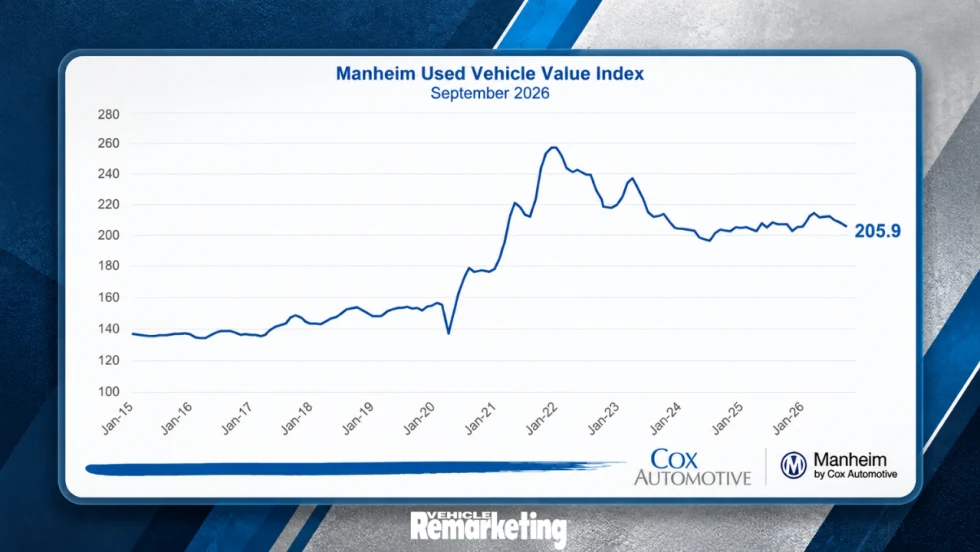
Wholesale Used-Vehicle Values Fall as Cox Automotive Cuts 2026 Forecast
Wholesale used-vehicle prices declined in September as depreciation accelerated, prompting Cox Automotive to lower its year-end forecast.
Read More →
Ford Pro Launches Certified Pre-Owned Program for Commercial Vehicles
Ford Pro Advantage will offer certified pre-owned Class 1-7 commercial vehicles through more than 700 Ford Pro Commercial Vehicle Centers.
Read More →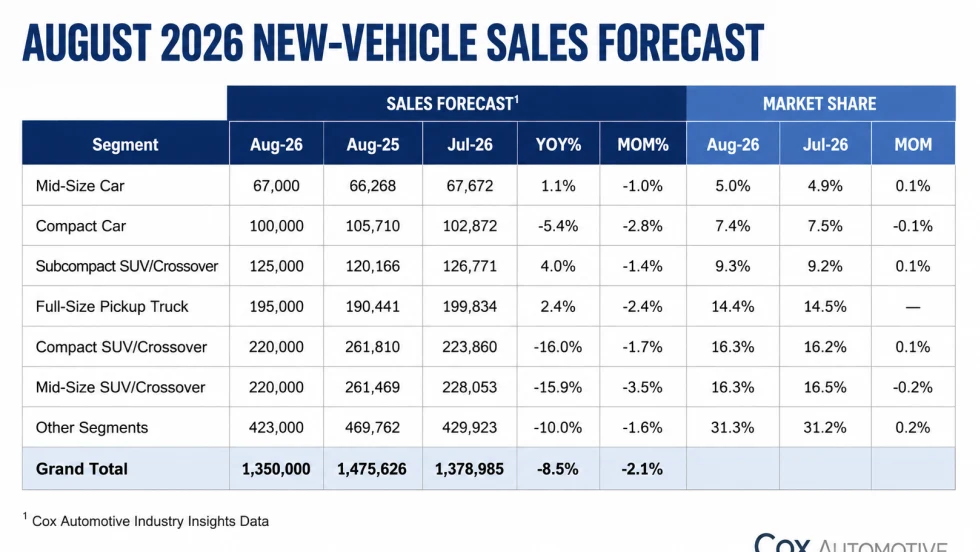
August New-Vehicle Sales Pace Forecast to Hold Above 16 Million
Despite an expected 8.5% year-over-year decline in August volume, Cox Automotive forecasts a 16.3 million SAAR, with full-size pickups outperforming several major crossover segments.
Read More →
Trade Strategy Now Starts Long Before Turn-In
The strongest trade values aren't built at turn-in. Discover how maintenance, lifecycle planning, and shared risk protect truck resale value.
Read More →
What Happens When Residual Values Meet Real-World Markets
A truck's trade value isn't determined on turn-in day. Learn how market cycles, maintenance, and timing shape the gap between residuals and reality.
Read More →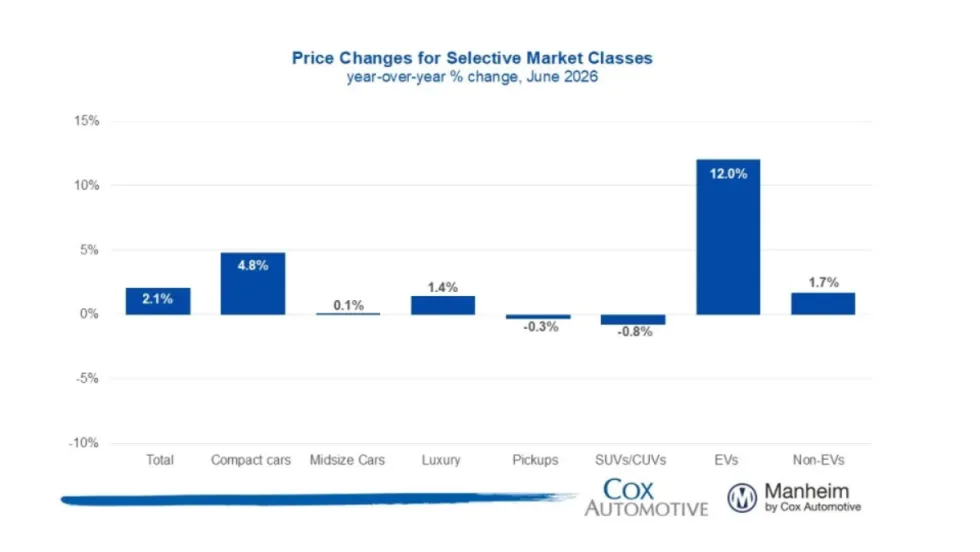
Manheim Index Shows Used-Vehicle Wholesale Prices Up 2.1% in June
The market is seeing stronger appreciation in older used vehicles this year, and the most affordable segments have been among the year’s best performers.
Read More →
Stop Remarketing Electric Vehicles Like Gas Cars
The advantages and attributes of electric vehicles are upending the traditional remarketing cycle, requiring fleet sellers to rely on new factors and approaches detailed below.
Read More →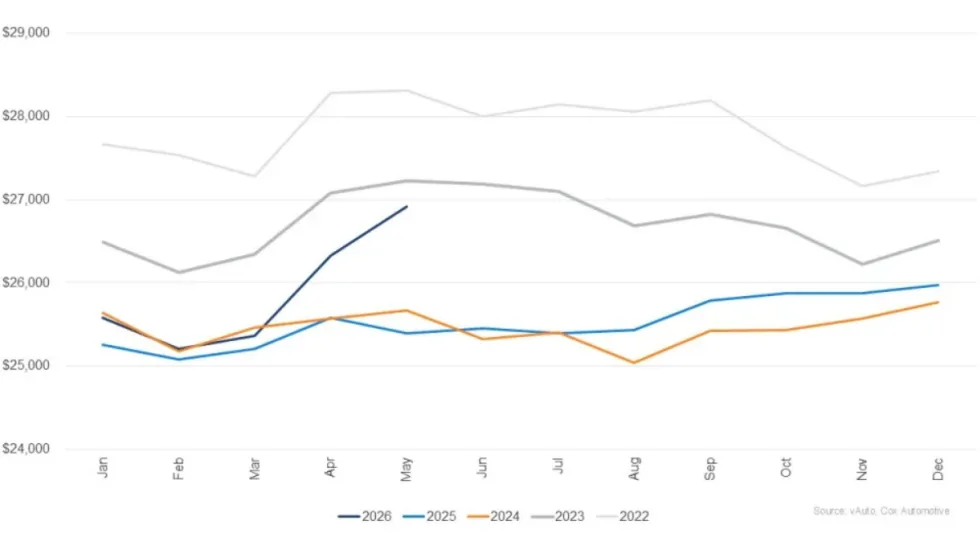
Used Vehicle Prices Climb Higher As Sales Pace Slows
The higher prices at used retail reflect strong wholesale values earlier in the spring, particularly for older, more affordable vehicles.
Read More →
Wholesale Used Vehicle Market Sustains Moderate Rise In Values, Prices
Trends continue to normalize after a strong start to the year, as consumers contend with higher gas prices in the coming summer months.
Read More →