



Related: Post-Hurricane Sales Boon Expected to Continue in October
New-Vehicle Sales Expected to Fall 2% in October
New-vehicle sales are expected to decline 2% year-over-year to 1.34 million units in October, resulting in an estimated 17.9 million seasonally adjusted annual rate (SAAR), according to Kelley Blue Book (KBB).
by Staff
October 30, 2017
3 min to read
New-vehicle sales are expected to decline 2% year-over-year to 1.34 million units in October, resulting in an estimated 17.9 million seasonally adjusted annual rate (SAAR), according to Kelley Blue Book (KBB).
Despite the expected decline, the firm said October looks relatively strong, as evidenced by the nearly 18 million SAAR, which is up from 17.8 million from a year ago and down from September's 18.5 million SAAR. But much of that strength rests on replacement demand in hurricane-impacted states and higher incentives, which have reached 11% of average transaction prices despite production cuts this year.
“Sales blew past expectations in September toward an 18.5 million SAAR pace, and we expect October to keep up some of that momentum,” said Kelley Blue Book analyst Tim Fleming. “Some of the strength can be attributed to replacement demand that continues in Texas and Florida, but perhaps more importantly, higher incentive spend is playing a role. This is an indicator that new-vehicle demand is still contracting, and production cuts could be on the horizon to prevent oversupplies.”
October’s expected sales total would put sale down 1.9% from a year ago and 11.8% from September. Retail sales are expected to account for 82.7% of volume in October 2017, down from 83% in October 2016.
As for the firm’s full-year prediction, KBB said it expects sales in the range of 16.9 million and 17.2 million units, which would represent a 1% to 3% decline from last year.
As for manufacturers, KBB expects them to report mixed sales day results, with Volkswagen likely to report significant growth in October with a projected 12% increase. The automaker's all-new Atlas and redesigned Tiguan are supposed to account for most of the brand’s growth, with the new SUV models helping Volkswagen transition its volume award from a lineup that has been traditionally dominated by cars.
Expected to report the largest year-over-year decline is Fiat Chrysler; Kelley Blue Book predicting the automaker will report an 11% sale decrease. While part of the drop is due to fleet and rental reductions, retail sales also look to be down — despite SUVs still being in high demand. The firm expects SUV sales for the automaker to be down nearly 10%, although the company’s redesigned Jeep Compass is expected to register a strong month.
As for what’s popular, compact SUVs are expected to be the top-selling segment this month, according to KBB, topping 18% of the market and growing nearly 10% year over year. The segment’s leader, the Toyota RAV4, will likely have it streak of 40,000-plus monthly sales broken, the firm said. The compact SUV, however, is still expected to report significant gains.
The firm also expects the Nissan Rogue to report its biggest month of all, with sales expected to increase 60% from a year ago. The Chevrolet Equinox is also expected to have another solid month of growth — KBB predicting sales growth in the 20% range from October 2016.
In contrast, the mid-size car category is expected to drop again, marking 20 consecutive months of declines for the segment. The category has lost market share for five straight months, although KBB expects the new generations of the Toyota Camry and Honda Accord, which are now reaching dealerships, to generate some buzz with consumers.
“However, without a major spike in gas prices, mid-size and small cars, in general, will continue to lose out to SUVs for the foreseeable future,” the firm noted, adding that there was one less selling day this October compared to a year ago.
More Operations

CAS Automotive Launches Remarketing Service for Damaged, Surplus Equipment
Damaged Equipment expands CAS Automotive’s vehicle remarketing model to commercial equipment, targeting fleet operators, insurers, equipment dealers, and rental companies.
Read More →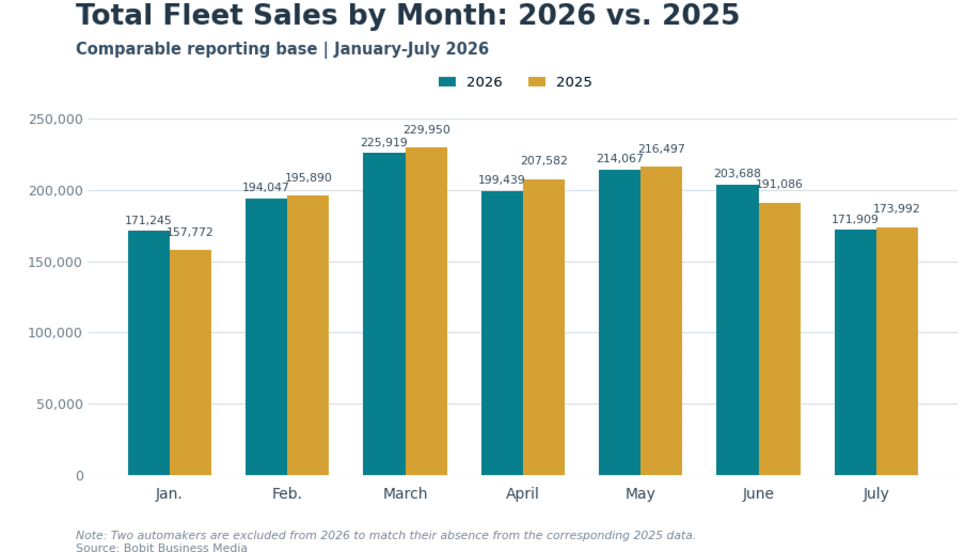
Fleet Sales Hold Steady as Commercial Gains Offset Rental Decline
Commercial and government fleet sales increased through July 2026, offsetting most of the decline in rental volume and leaving combined comparable fleet sales 0.5% above the same period last year.
Read More →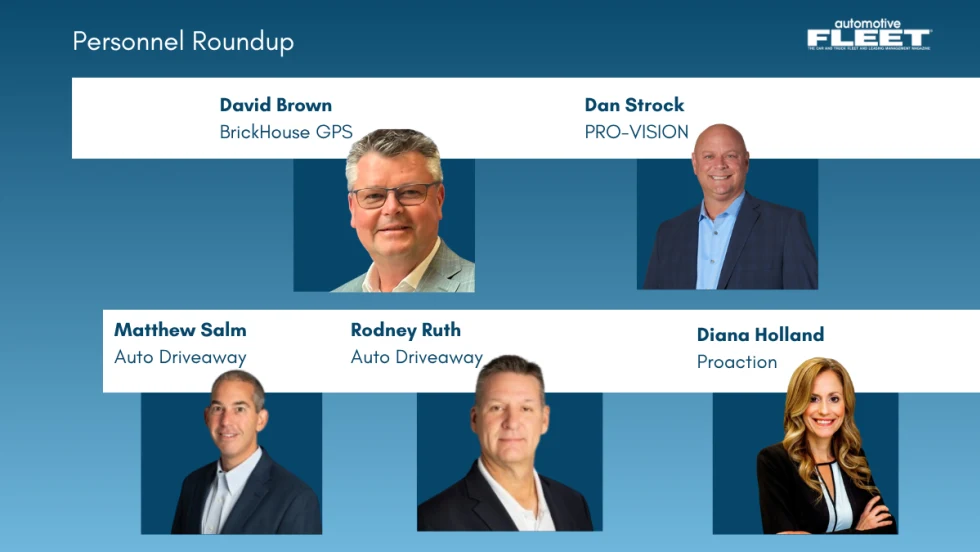
Personnel Update: BrickHouse GPS, PRO-VISION, Auto Driveaway, and Proaction
Check out the latest must-know fleet personnel updates from the last couple of months.
Read More →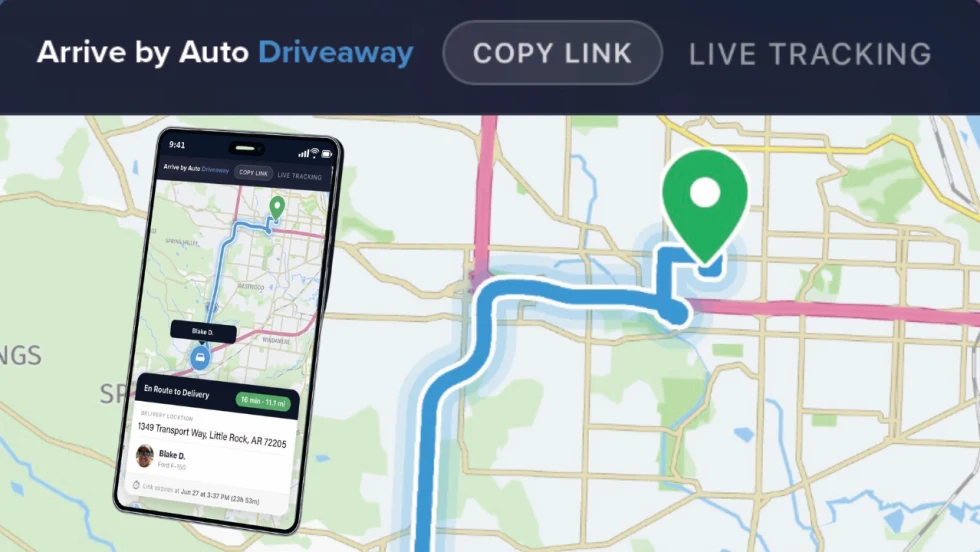
What Comes Next for Auto Driveaway?
A new Auto Driveaway feature called Arrive provides recipients with live location updates and ETAs during the final hour of a vehicle move, while fleet customers continue to have end-to-end shipment visibility through the company's customer portal.
Read More →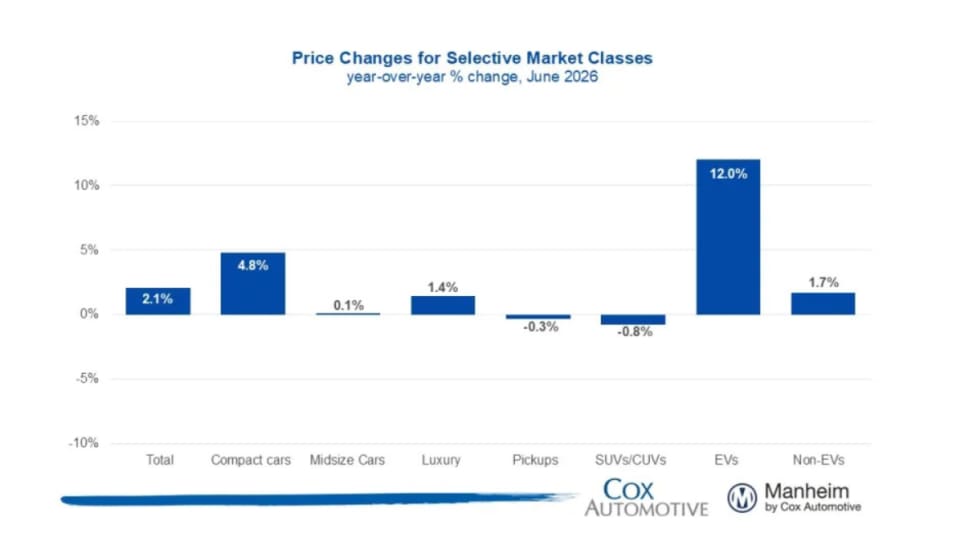
Manheim Index Shows Used-Vehicle Wholesale Prices Up 2.1% in June
The market is seeing stronger appreciation in older used vehicles this year, and the most affordable segments have been among the year’s best performers.
Read More →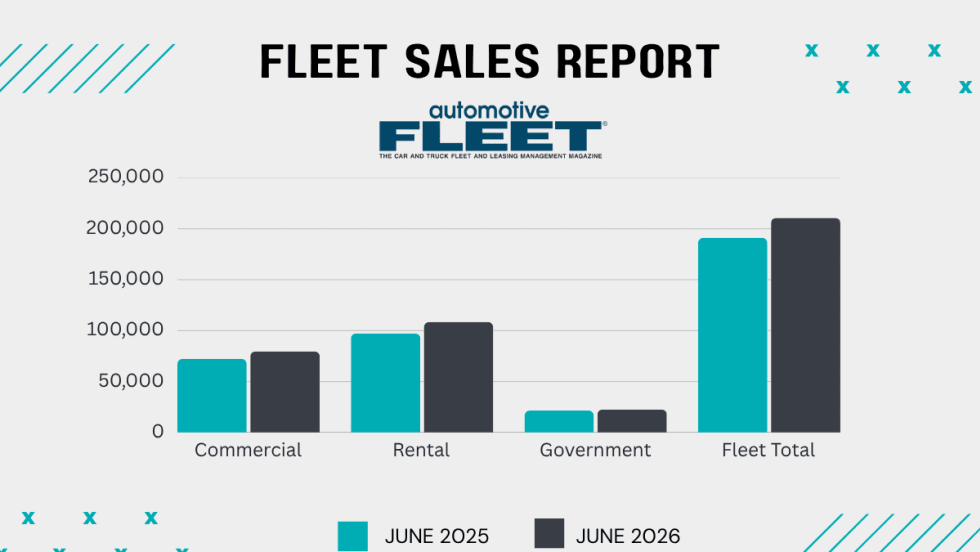
Commercial Fleet Sales Contribute To June, YTD Gains
The fleet sector has boosted its vehicle purchases at a reliable pace in the first half of this year compared with 1H 2025.
Read More →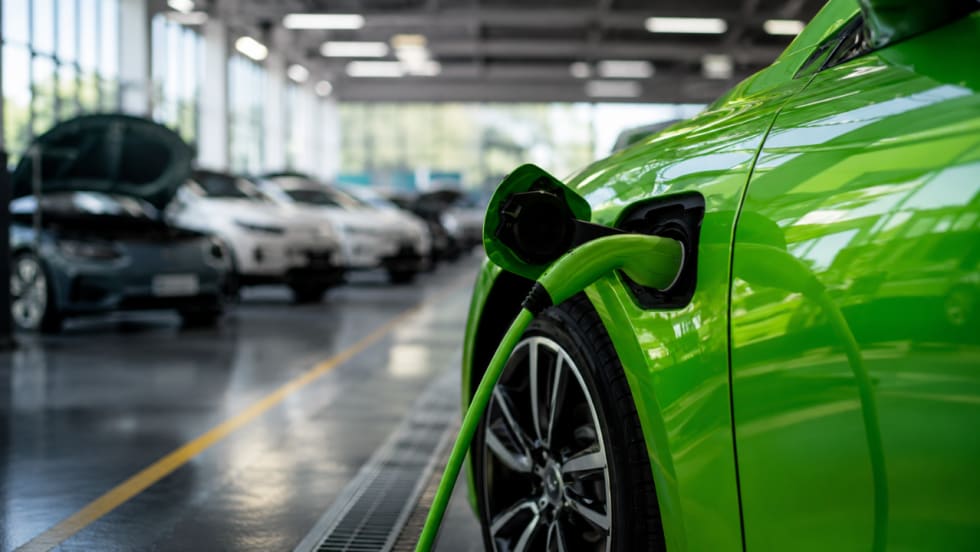
Stop Remarketing Electric Vehicles Like Gas Cars
The advantages and attributes of electric vehicles are upending the traditional remarketing cycle, requiring fleet sellers to rely on new factors and approaches detailed below.
Read More →
AP Fleet Management Expands Remarketing Program for Commercial Work Trucks
AP Fleet Management expanded its commercial vehicle remarketing program with dedicated resale services and an online marketplace for used work trucks.
Read More →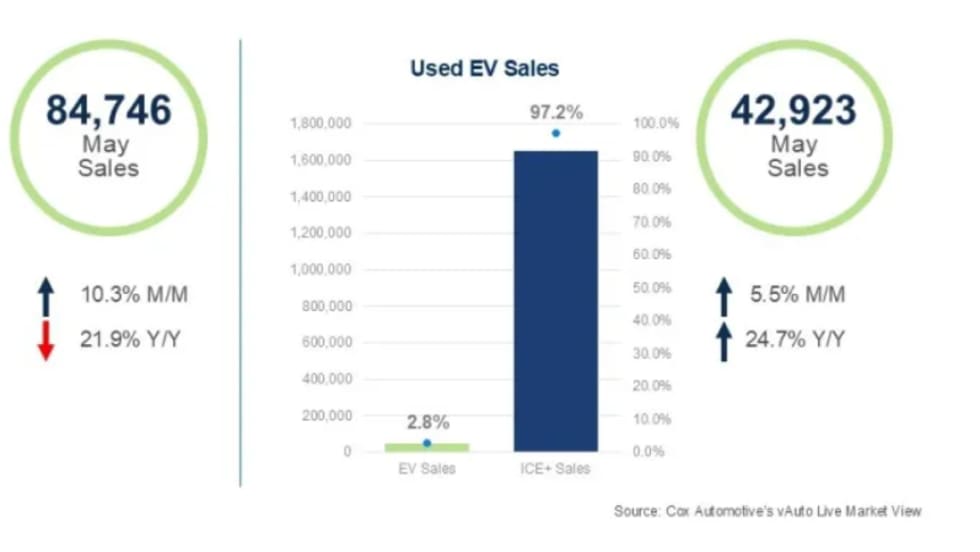
Used EVs Strengthen Overall Electric Vehicle Market
The latest sales data point to several reasons for the divergent trends in new and used EVs that can factor into fleet cycling decisions.
Read More →
The Data-Driven Haul: 5 Ways AI is Leveling the Playing Field in Auto Transport
Large and small transport fleets are becoming more competitive as predictive analytics and real-time data inform the logistics decision chain.
Read More →