



New Jersey Becomes Third State To Curb Mercury Pollution From Scrapped Vehicles
New Jersey will become the third state in the country to require the removal of mercury switches from cars, the nation's largest manufacturing source of toxic mercury.
New Jersey will become the third state in the country to require the removal of mercury switches from cars, the nation's largest manufacturing source of toxic mercury. The novel legislation, which requires automakers to pay for the removal of mercury switches from scrapped cars before they are melted down in steel mills and foundries, has already become law in Arkansas and Maine, and has been proposed in at least six other states. New Jersey Governor Richard J. Codey has signed the mercury switch legislation (A-2482/S-1292) into law.
"Momentum is building for a real reduction in mercury contamination across the country," said Jeff Gearhart, Auto Project Coordinator at the Ecology Center. "This legislation puts the onus on the automakers, where it belongs, to remove this neurotoxic contaminant from scrapped cars, where it can enter our lakes, streams and fish, and the brains of our children."
The law will prevent mercury in vehicles from escaping into the environment by providing vehicle dismantlers with a cash incentive to remove mercury switches from vehicles before they are scrapped. Auto manufacturers must reimburse the vehicle dismantlers and the state for removing mercury switches. Vehicle dismantlers will receive $2 per switch, and the state will receive 25 cents per switch to cover the cost of administering the switch removal program. The recycling of scrap vehicles in steel mills is the top source of mercury air emissions in New Jersey.
"Mercury switches create a serious health concern that also threatens to disrupt the most successful recycling program in North America," SRI President Bill Heenan said, referring to steel's recycling record, which surpasses that of all other materials.
Mercury switches are the nation's largest manufacturing source of toxic mercury. Automakers began installing mercury switches in autos more than 30 years ago, particularly for switches controlling lights in the trunk and under the hood. The mercury from these devices has been released into the environment as vehicles are scrapped at the end of their useful life. While the use of mercury in these switches was banned in 2003, more than 200 million autos containing these switches were produced between 1974 and 2003 using more than 440,000 lbs. of mercury.
Last year, more than 7 million vehicles containing mercury switches were "retired" from the road. Removing mercury switches from vehicles prevents this mercury from being vaporized as the scrap metals from these vehicles is remelted and remanufactured. The auto industry used an estimated 197 tons of mercury in vehicle switches in the U.S. and continued to use mercury switches – saving only pennies per switch – for many years after promising to switch to mercury-free alternatives.
The Arkansas bill was also a landmark bill, based on a model developed by the Partnership for Mercury Free Vehicles. Under the Arkansas law, automakers must pay $5 for each switch removed and additional $1 per switch to the Arkansas Department of Environmental Protection for program oversight. The bill passed the Arkansas legislature with a bipartisan vote – only one member voted against the bill. This legislation will also become the first law in the nation that requires auto manufacturers to report on steps taken to design vehicles and their components for recycling.
Other states, including Washington, Illinois, Pennsylvania, Connecticut, Rhode Island, and Massachusetts are considering mercury switch removal bills.
More Operations

CAS Automotive Launches Remarketing Service for Damaged, Surplus Equipment
Damaged Equipment expands CAS Automotive’s vehicle remarketing model to commercial equipment, targeting fleet operators, insurers, equipment dealers, and rental companies.
Read More →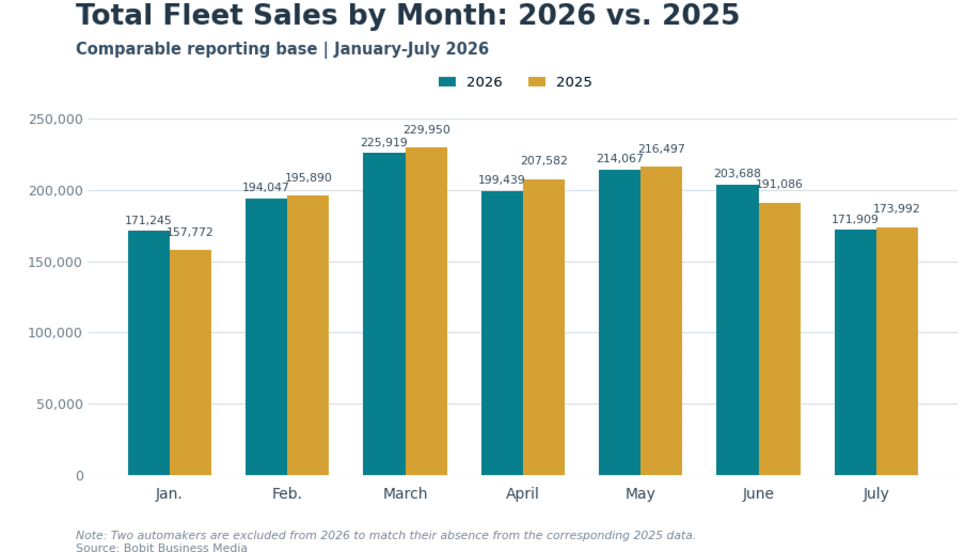
Fleet Sales Hold Steady as Commercial Gains Offset Rental Decline
Commercial and government fleet sales increased through July 2026, offsetting most of the decline in rental volume and leaving combined comparable fleet sales 0.5% above the same period last year.
Read More →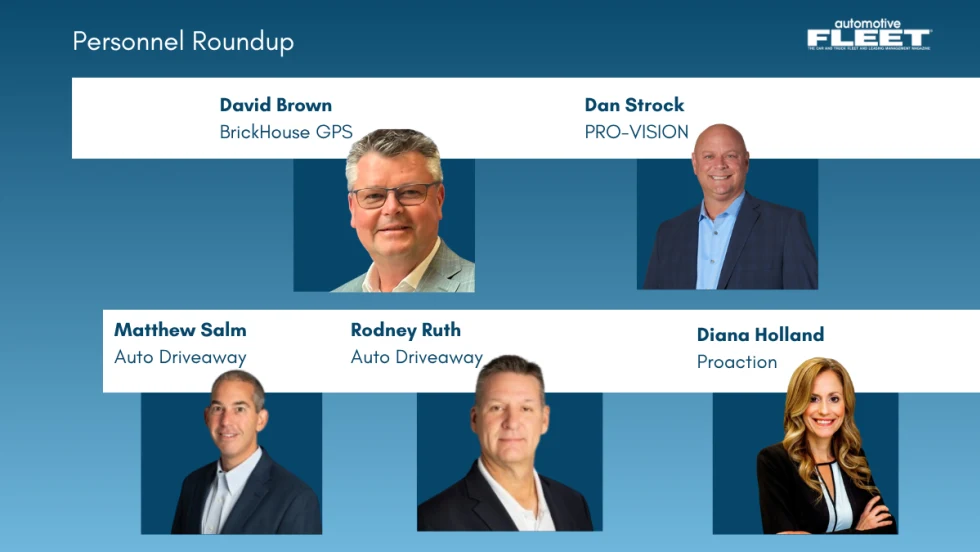
Personnel Update: BrickHouse GPS, PRO-VISION, Auto Driveaway, and Proaction
Check out the latest must-know fleet personnel updates from the last couple of months.
Read More →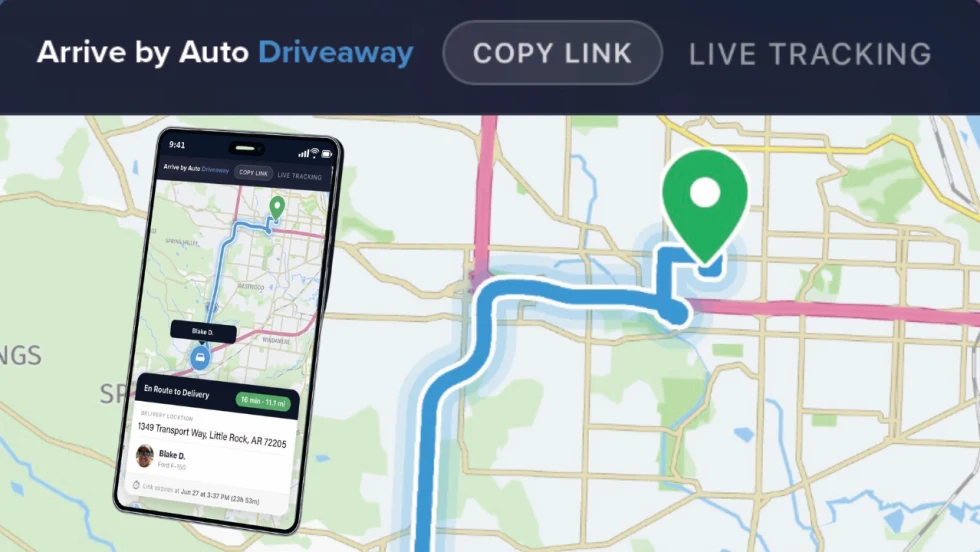
What Comes Next for Auto Driveaway?
A new Auto Driveaway feature called Arrive provides recipients with live location updates and ETAs during the final hour of a vehicle move, while fleet customers continue to have end-to-end shipment visibility through the company's customer portal.
Read More →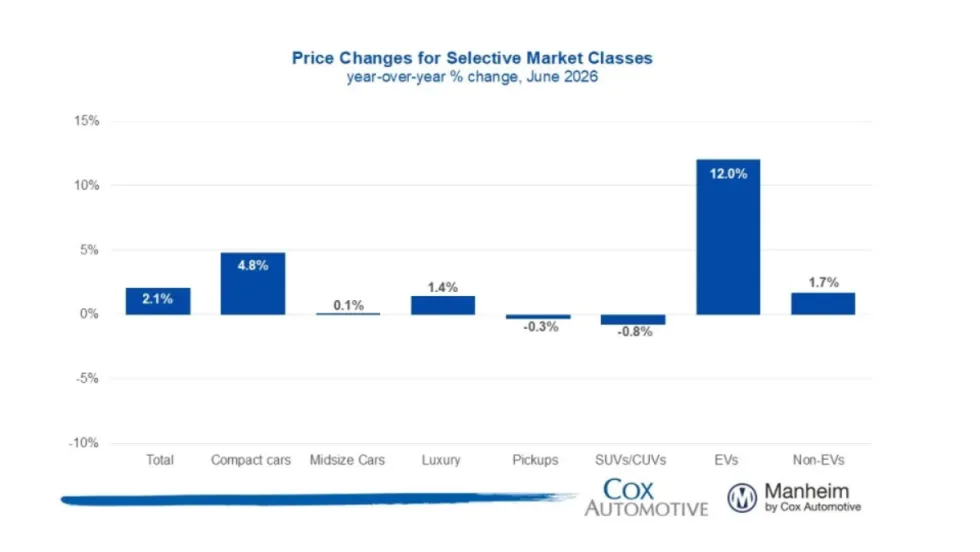
Manheim Index Shows Used-Vehicle Wholesale Prices Up 2.1% in June
The market is seeing stronger appreciation in older used vehicles this year, and the most affordable segments have been among the year’s best performers.
Read More →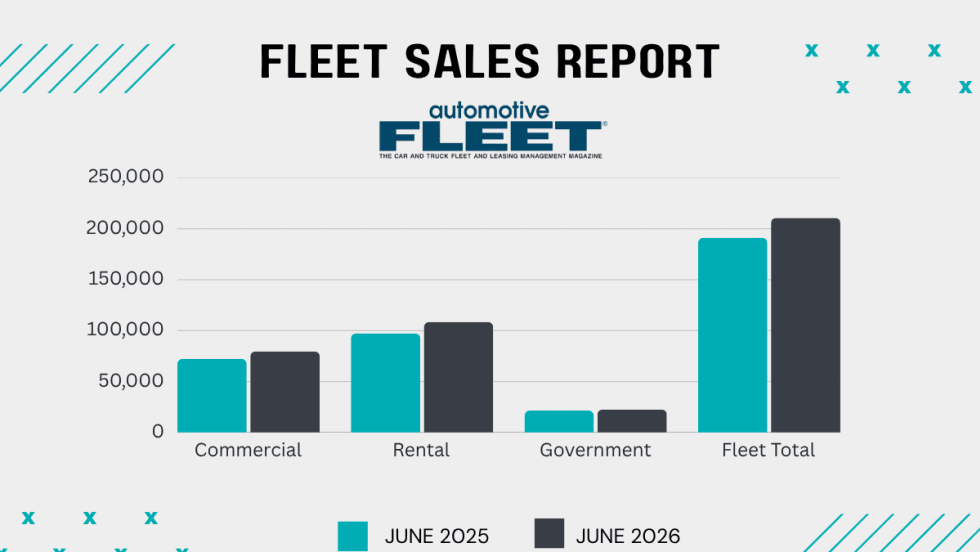
Commercial Fleet Sales Contribute To June, YTD Gains
The fleet sector has boosted its vehicle purchases at a reliable pace in the first half of this year compared with 1H 2025.
Read More →
Stop Remarketing Electric Vehicles Like Gas Cars
The advantages and attributes of electric vehicles are upending the traditional remarketing cycle, requiring fleet sellers to rely on new factors and approaches detailed below.
Read More →
AP Fleet Management Expands Remarketing Program for Commercial Work Trucks
AP Fleet Management expanded its commercial vehicle remarketing program with dedicated resale services and an online marketplace for used work trucks.
Read More →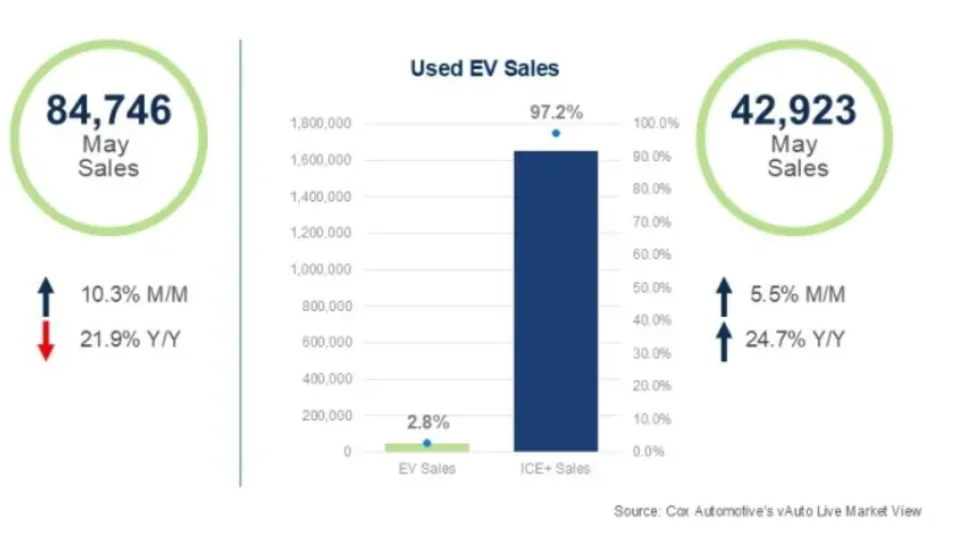
Used EVs Strengthen Overall Electric Vehicle Market
The latest sales data point to several reasons for the divergent trends in new and used EVs that can factor into fleet cycling decisions.
Read More →
The Data-Driven Haul: 5 Ways AI is Leveling the Playing Field in Auto Transport
Large and small transport fleets are becoming more competitive as predictive analytics and real-time data inform the logistics decision chain.
Read More →