



Mobile Auctions Expand Reach
Manheim’s fast-growing mobile auction network, now in more than 10 states and expanding soon to Canada, extends dealers' market reach and includes all the excitement of a physical auction − but hosted locally on their own lots.
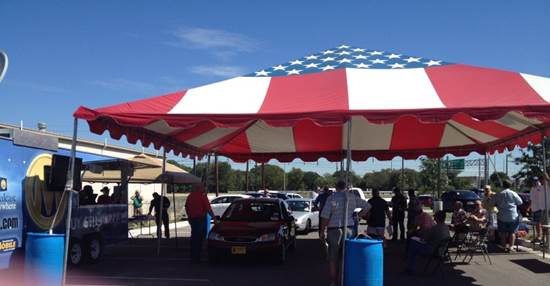
Most mobile auctions are facilitated via a converted RV trailer, using a satellite dish to enable the full Simulcast capability that no other auction company offers. Manheim provides an auctioneer and staff, the dealer supplies the cars and the location. (PHOTO: Manheim)
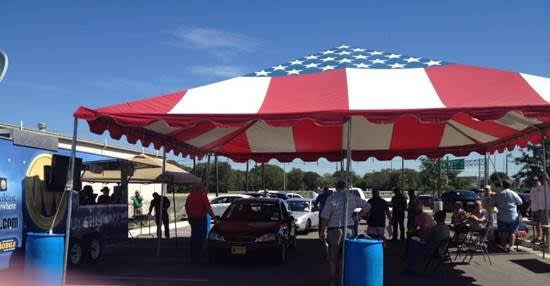
Most mobile auctions are facilitated via a converted RV trailer, using a satellite dish to enable the full Simulcast capability that no other auction company offers. Manheim provides an auctioneer and staff, the dealer supplies the cars and the location. (PHOTO: Manheim)
Manheim’s fast-growing mobile auction network, now in more than 10 states and expanding soon to Canada, extends dealers' market reach and includes all the excitement of a physical auction − but hosted locally on their own lots. Participating sellers are finding sales by attracting customers from previously underserved markets – buyers who now have access to inventory in their local area.
“Although we pioneered mobile auctions over 10 years ago, we’re seeing dealer demand for them starting to soar,” said Bonnie Hensler, vice president of Manheim Product Development. “Dealers tell us that this type of sales channel lets independents and other local buyers gain efficient access to their used vehicles, while benefitting from the many services that our physical auctions offer.”
Because Manheim’s mobile auction travels to a dealer’s lot, transportation and travel costs for dealers are reduced. Most mobile auctions are facilitated via a converted RV trailer, using a satellite dish to enable the full Simulcast capability that no other auction company offers. Manheim provides an auctioneer and staff, the dealer supplies the cars and the location. Manheim also provides the support services dealers have come to expect and appreciate, including financing, condition reports and post-sales inspections.
“When we finally committed to Manheim and the mobile auction, we began to see results immediately,” said Don Allen, vice president at Jerry’s in Weatherford, Texas. “Today, 10 years later, we sometimes need to have two sales per month in order to run all the cars. The partnership we have formed with Manheim has been very beneficial for us. We will sell approximately 200 vehicles at each mobile sale and with Manheim’s help, have very good participation from the wholesale dealers.”
Not only does Manheim bring all the technology and expertise to host an auction on the dealer’s grounds, it also brings the buyers – more than 80 percent local independents; the rest wholesalers or franchised dealers – through a targeted marketing effort. A typical Manheim mobile auction will draw up to 90 live buyers and up to 50 off-site buyers, often international, via Simulcast.
Mobile auctions reflect Manheim’s continued investment in giving dealers more choices as to how they conduct business. The ideal seller candidate for a Manheim mobile auction is a dealer with a minimum of 100 vehicles for sale each month and requires turnover of at least that number 10 to 12 times a year. Manheim’s traditional auction fees will apply.
RELATED CONTENT:
More Operations
CAS Automotive Launches Remarketing Service for Damaged, Surplus Equipment
Damaged Equipment expands CAS Automotive’s vehicle remarketing model to commercial equipment, targeting fleet operators, insurers, equipment dealers, and rental companies.
Read More →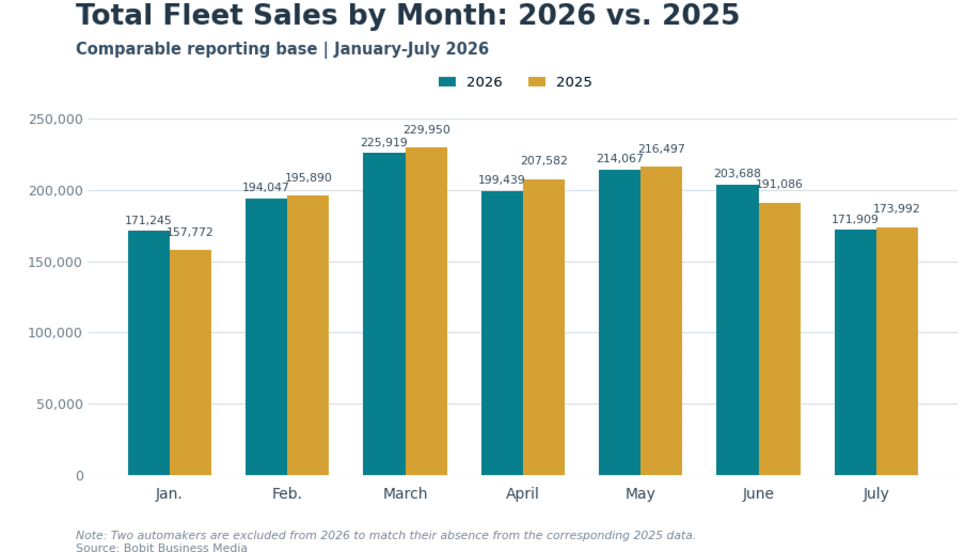
Fleet Sales Hold Steady as Commercial Gains Offset Rental Decline
Commercial and government fleet sales increased through July 2026, offsetting most of the decline in rental volume and leaving combined comparable fleet sales 0.5% above the same period last year.
Read More →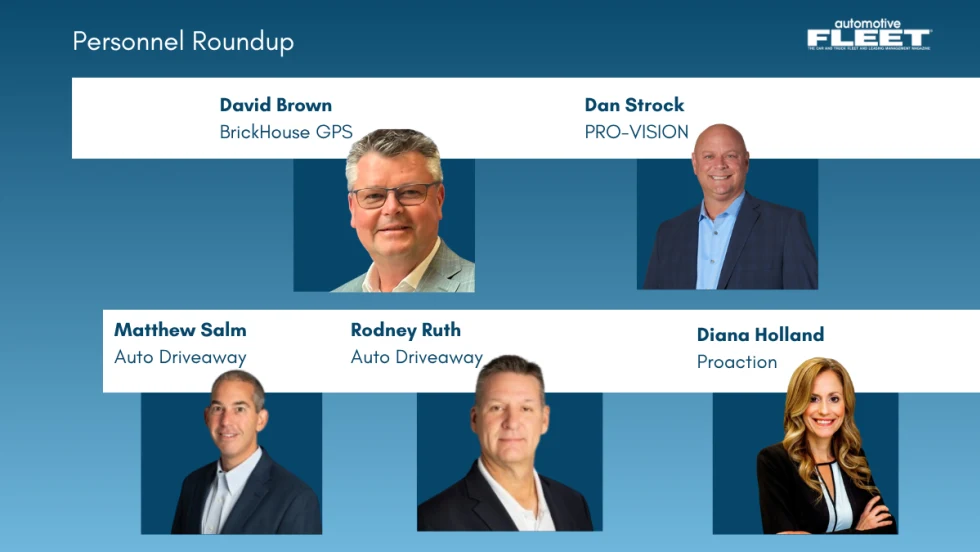
Personnel Update: BrickHouse GPS, PRO-VISION, Auto Driveaway, and Proaction
Check out the latest must-know fleet personnel updates from the last couple of months.
Read More →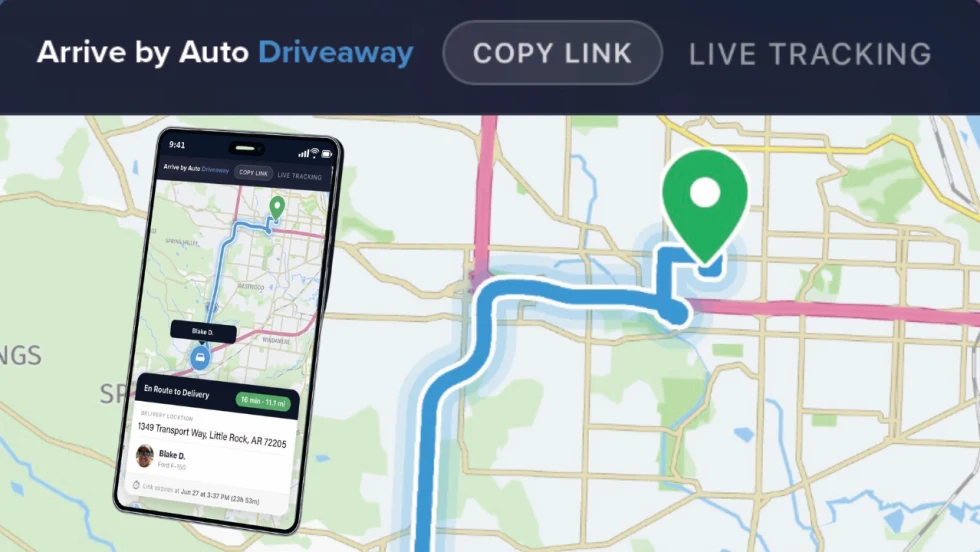
What Comes Next for Auto Driveaway?
A new Auto Driveaway feature called Arrive provides recipients with live location updates and ETAs during the final hour of a vehicle move, while fleet customers continue to have end-to-end shipment visibility through the company's customer portal.
Read More →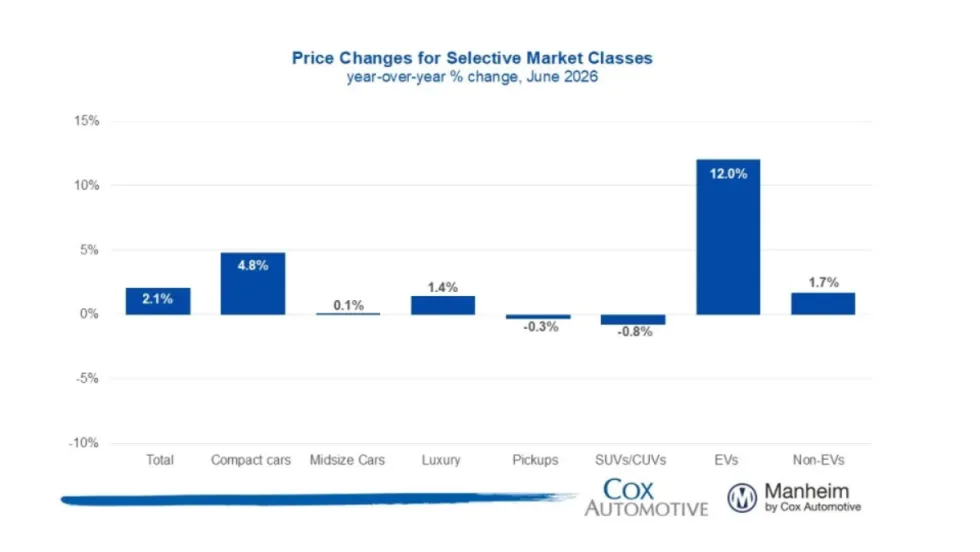
Manheim Index Shows Used-Vehicle Wholesale Prices Up 2.1% in June
The market is seeing stronger appreciation in older used vehicles this year, and the most affordable segments have been among the year’s best performers.
Read More →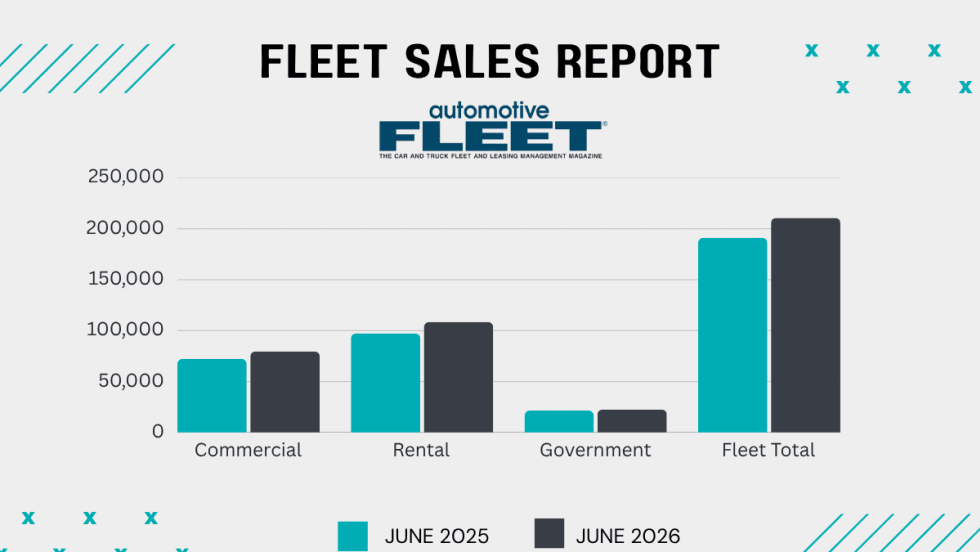
Commercial Fleet Sales Contribute To June, YTD Gains
The fleet sector has boosted its vehicle purchases at a reliable pace in the first half of this year compared with 1H 2025.
Read More →
Stop Remarketing Electric Vehicles Like Gas Cars
The advantages and attributes of electric vehicles are upending the traditional remarketing cycle, requiring fleet sellers to rely on new factors and approaches detailed below.
Read More →
AP Fleet Management Expands Remarketing Program for Commercial Work Trucks
AP Fleet Management expanded its commercial vehicle remarketing program with dedicated resale services and an online marketplace for used work trucks.
Read More →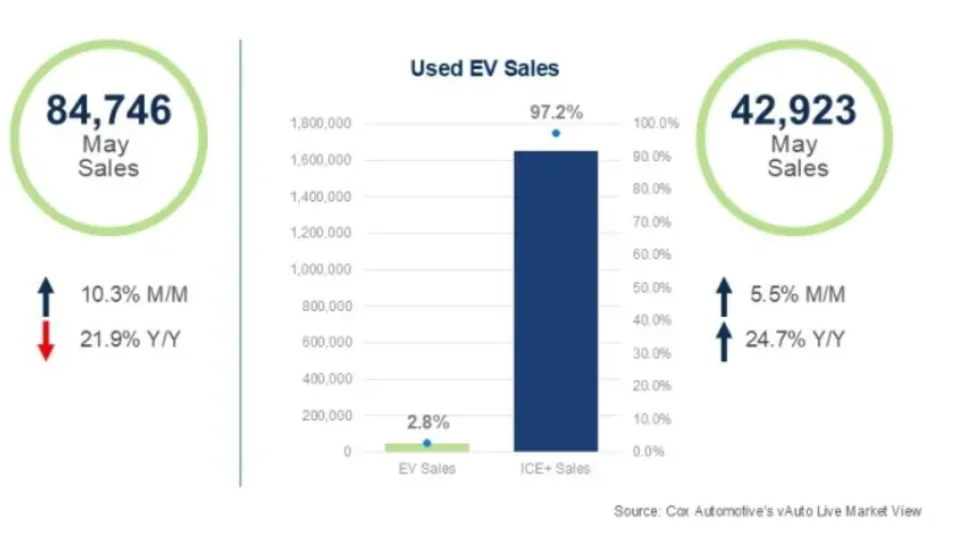
Used EVs Strengthen Overall Electric Vehicle Market
The latest sales data point to several reasons for the divergent trends in new and used EVs that can factor into fleet cycling decisions.
Read More →
The Data-Driven Haul: 5 Ways AI is Leveling the Playing Field in Auto Transport
Large and small transport fleets are becoming more competitive as predictive analytics and real-time data inform the logistics decision chain.
Read More →