



Mexico Clears Road for Used Cars
MEXICO CITY – The Mexican government has cleared the way for older cars from the United States and Canada to be imported to Mexico, opening a potentially vast new market for U.S. vehicle merchants looking to unload old vehicles, reported the Los Angeles Times.
MEXICO CITY – The Mexican government has cleared the way for older cars from the United States and Canada to be imported to Mexico, opening a potentially vast new market for U.S. vehicle merchants looking to unload old vehicles, reported the Los Angeles Times.
The move, part of an amnesty to register as many as 3 million people driving around Mexico in illegally imported cars, could provide a boon to Mexican consumers who are expected to benefit from lower prices and a better selection.
Used-vehicle prices in the United States have slid in recent years because manufacturers keep offering fat incentives for Americans to buy new wheels, forcing sellers to swallow deep discounts even on vehicles a few years old. Mexico's decision could bring a crowd of new buyers for some of the dustiest inventory.
"When the Mexican public and Mexican dealers start coming up here to buy, it's going to raise used-car prices dramatically," said Louie Quezada, owner of Lotaner Motors in Costa Mesa and Stanton, to the Los Angeles Times. "Even now, [Mexican] buyers pay my retail price on used trucks, take them down there and sell them for double."
Some new-car merchants are fuming over potential cut-rate competition that they say could harm Mexico's domestic industry. They accuse Mexican President Vicente Fox of rewarding lawbreakers and caving in to pressure groups before next year's presidential elections. Environmentalists say an influx of smoky, old cars would be a huge blow to Mexico, where big cities, particularly the capital, are beset with some of the foulest air in the world.
Before Fox's executive decree, Mexico had severely restricted the importation of used vehicles. But the new order now allows large-scale importing of some cars and trucks from the United States and Canada that are 10 to 15 years old. It also reduces taxes on some new Mexican-made vehicles to make them more affordable, and it allows drivers of vehicles smuggled illegally into the country to register them by paying taxes equivalent to 15 percent of the car's value.
Industry experts estimate that 2-3 million of these vehicles are currently driven on Mexican roads. Most lack proper tags and registration and don't go through required emission inspections.
Many Mexicans say the government forces them to pay inflated prices for vehicles through high taxes and other measures. Motorists have smuggled millions of vehicles from the United States, and people who drive these cars are in constant danger of being ticketed or having their vehicles seized by authorities.
Activist groups, particularly those representing farmers, say these low-cost vehicles are crucial to their livelihoods. They have pressured the government to legalize them, staging massive protests and blocking traffic with the outlawed vehicles in the capital.
Fox, a member of the conservative National Action Party, is prohibited from running for a second term. Polls show the presidential race shaping up to be a tossup between candidates from the three major parties, all of whom want to appear sympathetic to the plight of the rural poor.
Mexican officials say the imported older vehicles will have to meet Mexican air-quality standards for their particular model year. Still, pre-1995 vehicles emit twice the pollutants permitted for new cars in Mexico, according to the International Council on Clean Transportation.
North American Free Trade Agreement rules require Mexico to begin opening its market to used automobiles from the U.S. and Canada by 2009, so Monday's decree accelerated that action. The U.S. is home to nearly 100 million vehicles at least 10 years old and could provide a huge pool of imports into Mexico, according to ADESA Inc., an Indiana-based operator of used-car auctions.
Opening the Mexico market will benefit merchants and consumers there and in the United States, said Timothy Van Dam, general manager of California Auto Dealers Exchange in Anaheim. "Many cars are considered disposable even though they still have a lot of miles left," he said. "Cars are built much better, last longer, and there are a lot more of them, so that a car that used to sell for $5,000 now sells for $2,500."
More Operations
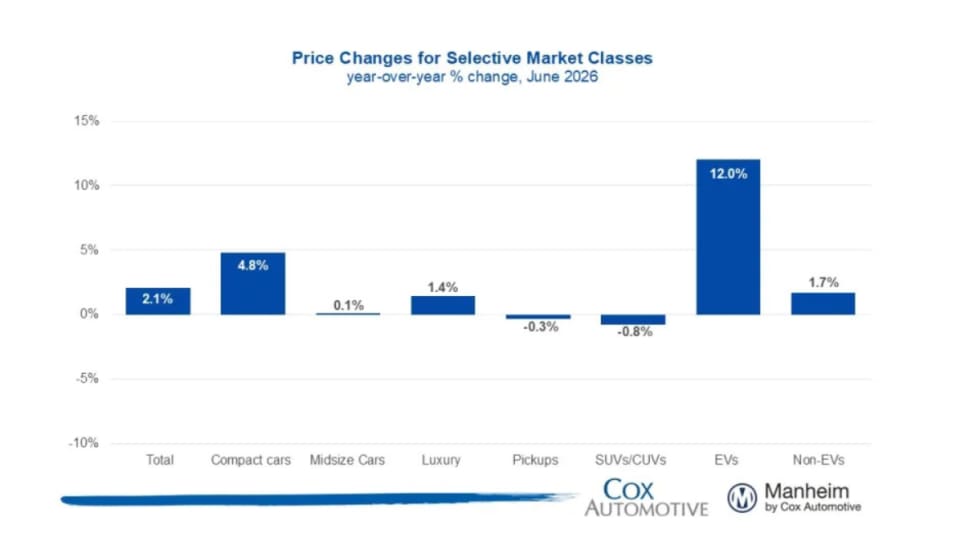
Manheim Index Shows Used-Vehicle Wholesale Prices Up 2.1% in June
The market is seeing stronger appreciation in older used vehicles this year, and the most affordable segments have been among the year’s best performers.
Read More →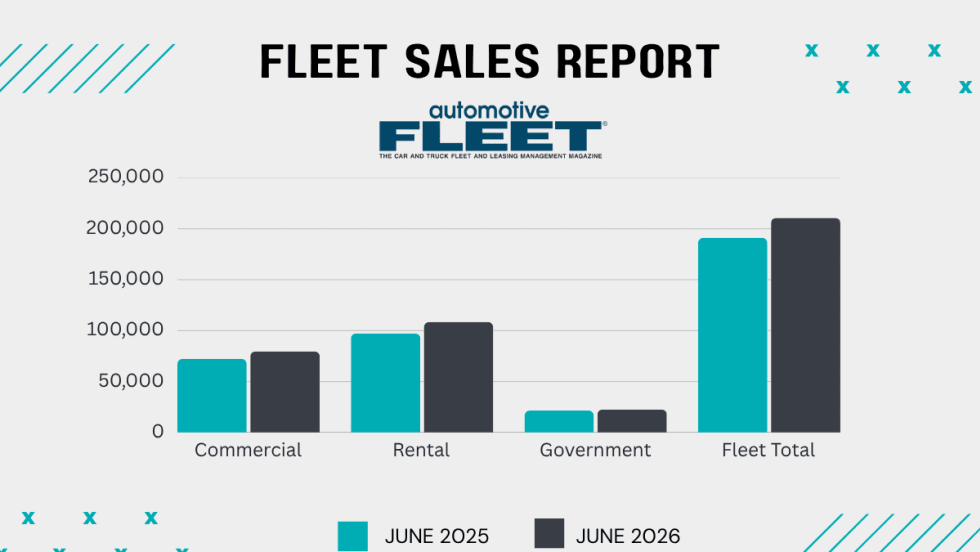
Commercial Fleet Sales Contribute To June, YTD Gains
The fleet sector has boosted its vehicle purchases at a reliable pace in the first half of this year compared with 1H 2025.
Read More →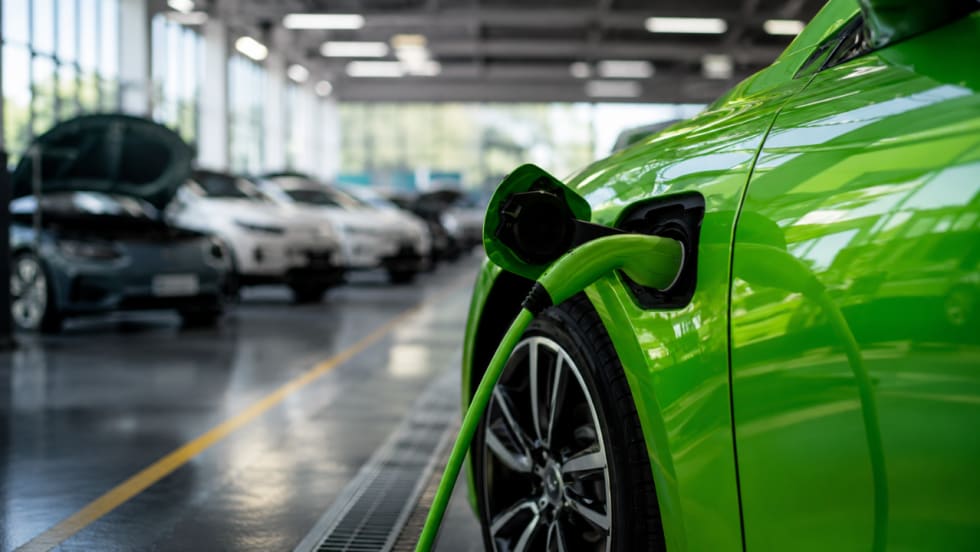
Stop Remarketing Electric Vehicles Like Gas Cars
The advantages and attributes of electric vehicles are upending the traditional remarketing cycle, requiring fleet sellers to rely on new factors and approaches detailed below.
Read More →
AP Fleet Management Expands Remarketing Program for Commercial Work Trucks
AP Fleet Management expanded its commercial vehicle remarketing program with dedicated resale services and an online marketplace for used work trucks.
Read More →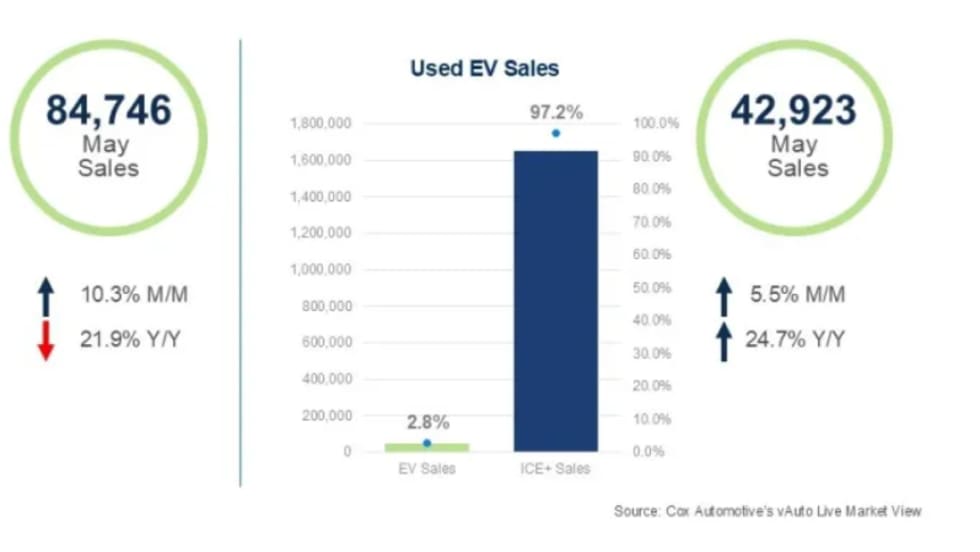
Used EVs Strengthen Overall Electric Vehicle Market
The latest sales data point to several reasons for the divergent trends in new and used EVs that can factor into fleet cycling decisions.
Read More →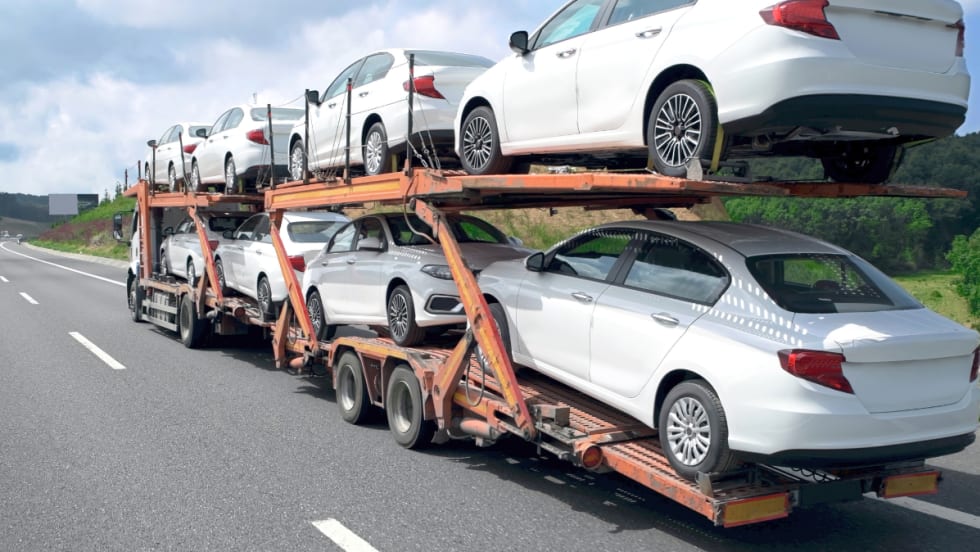
The Data-Driven Haul: 5 Ways AI is Leveling the Playing Field in Auto Transport
Large and small transport fleets are becoming more competitive as predictive analytics and real-time data inform the logistics decision chain.
Read More →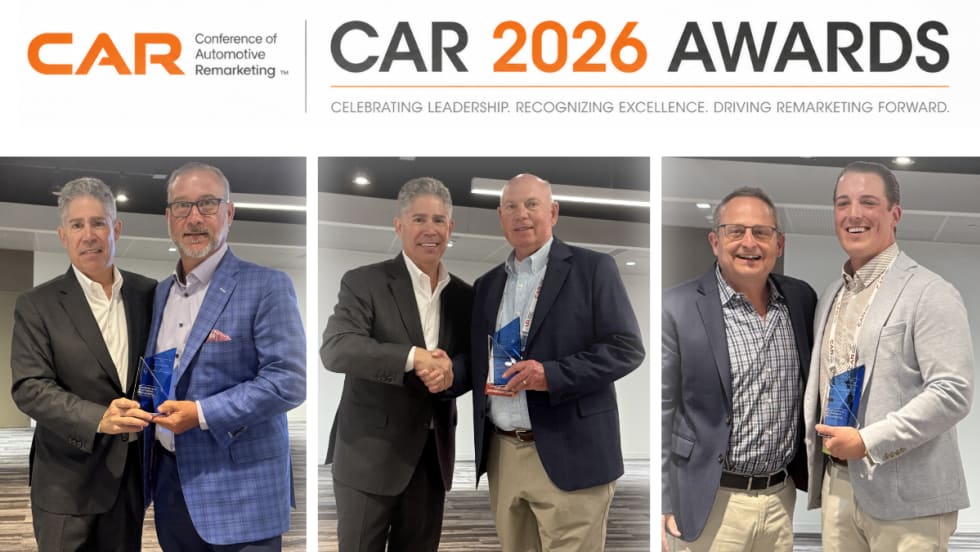
2026 CAR Awards Celebrate Industry Excellence
CAR’s annual Fleet Remarketing Awards opened a reimagined 2026 conference designed to bridge the worlds of fleet management and automotive remarketing.
Read More →
CAR 2026 Recap Part 2: Closing the Gap Between Data & Remarketing Value
The second half of CAR 2026 examined how fleets can translate lifecycle strategy, vehicle data, and market shifts into higher real-world results.
Read More →
CAR2026 in Two Words: Velocity, Value (Part 1)
The 2026 Conference of Automotive Remarketing convened with a mandate to involve a new constituency — fleet managers — and an updated mission to demonstrate unrealized value in de-fleeted vehicles.
Read More →
CAR 2026: Get the Wall Street Update on the Key Players in Remarketing
From a Wall Street analyst's take on remarketing's key players to whether fleets need their own version of Carfax, CAR 2026's afternoon roundtables will answer key operational and industry questions.
Read More →