



Latest Study Confirms Vehicle Owners Destined to Stay 'Upside-Down'
IRVINE, CA – The latest study from Kelley Blue Book Marketing Research, New Vehicle Buyer Attitude Study on Financing, finds that six out of 10 people who are about to buy a new vehicle prefer a longer-term loan with low monthly payments when financing their next vehicle.
IRVINE, CA – The latest study from Kelley Blue Book Marketing Research, New Vehicle Buyer Attitude Study on Financing, finds that six out of 10 people who are about to buy a new vehicle prefer a longer-term loan with low monthly payments when financing their next vehicle. Industry estimates are that nearly 30 percent of new-vehicle shoppers currently owe more on their vehicle than it is worth. Additionally, the average term for a consumer vehicle loan grew from 48 months in 2000 to 63 months in 2004. These consumers who are "upside-down" in their current vehicle loan could put themselves further into financial jeopardy by extending their next new-vehicle loan past the average four-to-five year term, yet as a group they do not seem concerned about the ramifications.
"Consumers who purchased vehicles with little or no money down and for a six- or seven-year term, will find they owe more than the car is worth when seeking out their next new vehicle," said Jack R. Nerad, editorial director of Kelley Blue Book's kbb.com. "This negative equity leaves future buyers two unpalatable choices: either stay in their current vehicle longer or pile on still more debt."
Both choices have negative implications for carmakers. If this one-third of the market keeps their vehicles longer, new sales and growth potential will be stymied in what is already a sluggish new-vehicle market. And if consumers add more debt, carmakers can expect more defaults on vehicle loans and bankruptcies, costing carmakers' captive finance arms millions and limiting market growth.
"Just as an over-reliance on low-cost, subsidized leases came back to bite manufacturers and financial institutions in the 1990s, so too could the move to increasingly longer loan terms in this decade," Nerad said.
The 2005 Finance study also found a declining number of consumers researching their financing options online prior to purchase than 18 months previously. Consumers cited convenience and the expectation of low interest rates from manufacturers as their reason for obtaining financing through the dealership. This finding is in line with Jupiter Research, which recently reported that in 2004 a significant number of consumers who research their auto purchases online believed dealers to be a better source of financing information than they perceived the Internet to be.
More Operations

CAS Automotive Launches Remarketing Service for Damaged, Surplus Equipment
Damaged Equipment expands CAS Automotive’s vehicle remarketing model to commercial equipment, targeting fleet operators, insurers, equipment dealers, and rental companies.
Read More →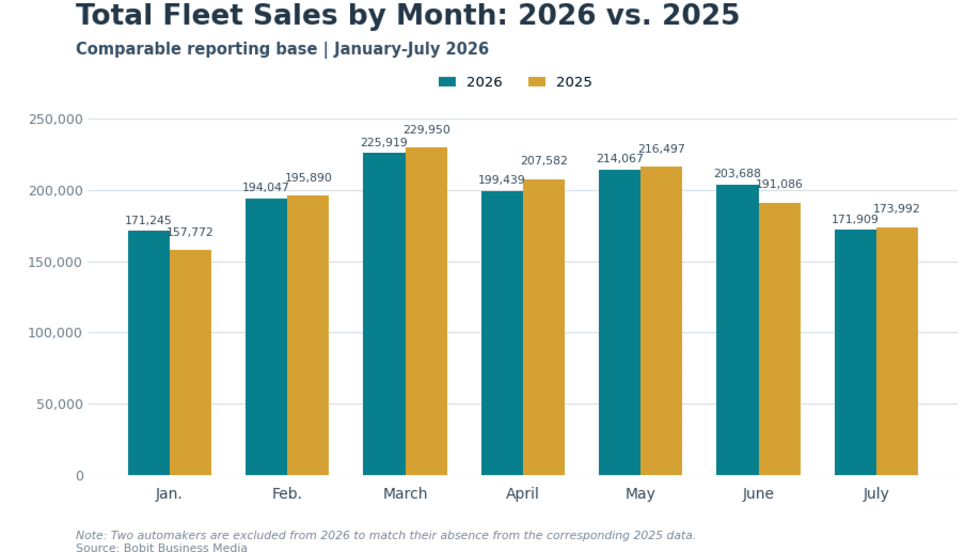
Fleet Sales Hold Steady as Commercial Gains Offset Rental Decline
Commercial and government fleet sales increased through July 2026, offsetting most of the decline in rental volume and leaving combined comparable fleet sales 0.5% above the same period last year.
Read More →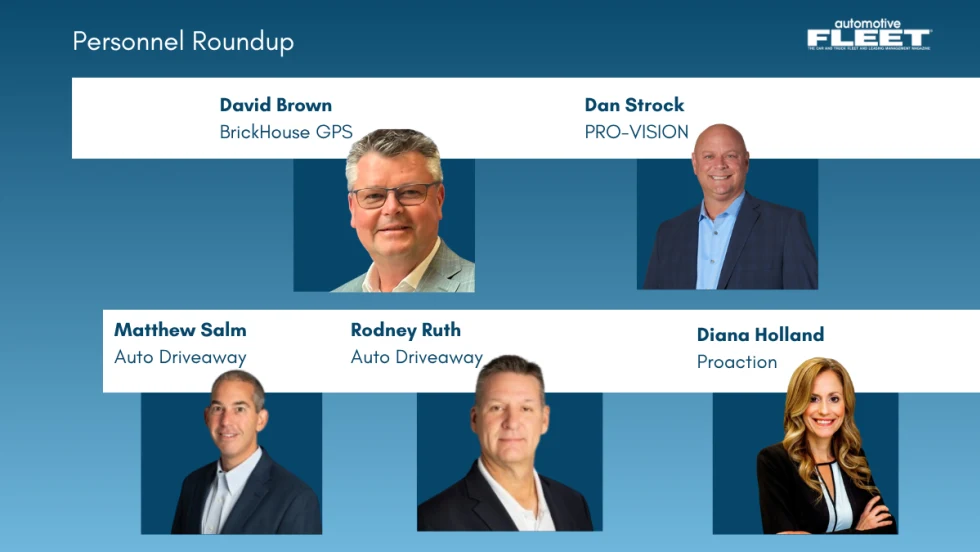
Personnel Update: BrickHouse GPS, PRO-VISION, Auto Driveaway, and Proaction
Check out the latest must-know fleet personnel updates from the last couple of months.
Read More →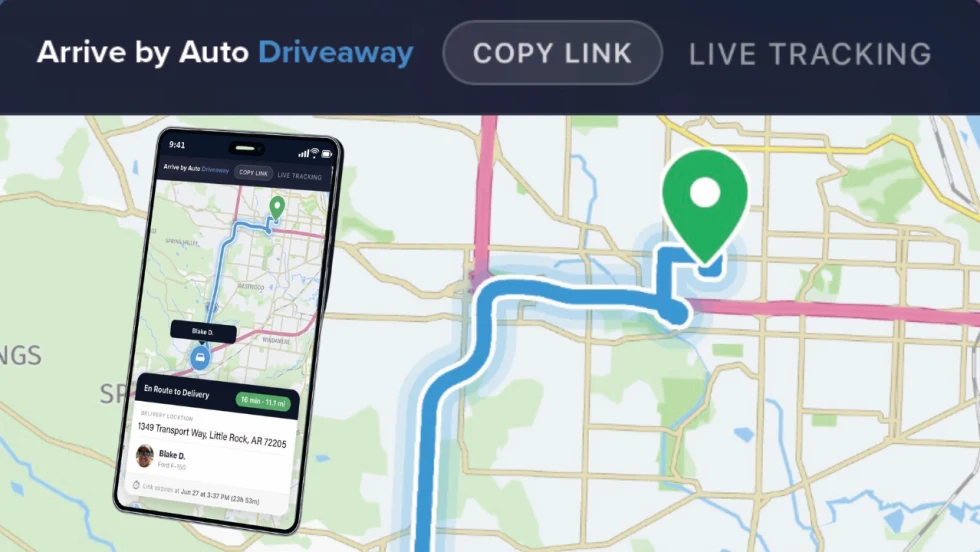
What Comes Next for Auto Driveaway?
A new Auto Driveaway feature called Arrive provides recipients with live location updates and ETAs during the final hour of a vehicle move, while fleet customers continue to have end-to-end shipment visibility through the company's customer portal.
Read More →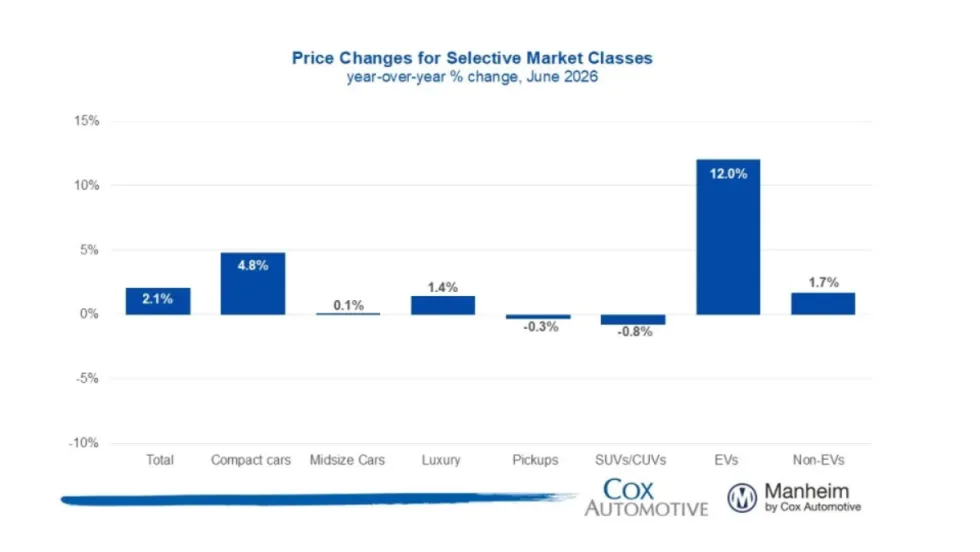
Manheim Index Shows Used-Vehicle Wholesale Prices Up 2.1% in June
The market is seeing stronger appreciation in older used vehicles this year, and the most affordable segments have been among the year’s best performers.
Read More →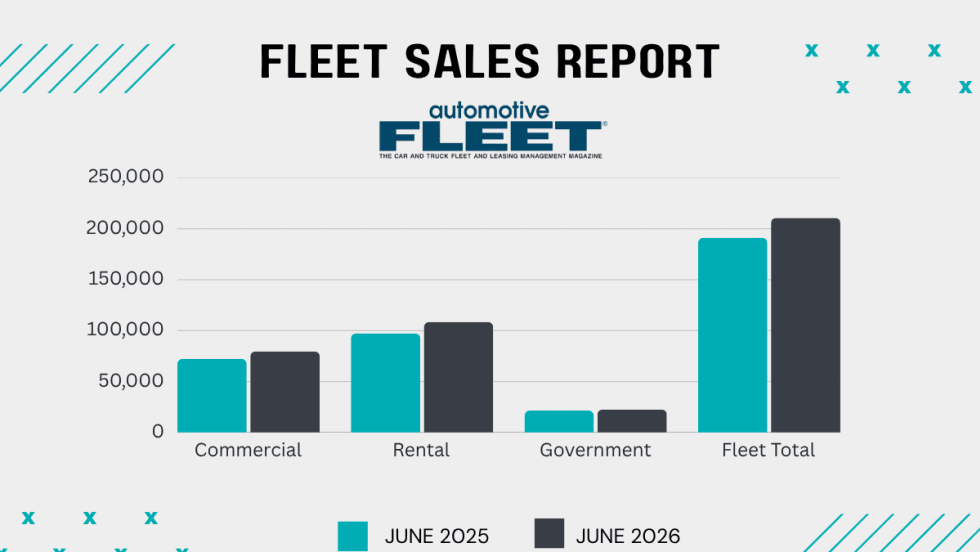
Commercial Fleet Sales Contribute To June, YTD Gains
The fleet sector has boosted its vehicle purchases at a reliable pace in the first half of this year compared with 1H 2025.
Read More →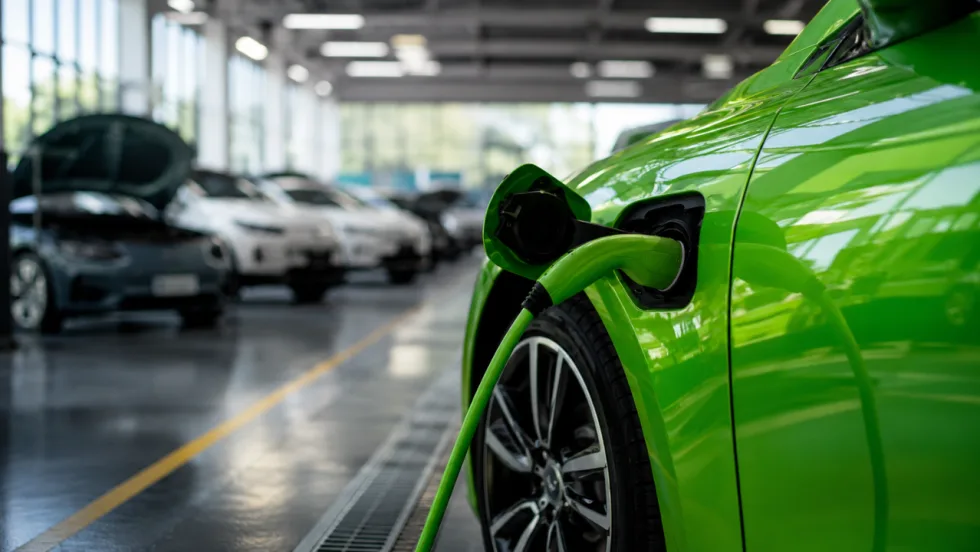
Stop Remarketing Electric Vehicles Like Gas Cars
The advantages and attributes of electric vehicles are upending the traditional remarketing cycle, requiring fleet sellers to rely on new factors and approaches detailed below.
Read More →
AP Fleet Management Expands Remarketing Program for Commercial Work Trucks
AP Fleet Management expanded its commercial vehicle remarketing program with dedicated resale services and an online marketplace for used work trucks.
Read More →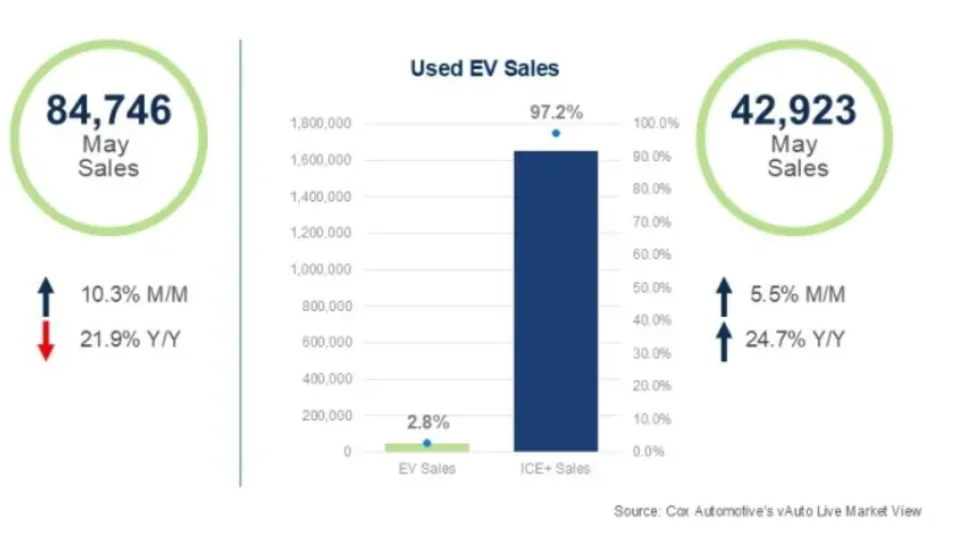
Used EVs Strengthen Overall Electric Vehicle Market
The latest sales data point to several reasons for the divergent trends in new and used EVs that can factor into fleet cycling decisions.
Read More →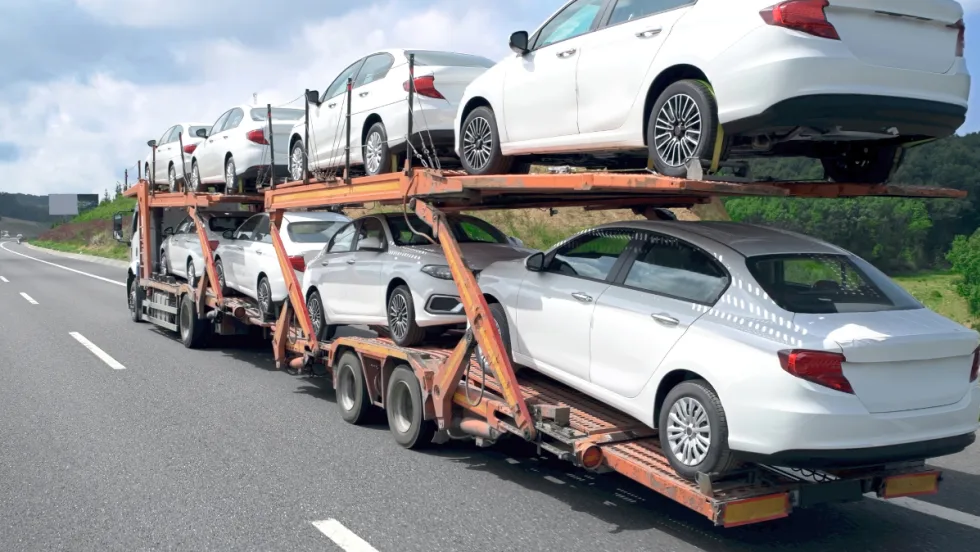
The Data-Driven Haul: 5 Ways AI is Leveling the Playing Field in Auto Transport
Large and small transport fleets are becoming more competitive as predictive analytics and real-time data inform the logistics decision chain.
Read More →