




Closer Look:Latest Hard Realities, Top Pressures for Electric Fleets
Higher Costs Drive Up New Vehicle Prices
Many imported luxury vehicles tangle with tariffs, and other premium brands reposition product portfolios for higher revenue.
August 12, 2025
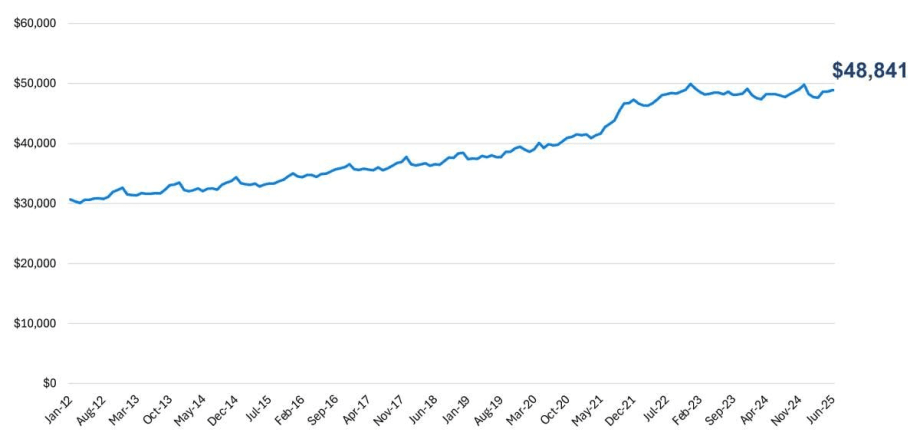
In July, the new-vehicle ATP was $48,841, down 0.1% from the revised lower June ATP of $48,900. ATPs last month were higher year over year by 1.5%, the largest annual gain of 2025, though still below long-term average gains.
Graphic: Cox Automotive
4 min to read
Annual gains in new-vehicle average transaction prices (ATPs) and manufacturer’s suggested retail prices (MSRPs) – two key measures of vehicle price increases in the U.S. – are accelerating but remain below long-term averages, according to numbers released Aug. 11 by Kelley Blue Book.
But new-vehicle prices in July remained mostly unchanged from June, with only a slight decline month over month as incentive spending accelerated and fueled strong sales volumes.
The cost of high-end living is increasing, as many imported luxury vehicles tangle with tariffs and other premium brands reposition product portfolios for higher revenue. The reasons differ, but many luxury brands saw notably higher prices year over year in July. (Acura is a stand-out exception.)
Cadillac, Land Rover and Infiniti all posted double-digit ATP gains versus 2024. ATP growth at Mercedes, Porsche and Lincoln was also more than twice the industry average, while Audi, BMW and Genesis increases were closer to the industry average.
“In the face of rising prices, it is becoming more evident that the new-vehicle market is being supported by pent-up demand driven largely by high-net-worth households," said Erin Keating, executive analyst at Cox Automotive, in a news release. "These buyers benefit from the wealth effect of a healthy stock market and solid wage growth since the pandemic. At the same time, automakers are providing healthy incentives to keep sales flowing. Prices are trending higher, but just as we see in the broader retail markets, there’s sufficient demand and generous incentives out there, which drives the market.”
Vehicle Prices, Incentives Rise
In other findings, KBB reported:
In July, the new-vehicle ATP was $48,841, down 0.1% from the revised lower June ATP of $48,900. ATPs last month were higher year over year by 1.5%, the largest annual gain of 2025, though still below long-term average gains.
Incentives jumped higher, increasing to 7.3% of ATP in July from an upwardly revised 7% of ATP in June, equal to $3,553. The average incentive spend in July was the highest point of 2025 and higher than year-ago levels, when average incentive spending was 7% of ATP.
New-vehicle MSRPs were lower in July by 0.3% compared to June but higher versus year-ago levels by 2.4%, suggesting manufacturer costs continue to increase more quickly than consumer retail prices (ATPs). The year-over-year gain of 2.4% in July was the largest in 2025, although still below the long-term average of 3.5%.
Five volume automakers saw ATPs lower versus July 2024, with Jeep leading the way. The Jeep brand ATP, at $47,275, declined nearly 12% year over year in July and was at the lowest point since the fall of 2021. Jeep incentives last month were 8.1% of ATP, down from June but notably higher than the 5.5% counted in July 2024. Jeep brand sales were higher year over year by 27% in July.
Electric Vehicles Soar as Lower Prices, Higher Incentives Spur Sales
In July, the ATP for a new electric vehicle (EV), according to estimates from Kelley Blue Book, was $55,689, down by 2.2% from the June ATP of $56,915. New EV prices were lower year over year by 4.2% in July.
EV market leader Tesla led the price decline. Last month, the Tesla ATP was $52,949, according to estimates from Kelley Blue Book, lower compared to June by 2.4% and down 9.1% year over year. Tesla incentives in July were also higher, and sales gained compared to June, although they were down year over year. A higher mix of core Model 3 and Model Y products helped lower Tesla’s prices.
EV incentives soared in July, as automakers and dealers worked to move inventory before the decline in government support. The average incentive package for an EV in July was 17.5% of ATP, a record in the modern era of EV sales and higher year over year by more than 40%.
Cox Automotive has been expecting strong EV sales in Q3 as government incentives approach an Oct. 1 sunset. July's EV sales were strong, initially estimated to be the second-best month ever, with sales over 130,000, a 20% year-over-year increase. A full report on EV sales and pricing in July will be available next week in the Cox Automotive Newsroom.
“The urgency created by the administration’s decision to sunset government-backed, IRA-era EV incentives was expected to create serious demand for EVs in the short term," said Stephanie Valdez Streaty, senior analyst at Cox Automotive. "If last month is any measure, mission accomplished. July sales were near an all-time monthly record. At this pace, Q3 will be the best ever and then some, as buyers jump in before the big incentives dry up.”
Originally posted on Automotive Fleet
More Fleet

Acertus Acquires Fisher Shipping, CEO to Join Acertus
Fisher Shipping will retain its brand and team, while its customers gain access to Acertus’ transportation, storage, vehicle care, and title and registration services.
Read More →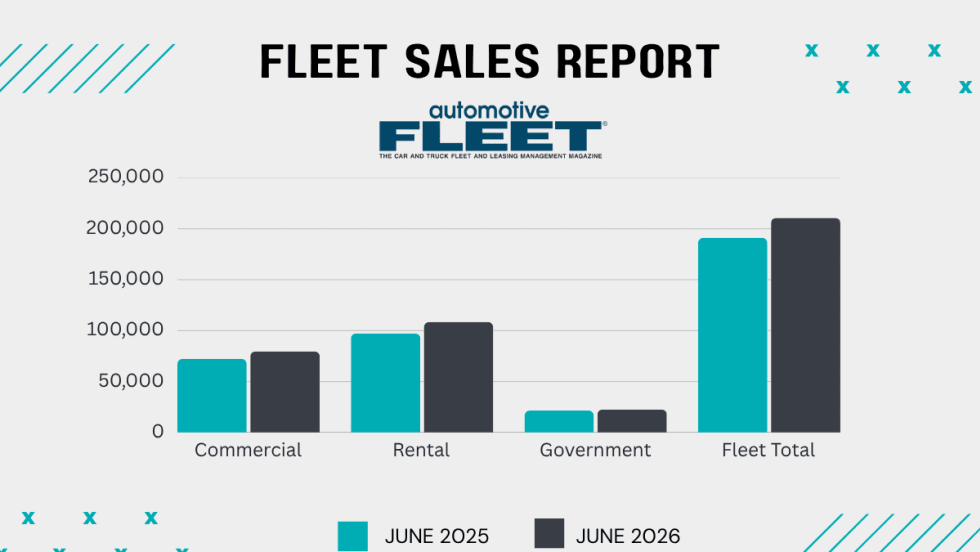
Commercial Fleet Sales Contribute To June, YTD Gains
The fleet sector has boosted its vehicle purchases at a reliable pace in the first half of this year compared with 1H 2025.
Read More →
Registration Opens for 2026 Fleet Forward Conference
Held on the East Coast for the first time, the Washington, D.C.-area event features expert-led education, a new IIHS Crash Test Experience, and collocation with the NAFA’s Fleet Safety Symposium.
Read More →
AP Fleet Management Expands Remarketing Program for Commercial Work Trucks
AP Fleet Management expanded its commercial vehicle remarketing program with dedicated resale services and an online marketplace for used work trucks.
Read More →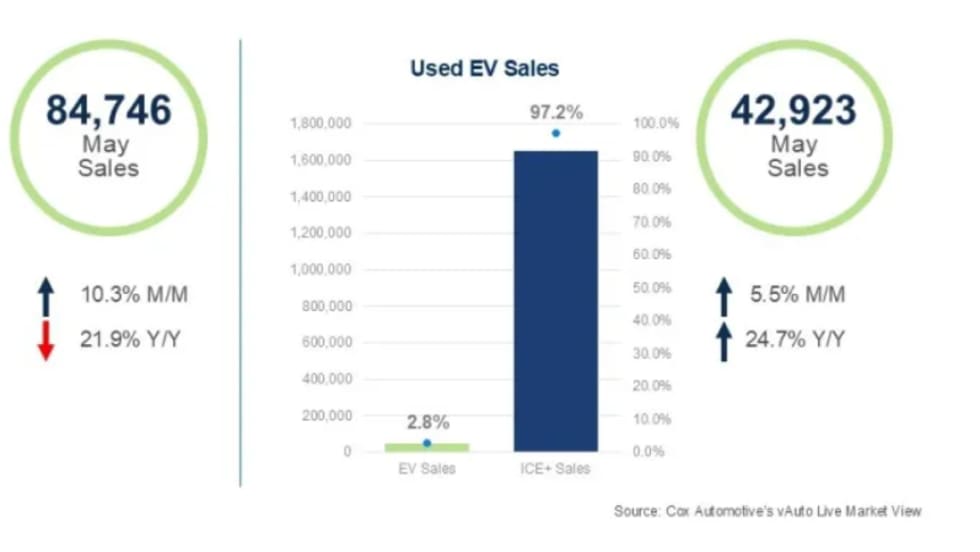
Used EVs Strengthen Overall Electric Vehicle Market
The latest sales data point to several reasons for the divergent trends in new and used EVs that can factor into fleet cycling decisions.
Read More →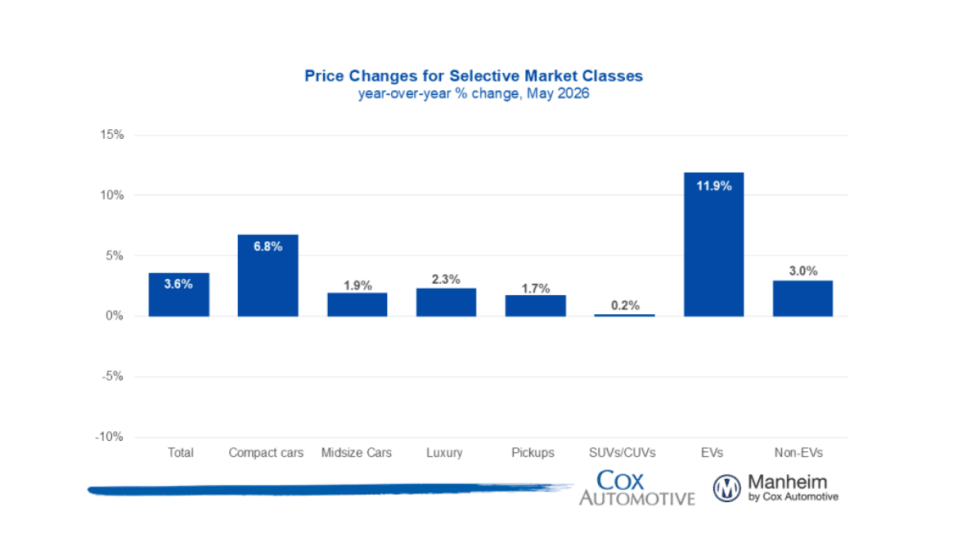
Wholesale Used Vehicle Market Sustains Moderate Rise In Values, Prices
Trends continue to normalize after a strong start to the year, as consumers contend with higher gas prices in the coming summer months.
Read More →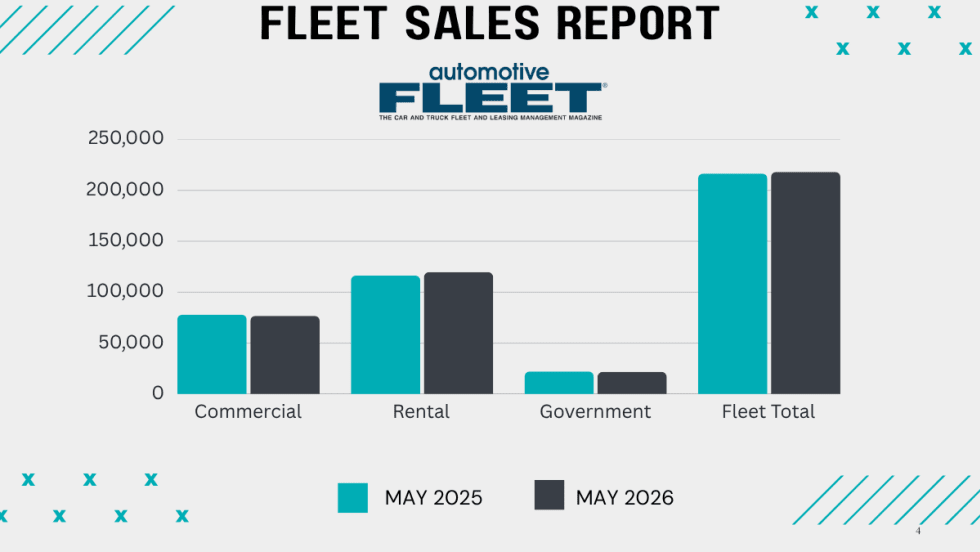
Commercial Fleet Sales Still Lead Sectors Despite May Mini Dip
The U.S. economy's continued growth and positive business investment are creating a favorable environment for fleet vehicle demand.
Read More →
The Data-Driven Haul: 5 Ways AI is Leveling the Playing Field in Auto Transport
Large and small transport fleets are becoming more competitive as predictive analytics and real-time data inform the logistics decision chain.
Read More →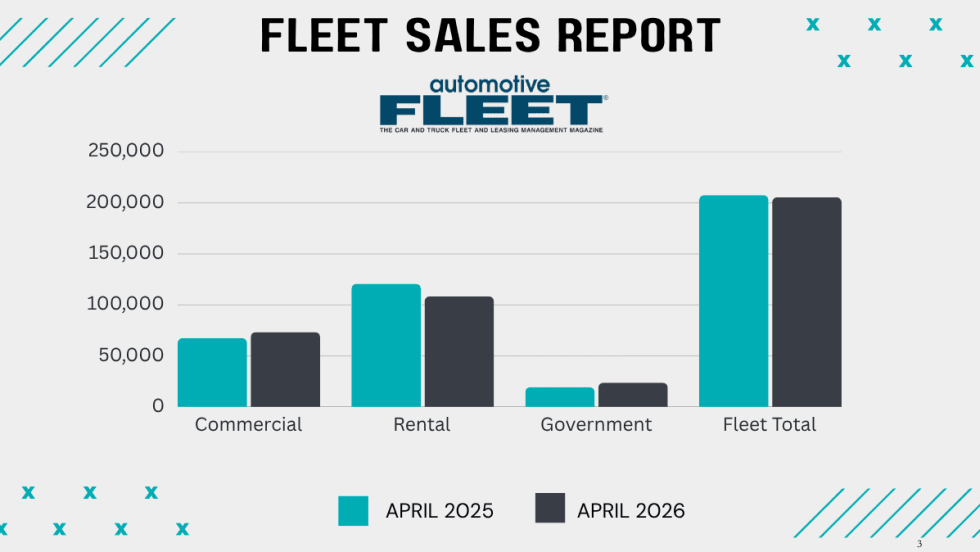
Commercial Fleet Sales Show Healthy Gains
So far, the fleet sector is outshining government and rental fleet sales this year as economic growth spurs more business investment.
Read More →
CAR 2026 Recap Part 2: Closing the Gap Between Data & Remarketing Value
The second half of CAR 2026 examined how fleets can translate lifecycle strategy, vehicle data, and market shifts into higher real-world results.
Read More →