



Related: Hertz Reports Net Loss of $158M
Hertz Q3 Revenue Rises Slightly
For the third quarter 2017, Hertz Global Holdings Inc. has reported its total revenues as $2.6 billion, a 1% increase year-over-year. CEO Kathryn Marinello is encouraged by Hertz’s process but admits the company still has a lot of work ahead.
by Staff
November 10, 2017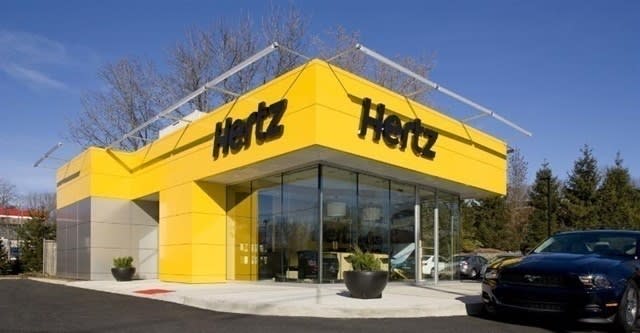
Photo courtesy of The Hertz Corp.
3 min to read
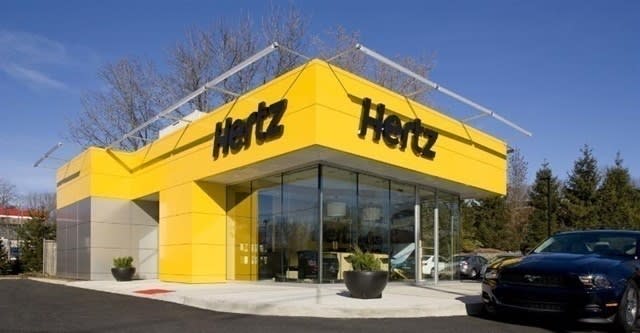
Photo courtesy of The Hertz Corp.
For the third quarter 2017, Hertz Global Holdings Inc. has reported its total revenues as $2.6 billion, a 1% increase versus third quarter 2016.
Adjusted earnings for Q3 were $321 million compared to $329 million in the same period last year, according to Hertz.
For third quarter, Hertz reported a net income (from continuing operations) of $93 million compared to a net income of $44 million during the same period last year. On an adjusted basis, Hertz’s net income was $118 million compared to a net income of $134 million in Q3 2016.
For the U.S., Hertz’s total RAC revenues were $1.7 billion, a decrease of 1% from last year. Pricing increased by 2% driven by pricing actions through revenue management tools and fleet mixes, according to Hertz. Transaction days decreased by 4% year-over-year due to a tighter rental fleet and canceled reservations in hurricane-affected areas. Adjusted earnings for Q3 were $166 million; they were affected by the revenue and depreciation outcomes and $11 million in incremental fleet interest expense versus last year.
"Our operating turnaround plan, focused on growth through enhanced fleet, service, brands and technology, is showing encouraging progress, evidence that Hertz is on the right strategic path," said Kathryn V. Marinello, president and CEO of Hertz. "While there is still a lot of work ahead of us, in the third quarter, we benefited from continued improvements in our fleet offering, expansion of our Ultimate Choice program, and a strategic focus on optimizing revenue management. We remain committed to building Hertz's long-term success as a leader in the global rental car market by strengthening the business to drive predictable, sustainable long-term growth."
Hertz reduced its total U.S. fleet by 2% during Q3 compared to a year ago. Utilization declined by 130 basis points during the quarter as Hertz continued to balance its focus on service performance with fleet availability, according to the company.
In Q3, Hertz reported its total international RAC revenues as $728 million, an increase of 7% from third quarter 2016. Excluding a $28 million favorable impact of foreign currency exchange rates, revenues grew 2% — driven by a 5% increase in transaction days and partially offset by a 2% decrease in total revenue per day (due to the mix shift in demand toward leisure value brands).
According to Hertz, the company is encouraged by the progress it made during the quarter, but it recognizes that it still has operational work to do through 2018.
"We are entering a seasonally low period of demand at the same time that we are continuing to invest in the long-term growth of the company," said Marinello. "Expense always precedes benefit. Higher spending levels throughout 2018 are necessary to ensure predictable, sustainable earnings performance, beginning in 2019. In the meantime, we are already seeing some of our strategies and investments paying off. Others are still a work in progress, and we are revising and iterating continuously toward optimization. Having best-in-class products, services, brands, and technologies will be the culmination of the time, hard work, and investment that we have committed to delivering."
Originally posted on Auto Rental News
More Operations

CAS Automotive Launches Remarketing Service for Damaged, Surplus Equipment
Damaged Equipment expands CAS Automotive’s vehicle remarketing model to commercial equipment, targeting fleet operators, insurers, equipment dealers, and rental companies.
Read More →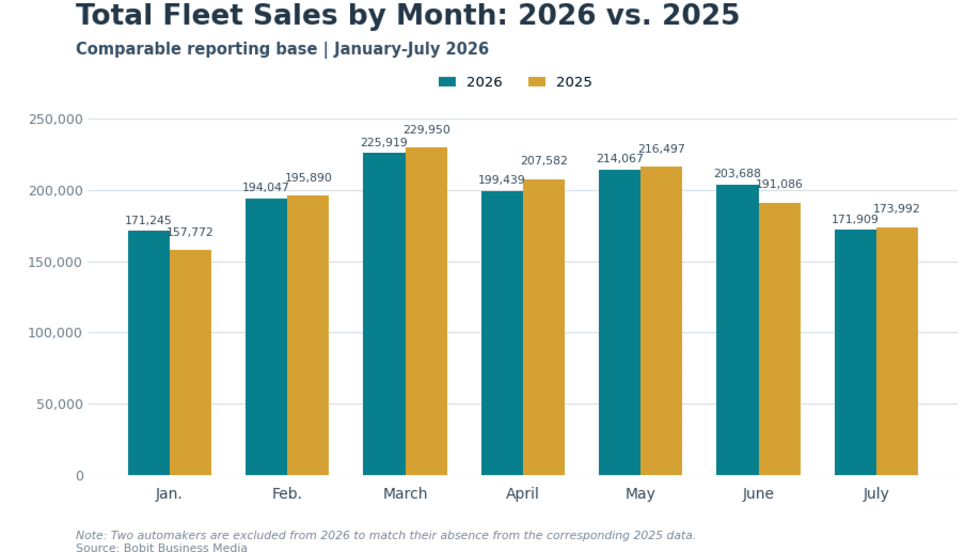
Fleet Sales Hold Steady as Commercial Gains Offset Rental Decline
Commercial and government fleet sales increased through July 2026, offsetting most of the decline in rental volume and leaving combined comparable fleet sales 0.5% above the same period last year.
Read More →
Personnel Update: BrickHouse GPS, PRO-VISION, Auto Driveaway, and Proaction
Check out the latest must-know fleet personnel updates from the last couple of months.
Read More →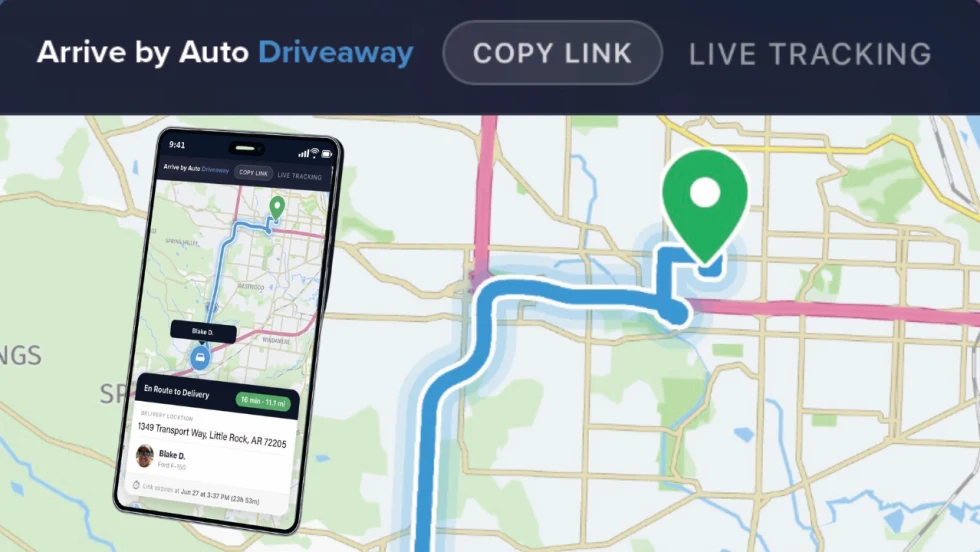
What Comes Next for Auto Driveaway?
A new Auto Driveaway feature called Arrive provides recipients with live location updates and ETAs during the final hour of a vehicle move, while fleet customers continue to have end-to-end shipment visibility through the company's customer portal.
Read More →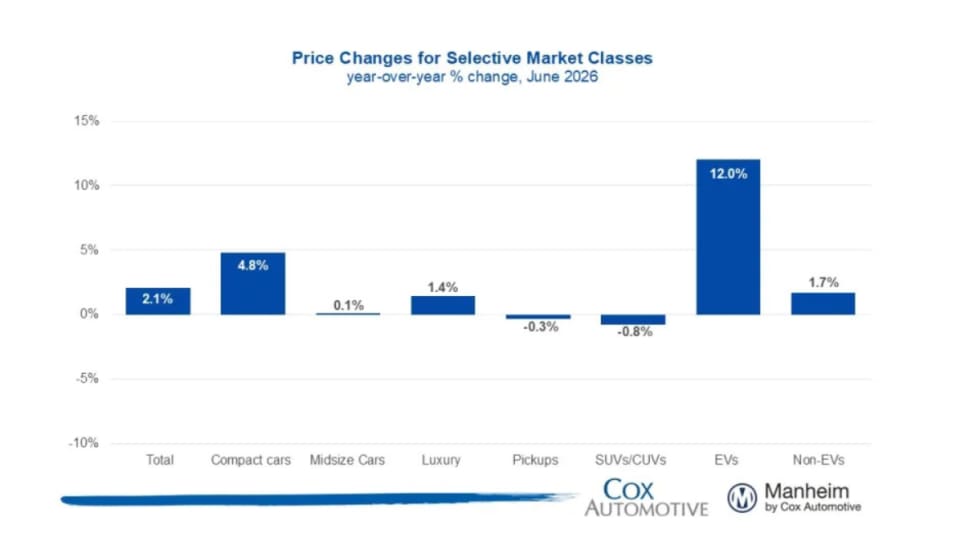
Manheim Index Shows Used-Vehicle Wholesale Prices Up 2.1% in June
The market is seeing stronger appreciation in older used vehicles this year, and the most affordable segments have been among the year’s best performers.
Read More →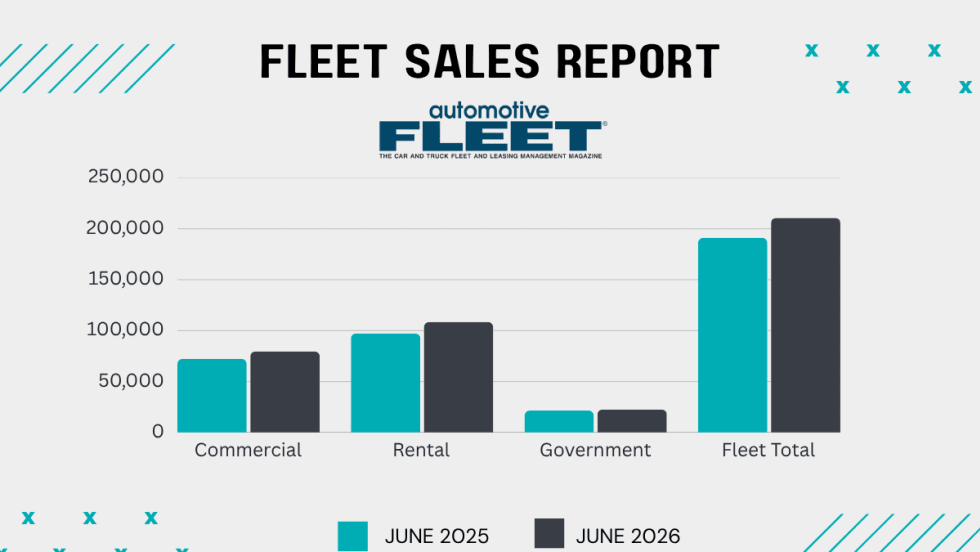
Commercial Fleet Sales Contribute To June, YTD Gains
The fleet sector has boosted its vehicle purchases at a reliable pace in the first half of this year compared with 1H 2025.
Read More →
Stop Remarketing Electric Vehicles Like Gas Cars
The advantages and attributes of electric vehicles are upending the traditional remarketing cycle, requiring fleet sellers to rely on new factors and approaches detailed below.
Read More →
AP Fleet Management Expands Remarketing Program for Commercial Work Trucks
AP Fleet Management expanded its commercial vehicle remarketing program with dedicated resale services and an online marketplace for used work trucks.
Read More →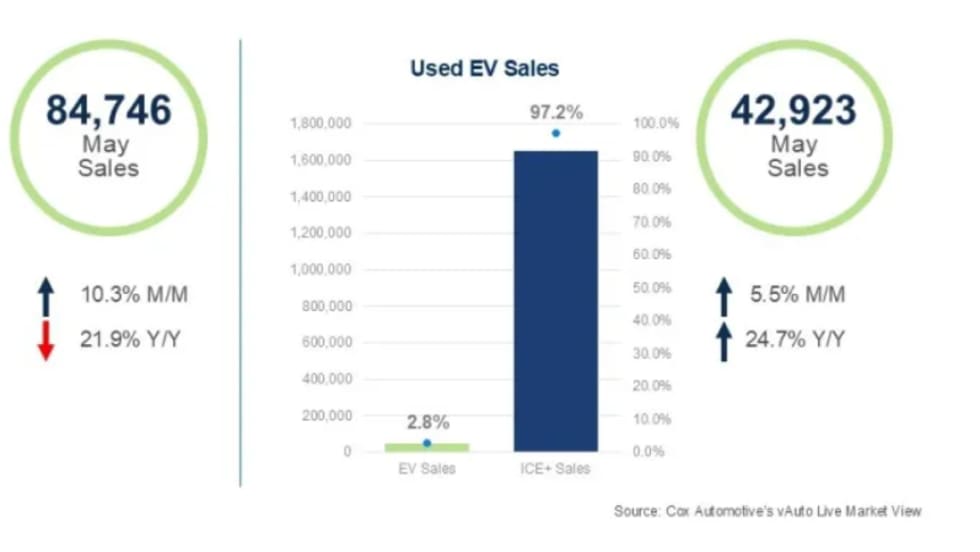
Used EVs Strengthen Overall Electric Vehicle Market
The latest sales data point to several reasons for the divergent trends in new and used EVs that can factor into fleet cycling decisions.
Read More →
The Data-Driven Haul: 5 Ways AI is Leveling the Playing Field in Auto Transport
Large and small transport fleets are becoming more competitive as predictive analytics and real-time data inform the logistics decision chain.
Read More →