



GM Financial Reports Downdraft in Used Car Values
GM Financial reported $202 million in net income in the first quarter of 2017, a 23% increase over the same time last year, despite pressure on used-car values, the company has announced.
GM Financial reported $202 million in net income in the first quarter of 2017, a 23% increase over the same time last year, despite pressure on used-car values, the company has announced.
Used-car values have declined 7% in recent months, and that trend should continue through the rest of 2017, further pressuring the wholesale market, said Charles Stevens, the company's executive vice president and CFO.
“Obviously, used-car pricing impacts us in many ways, including pressuring our residual values, increasing the cost of leases for our customers, and reducing off-rental pricing,” Stevens said during the company’s first quarter earnings call. “This is why we have put such an emphasis on strengthening our brands and reducing our reliance on rental car sales.”
General Motors has been working closely with its financing branch to optimize its incentive spending in order to inhibit the growth of leasing and move customers toward traditional loans. One example of this is how the company is allocating more incentive money toward down payment assistance for traditional financing instead of special leasing offers.
And, according to first quarter data from GM Financial, this strategy to allocate more incentive money toward traditional financing has been working. Compared to March 2016, retail loan originations have been trending upward, while lease originations have been trending downward.
The amount of GM customers opting for GM Financial for their vehicle financing has also grown. Through the first quarter of 2017, approximately 50% of customers financed their vehicles through GM Financial, compared to 37.5% in the same time last year, meaning that a larger percent of people are taking advantage of the incentives being offered by GM.
Further evidence of more buyers taking advantage of GM’s incentives is the fact that more prime credit — those more likely to qualify — and fewer near-prime and sub-prime credit customers are buying from GM.
First quarter results show that 74.5% of GM’s buyers had prime credit scores, compared to 68.3% a year ago. Meanwhile, 11.2% of buyers had near-prime credit scores and 14.3% had sub-prime credit scores, compared to 13.3% and 18.4%, respectively in 2016.
Originally posted on Automotive Fleet
More Operations
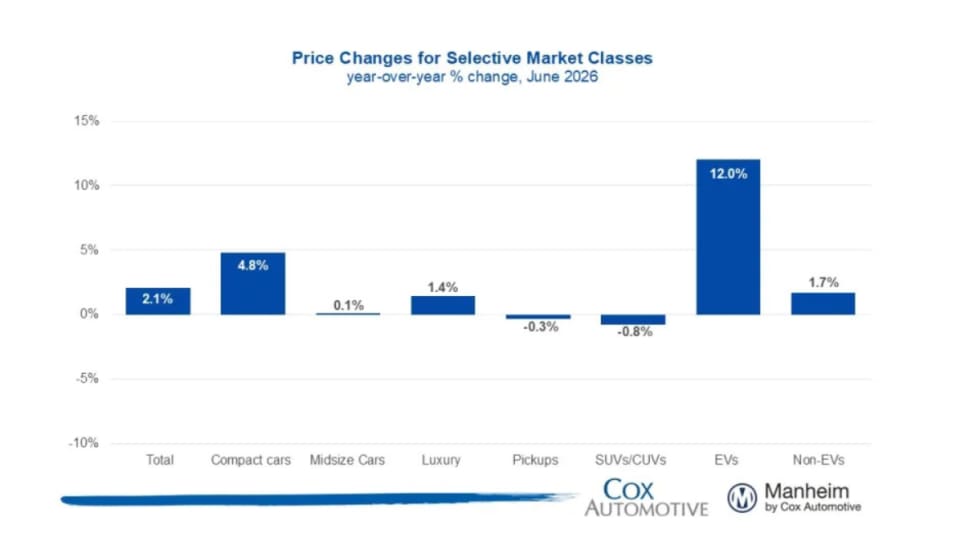
Manheim Index Shows Used-Vehicle Wholesale Prices Up 2.1% in June
The market is seeing stronger appreciation in older used vehicles this year, and the most affordable segments have been among the year’s best performers.
Read More →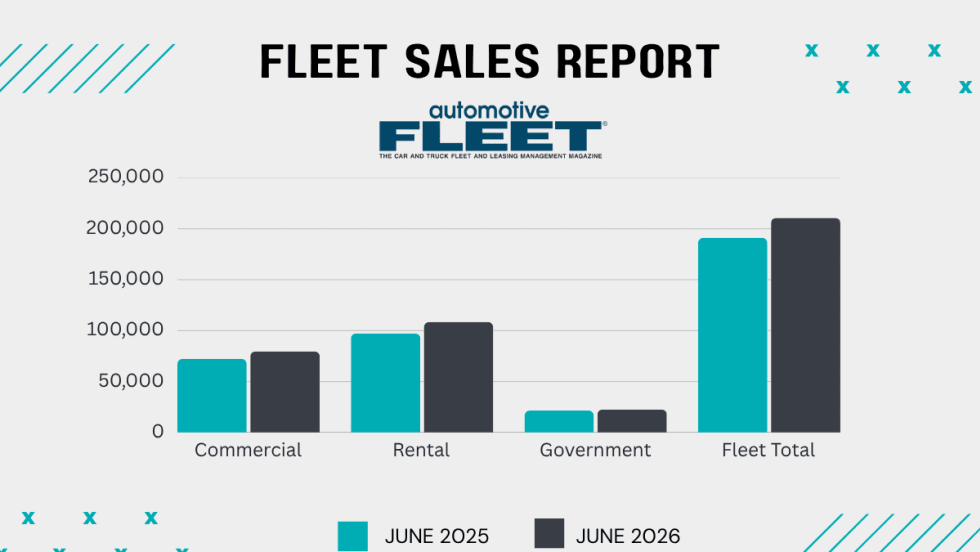
Commercial Fleet Sales Contribute To June, YTD Gains
The fleet sector has boosted its vehicle purchases at a reliable pace in the first half of this year compared with 1H 2025.
Read More →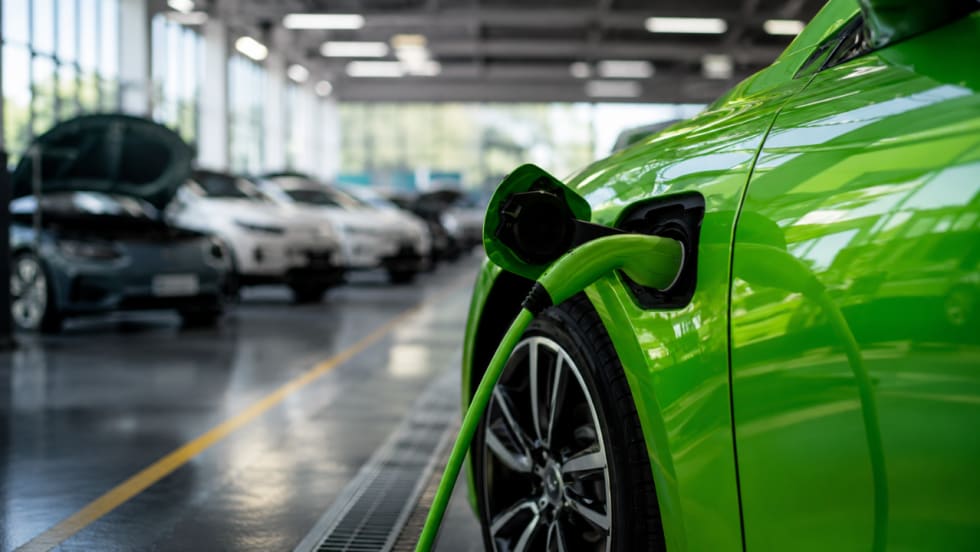
Stop Remarketing Electric Vehicles Like Gas Cars
The advantages and attributes of electric vehicles are upending the traditional remarketing cycle, requiring fleet sellers to rely on new factors and approaches detailed below.
Read More →
AP Fleet Management Expands Remarketing Program for Commercial Work Trucks
AP Fleet Management expanded its commercial vehicle remarketing program with dedicated resale services and an online marketplace for used work trucks.
Read More →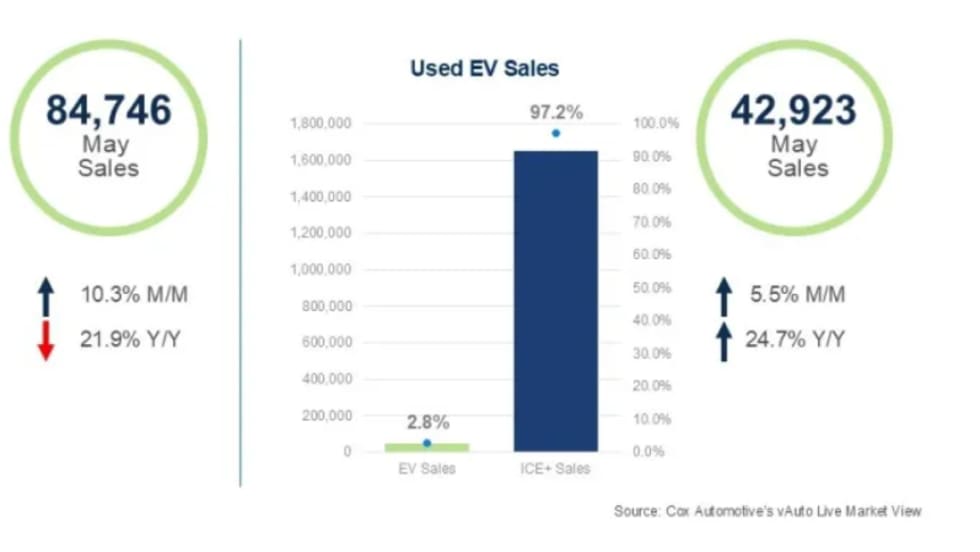
Used EVs Strengthen Overall Electric Vehicle Market
The latest sales data point to several reasons for the divergent trends in new and used EVs that can factor into fleet cycling decisions.
Read More →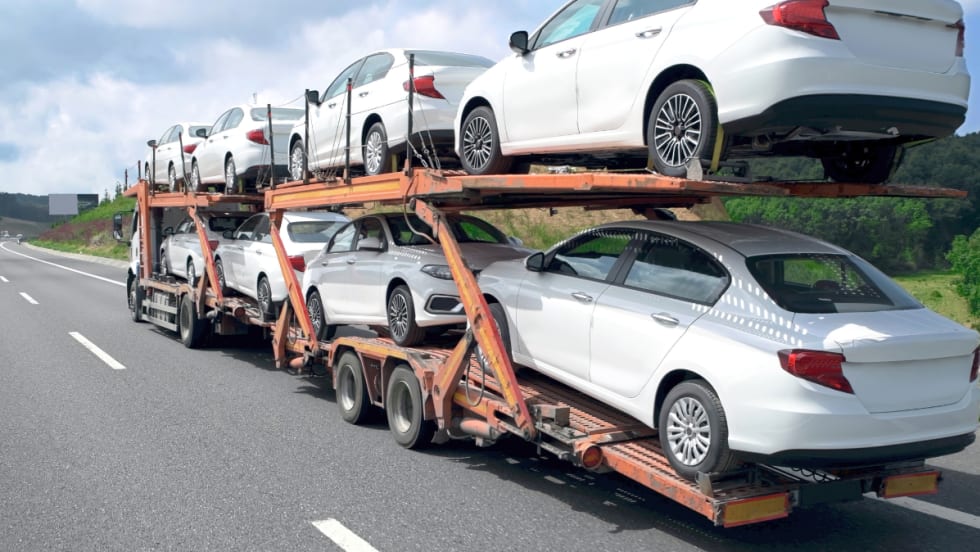
The Data-Driven Haul: 5 Ways AI is Leveling the Playing Field in Auto Transport
Large and small transport fleets are becoming more competitive as predictive analytics and real-time data inform the logistics decision chain.
Read More →
2026 CAR Awards Celebrate Industry Excellence
CAR’s annual Fleet Remarketing Awards opened a reimagined 2026 conference designed to bridge the worlds of fleet management and automotive remarketing.
Read More →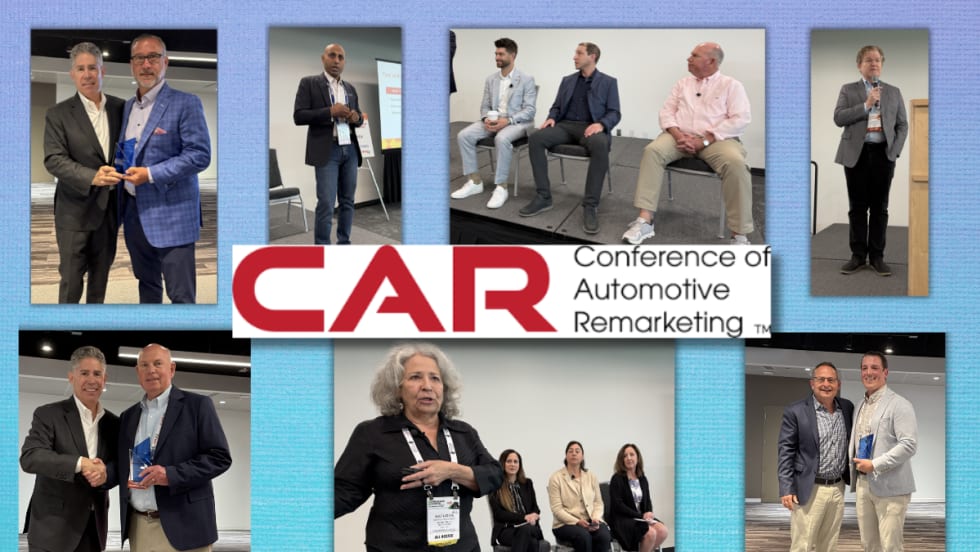
CAR 2026 Recap Part 2: Closing the Gap Between Data & Remarketing Value
The second half of CAR 2026 examined how fleets can translate lifecycle strategy, vehicle data, and market shifts into higher real-world results.
Read More →
CAR2026 in Two Words: Velocity, Value (Part 1)
The 2026 Conference of Automotive Remarketing convened with a mandate to involve a new constituency — fleet managers — and an updated mission to demonstrate unrealized value in de-fleeted vehicles.
Read More →
CAR 2026: Get the Wall Street Update on the Key Players in Remarketing
From a Wall Street analyst's take on remarketing's key players to whether fleets need their own version of Carfax, CAR 2026's afternoon roundtables will answer key operational and industry questions.
Read More →